



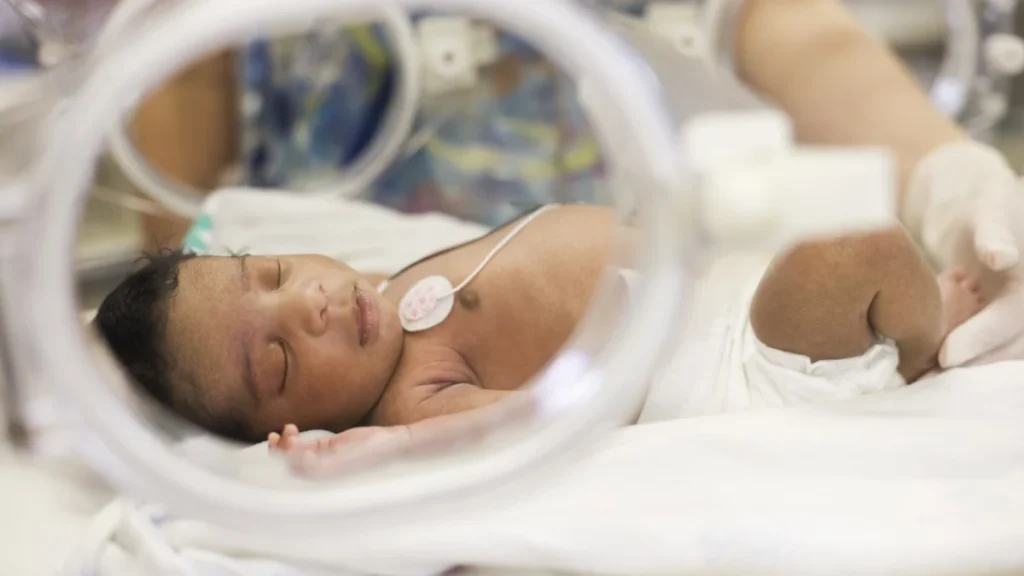
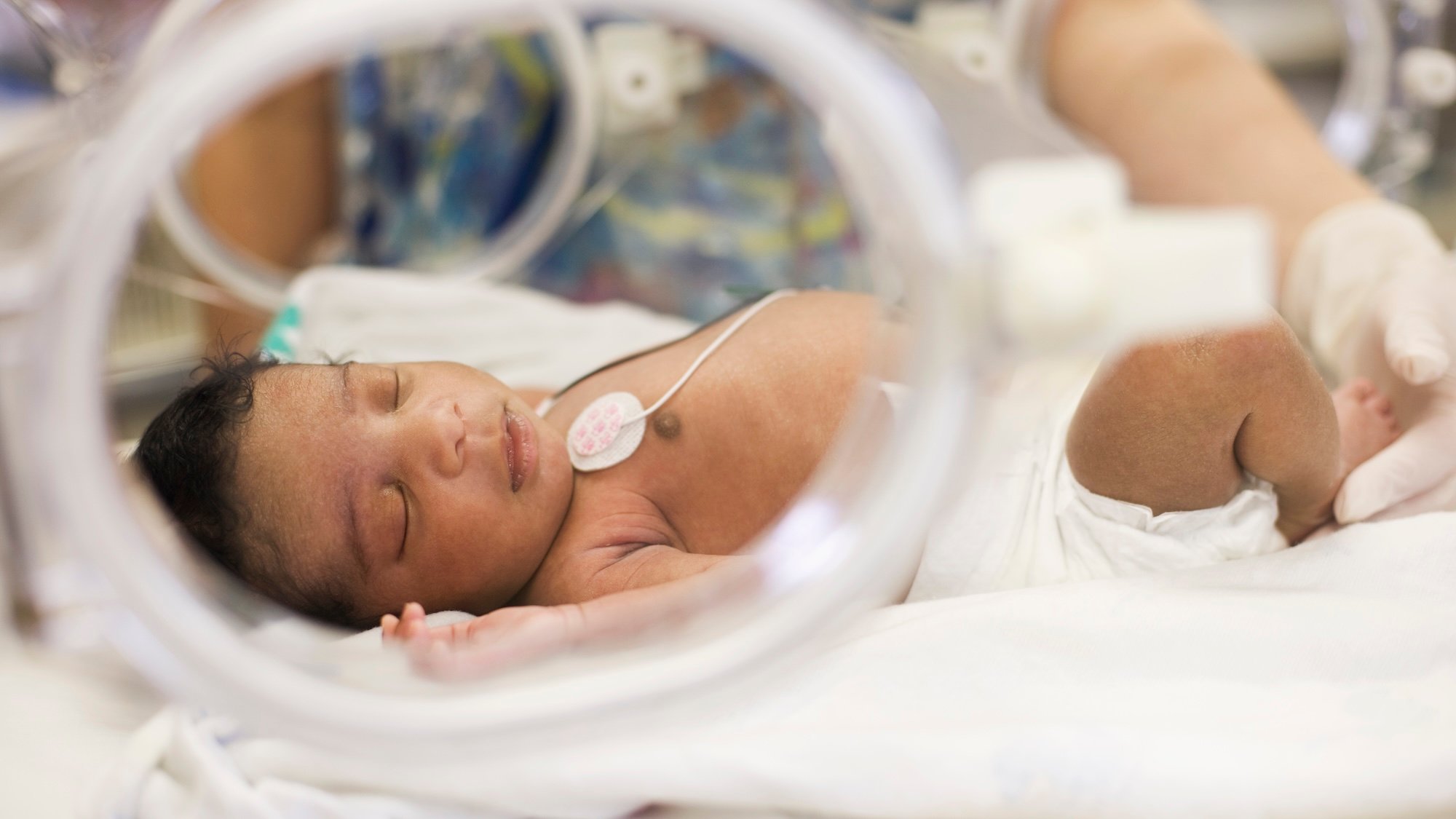
For decades, the neonatal intensive care unit (NICU) has represented a paradox of modern medicine: the rigid, high-tech incubators that save the lives of premature infants simultaneously create an artificial barrier between them and their parents. While traditional incubators are masterclasses in thermal regulation and infection control, their enclosed walls prevent the kind of intimate, biological connection that pediatricians and developmental psychologists now recognize as vital. However, a revolutionary medical device known as the Skincubator is poised to eliminate this compromise, offering a wearable solution that merges advanced life support with prolonged skin-to-skin contact.
The imperative for skin-to-skin care, often referred to as kangaroo mother care, is grounded in a robust body of clinical research. According to guidelines established by the World Health Organization (WHO), infants born prior to 37 weeks of gestation should ideally experience at least eight hours of direct skin-to-skin contact daily. This physical touch performs physiological heavy lifting: it regulates an infant’s autonomic nervous system, stabilizes body temperature, bolsters the developing immune system, and facilitates successful breastfeeding. Furthermore, numerous clinical studies have demonstrated that holding a premature infant significantly reduces the incidence of postpartum depression in mothers, fostering a vital psychological bridge during a period of acute medical stress.
Despite these proven benefits, traditional NICU infrastructure makes achieving the WHO’s eight-hour benchmark practically impossible. Preterm infants are frequently tethered to an intricate web of vital equipment, including mechanical ventilators, intravenous catheters, and arterial lines. Opening an incubator door to lift a fragile infant, whose weight may hover near or below two pounds, carries inherent clinical risks of thermal destabilization and accidental dislodgement of critical life-support lines. For generations, clinicians, nurses, and parents have navigated this difficult trade-off, forced to choose between the absolute clinical safety of an enclosed incubator and the developmental benefits of human touch.
The Genesis and Engineering of the Skincubator
Developed over a rigorous four-year research and design cycle, the Skincubator represents a paradigm shift in neonatal engineering. Rather than treating the incubator as a stationary piece of hospital furniture, its creators envisioned a portable, wearable microclimate system. The device functions concurrently as a mobile neonatal incubator and an ergonomic carrier, allowing parents to securely hold their premature children for hours at a time without compromising the continuous delivery of specialized medical care.
Engineering a wearable incubator required solving complex thermodynamic and mechanical challenges. The device maintains a precisely controlled microclimate, sustaining internal temperatures between 84.2 and 87.8 degrees Fahrenheit alongside a high relative humidity level of 70 to 90 percent. This specific environment is critical for preventing trans-epidermal water loss—a major vulnerability in extremely premature infants whose skin barrier is underdeveloped. Additionally, the system gently secures the infant in a stable, flexed fetal position, which promotes neuromuscular development and reduces physiological stress.
Crucially, the Skincubator is fully integrated with the necessary hardware of a modern NICU. It accommodates ventilator tubing, central lines, and monitoring electrodes, ensuring that uninterrupted telemetry and respiratory support continue while the baby rests against a parent’s chest. A specially engineered, retractable thermal pad slides beneath the infant with minimal disturbance, facilitating a seamless transition from the primary docking station to the wearable module.
Regulatory Milestones and International Trials
The path from concept to clinical reality involved extensive safety trials across multiple international medical centers, with particularly successful evaluations conducted in Germany. These trials focused on the physiological stability of infants during prolonged holding periods, measuring parameters such as heart rate variability, blood oxygen saturation, and core body temperature. The data consistently demonstrated that infants maintained optimal physiological stability while docked within the wearable Skincubator system.
In December 2025, these promising clinical outcomes culminated in a significant regulatory milestone when the United States Food and Drug Administration (FDA) awarded the Skincubator a Breakthrough Device designation. This specialized regulatory pathway is designed to expedite the development and review of medical devices that offer more effective treatment or diagnosis for life-threatening or irreversibly debilitating conditions. The FDA designation enables the manufacturer to collaborate closely with agency reviewers, accelerating the timeline for U.S. clinical implementation and commercial availability.
Following the regulatory clearance, Children’s Memorial Hermann Hospital in Houston, Texas, became one of the pioneering institutions to introduce the device to U.S. patients through monitored clinical evaluations. Tiffany Ikwuagwu, a mother of twins and the first U.S. trial participant at the Houston facility, shared her perspective on the experience in hospital documentation.
"This is a great invention," Ikwuagwu noted. "I think the fact that I can help regulate the babies’ heart [rates] and help the babies relax, and just have that connection to them, is very special."
Broader Implications for Neonatal Medicine

The introduction of wearable neonatal technology arrives at a critical juncture for maternal and child health systems. Premature birth remains a leading cause of neonatal morbidity and mortality globally. According to data from the Centers for Disease Control and Prevention (CDC), preterm birth affects approximately one in every ten infants born in the United States alone. While survival rates for premature infants have climbed steadily over the past three decades due to advancements in neonatal pharmacology and ventilation, the psychological and developmental toll on families has received comparatively less technological innovation.
Medical analysts point out that devices like the Skincubator address a profound blind spot in traditional hospital design: the psychological and neurological welfare of both the infant and the parents. Prolonged separation in the NICU is strongly correlated with elevated rates of parental anxiety, post-traumatic stress disorder, and bonding difficulties. By facilitating early, continuous skin-to-skin contact under safe clinical conditions, the device actively mitigates these psychological harms while supporting the infant’s neurodevelopmental trajectory.
Furthermore, integrating such technology into standard NICU protocols may yield long-term healthcare cost reductions. Infants who experience stable thermoregulation, reduced physiological stress, and improved feeding outcomes frequently exhibit shorter lengths of stay in intensive care units. Given that NICU hospitalization represents one of the highest per-capita expenditures in modern healthcare—often totaling tens of thousands of dollars per day—innovations that streamline recovery while enhancing quality of care carry substantial economic significance.
Future Outlook and Collaborative Expansion
As the Skincubator transitions from trial phases toward broader adoption, its developers are actively forging partnerships with major academic medical centers and specialized children’s hospitals across North America and Europe. The primary objective for the coming fiscal year is to scale manufacturing capabilities to meet anticipated hospital demand while conducting post-market surveillance studies to gather longitudinal health data on participating infants.
Hospital administrators and neonatologists are also examining the educational frameworks required to safely implement wearable incubators at scale. Training nursing staff to manage the transition from stationary incubators to wearable systems requires updated clinical protocols, emphasizing patient safety, equipment management, and parental coaching.
Ultimately, the Skincubator challenges the historical architecture of intensive care by proposing that advanced medical technology does not need to isolate patients from human touch. By fusing the microclimate precision of a neonatal incubator with the biological imperatives of skin-to-skin contact, the medical community stands on the threshold of a more humane, holistic era in neonatal medicine—one where the healing power of parental touch is clinically supported, rather than restricted, by the machines that sustain life.