
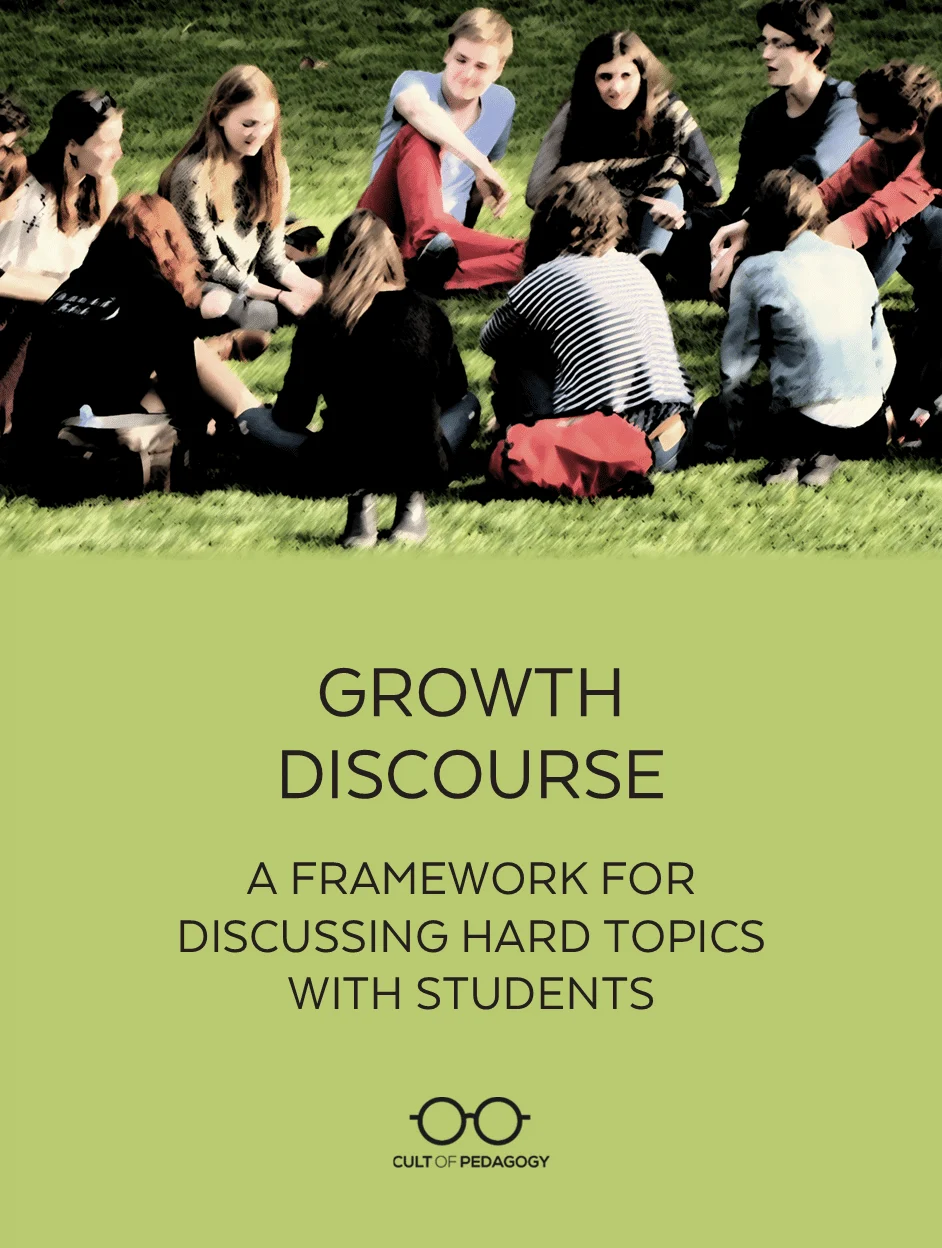
In an era increasingly defined by profound societal divisions and the rapid escalation of disagreements into emotional minefields, the ability to engage in productive dialogue across ideological divides has become an urgent necessity. This pervasive challenge, which often transforms differing opinions into severed relationships and intractable conflict, has spurred a search for effective methodologies to foster constructive communication. One promising solution, the "growth discourse" framework, developed and refined at the School for Ethics and Global Leadership (SEGL), offers a structured approach to equip individuals, particularly young leaders, with the skills to navigate complex and sensitive topics with courage, honesty, and a commitment to mutual understanding and personal development.
The Genesis of Ethical Leadership and Growth Discourse at SEGL
The School for Ethics and Global Leadership (SEGL), founded in 2009 by Noah Bopp, emerged from a recognition of the growing need for young people to develop sophisticated ethical reasoning, robust leadership capabilities, and a nuanced understanding of international affairs. As a semester-long residential program designed for high school juniors from across the United States, SEGL’s mission is ambitious: to graduate students who are not only prepared but actively driven to effect positive change in the world. Central to achieving this mission is the cultivation of growth discourse, an innovative approach to discussion that consciously moves beyond mere "civility" to challenge participants towards genuine intellectual and personal growth, even when confronting deeply held, divergent viewpoints.
Bopp explains that the framework’s name itself, "growth discourse," is a deliberate choice, intended to shift the mindset of participants. While "civil discourse" often implies simply maintaining decorum or avoiding offense, growth discourse prioritizes learning and expansion. "A lot of people are talking about civil discourse these days. But some people are asking, Why do I need to be civil in a time like this? We believe discourse that helps you grow is essential to our meaningful lives and is also central to a functioning civic ensemble," Bopp stated in a recent interview. For students, this reframing means approaching conversations not just as an exchange of opinions, but as an opportunity for personal and intellectual advancement. For educators, the goal transcends simply managing classroom dynamics; it becomes about creating an environment where every discussion serves as a catalyst for student development. The framework explicitly acknowledges the powerful role emotions and vulnerability play in these conversations, while simultaneously championing the courage and honesty required to advance them. Its straightforward nature makes it a replicable model for educators seeking to enhance the quality of discussions in their own classrooms, a critical need in today’s educational landscape.
Navigating Nuance: Beyond "Bothsidesism" in Critical Conversations

A significant challenge in fostering open dialogue on contentious issues is avoiding the trap of "bothsidesism" – the erroneous practice of presenting opposing viewpoints as equally valid, even when one side lacks substantial evidence or moral grounding. SEGL’s curriculum is meticulously designed to circumvent this pitfall. Bopp clarifies SEGL’s principled stance: "SEGL is nonpartisan. SEGL is not neutral." This distinction is crucial. The school does not advocate for a particular political party or ideology, but it also does not treat all arguments as equally legitimate.
For instance, foundational historical truths or scientific consensus are not subjected to open debate. "We don’t say, ‘The Holocaust, good or bad, you decide,’ right? We don’t say in our science classrooms, ‘Climate change, is that real or not real?’" Bopp emphasizes. Instead, when topics arise where "reasonable, educated people are disagreeing," SEGL equips students with robust critical thinking skills. They learn to evaluate arguments rigorously, to discern credible evidence, and to engage with the strongest possible arguments from different perspectives. The objective is to teach students how to think, rather than what to think. This pedagogical philosophy guards against intellectual shortcuts that could render students susceptible to demagoguery, a particular concern in an age saturated with misinformation and polarized rhetoric. By focusing on the process of critical inquiry, SEGL empowers students to form their own informed conclusions, rather than passively adopting predetermined viewpoints.
The Foundational Principles of Growth Discourse
The growth discourse framework is built upon several interconnected principles, each designed to create a supportive yet challenging environment for deep learning and ethical engagement. These principles are not merely theoretical guidelines but are actively integrated into SEGL’s daily programming and classroom interactions.
-
Begin with Belonging:
The cornerstone of any productive dialogue, particularly on sensitive subjects, is a pervasive sense of belonging among all participants. Before students can engage in challenging conversations, they must feel seen, valued, and secure within the community. SEGL achieves this through multiple avenues: explicit statements about inclusivity in their discourse guidelines, intentional recruitment of a diverse student body and faculty representing a wide array of backgrounds and viewpoints, and structured activities that encourage students to share their identities, histories, and personal narratives. This deliberate cultivation of diversity ensures that multiple perspectives are naturally present, enriching discussions, while the emphasis on belonging ensures that no student feels marginalized or excluded when challenging topics are addressed. As Bopp notes, "If we have a really homogenous group of students, it’s very hard for us to address a difficult topic… But if I can set up an environment where I have students who represent many different backgrounds and many different points of view, and I show those students that they all belong here, then I can create an environment where those students are not on edge when we’re having these conversations." This psychological safety is paramount for genuine vulnerability and openness. -
Value Intent and Impact:
Discussions on sensitive issues frequently encounter the complex interplay between a speaker’s intention and the actual impact of their words. It is common for individuals to unintentionally cause hurt or offense, leading to debates about whether intent or impact holds greater weight. The growth discourse model insists that both are critically important. Using "Oh, I’m so sorry, that wasn’t my intent," as a "get out of jail free card" absolves one of responsibility for the harm caused and indicates a lack of reflection on the broader implications of one’s communication. Conversely, assigning malicious motives to another based solely on one’s emotional reaction, without curiosity or inquiry into their actual intent, can lead to misjudgment and further entrenchment of conflict. The framework encourages participants to reflect on the potential impact of their words before speaking and, when harm occurs, to acknowledge that impact regardless of intent, while also fostering a culture where individuals are encouraged to inquire about intent rather than immediately assume malice. This dual emphasis promotes both accountability and empathy, moving conversations beyond mere blame to constructive understanding and repair.
-
Avoid Echo Chambers:
Human psychology often leads individuals to seek out and gravitate towards those who share similar beliefs, creating "echo chambers" where existing views are reinforced, and dissenting opinions are rarely encountered. While seeking affinity groups for support can be valuable, an exclusive reliance on such chambers severely limits intellectual and personal growth. SEGL recognizes this natural tendency but actively challenges students to break free from it. The program encourages students to engage with diverse perspectives not to abandon their own beliefs, but to refine them, understand alternative rationales, and ultimately strengthen their capacity for persuasive and empathetic communication. "It makes sense that sometimes you need to go to people with whom you share some things, some ideas, some identity," Bopp explains, "but at SEGL, we go to those conversations not to disengage, but to figure out how do we re-engage." This principle is vital in an era where social media algorithms and partisan news outlets often deepen ideological divides by creating insular information bubbles. -
Follow the STAR Model:
Inspired by Harvard’s Project Zero Thinking Routines, the STAR model is a critical thinking framework adapted by SEGL to guide students through complex ethical dilemmas. It encourages a structured approach to understanding and responding to situations before making judgments, a fundamental skill for ethical leadership. The model comprises four sequential parts:- SEE: This initial phase emphasizes comprehensive observation and understanding before judgment. Students are prompted with questions like, "What can I see? What can I understand before I judge? What do the experts say? What voices are missing from this conversation? How can we find those voices before we decide what we think?" The goal is to gather as much information and as many perspectives as possible, ensuring a thorough grasp of the situation’s complexities. This stage actively counters the impulse to jump to conclusions based on limited information or preconceived notions.
- THINK: After thoroughly "seeing" the situation, students are challenged to form their own informed opinions. This stage moves beyond mere observation to critical analysis: "Ultimately, and particularly as a leader, you do have to decide, what do I think about this situation? Is it good? Is it bad? Is it right? Is it wrong?" This requires synthesizing information, applying ethical frameworks, and articulating a reasoned position.
- ACT: A crucial addition by SEGL to the Project Zero curriculum, the "ACT" phase translates thought into tangible action, a vital component for leadership development. "Once you decide what you think… as leaders, we have to decide what to do, how to act. We have to decide, do we vote for or do we vote against? Do we cheat on the test? Do we not cheat on the test? Do we lie to protect our friend or do we tell the truth? We have to act in the world." This component forces students to grapple with the practical implications of their ethical reasoning and commit to a course of action.
- REFLECT: The final stage encourages self-assessment and continuous learning. "We want to reflect on what we just did. Did we like it? Did we not like it? What was the response that we got? What might we do next time?" This reflective practice is cyclical; the insights gained from reflection become part of the "SEE" stage for future similar situations, creating a feedback loop that fosters ongoing growth and refinement of ethical decision-making.
Practical Advice for Teachers Implementing Growth Discourse
For educators eager to integrate the growth discourse model into their own classrooms, Noah Bopp offers three key recommendations, emphasizing a gradual, intentional, and model-based approach:
- Start Small and Build Gradually: Instead of immediately tackling the most polarizing topics, teachers are advised to begin with less emotionally charged issues. This allows students to practice the framework’s principles and build confidence in a lower-stakes environment. For example, a discussion about a local community issue or a fictional ethical dilemma from literature could serve as an excellent starting point. As students become more comfortable with the process and develop trust within the classroom community, the complexity and sensitivity of the topics can be incrementally increased. This scaffolding approach ensures that foundational skills are established before higher-level challenges are introduced.
- Model the Behavior Explicitly: Teachers are not just facilitators; they are primary models for growth discourse. It is crucial for educators to demonstrate vulnerability, curiosity, and a willingness to engage with differing viewpoints. This means actively listening, asking clarifying questions, acknowledging when their own perspectives are challenged, and showing respect for all participants. When teachers openly reflect on their own thinking process, admit uncertainties, or revise their understanding based on new information, they powerfully illustrate the "growth" aspect of the discourse. Such modeling creates a classroom culture where intellectual humility and open-mindedness are valued.
- Teach the Framework Explicitly: Growth discourse is not an intuitive process for most students, especially in a world that often rewards quick judgments and unwavering certainty. Therefore, the principles and the STAR model must be taught directly and explicitly. This involves dedicated lessons on each principle, guided practice sessions, and consistent reinforcement. Teachers should provide clear rubrics or checklists for effective participation in growth discourse, offering feedback that focuses not just on content, but on the process of engagement. Regular check-ins and opportunities for meta-reflection on how the discussions are unfolding can also help students internalize the framework and apply it effectively.
Broader Implications and the Cultivation of Good
The implementation of frameworks like growth discourse holds significant implications beyond individual classrooms. In a global landscape grappling with escalating political polarization, social fragmentation, and a perceived decline in civic engagement, the ability to engage in productive dialogue is not merely an academic skill but a critical civic imperative. Data from organizations like the Pew Research Center consistently highlight rising partisan animosity and decreasing trust in institutions, underscoring the urgent need for citizens equipped to bridge divides rather than deepen them.

SEGL’s approach directly addresses these challenges by preparing a generation of leaders who can navigate complexity, engage with empathy, and act with ethical conviction. By fostering critical thinking and communication skills, growth discourse empowers students to become informed participants in democratic processes, capable of distinguishing facts from propaganda and engaging respectfully with those who hold different beliefs. It counters the trend of intellectual silos by actively promoting intellectual bravery and the pursuit of deeper understanding.
At the conclusion of his interview, Bopp was asked about his optimism regarding humanity’s capacity to overcome the current chapter of intense division. His affirmative response was immediate and profound, rooted in a quote from Plato’s Republic: "Education is not about putting sight into blind eyes." Bopp elaborates on this, explaining, "The effective educator assumes that the power to learn is already present in the soul of the learner… And that means the goal of the educator is to give the learner places to look and questions to ask."
This philosophy underpins the entire growth discourse model. It is a belief that within every individual resides an inherent capacity for goodness, reason, and growth. By providing students with "places to look" – the pressing global challenges of our time – and "questions to ask" – the timeless ethical inquiries that transcend culture and language – educators can unlock this latent potential. "I have enormous faith that… the goodness that is already present in the learner will be uncovered. I have a fundamental belief in the goodness of every human being. Maybe that’s naive. But it sure helps me as a teacher and it sure helps me these days," Bopp concludes. This enduring optimism, coupled with a robust, practical framework like growth discourse, offers a compelling vision for education as a powerful force for unity, understanding, and positive societal transformation.
Educators and institutions interested in exploring the growth discourse framework further can find support and resources directly from the SEGL faculty. Inquiries can be made through their official website or by contacting Noah Bopp directly via email. This framework stands as a beacon of hope, demonstrating that even in the most divided times, deliberate pedagogical innovation can equip future generations to build a more cohesive and ethically grounded world.