



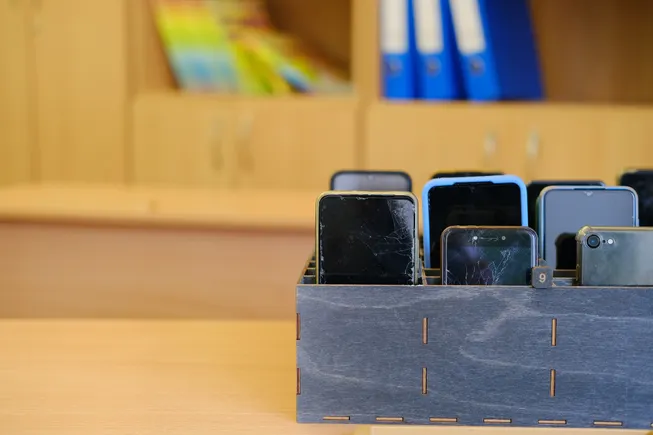
A comprehensive, 108-page study by the National Bureau of Economic Research (NBER) has provided the first national-scale analysis of the impact of student cellphone bans in U.S. middle and high schools. The research, which focused on schools utilizing Yondr, a provider of lockable cellphone pouches, indicates that while initial implementation of such policies can lead to temporary increases in suspension rates and a decline in student well-being, these negative effects tend to dissipate in subsequent years. Conversely, the study found minimal positive impact on academic achievement and other key indicators like attendance and perceived online bullying in the initial three years.
The research, conducted over a period from January 2019 to January 2026, analyzed data from approximately 40,542 schools. This included GPS "pings" from cellphones, which revealed an 80% decline in students’ reported personal cellphone use in classrooms following the adoption of Yondr policies. By the third year after implementation, total GPS pings from school locations saw a 30% decrease, a trend the researchers deemed "substantial" in reflecting reduced cellphone activity. However, the study authors cautioned that this GPS data includes pings from adults’ devices and that even locked Yondr pouches can generate pings when the device is powered on.
Initial Challenges and Long-Term Trends
The initial year of cellphone restrictions presented notable challenges for participating schools. Researchers observed an uptick in suspension rates and a decrease in student well-being during this period. Thomas Dee, a co-author of the NBER study and the Barnett Family Professor at Stanford University’s Graduate School of Education, suggested that these initial disruptions could be attributed to student resistance to compliance and potential withdrawal symptoms from constant digital connectivity. "This is such an important issue. There are some encouraging results in this early national study that I think should motivate us to stay in the fight and figure out how to get it right," Dee stated, emphasizing the need for sustained effort rather than premature abandonment of these policies.
Despite these initial hurdles, the study’s longitudinal data indicated a gradual normalization. The negative effects on well-being and discipline challenges eventually subsided. However, the impact on academic achievement proved more complex. While high schools showed modest positive effects, particularly in mathematics, middle schools experienced small negative impacts in academic performance during the first three years post-policy implementation.
Academic Achievement and Other Indicators: A Mixed Picture
The NBER study’s findings on academic achievement suggest that the primary goal of many cellphone bans—enhancing focus and learning—may not materialize immediately or uniformly. The research found little evidence that cellphone restrictions positively impacted self-reported classroom attention, attendance rates, or perceptions of online bullying. This suggests that while the physical presence and use of cellphones in classrooms may be reduced, the broader educational environment and student engagement are influenced by a multitude of factors.
The study’s reliance on multiple data sources, including school administrative records and surveys from education technology companies like Panorama Education, provides a robust, multi-faceted view. Contributions to the research came from esteemed institutions including Duke University, Stanford University, the University of Michigan, and the University of Pennsylvania, lending significant weight to its findings.
The Broader Landscape of Cellphone Restrictions in Schools
The implementation of cellphone bans in schools is part of a larger national trend. As of the study’s timeframe, 34 states had enacted or were considering legislation to ban or limit cellphones in classrooms. Florida was a pioneer in this movement, enacting statewide restrictions in 2023. Proponents of these policies often cite the pervasive nature of digital distractions in the classroom, arguing that cellphones contribute to social media overuse and detract from instructional time.
However, public opinion, particularly among students, remains divided. Polling by the Pew Research Center released earlier in the year indicated that only 41% of middle and high school students supported classroom cellphone bans, highlighting a significant generational gap in perspectives on device use during school hours.
Perspectives from Parents and Advocates
Beyond student sentiment, parents and advocacy groups have also voiced concerns and offered alternative viewpoints. A February 2024 poll by the National Parents Union (NPU) found that 56% of surveyed parents believed students should have access to their phones during specific times, such as lunch breaks or for teacher-approved academic purposes.
Keri Rodrigues, co-founder and founding president of the NPU, articulated a nuanced position, stating, "We were not asking for chaos in classrooms. We were asking for two things: don’t shut down the line of communication between a parent and a child during a school shooting, and use professional classroom management instead of treating phones like contraband." This perspective underscores the importance of maintaining parental communication channels and advocating for effective pedagogical strategies over outright prohibition.
Furthermore, disability rights advocates have raised significant concerns about the potential impact of blanket cellphone restrictions on students with disabilities. These students often rely on their devices as assistive technology, integral to their Section 504 plans or individualized education programs (IEPs). Limiting access to these tools could inadvertently hinder their educational progress and participation.
Analysis and Future Directions
The NBER study’s findings, particularly the initial rise in disciplinary actions, suggest a critical need for careful implementation and ongoing support for these policies. Thomas Dee highlighted that student behavior might worsen initially due to a perceived "withdrawal" from constant connectivity, and the compliance issues themselves could lead to increased disciplinary incidents.
Dee stressed that the study’s outcomes underscore the necessity for continued, granular research. He advocated for school-building level analyses to better understand the unique impact of cellphone bans within diverse communities. Such localized insights, he believes, can inform adjustments to policy logistics and guide more effective teacher training in classroom management. "I think real change happens at the grassroots level, and principals and teachers are going to understand the character of the challenge in their building and in their classrooms in ways I can’t see in district, state and national data," Dee remarked.
Rather than advocating for the abandonment of cellphone restrictions, Dee encourages educators and policymakers to examine successful strategies employed by schools that have effectively managed device use and provided robust support to classroom teachers. He views the challenge of educating students in the digital age as one of the most significant issues in child development, requiring sustained and dedicated attention. "This challenge – how to educate students in a digital age – is arguably the major challenge in child development. So we should bring to it our best and most sustained attention," Dee concluded.
The NBER study serves as a critical benchmark in the ongoing debate surrounding student cellphone use in schools. It provides empirical evidence that, while initial implementation can be challenging, a long-term perspective and adaptive strategies may be key to realizing the intended benefits of reducing distractions and fostering more focused learning environments. The research implicitly calls for a balanced approach that considers student well-being, academic progress, parental concerns, and the needs of all learners, including those with disabilities, in the evolving digital landscape of education.