


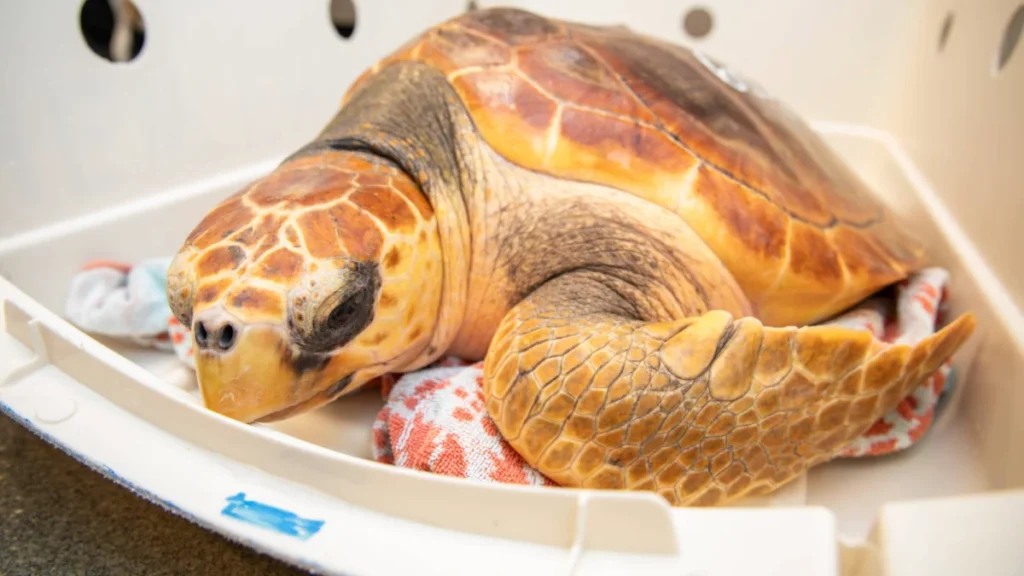
The New England Aquarium’s Sea Turtle Hospital in Quincy, Massachusetts, has officially transitioned dozens of rescued sea turtles into their long-term rehabilitation phase, a milestone marked by the annual tradition of assigning a thematic naming convention to the patients. This year, the animal care team selected "famous fonts" as the inspiration for the names of the 58 sea turtles currently under their care. Among the residents are individuals now known as Helvetica, Verdana, Cavolini, Franklin, Chunk, and Pretty Princess. These turtles represent the survivors of a massive "cold stunning" event that occurred over the 2023–2024 winter season, which saw nearly 500 live sea turtles wash ashore along the complex coastline of Cape Cod Bay.
The naming of these animals is more than a whimsical exercise; it serves as a clinical marker indicating that the turtles have survived the perilous "triage" phase of their recovery. When these animals first arrive at the facility, they are often in a state of physiological collapse. By the time they receive names like Helvetica—a robust loggerhead—or Franklin—a critically endangered Kemp’s ridley—they have stabilized enough for staff to look toward a months-long recovery process and eventual release back into the wild.
The Biological Mechanics of Cold Stunning
The phenomenon known as cold stunning is a form of hypothermia specific to sea turtles, which are ectothermic, or cold-blooded, reptiles. Their internal body temperature is dictated by the temperature of the surrounding water. In the unique geography of the Northeast United States, particularly the "hook" of Cape Cod, water temperatures can drop with lethal speed during the autumn and winter months.
When water temperatures fall below 50 degrees Fahrenheit (10 degrees Celsius), the turtles’ heart rates and respiratory systems slow to a crawl. They become lethargic and lose the ability to swim or navigate. In this state of metabolic shutdown, they often float helplessly on the surface, at the mercy of winds and currents that eventually push them onto the beaches of Cape Cod Bay. Without human intervention, these turtles would succumb to the elements, predation, or secondary infections.
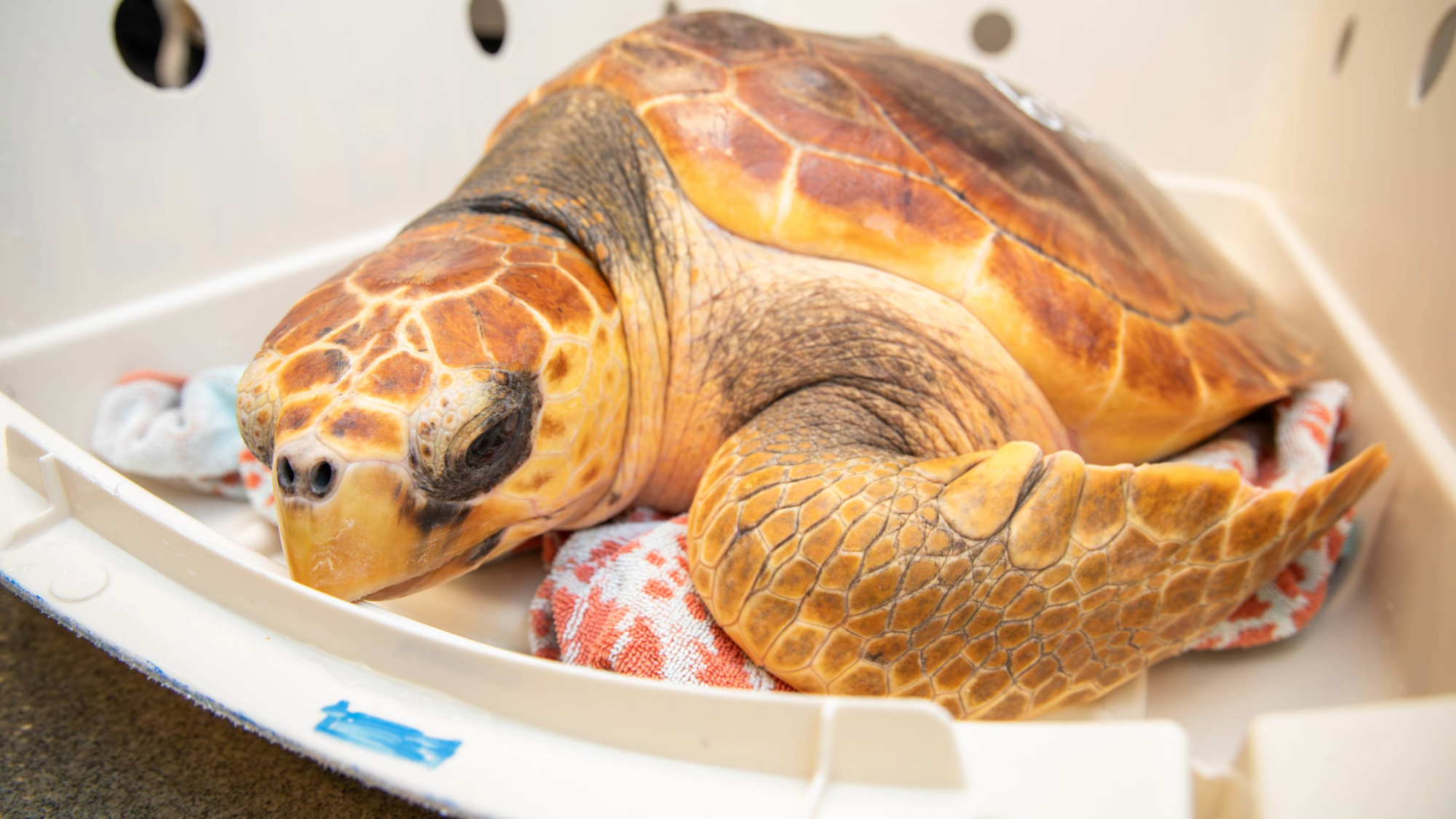
This year’s rescue efforts were particularly intensive. The New England Aquarium reported that nearly 500 live turtles were recovered from the shores. While many were stabilized and transferred to secondary rehabilitation facilities across the country to make room for new arrivals, 58 of the most medically complex cases remained at the Quincy facility.
A Chronology of Rescue and Recovery
The 2023–2024 cold stunning season followed a predictable yet grueling timeline for conservationists. The first strandings typically begin in late October or early November as the first cold fronts move through the region. Volunteers from the Mass Audubon Wellfleet Bay Wildlife Sanctuary patrol the beaches during high tides, searching for turtles obscured by seaweed or debris.
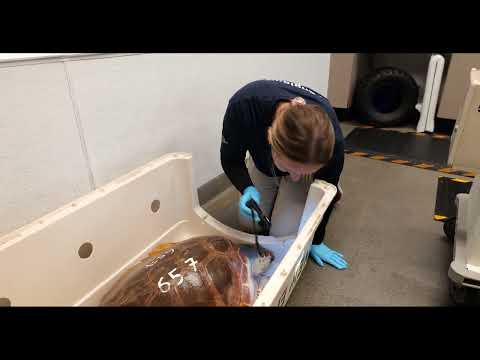
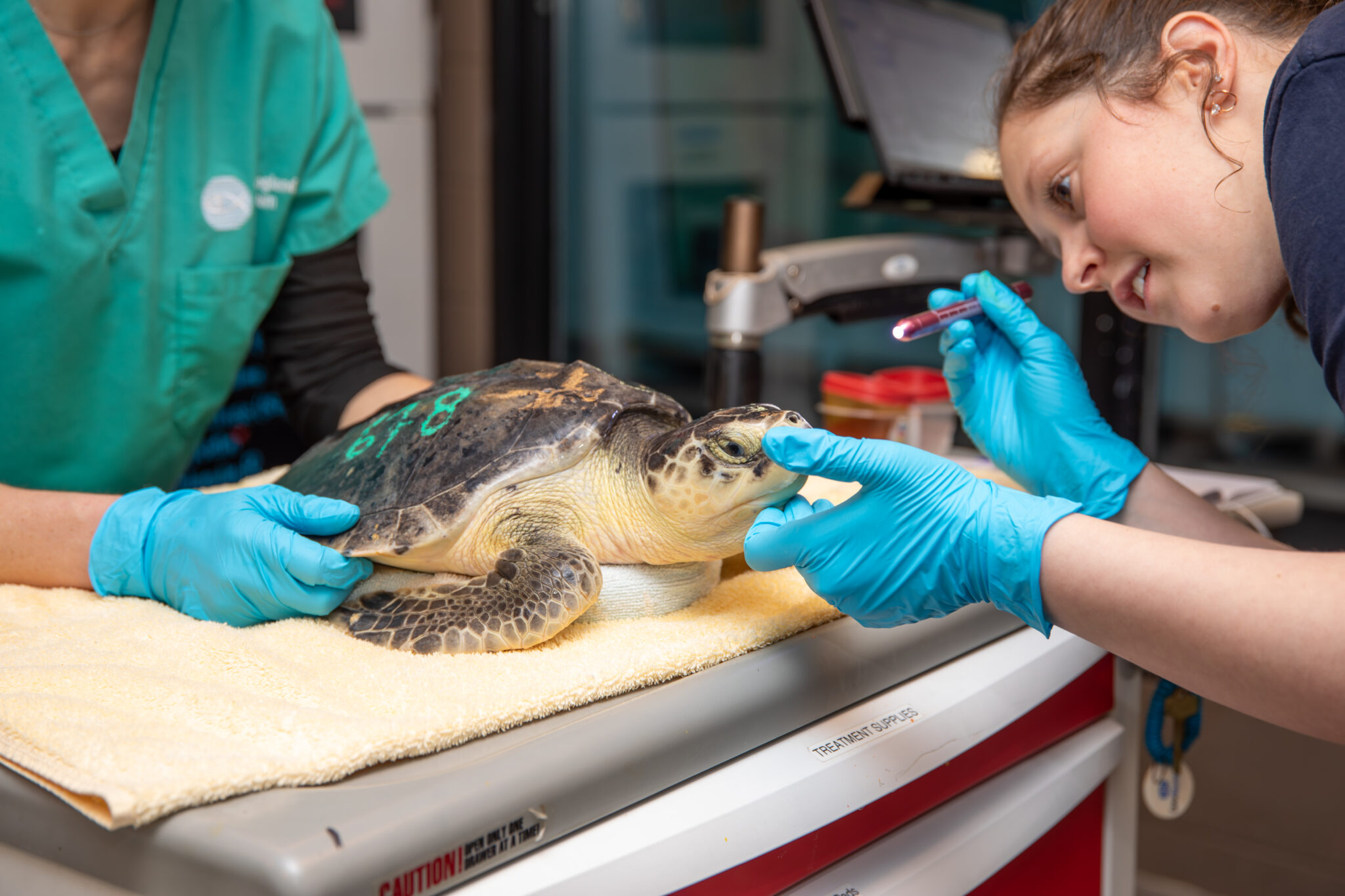
Upon discovery, the turtles are transported to the New England Aquarium’s Sea Turtle Hospital. The initial 24 to 48 hours are critical. The medical team must slowly raise the turtles’ body temperatures—usually by only a few degrees per day—to avoid "rewarming shock," which can be fatal. During this triage phase, the turtles are identified by numbers rather than names.
Once stabilized, the clinical focus shifts to the myriad of secondary health issues caused by their ordeal. Many of the turtles currently named after fonts are suffering from pneumonia, a common result of inhaling cold seawater. Others have shell fractures sustained from being tossed against rocks or debris in the surf. More insidious are the infections that settle into the joints (osteomyelitis) or the blood (sepsis), requiring months of targeted antibiotic therapy and physical therapy.
Species Profiles: The Patients Behind the Names
The turtles currently in rehabilitation represent several species, each with its own conservation status and medical needs.
The Kemp’s Ridley (Lepidochelys kempii)
The majority of the turtles rescued in the Northeast are Kemp’s ridleys, the smallest and most endangered sea turtle species in the world. Named "Cavolini" and "Franklin" in this year’s cohort, these turtles are particularly vulnerable to cold stunning due to their juvenile status. Young Kemp’s ridleys often forage in the nutrient-rich waters of the North Atlantic during the summer but can become trapped by the geography of Cape Cod as they attempt to migrate south for the winter.
The Loggerhead (Caretta caretta)
Loggerheads, such as "Helvetica" and "Pretty Princess," are significantly larger than Kemp’s ridleys. Because of their greater body mass, they tend to retain heat longer and often strand later in the season than their smaller counterparts. However, their size also makes their rehabilitation more resource-intensive, requiring larger tanks and more significant doses of medication. Loggerheads are listed as a threatened species, and the recovery of even a single breeding-age individual is considered a major win for the population.
Clinical Observations and Official Responses
Sammi Chaves, a rescue biologist at the New England Aquarium, noted that the naming process provides a much-needed boost to the staff and volunteers who work around the clock during the winter months. "The time of year when we get to name the turtles always brings a lot of joy to the whole team," Chaves stated in a press release. She emphasized that the names signify a shift in the care plan from emergency stabilization to long-term healing. "Many are still undergoing significant medical treatments and diagnostics, but they have made such progress from when they first arrived."
The medical regimen for these turtles is sophisticated. The Sea Turtle Hospital utilizes advanced diagnostics, including X-rays, ultrasounds, and blood chemistry analysis, to monitor the internal health of the animals. For turtles with shell damage, veterinarians may use specialized resins or even "turtle-safe" orthopedic hardware to ensure the shell heals correctly, maintaining its structural integrity for the turtle’s life in the open ocean.
The Geography of the "Cape Cod Trap"
The high frequency of cold stunning in Massachusetts is largely due to the unique shape of Cape Cod. The peninsula extends 65 miles into the Atlantic Ocean in a "flexed arm" shape. Sea turtles that enter Cape Cod Bay during the summer to feed on crabs and mollusks find themselves unable to navigate around the northern tip (Provincetown) when it comes time to migrate south in the autumn.
As the landmass acts as a barrier, the turtles become "trapped" in the bay. When the shallow waters of the bay lose heat rapidly, the turtles have nowhere to go. This geographic trap has made the New England Aquarium one of the busiest sea turtle rescue centers in the world. Over the last decade, the number of stranded turtles has trended upward, a phenomenon scientists are closely monitoring.
Broader Implications: Climate Change and Conservation
While cold stunning is a natural occurrence, the scale and frequency of these events in recent years have raised concerns among marine biologists. Analysis suggests that as the Gulf of Maine warms faster than almost any other part of the global ocean, sea turtles are venturing further north than they historically have. When the inevitable winter chill arrives, more turtles are caught in northern waters than in previous decades.
The work performed by the New England Aquarium is a vital component of a larger conservation network. By rehabilitating and releasing these animals, the facility helps bolster the populations of species that are already facing threats from habitat loss, plastic pollution, and accidental capture in fishing gear (bycatch). The successful return of 58 turtles to the wild represents a significant contribution to the genetic diversity and future stability of these species.
The Road to Release
The turtles named Helvetica, Verdana, and their peers still have several months of recovery ahead. They will spend the spring in large, temperature-controlled tanks, where they are encouraged to swim, dive, and forage for food to regain their strength and muscle tone. The staff monitors their "buoyancy control"—the ability to submerge and surface correctly—which is often compromised by lung infections.
The final stage of the process occurs in the summer, typically in July or August. Once the Atlantic waters off the coast of Massachusetts have warmed sufficiently, the aquarium staff will transport the turtles to the Nantucket Sound or the beaches of Cape Cod for release. This event, often attended by the public and the volunteers who found the turtles months earlier, marks the completion of a journey that began on a frozen beach and ends with a return to the sea. Until that day, the "font" cohort remains under the watchful eyes of the Quincy medical team, serving as a testament to the resilience of marine life and the dedication of the humans who protect it.