
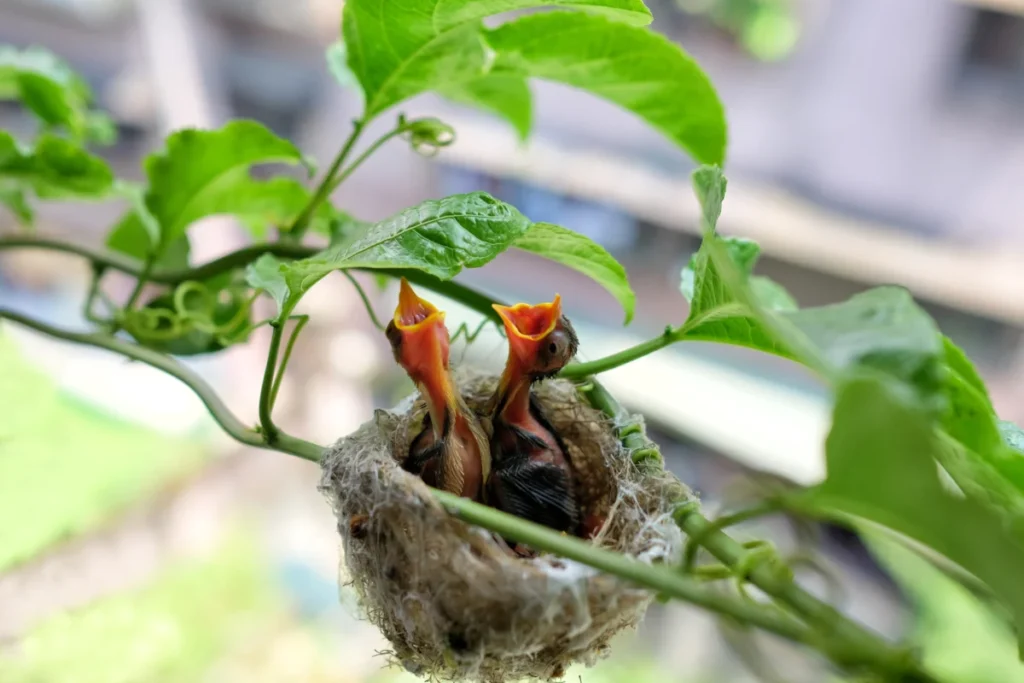
As the Northern Hemisphere transitions into the spring season, the resurgence of avian activity serves as a primary indicator of ecological shifts. For millions of households, this period marks the return of vibrant plumage and complex birdsong to backyards and local parks. However, as human-bird interactions increase, so does the prevalence of long-standing myths that frequently dictate how the public engages with local wildlife. While these misconceptions often stem from a well-intentioned desire to protect animals, scientific research from institutions such as Oregon State University and the Cornell Lab of Ornithology suggests that many common anxieties regarding bird feeding and handling are unsubstantiated. By examining the data surrounding avian dependency, digestive physiology, and sensory perception, a clearer picture emerges of how humans can best coexist with their feathered neighbors without causing unintended harm.
The Myth of Nutritional Dependency in Songbirds
One of the most pervasive concerns among bird enthusiasts is the fear that providing supplemental food will render wild birds incapable of foraging independently. This "dependency trap" is a documented phenomenon in larger mammals, such as bears or primates, where habituation to human food sources leads to a loss of natural hunting or foraging skills and increases the likelihood of dangerous human-wildlife conflicts. However, ornithological research indicates that songbirds do not follow this behavioral pattern.
A landmark 2021 study published in the Journal of Avian Biology by researchers at Oregon State University provided empirical evidence to soothe these concerns. The research team, led by animal ecologist Jim Rivers, utilized Radio Frequency Identification (RFID) technology to track the feeding habits of black-capped chickadees (Poecile atricapillus). To test the limits of dependency, researchers clipped the flight feathers of certain birds to increase the metabolic cost of flight, theoretically making them more reliant on easily accessible bird feeders.
The results demonstrated that even when flight was made more strenuous, the birds did not become exclusively reliant on human-provided seed. Supplemental food typically accounted for only a small fraction of the birds’ total caloric intake. Once their feathers regrew, the birds immediately returned to their natural foraging patterns, seeking out wild seeds, berries, and invertebrates. This suggests that for songbirds, feeders act as a "buffer" or a convenient snack rather than a primary life-support system. In a broader ecological context, this data implies that temporary cessation of feeding—such as when a homeowner goes on vacation—is unlikely to result in the starvation of local bird populations, provided the surrounding habitat remains healthy.
Exploding Birds and the Wedding Rice Urban Legend
Few myths are as persistent or as visually dramatic as the claim that uncooked rice causes birds’ stomachs to expand and explode. This legend gained significant cultural traction in the late 20th century, leading to many wedding venues banning the tradition of throwing rice in favor of birdseed or bubbles. The origin of the myth is often traced back to a 1985 legislative push in Connecticut, where a state representative proposed a ban on rice at weddings specifically to protect birds. While the bill did not pass, the publicity cemented the idea in the public consciousness.
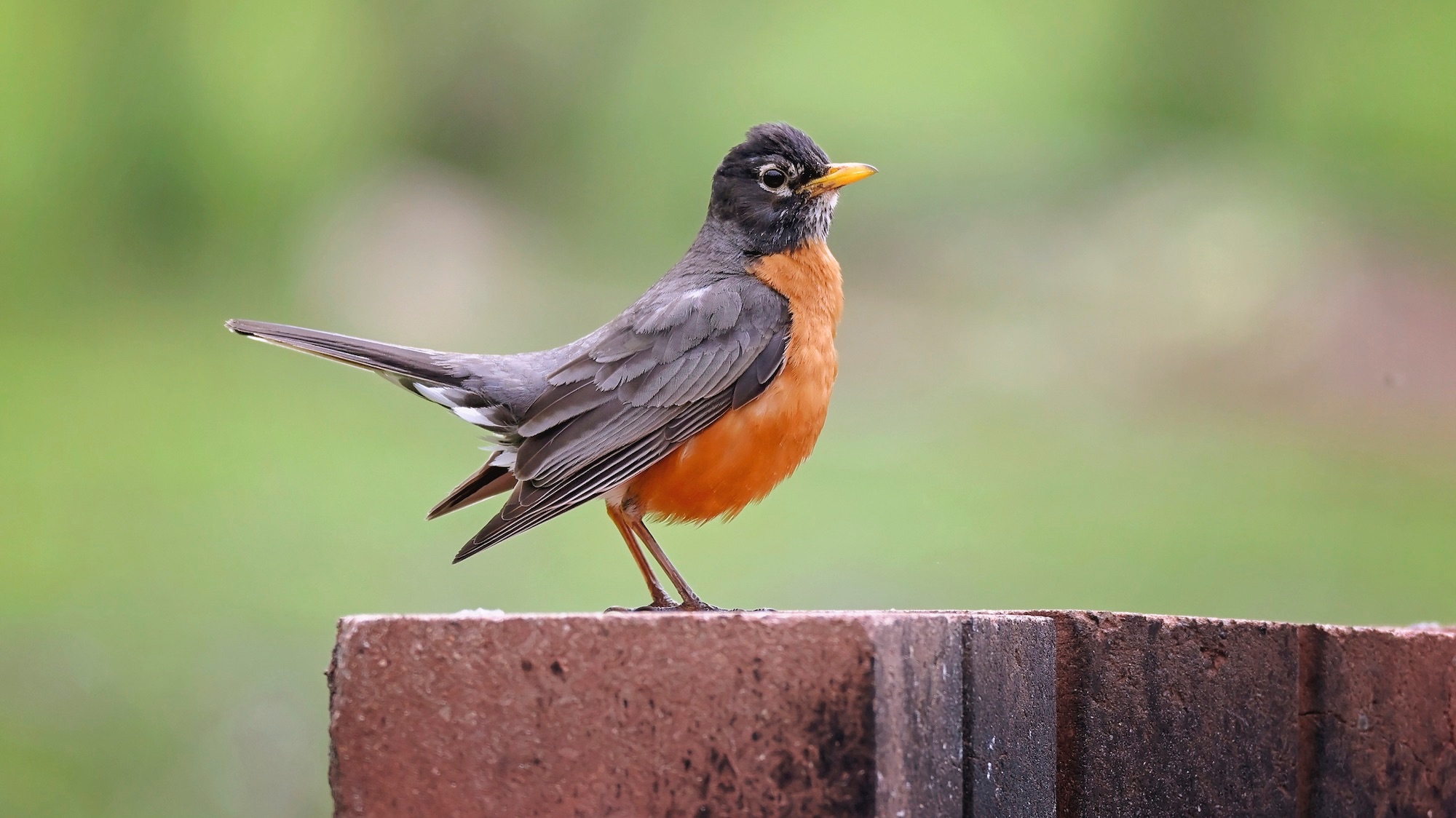
Biology and physics, however, do not support the "exploding bird" hypothesis. In 2002, Jim Krupa, a biology professor at the University of Kentucky, conducted a series of controlled experiments with his students to test the expansion properties of various grains. The study found that common birdseed actually expands more than white rice when soaked in water. Furthermore, the researchers fed instant rice to 60 doves and pigeons under observation; none of the birds showed signs of distress, nor did they regurgitate the grain.
Ornithologists point out that many bird species, such as the Bobolink and various waterfowl, rely on rice as a staple of their natural diet in the wild. The avian digestive system is highly efficient at processing grains. Unlike a rigid, sealed container, a bird’s crop and stomach are flexible, and birds possess the ability to regurgitate material that causes discomfort. While the myth is false, conservationists still suggest alternatives to rice at weddings primarily for human safety—scattered rice creates a slip hazard on pavement—and to avoid attracting rodents to ceremonial sites.
The Chemistry of Hummingbird Nutrition and Visual Stimuli
Hummingbirds represent a unique intersection of high metabolism and specialized feeding. In the commercial market, "hummingbird nectar" is almost universally sold as a bright red liquid. The logic presented to consumers is that hummingbirds are naturally attracted to red flowers, and therefore, the food must be red to be effective. While the premise of attraction is true, the execution is scientifically flawed and potentially hazardous.
Hummingbirds possess tetrachromatic vision, meaning they can see ultraviolet light in addition to the standard RGB spectrum. Research published in Audubon magazine confirms that while hummingbirds are highly sensitive to the red end of the spectrum—a trait that helps them identify nectar-rich flowers like hibiscus and trumpet vine—the nectar itself in nature is clear.
The use of Red Dye No. 40 in commercial nectar has been a point of contention among avian rehabilitators. While definitive long-term studies on dye toxicity in hummingbirds are limited, many experts argue that the inclusion of synthetic chemicals is unnecessary and carries potential risks to the birds’ kidneys and liver. The National Audubon Society recommends a simple, safe alternative: a 4:1 ratio of water to white granulated sugar. This mixture closely mimics the sucrose concentration of natural flower nectar. The society specifically warns against using honey, which can promote fatal fungal growth in a hummingbird’s tongue, or artificial sweeteners, which provide no energy to a creature that must consume half its body weight in sugar daily to survive.
Olfactory Perception and the "Abandoned Baby" Fallacy
Perhaps the most harmful myth involves the handling of fallen chicks. Generations of children have been told that if they touch a baby bird, the mother will detect the "human scent" and abandon the nest. This myth likely evolved as a way to discourage children from interfering with wildlife, but it often prevents people from performing simple, life-saving interventions.
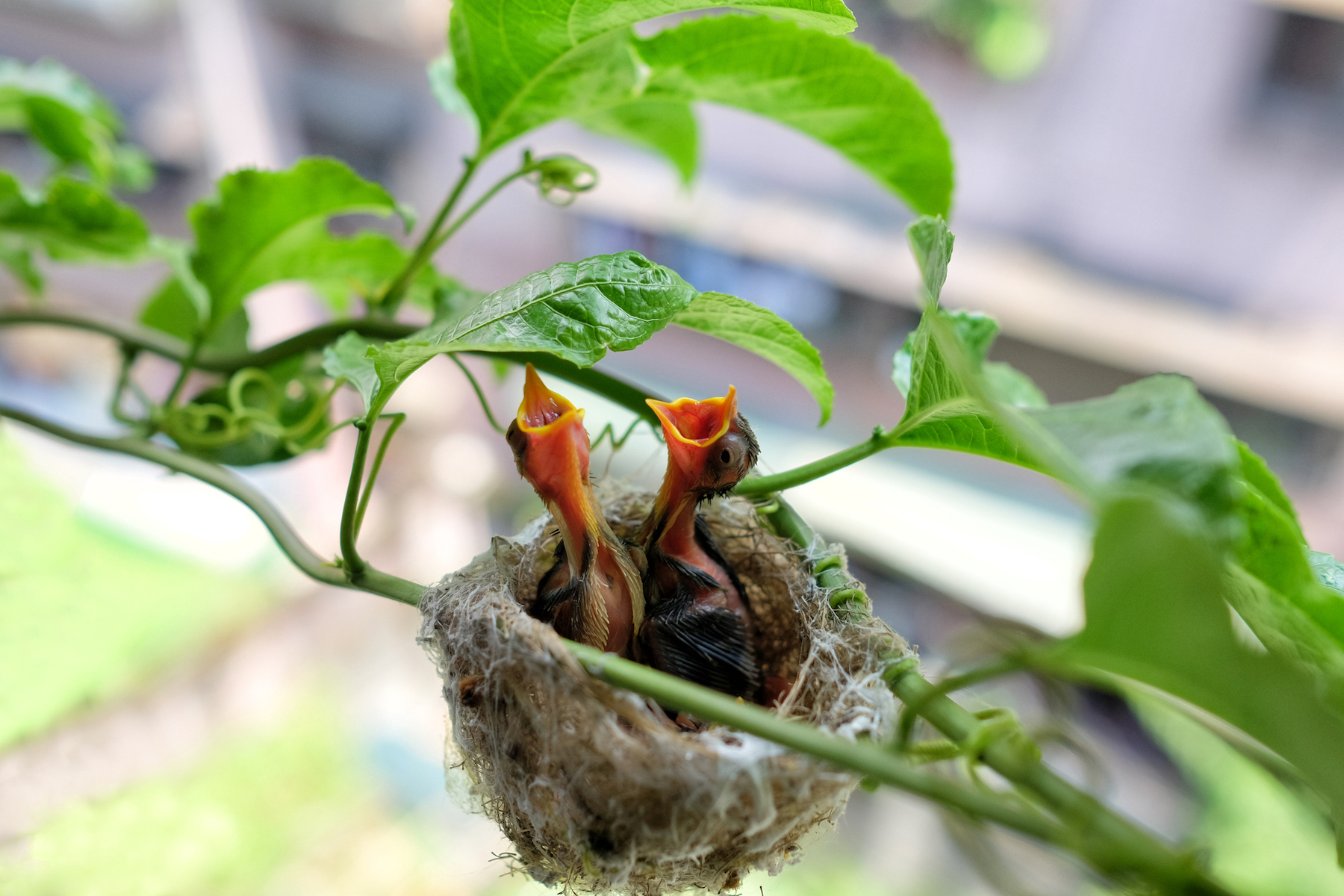
The Cornell Lab of Ornithology asserts that the vast majority of birds have a relatively poor sense of smell compared to mammals. While some species, such as vultures and certain seabirds, use olfaction for navigation or hunting, common backyard songbirds rely almost exclusively on sight and sound. Furthermore, the biological drive to raise offspring is incredibly powerful. A parent bird that has invested weeks in nest-building and incubation is highly unlikely to abandon its genetic legacy due to a fleeting scent.
When a bird is found on the ground, the correct response depends on its developmental stage:
- Nestlings: These are featherless or downy birds that cannot hop. If found on the ground, they have likely fallen prematurely. They should be placed back in the nest if possible.
- Fledglings: These birds are fully feathered but may appear clumsy. They are at the stage where they are learning to fly and are still being supervised and fed by their parents from a distance. In most cases, they should be left alone unless they are in immediate danger from traffic or predators.
Chronology of Avian Myth Evolution and Scientific Correction
The history of human understanding regarding birds has moved from folklore toward empirical data over the last century:
- Pre-1900s: General folklore suggested birds were "simple" creatures driven purely by instinct, leading to the belief that they would easily abandon nests.
- 1940s-1960s: The rise of suburban bird feeding began. Early concerns about dependency surfaced as backyard birding became a multi-million dollar hobby.
- 1985: The Connecticut "Rice Bill" incident catapulted the exploding bird myth into mainstream news.
- 2002: The University of Kentucky experiments provided the first rigorous academic debunking of the rice myth.
- 2010s-Present: The advent of RFID tagging and high-speed cameras allowed researchers like those at Oregon State to track individual bird movements, proving that supplemental feeding does not override natural foraging instincts.
Broader Implications for Avian Conservation
While addressing myths about rice and red dye is important for the welfare of individual birds, ecologists emphasize that these distractions can sometimes obscure the more significant threats facing avian populations. According to a 2019 study published in Science, North America has lost nearly 3 billion birds since 1970, a staggering 29% decline in total population.
The primary drivers of this decline are habitat loss, window collisions, and predation by domestic cats. Data from the Smithsonian Conservation Biology Institute suggests that outdoor cats are responsible for the deaths of 1.3 to 4 billion birds annually in the United States alone. Analysis of these figures suggests that while the public worries about the "exploding" effects of wedding rice—which has caused zero documented deaths—the impact of feline predation and glass reflections is catastrophic.
In conclusion, the scientific community encourages the public to continue feeding and observing backyard birds, as these activities foster a vital connection to the natural world. However, this engagement should be guided by data rather than hearsay. By providing clear nectar, maintaining clean feeders to prevent the spread of disease, and understanding that birds are resilient, independent foragers, humans can contribute to a safer and more sustainable environment for the avian species that share our habitats. Directing public concern away from urban legends and toward substantive issues like habitat preservation and predator control remains the most effective path forward for modern conservation.