




The demanding landscape of modern education, characterized by a relentless barrage of tasks from lesson planning and curriculum development to student support, grading, and administrative duties, places immense pressure on educators. This intricate web of responsibilities requires robust executive functioning—the set of cognitive processes that enable planning, focus, memory, and task management. For many teachers, particularly those who are neurodivergent, navigating these demands can feel like an insurmountable challenge, often leading to burnout and a sense of inadequacy within systems not designed for their cognitive profiles. Yet, these very educators bring a wealth of unique strengths, including innovation, profound empathy, and authentic engagement, that are indispensable to a thriving school community. Recognizing and supporting neurodivergent teachers is not merely an act of inclusion; it is a strategic imperative that strengthens the entire educational ecosystem.
The Unseen Challenge: Executive Functioning in Education
The intricate demands of teaching require a constant, high-level engagement of executive functions. A teacher must simultaneously plan engaging lessons, remember individual student accommodations, manage classroom dynamics, track assignments, communicate with parents, attend meetings, and complete various bureaucratic tasks—all while maintaining a calm and authoritative presence. This cognitive load can be overwhelming for anyone, but it is particularly taxing for neurodivergent individuals, such as those with ADHD, autism spectrum disorder, dyslexia, or Tourette’s syndrome, whose brains process information and regulate attention, sensory input, and social cues differently.
For a new teacher, the sheer volume of these tasks can be deceptive. What appears to be a straightforward profession from the outside often reveals itself as an intense juggling act, demanding constant improvisation and a relentless effort to stay afloat. The underlying impact of neurodivergence, such as challenges with working memory, time blindness, sensory overload, or difficulties with task initiation and prioritization, can turn routine duties into monumental struggles. This disparity often leads to feelings of isolation and self-blame, as neurodivergent educators may observe their neuronormative colleagues seemingly managing with greater ease, unaware of the hidden cognitive labor they themselves are expending.
The "Lost Generation" and Evolving Understanding of Neurodiversity
A significant segment of current educators, particularly those in their 30s, 40s, and 50s, belongs to what some refer to as the "lost generation" of neurodivergent adults. They grew up in an era where the understanding and diagnosis of neurodevelopmental differences were far less sophisticated and often narrowly defined. ADHD, for instance, was frequently associated primarily with hyperactive boys, leading to many girls and individuals who presented with inattentive or "internalized" symptoms being overlooked. Similarly, autism diagnoses were often limited to severe presentations in early childhood, leaving many high-achieving individuals who learned to "mask" their traits undiagnosed until much later in life.

The past decade has seen a cultural shift, with increasing public discourse, research, and self-advocacy surrounding adult neurodiversity. This has enabled many educators to connect lifelong patterns of overwhelm, inconsistency, and burnout to their own neurodivergent profiles, often after their own children receive diagnoses or through exposure to information on social media and podcasts. This realization can be profoundly impactful, bringing both immense relief—a validating "aha!" moment that provides language for their experiences—and a sense of grief for the decades spent in self-blame, misunderstanding, and the unnecessary exhaustion of conforming to neuronormative expectations.
The irony for these educators is palpable: they were trained to identify and support neurodivergence in their students, meticulously collecting data, documenting behaviors, and devising interventions, yet they lacked the framework to recognize these same traits within themselves. This process of reinterpreting one’s own life story through a neurodiversity lens can be both liberating and destabilizing, fundamentally altering how one perceives their work, their students, and the institutional systems they operate within. Despite growing awareness, a significant stigma persists, making it risky for teachers to openly discuss challenges related to executive functioning, attention, or sensory regulation in professional environments where "having it together" is often mistakenly equated with competence and professionalism.
The Unique Strengths Neurodivergent Educators Bring
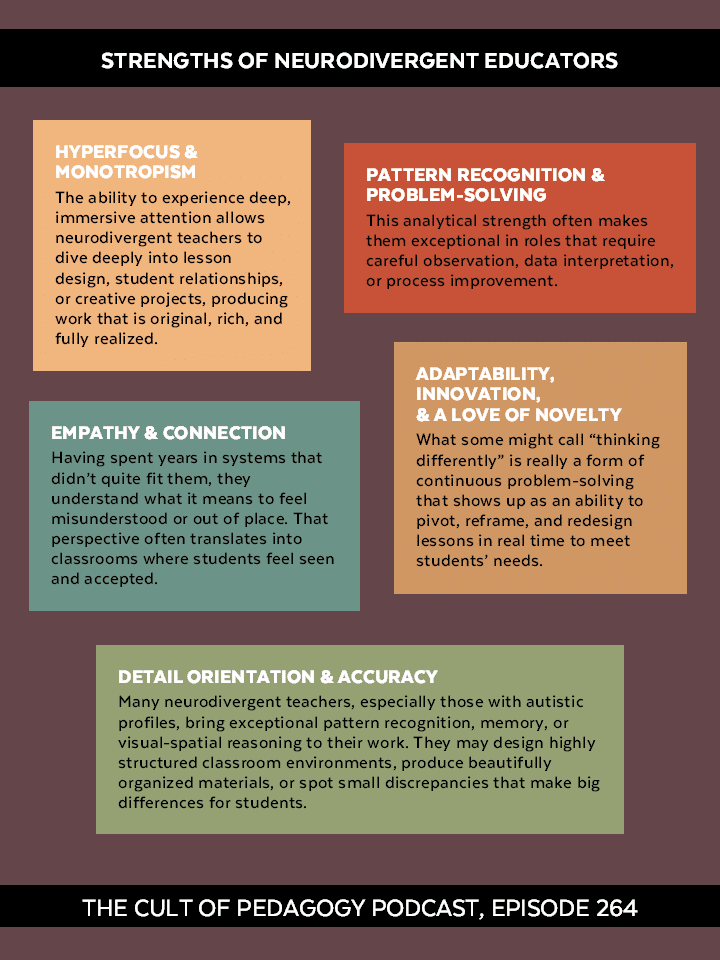
Far from being a deficit, neurodiversity endows individuals with distinct cognitive strengths that can be profoundly beneficial in educational settings. When environments are designed to accommodate and leverage these differences, neurodivergent teachers often emerge as some of the most creative, empathetic, and passionate professionals in their field. Their unique perspectives can drive innovative pedagogical approaches and foster deeper connections with students.
Key strengths often observed in neurodivergent educators include:
- Creativity and Innovation: Neurodivergent minds often approach problems from unconventional angles, leading to highly imaginative lesson plans, unique classroom management strategies, and novel ways of engaging students. Their non-linear thinking can break through traditional pedagogical stalemates.
- Deep Empathy and Connection: Many neurodivergent individuals, particularly those on the autism spectrum, possess a heightened sense of empathy and a profound ability to understand and connect with students who may also be struggling or feel misunderstood. This can create a more inclusive and supportive classroom environment.
- Authenticity and Transparency: When supported, neurodivergent teachers can model authenticity, openly discussing their own learning styles, challenges, and coping mechanisms. This fosters a classroom culture where difference is celebrated, and students learn that there isn’t one "right" way to think, learn, or teach.
- Hyperfocus and Passion: Individuals with ADHD or specific interests within autism can exhibit hyperfocus, allowing them to dive deeply into subjects they are passionate about. This translates into highly engaging and specialized instruction, inspiring students through their own enthusiasm and in-depth knowledge.
- Attention to Detail and Pattern Recognition: For some neurodivergent teachers, an exceptional eye for detail or an ability to recognize subtle patterns can be invaluable in identifying student needs, assessing learning, and refining instructional methods.
- Resilience and Problem-Solving: Having navigated a neuronormative world that often presents challenges, neurodivergent educators frequently develop robust problem-solving skills and a strong sense of resilience, which they can impart to their students.
These strengths flourish when educators feel safe and supported to be their authentic selves, rather than expending exhausting energy on "masking" or trying to conform. By valuing these diverse cognitive profiles, schools enrich their staff and provide powerful role models for all students, particularly those who are also neurodivergent.
Systemic Barriers: When Schools Don’t Accommodate
Despite the clear advantages, neurodivergent educators frequently operate within systemic structures that inadvertently undermine their strengths and exacerbate their challenges. Schools, largely built upon routines and expectations for the neuronormative majority, often present significant barriers. These include demands for rapid transitions between tasks, seamless multitasking, and tolerance for constant sensory and social input—all of which can be intensely draining for neurodivergent individuals.
Common systemic friction points include:
- Sensory Overload: Classrooms and school environments are often noisy, brightly lit (fluorescent lights can be particularly challenging), and visually stimulating. For teachers with sensory sensitivities, this constant barrage can lead to extreme fatigue, irritability, and difficulty concentrating.
- Rigid Schedules and Unpredictable Interruptions: Fixed timetables, sudden changes to the school day, and frequent interruptions (e.g., intercom announcements, unexpected visitors) can disrupt focus and be highly dysregulating for brains that thrive on predictability and sustained attention.
- Administrative Burden and Paperwork: The volume of documentation, record-keeping, and compliance paperwork can be overwhelming, especially for those with executive function challenges related to organization, planning, and task completion. Deadlines for these tasks can become major stressors.
- Social and Communication Demands: Constant collaboration with colleagues, parent-teacher conferences, and staff meetings, while essential, can be exhausting for neurodivergent individuals who may find unstructured social interactions or prolonged social engagement draining.
- Lack of Flexibility: A "one-size-fits-all" approach to professional development, classroom management expectations, or even physical workspace design often fails to accommodate diverse cognitive needs.
- Teacher Evaluation Systems: Traditional evaluation metrics may inadvertently penalize neurodivergent traits, focusing on outward signs of organization or rapid response times rather than the quality of instruction or student engagement.
This disconnect between the inherent strengths of neurodivergent teachers and the rigid structures of school life creates a paradox. Traits that could be assets become stressors, leading to burnout, decreased job satisfaction, and potentially driving talented educators out of the profession. According to a 2023 study by the RAND Corporation, teacher burnout remains a critical issue, with many citing excessive workload and lack of support as key factors—issues disproportionately affecting neurodivergent staff. The challenge lies not within the teachers themselves, but in environments that, while theoretically valuing diversity, often struggle to implement practical support.
Practical Tools and Strategies for Neurodivergent Educators
While systemic change is crucial, neurodivergent educators can also employ a range of personal strategies to protect their energy, enhance their effectiveness, and make their work more sustainable. These tools are not universal solutions but offer starting points for experimentation and self-accommodation.
-
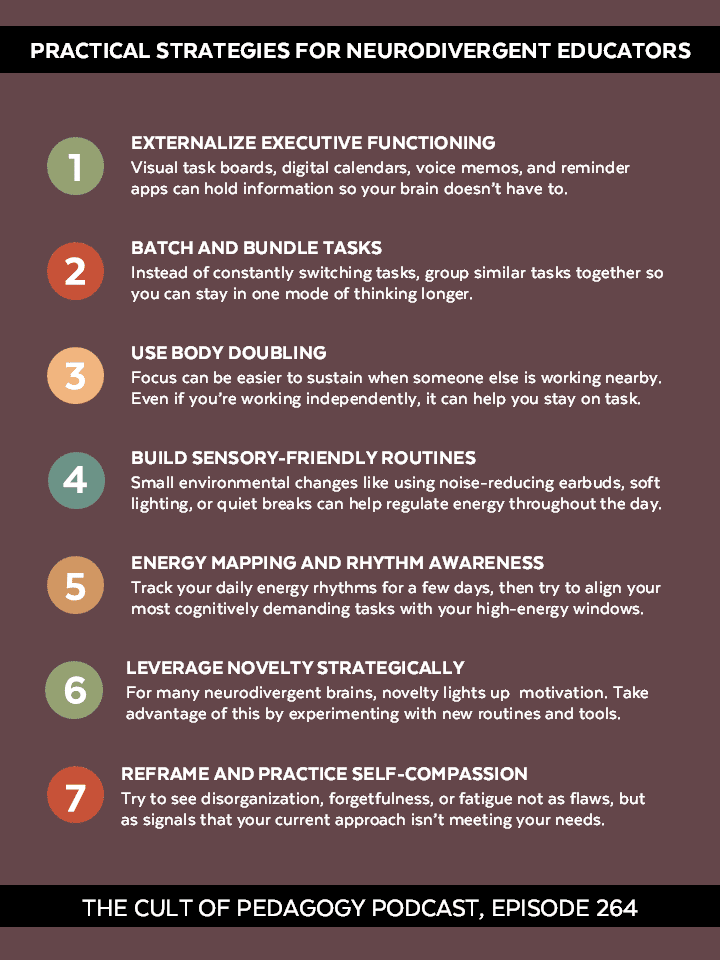
Externalize Executive Functioning: To mitigate the strain on working memory and planning, teachers can offload mental tasks onto trusted external systems. This includes using digital calendars (e.g., Google Calendar, Outlook), task management apps (e.g., Todoist, Trello, Asana), visual checklists, or even voice memo recorders to capture ideas on the go. Automation tools like IFTTT (If This Then That) can streamline routine digital tasks, such as filing emails or setting recurring reminders, freeing up cognitive bandwidth. The objective is to transform invisible mental clutter into tangible, manageable forms.
-
Batch and Bundle Tasks: Constant task-switching is a significant energy drain for many neurodivergent brains. Grouping similar tasks allows for longer periods of focused work in a single cognitive mode. For example, dedicating a specific block of time for grading all short-answer responses, another for writing lesson plans for the entire week, and separate times for email correspondence or parent updates, can drastically reduce "cognitive gear-shifting."
-
Utilize Body Doubling: The presence of another person working nearby can significantly improve focus and task initiation, a phenomenon known as "body doubling." Teachers can partner with a colleague during shared planning periods, join virtual co-working sessions, or even use ambient noise videos of people working. This external accountability, even if unspoken, can help overcome inertia and sustain concentration for tasks like grading, report writing, or complex lesson design.
-
Build Sensory-Friendly Routines: Small environmental adjustments can yield substantial benefits. Using noise-canceling headphones or earplugs during prep time, adjusting classroom lighting to warmer tones (lamps instead of harsh overhead fluorescents), and incorporating regular, short movement breaks (e.g., stretching, a brief walk in the hallway) can help regulate sensory input and prevent overwhelm. Establishing a "reset ritual" – a quick, intentional break like deep breathing or sipping water between classes – can help manage energy transitions.
-
Energy Mapping and Rhythm Awareness: Understanding one’s individual chronotype and daily energy fluctuations is powerful. Tracking periods of peak focus and energy versus times of fatigue over a week or two can inform scheduling. Aligning cognitively demanding tasks (lesson planning, complex problem-solving) with high-energy windows, and reserving lower-focus tasks for natural dips, can optimize productivity and reduce burnout.
-
Leverage Novelty Strategically: For many ADHD and autistic brains, novelty is a powerful motivator, stimulating dopamine pathways. Teachers can harness this by introducing small, controlled variations to routine tasks—experimenting with new lesson formats, rearranging classroom furniture, or trying a new digital tool. The key is to use novelty as a controlled fuel for engagement rather than allowing it to become a distraction, returning to established structures for grounding.
-
Reframe and Practice Self-Compassion: In systems not built for diverse brains, it’s easy to internalize difficulties as personal failures. Adopting a self-compassionate lens means viewing patterns of disorganization or fatigue as valuable information, signaling that current approaches aren’t meeting individual needs. This mindset fosters a space for experimentation without shame, acknowledging that "professionalism" does not equate to perfection. Sustainable teaching begins with honoring one’s inherent humanity and diverse cognitive wiring.
These strategies are not about doing more, but about working differently and intelligently. The most effective approaches are those that reduce friction, conserve energy, and allow an educator’s unique strengths to shine without constant struggle.
What Schools and Administrators Can Do
Supporting neurodivergent educators is not about providing "special treatment," but about ensuring equitable access to and sustainability within the profession. Just as schools differentiate instruction for students, they must differentiate support for their staff. This aims not to lower standards but to create conditions where every educator can thrive without succumbing to burnout.
Key actions for schools and administrators include:
- Neurodiversity-Affirming Professional Development: Offer training for all staff (administrators, teachers, support staff) on neurodiversity, focusing on understanding diverse cognitive profiles, recognizing the strengths of neurodivergent individuals, and learning about effective accommodations. This moves beyond merely identifying student needs to fostering an inclusive professional culture.
- Flexible Work Environments and Practices: Implement flexibility where possible, such as offering varied meeting formats (e.g., agenda provided in advance, options for virtual attendance, designated quiet spaces), flexible scheduling for non-instructional tasks, or allowing for personalized workspace arrangements. Streamline administrative processes and reduce unnecessary paperwork.
- Creating a Culture of Openness and Psychological Safety: Actively work to destigmatize neurodiversity. Leaders can model vulnerability by discussing their own learning styles or challenges, creating an environment where teachers feel safe to disclose their neurodivergence and request reasonable accommodations without fear of judgment or professional repercussions.
- Providing Accommodations and Resources: Ensure that official channels for requesting accommodations are clear, confidential, and supportive. This could include access to noise-canceling devices, specific lighting options, assistive technology, flexible deadlines for certain tasks, or opportunities for mentorship and peer support groups for neurodivergent educators.
- Focus on Strengths-Based Evaluation: Shift performance reviews to focus on outcomes and contributions, recognizing that the how of reaching those outcomes may vary. Celebrate innovative approaches and diverse thinking styles, rather than penalizing differences in executive function or social presentation.
- Rethinking Physical Spaces: Consider the sensory environment of staff rooms, meeting spaces, and even classrooms. Offering quiet zones, varying lighting options, and reducing visual clutter can benefit all staff, not just neurodivergent individuals.
Broader Implications for Education and Society
When schools proactively support neurodivergent educators, the benefits ripple throughout the entire community. Teachers who feel affirmed and empowered are better equipped to model self-acceptance and diverse learning strategies for their students. The classroom transforms into a space where difference is understood as a fundamental aspect of human cognition, rather than something to be concealed or corrected. Students observe adults who openly utilize visual schedules, take sensory breaks, or discuss their attention patterns, learning that these are not signs of weakness but effective tools for success.
For school leadership, an empathetic and flexible approach to neurodiversity builds trust and strengthens staff morale. Clear communication, reasonable expectations, and genuine openness foster a culture where all educators feel valued, engaged, and innovative. This, in turn, contributes significantly to teacher retention, a critical issue facing educational systems globally. Schools that prioritize sustainability over an unattainable ideal of perfection are more likely to retain their most talented and dedicated professionals.
As the understanding of neurodiversity continues to evolve, the conversation within education is moving beyond mere awareness to a demand for actionable change. Structures that translate understanding into tangible support are essential. Schools that champion flexibility, clarity, and belonging for their neurodivergent staff do more than just improve individual well-being; they cultivate environments where every teacher and every student can truly flourish, bringing their full, authentic selves to the vital work of learning and teaching. This creates a more equitable, effective, and ultimately, more human-centered educational system for all.







