


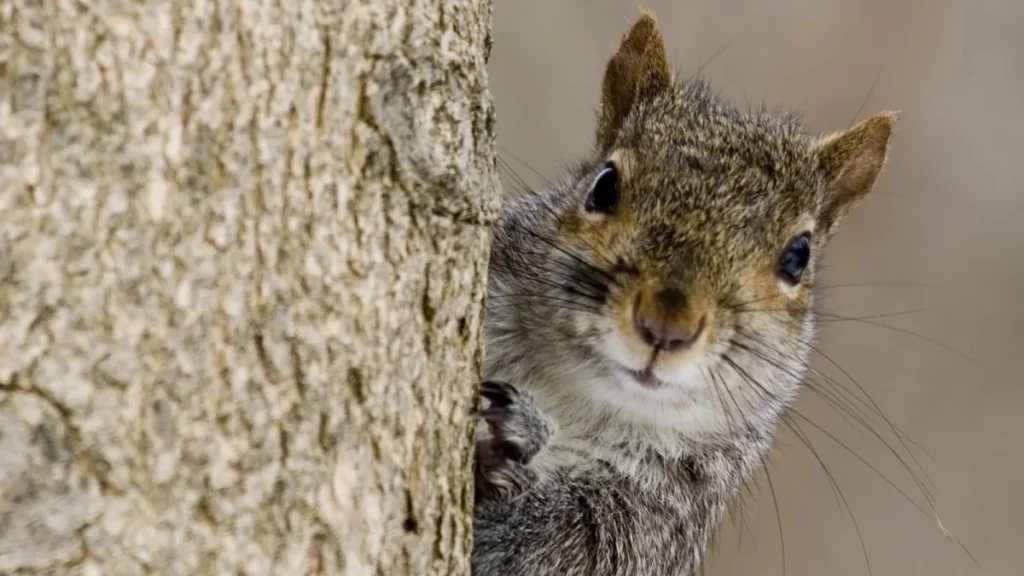
In the natural world, the prevailing logic of survival suggests that animals should be opportunists, prioritizing the most accessible calories to conserve energy and minimize risk. However, a groundbreaking study conducted by researchers at the University of Exeter has revealed that wild gray squirrels (Sciurus carolinensis) possess a level of dietary discernment that challenges traditional models of animal behavior. The research, published in the journal Animal Behaviour, demonstrates that these rodents are willing to exert significant additional physical effort to secure a preferred food item, even when a viable, easier alternative is immediately available. This discovery provides new insights into the complex cost-benefit analyses performed by wild animals and suggests that "pickiness" may be a calculated evolutionary strategy rather than a luxury.
The Exeter Experiment: Methodology and Observations
The study was led by behavioralists Yavanna Burnham and Lisa Leaver, who sought to quantify the trade-offs squirrels make between food quality and the energy required to obtain it. To do this, the team focused on a population of wild gray squirrels in the United Kingdom, subjecting them to a series of controlled choice tests. The experimental setup involved a vertical pole with two distinct feeding platforms.
The researchers utilized two types of food with known varying levels of appeal to squirrels: pumpkin seeds, which are considered a "low-value" but acceptable food source, and almond pieces, which are highly prized "high-value" treats due to their fat and caloric content. During the trials, squirrels were presented with a choice: they could stop at a lower, easily accessible point on the pole to consume pumpkin seeds, or they could continue climbing to a higher, more taxing elevation to reach the almonds.
Over the course of the study, the team recorded and analyzed more than 4,000 individual decision-making events involving 11 different squirrels. The results were remarkably consistent. In the vast majority of cases, the squirrels bypassed the pumpkin seeds at the lower level, opting instead to expend the extra energy required to reach the almond pieces at the top of the pole. This behavior suggests that squirrels do not merely seek the nearest meal but instead perform a sophisticated evaluation of the "return on investment" for their physical exertion.
The Role of Social Hierarchy in Foraging Decisions
One of the most significant findings of the University of Exeter study was the impact of social status on foraging choices. While the group as a whole showed a preference for almonds, the researchers noted a distinct divergence in behavior based on the dominance of the individual squirrel.
In the squirrel social hierarchy, dominant individuals—often larger or more aggressive males and females—typically have priority access to resources. The study found that these dominant squirrels were the most likely to bypass the easier food and climb for the almonds. Conversely, less dominant or subordinate squirrels were far more likely to "play it safe," settling for the pumpkin seeds at the lower level rather than risking the climb for the higher reward.
This behavioral split suggests that the "optimal" decision for an animal is not universal but is instead contingent upon its social standing. Researchers theorize that subordinate squirrels may choose the easier, lower-value food to avoid potential conflict with more dominant rivals who might be guarding the higher-value resource. Additionally, for a subordinate squirrel, the risk of wasting energy on a climb only to be chased away from the reward by a dominant peer is a significant deterrent. This adds a layer of social complexity to the study of animal foraging, indicating that squirrels must assess not only the food and the climb but also the presence and likely behavior of their peers.
Understanding Optimal Foraging Theory
To place this study in a broader scientific context, it is necessary to examine "Optimal Foraging Theory" (OFT). Developed in the 1960s and 70s, OFT is a behavioral ecology model that predicts how an animal behaves when searching for food. According to this theory, natural selection favors animals that maximize their net energy intake per unit of time.
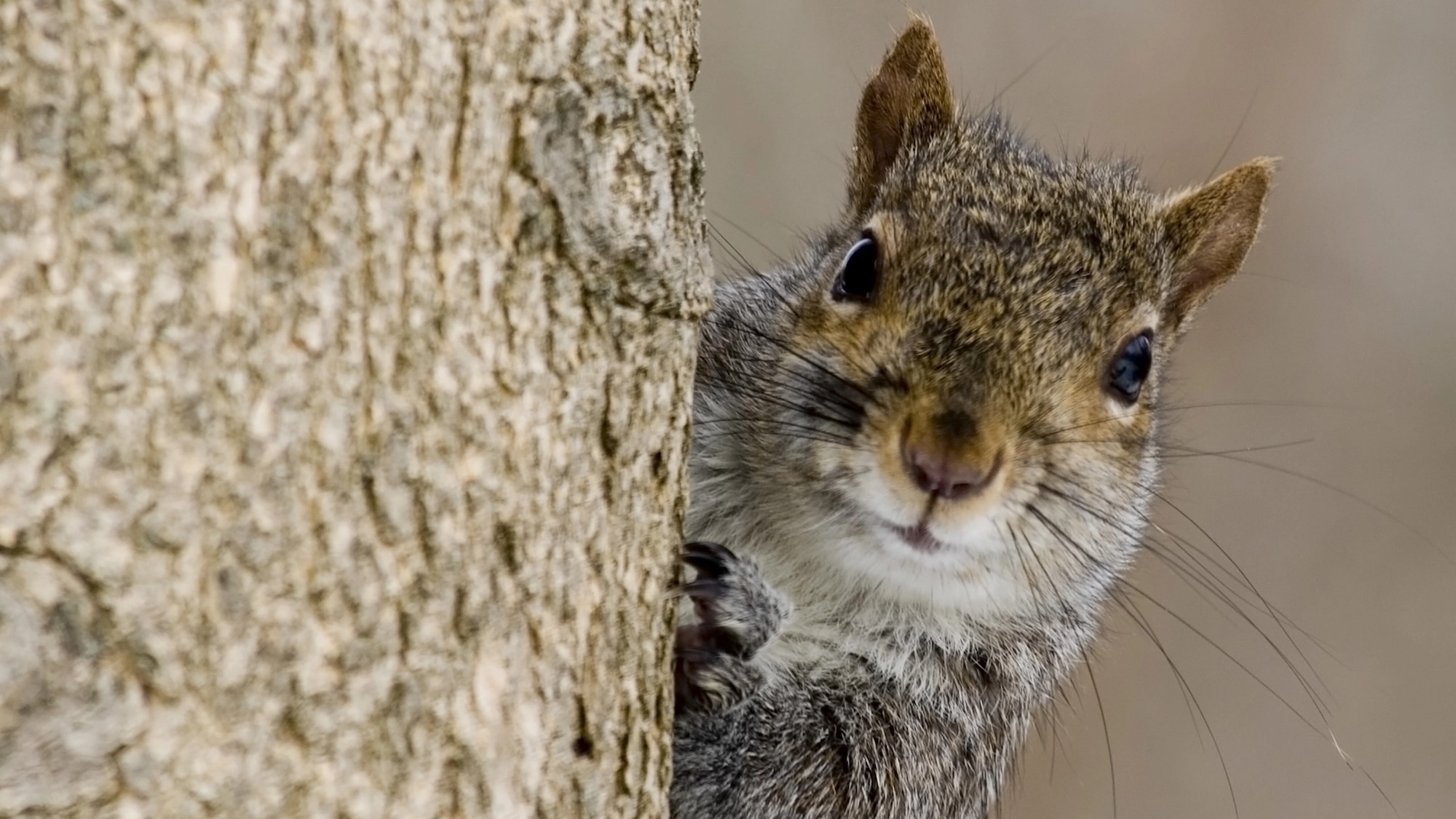
Traditionally, OFT would suggest that if the energy gained from a pumpkin seed is sufficient and the energy required to reach it is minimal, the animal should take it. However, the Exeter study introduces a "currency" of preference and quality that complicates this math. If the almond provides significantly more energy or essential nutrients than the pumpkin seed, the "extra" work of climbing higher becomes the more "optimal" choice in the long run.
The researchers argue that their findings demonstrate that squirrels are capable of "future-discounting" or "delay of gratification" scenarios, where they reject an immediate, smaller reward for a better one that requires more time or effort. This level of cognitive processing is often associated with higher-order mammals, and its presence in a common garden rodent underscores the intelligence of the species.
Chronology of Squirrel Cognitive Research
The Exeter study is the latest in a long history of research into the cognitive abilities of the Sciurus genus. Over the past several decades, scientists have moved away from viewing squirrels as simple-minded foragers and toward seeing them as highly intelligent strategists.
- 1970s-1980s: Early studies focused on "scatter-hoarding" behavior. Researchers discovered that gray squirrels do not just bury nuts randomly; they use a complex spatial memory system to relocate thousands of hidden caches with high accuracy, even months later.
- 1990s: Research into "deceptive caching" emerged. Scientists observed squirrels engaging in "fake" burials—digging holes and pretending to hide a nut—when they realized they were being watched by potential thieves (birds or other squirrels). This indicated a "Theory of Mind," or the ability to understand that another individual has its own perspective and intentions.
- 2010s: Studies began focusing on problem-solving. Researchers at the University of Exeter and other institutions used "puzzle boxes" to show that squirrels could learn to manipulate levers and doors to access food, and more importantly, they could remember those solutions years later.
- 2024-2026: Current research, including the almond-versus-pumpkin-seed study, is shifting toward "natural decision-making scenarios." Scientists are now looking at how environmental and social variables—like height, distance, and hierarchy—influence the choices animals make in the wild.
Broader Ecological and Evolutionary Implications
The implications of this study extend beyond the behavior of individual squirrels. As a species, the gray squirrel is a major driver of forest composition. Because they are "scatter-hoarders," the nuts they fail to retrieve often germinate, leading to the growth of new trees. If squirrels are specifically prioritizing high-energy, high-fat nuts like acorns or walnuts (or almonds in a lab setting), they are directly influencing which tree species are most likely to be propagated in a given area.
Furthermore, the study highlights the value of conducting research on wild populations. Laboratory animals often exhibit different behaviors due to the lack of social competition and environmental stressors. By observing squirrels in their natural habitat, Burnham and Leaver were able to capture the nuances of social dominance that would have been invisible in a controlled, isolated setting.
"It shows there isn’t always an ‘optimal’ decision," stated study co-author Lisa Leaver. "Just as with humans, an animal’s social status affects the costs and benefits of particular choices." This acknowledgment of individual variation within a species is a crucial step forward in behavioral biology. It suggests that "intelligence" in the animal kingdom is not just about solving puzzles, but about navigating a complex world of social risks and nutritional rewards.
Conclusion: The Calculated Life of the Urban Forager
The image of the "picky eater" in nature is often dismissed as a fluke, but the University of Exeter’s research suggests it is a fundamental aspect of survival. For the gray squirrel, the decision to climb higher for an almond is not a whim; it is a calculated gamble based on the individual’s physical capability, its place in the social order, and the nutritional density of the reward.
As urban and suburban environments continue to expand, understanding how wild animals make these decisions becomes increasingly important. Gray squirrels are among the most successful "urban adapters" on the planet. Their ability to assess risks, remember locations, and prioritize high-value resources allows them to thrive in environments that are often hostile to other wildlife. This study confirms that behind the frantic scurrying of the common squirrel lies a sophisticated mind, constantly weighing the price of effort against the prize of a better meal. The findings reinforce the idea that in the struggle for survival, the most successful animals are those that know when to settle for what is easy—and when to reach for something better.