

In an era where the landscape of education is rapidly evolving, particularly concerning writing instruction and the integration of artificial intelligence, dedicated educators are pioneering innovative methods to cultivate authentic student voice and foster a robust sense of belonging within the classroom. Marcus Luther, an English educator, has developed and refined a suite of strategies that center student work, transforming it from mere assessment material into dynamic tools for instruction, affirmation, and community building. His approach moves beyond conventional methods of displaying student work, actively integrating peer-produced exemplars into the daily pedagogical fabric to enhance both writing proficiency and student self-efficacy.
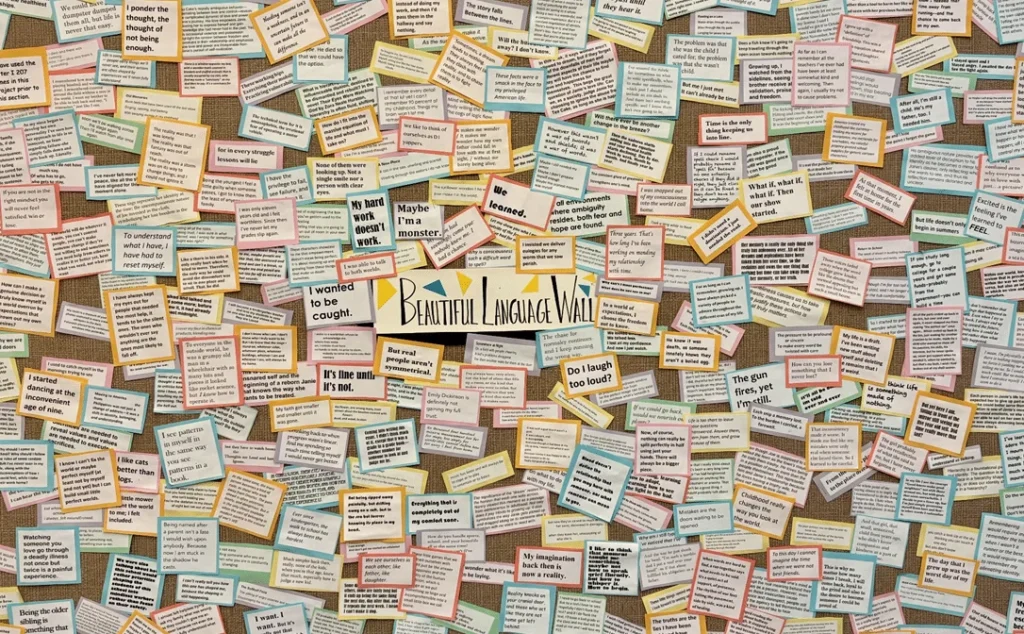
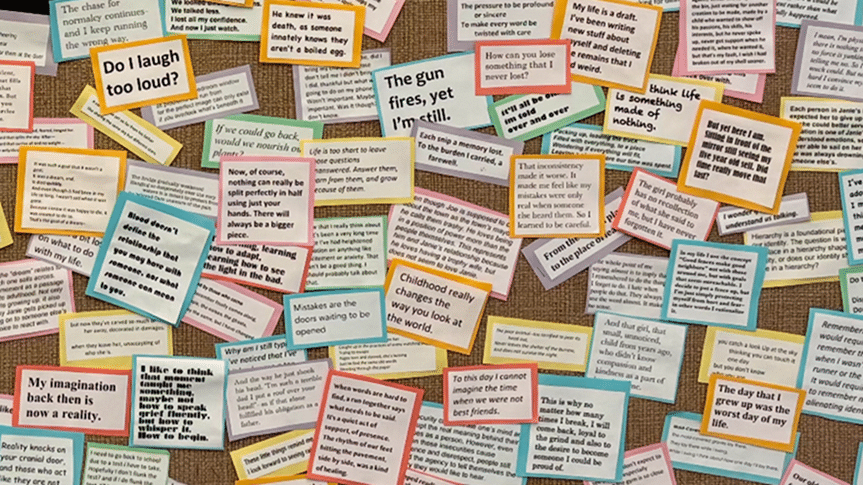
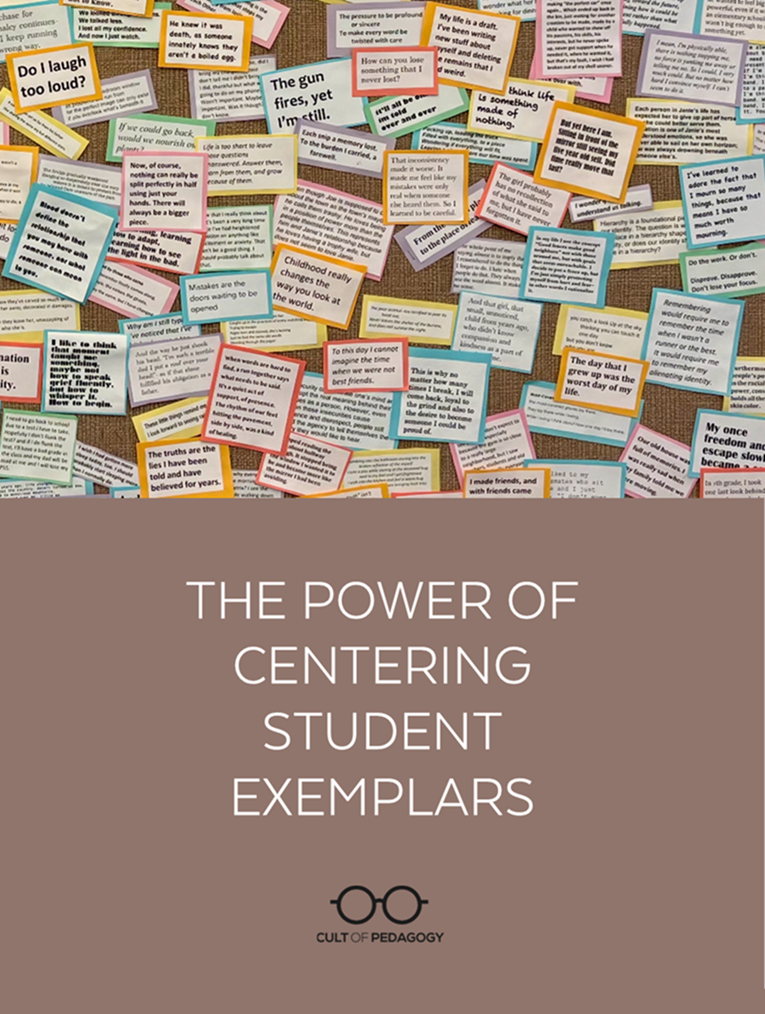
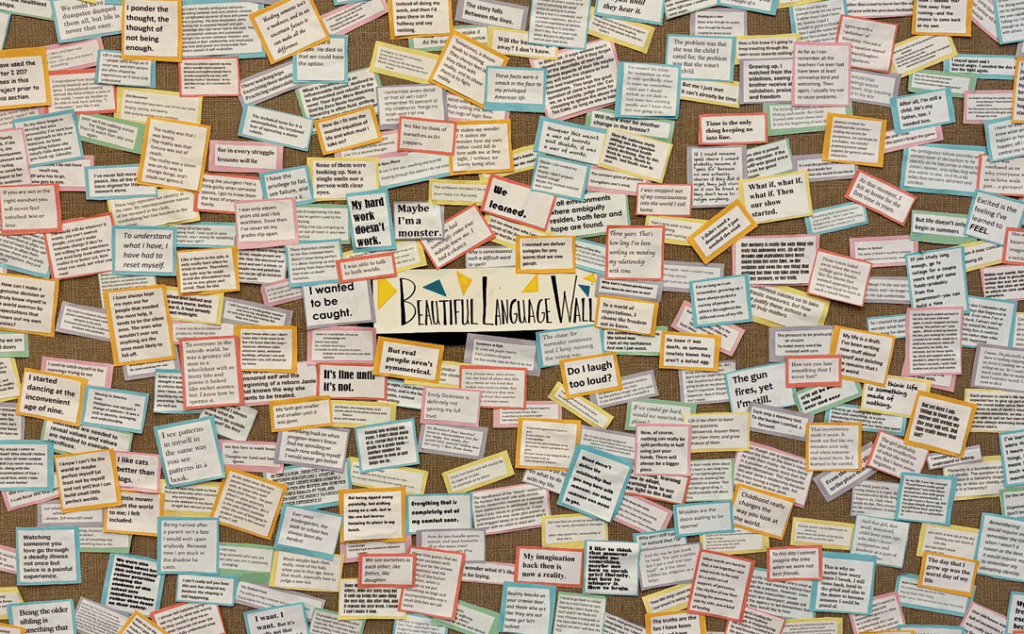
The foundation of Luther’s methodology is built on the principle that students learn most effectively from tangible examples, especially when those examples originate from within their own learning community. This philosophy is vividly embodied by his "Beautiful Language Wall," a bulletin board that begins each academic year as a blank canvas. Tucked away in a classroom corner, this wall gradually fills with sentences meticulously selected from student writing throughout the year. As Luther reviews student submissions, he maintains an auxiliary digital space to capture compelling prose—phrases, clauses, or entire sentences that demonstrate exceptional craft, insight, or stylistic flair. These chosen pieces are then shared anonymously with the class during subsequent lessons, presented as exemplars of "beautiful language" and accompanied by a brief explanation of their merit. The selected sentences are subsequently added to the physical "Beautiful Language Wall."
This seemingly simple practice has profound effects on student engagement and motivation. Over the course of the semester, students are observed gravitating towards the wall, arriving early to scrutinize new additions, lingering after class to search for their own contributions, or even inviting friends from other classes to witness their work "making the wall." By the close of the academic year, the once-empty bulletin board is a vibrant tapestry of student achievement, a testament to the collective linguistic prowess of the class. This visible, evolving display serves as a constant, organic source of inspiration, demonstrating to students that high-quality writing is an attainable goal, actively produced by their peers. Educational research consistently underscores the value of formative feedback and visible learning, both of which are central to the "Beautiful Language Wall" concept. It shifts the focus from an external, instructor-imposed standard to an internal, peer-driven benchmark of excellence, thereby promoting a growth mindset and intrinsic motivation.
Beyond Grades: Celebrating Specific Achievements
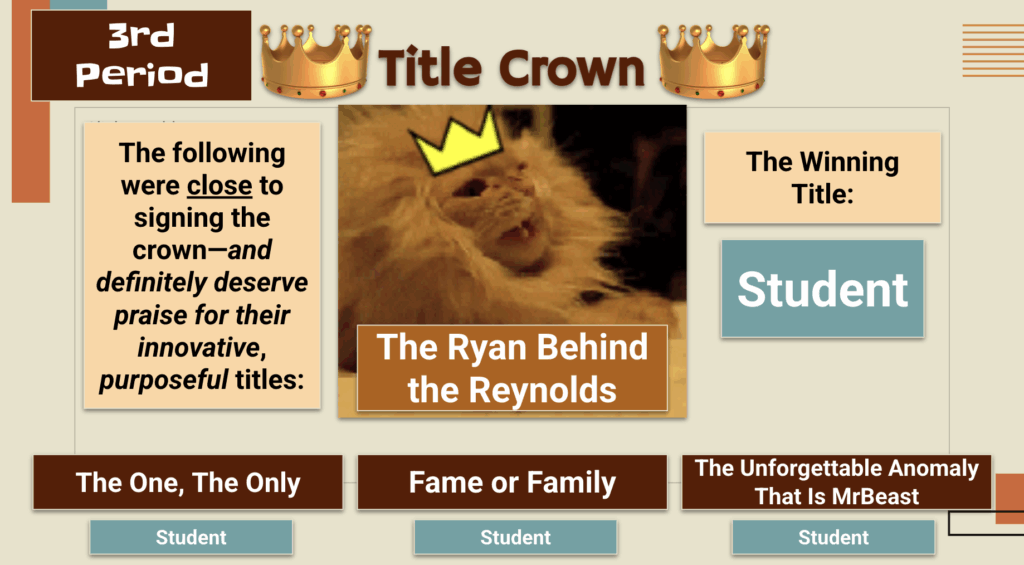
A significant evolution in Luther’s practice involves broadening the scope of what constitutes a "win" in student writing, moving beyond the singular metric of a final grade. In collaboration with colleague Andrea James, Luther has incorporated "specific wins" into feedback days, a departure from traditional collective feedback focused solely on overarching strengths and growth areas. During these sessions, dedicated time is allocated to highlighting individual, outstanding elements from student essays. Categories for recognition include "best title," "best opening or hook," "favorite sentence," and "strongest closing."
For each celebrated element, Luther projects the anonymous student example and articulates the specific qualities that render it effective. The top choice in each category earns the distinct privilege of "signing the crown"—a large, decorative cardstock crown initiated at the beginning of the year for various classroom competition winners. This ceremonial act, though seemingly minor, carries substantial weight in fostering a culture of specific, positive affirmation. For instance, in a research unit notoriously daunting for many students, one sophomore, initially disengaged, found renewed motivation through his biographical research on Ryan Reynolds. His creative title, "The Ryan Behind the Reynolds," was celebrated as the "best title." The student’s jubilant reaction, a "genuine roar of enthusiasm," and his subsequent wearing of the crown for the remainder of the period, illustrate the profound impact of such targeted recognition.
This strategy aligns with principles of positive psychology and self-determination theory, which emphasize the importance of competence, autonomy, and relatedness for sustained motivation. By isolating and celebrating specific strengths, educators can dismantle the perception that an imperfect grade equates to total failure. Instead, students learn to identify and value incremental successes within their work. As one student reflected after receiving a "best title" award, "I told myself I should at least try because I wanted to see if I could get it and I did!" This shift in focus cultivates confidence, encourages risk-taking in writing, and instills a sense of pride in specific achievements, which often serves as a powerful catalyst for overall improvement. The "title crown" becomes a tangible symbol of recognition, fostering a healthy, constructive competitive spirit and building a positive classroom environment where effort and creativity are visibly rewarded.
Active Engagement: Students as Curators and Learners
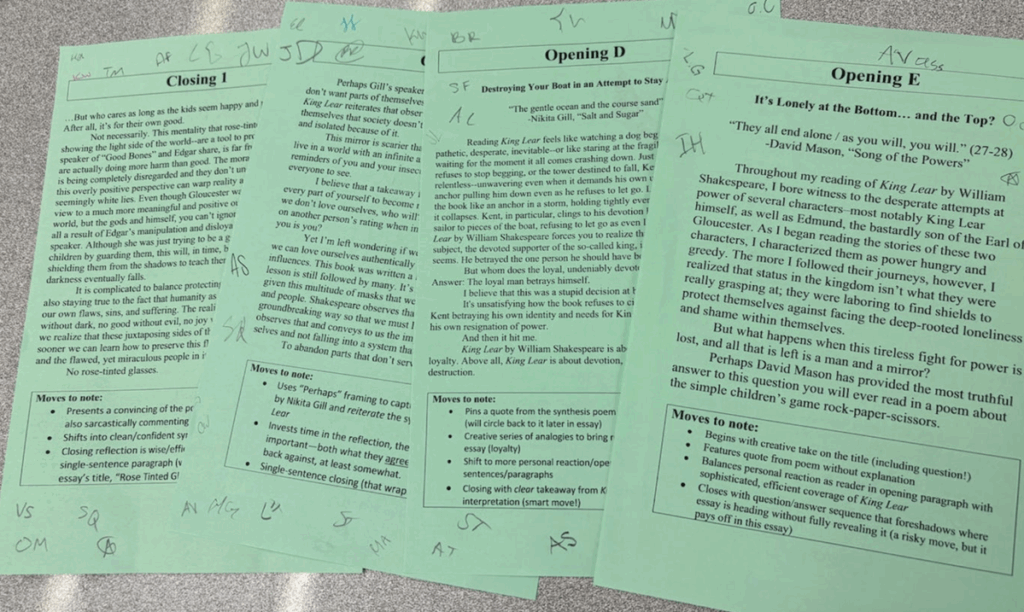
Luther’s pedagogical evolution has further led him to transition student exemplars from passive displays to active learning tools. This is exemplified in an activity conducted after a particularly challenging synthesis essay with junior students. The essay required students not only to interpret King Lear and a contemporary poem but also to independently design their essay’s structure, a deliberate effort to break free from conventional five-paragraph essay constraints. Noticing a significant improvement in the quality of student openings and closings compared to previous years, Luther leveraged this collective strength.
Prior to a lesson, he meticulously selected five distinct openings and five closings from the submitted essays. To maintain anonymity and focus on the writing itself, student names were removed. Crucially, Luther added a section titled "Moves to note" beneath each exemplar, providing his own analytical commentary on why the particular example was effective. These anonymous, annotated exemplars were then posted around the classroom for a "gallery walk." Students were tasked with traveling the room, observing their peers’ work, taking notes on elements they appreciated, and leaving their initials on pieces that particularly resonated. A debriefing session in small groups followed, allowing students to discuss their findings and articulate their learning.
This interactive approach offers multiple benefits. Firstly, it democratizes expertise, positioning students as both learners and contributors to a collective body of knowledge. Secondly, it provides diverse "pathways" for students to understand and emulate sophisticated writing techniques, offering a range of successful models rather than a single, prescriptive template. Thirdly, it significantly boosts the confidence of students whose work is featured. One student, whose writing was part of the gallery walk, reflected, "I am proud of the risks I took and my ability to insert my own voice into my essay when the thought of that terrified me at first." This statement perfectly encapsulates the dual outcome of such an activity: enhanced writing skills and increased self-assurance. The process transforms abstract writing concepts into concrete, relatable examples, fostering a deeper understanding and appreciation for the craft among students.

Weaving Narratives: Collective Creation and Belonging
Perhaps the most poignant demonstration of Luther’s exemplar-centered pedagogy is the creation of "collective poems." At the culmination of the first semester, students, having completed a writing portfolio self-reflection, anticipate the end of the academic period. Luther, however, introduces one final, unexpected activity: reading a new poem. The twist, however, is that this poem is a mosaic of their own making. Students are instructed to read the poem aloud, one line at a time, sequentially around the room.
As the reading progresses, whispers begin to circulate: "Hey, I wrote that." "This is from my poem." "I did this." The realization dawns upon them: the poem is a compilation of lines meticulously selected by Luther from individual narrative poems they had written earlier in the semester. For weeks, Luther engages in what he describes as "puzzle work," carefully weaving at least one line from every student’s individual poem into a cohesive "collective poem" for each of his classes. This collective piece is then saved for the final lesson of the semester.
The experience culminates in a powerful moment of shared ownership and collective pride. The room erupts into conversation as students recognize their own words, affirmed and celebrated by their peers. This activity fosters an unparalleled sense of community and belonging, demonstrating to each student that their voice is an indispensable thread in the fabric of their shared learning environment. As one student articulated in an end-of-year project, "It shows how each person, aware or not, is given a spot to be, which seems pretty meaningful to me. The poem truly became a symbol of the community we created – even in a classroom setting." Another reflected, "people can lift you and give you strength when you’re just given a place to be, each person offering a piece of their story to make a community." This strategy taps into the fundamental human need for connection and validation, transforming a seemingly ordinary writing assignment into a profound communal experience.
Pedagogical Underpinnings and Educational Research
Luther’s strategies are deeply rooted in established pedagogical theories and supported by extensive educational research. The emphasis on visible learning, a concept popularized by John Hattie, suggests that making student work public and transparent significantly accelerates learning. The "Beautiful Language Wall" and the gallery walks serve as tangible manifestations of this principle, allowing students to see and internalize the standards of excellence. Furthermore, the focus on specific, actionable feedback, rather than generic praise or sole reliance on grades, aligns with research on formative assessment, which highlights its critical role in guiding student learning and improvement.
The intentional cultivation of a positive classroom culture, where risk-taking is encouraged and celebrated, directly addresses findings from self-efficacy and motivation theories. When students feel their contributions are valued and that they belong, they are more likely to engage deeply with challenging tasks and persevere through difficulties. The anonymous sharing of exemplars minimizes comparison and fosters a collaborative spirit, while the specific recognition mechanisms (like the "title crown") tap into intrinsic motivators such as mastery and purpose, rather than solely relying on extrinsic rewards. The influence of educators like Kelly Gallagher, known for advocating authentic reading and writing practices, is evident in Luther’s commitment to genuine student expression and engagement.
Addressing the AI Imperative: Authenticity in the Digital Age
The current educational landscape is grappling with the profound implications of artificial intelligence, particularly its impact on writing instruction. The rise of AI tools capable of generating sophisticated text has introduced unprecedented challenges regarding academic integrity and the very definition of authentic student writing. In this context, Luther’s exemplar-centered approach gains heightened relevance and urgency.
By prioritizing authentic student voice, celebrating individual creative risks, and fostering a deep sense of community around shared writing, these strategies actively counter the dehumanizing potential of AI. When students see their own words, or the words of their peers, elevated and analyzed for their unique qualities, they are more likely to value their personal expression over algorithmically generated content. The emphasis shifts from merely producing text to crafting meaningful narratives and arguments that reflect individual thought and perspective. This approach encourages students to view writing as a deeply personal and communal act, rather than a performative task that can be outsourced. In an age where AI can mimic human writing, the ability to discern and appreciate authentic voice, to take creative risks, and to connect through shared stories becomes more critical than ever. Luther’s methods effectively re-center the human element in writing, preparing students not just for academic success but for a world where critical thinking, genuine expression, and ethical engagement with information are paramount.
Broader Implications for Writing Instruction
The systematic integration of student exemplars, as demonstrated by Marcus Luther, offers a compelling model for revitalizing writing instruction across educational settings. The implications extend beyond immediate improvements in writing quality and student confidence. Such practices cultivate a classroom environment where learning is visible, collaboration is inherent, and every student’s contribution holds intrinsic value. By making student work central to instruction, educators can create powerful feedback loops that are both affirming and academically rigorous.
This approach ensures that students not only become "better" writers in terms of skill but also "more confident" writers who are proud of their unique voices and capable of taking creative risks. It fosters a sense of collective ownership over the learning process, transforming the classroom into a dynamic space where students are both teachers and learners. In a world increasingly shaped by technology, the emphasis on human connection, authentic expression, and a strong sense of belonging, nurtured through shared writing, remains an invaluable cornerstone of holistic education. Luther’s choices to center student writing are not merely pedagogical techniques; they are expressions of a profound value system that places student voice, confidence, and community at the very heart of the learning experience.