


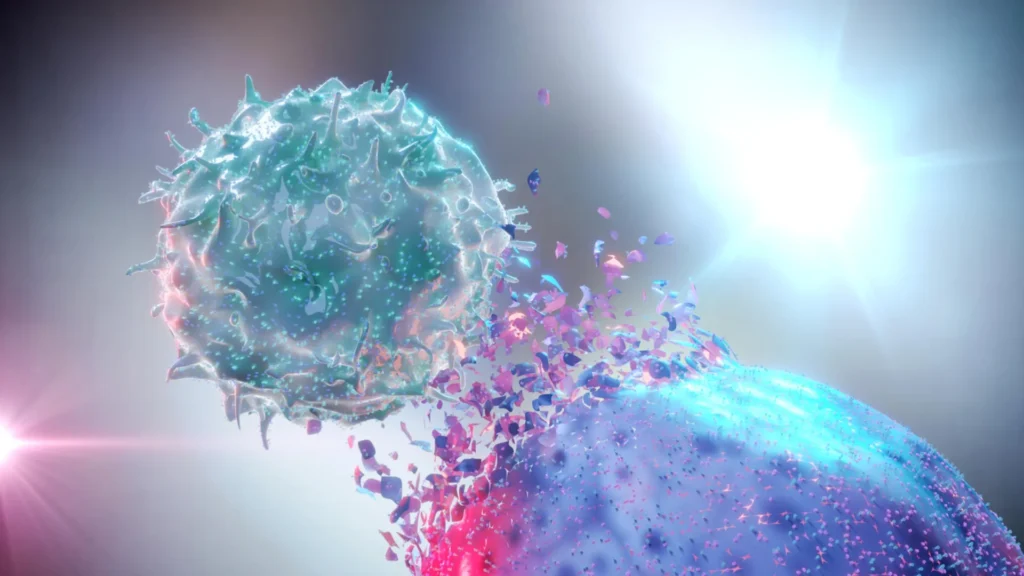
Natural killer (NK) cells stand as pivotal defenders within the intricate architecture of the human immune system. These specialized lymphocytes are at the forefront of the body’s innate immune response, acting as rapid-response agents against a spectrum of threats. Their primary function involves the early detection and elimination of invading microbes, foreign materials, and cells that have become damaged, stressed, or infected, thereby curtailing the spread of pathogens and preventing disease progression. NK cells operate in two main theaters: circulating dynamically through the bloodstream and lymphatic system, or establishing residence within specific tissues and organs, ready to spring into action locally. A critical threshold exists for NK cell populations; when their numbers or functional capacity fall too low, the immune system’s vigilance is compromised, dramatically escalating an individual’s susceptibility to a myriad of health challenges, from infections to certain types of cancer.
The modern landscape of public health has seen a worrying surge in mental health conditions, particularly anxiety disorders and chronic insomnia. Both conditions are increasingly recognized not merely as psychological burdens but as systemic stressors that profoundly disrupt the body’s physiological equilibrium, including the finely tuned mechanisms of immune activity. Given the escalating prevalence of these conditions, especially among young adults, a team of researchers in Saudi Arabia embarked on a crucial investigation into the relationship between anxiety, insomnia, and NK cell levels among young female students. Their compelling findings, which illuminate a significant immunological vulnerability, were meticulously documented and subsequently published in the esteemed journal, Frontiers in Immunology.
Understanding Natural Killer Cells: The Immune System’s First Responders
To appreciate the gravity of the study’s findings, it is essential to delve deeper into the role and significance of Natural Killer cells. Unlike T and B cells, which belong to the adaptive immune system and require prior exposure to a specific pathogen to mount a targeted response, NK cells are part of the innate immune system. This means they are pre-programmed to recognize and eliminate abnormal cells without the need for prior sensitization. They achieve this through a sophisticated array of activating and inhibitory receptors on their surface. When an NK cell encounters a target cell, its receptors ‘scan’ the target for signs of stress, infection, or malignancy. If the target cell lacks sufficient ‘self’ markers (e.g., MHC class I molecules, often downregulated by viruses or cancer cells) or expresses ‘danger’ signals, the NK cell becomes activated.
Once activated, NK cells unleash their cytotoxic arsenal. This primarily involves releasing perforin and granzymes, proteins that induce apoptosis (programmed cell death) in the target cell. Perforin creates pores in the target cell’s membrane, allowing granzymes to enter and trigger a cascade of events leading to its destruction. Beyond direct cytotoxicity, NK cells also play a vital immunoregulatory role by producing cytokines, such as interferon-gamma (IFN-γ) and tumor necrosis factor-alpha (TNF-α). These cytokines are crucial for coordinating immune responses, enhancing the activity of other immune cells like macrophages and T cells, and shaping the overall inflammatory environment.
NK cells are broadly categorized into two main functional subgroups based on the expression levels of CD16 and CD56 surface markers:
- CD16+CD56dim NK cells: These constitute the vast majority (around 90%) of NK cells found in peripheral blood. They are highly cytotoxic, specializing in direct cell killing, and are considered the primary effectors in the immune system’s immediate defense against virally infected cells and early-stage tumor cells.
- CD16+CD56high NK cells: While less abundant in the bloodstream (around 5-10%), these cells are more prevalent in secondary lymphoid organs and at sites of inflammation. They are characterized by their potent cytokine-producing capacity, contributing significantly to immunoregulation and the shaping of subsequent adaptive immune responses. Although they possess some cytotoxic potential, their main function is to release a broad spectrum of cytokines and chemokines that modulate the activity of other immune cells.
A robust and well-functioning NK cell population is thus indispensable for maintaining immune homeostasis and safeguarding against a range of diseases. A decline in their numbers or functional efficiency can leave the body vulnerable, making the current research findings particularly pertinent.
The Growing Shadow of Anxiety and Insomnia: A Global Health Challenge
The rise in anxiety disorders and insomnia is not a phenomenon isolated to any single region but a global public health crisis, exacerbated by modern lifestyles, socio-economic pressures, and, more recently, global events. Anxiety disorders, characterized by excessive worry, apprehension, and physical symptoms like restlessness and fatigue, affect millions worldwide. The World Health Organization (WHO) estimates that anxiety disorders are among the most common mental health conditions globally, impacting a significant portion of the population at some point in their lives. Similarly, insomnia, defined by persistent difficulty falling or staying asleep despite adequate opportunity, has reached epidemic proportions. Chronic sleep deprivation and disturbance are recognized as potent stressors, capable of derailing numerous physiological systems.
University students, in particular, represent a demographic acutely susceptible to these conditions. The pressures of academic performance, financial strain, social adjustments, and the transition to adulthood collectively create a fertile ground for the development of anxiety and sleep disturbances. Studies from various countries consistently report high rates of self-reported anxiety and insomnia among tertiary education students, often exceeding general population averages. This vulnerability underscores the importance of research focusing on this specific group, as their immune health during this formative period can have long-lasting implications.
Previous research has firmly established a bidirectional link between psychological stress, sleep deprivation, and immune function. Chronic stress activates the hypothalamic-pituitary-adrenal (HPA) axis, leading to sustained elevation of stress hormones like cortisol. While acute cortisol release can be anti-inflammatory, chronic exposure suppresses various aspects of the immune system, including the proliferation and function of lymphocytes like NK cells. Similarly, disrupted sleep patterns are known to alter cytokine profiles, reduce lymphocyte counts, and impair the effectiveness of immune responses, including vaccination efficacy. The current study builds upon this foundation by providing specific quantitative data on how these common conditions impact a crucial component of innate immunity.
Groundbreaking Research from Taibah University
Against this backdrop of increasing mental health challenges and their known physiological repercussions, researchers based at Taibah University in Saudi Arabia initiated their investigation. Taibah University, located in Medina, is a prominent institution in the region, actively contributing to scientific research and education. The study represents a significant contribution from the Kingdom of Saudi Arabia to the global understanding of psychoneuroimmunology, a field that explores the intricate interactions between psychological processes and the nervous and immune systems.
The research team, led by first author Dr. Renad Alhamawi, an assistant professor of immunology and immunotherapy at Taibah University, sought to quantify the precise relationship between symptoms of anxiety and insomnia and the levels of NK cells and their key subpopulations in a young female student cohort. "We found that in students with insomnia symptoms, count and percentage of total NK cells and their sub-populations were declined," stated Dr. Alhamawi, highlighting the direct impact of sleep disturbance. She further elaborated on the distinct findings for anxiety: "Students with general anxiety symptoms, on the other hand, had a lower percentage and number of circulatory NK cells and their sub-populations, compared to symptom-free students." This distinction underscores that while both conditions negatively affect NK cell populations, their precise immunological signatures might differ.
Unpacking the Methodology: A Look at the Study Design
The study was carefully designed to investigate the proposed links. A total of 60 female students, aged between 17 and 23 years, were recruited to participate. This specific age range captures a critical period of academic and personal development, often associated with heightened stress levels. The decision to focus exclusively on female participants, while limiting generalizability, acknowledges the disproportionately higher rates of anxiety and sleep problems reported in young women globally, making them a particularly vulnerable and relevant group for such an investigation.
Each participant underwent a comprehensive assessment that involved completing three distinct questionnaires. These surveys were designed to gather crucial sociodemographic information, along with self-reported data on symptoms consistent with anxiety and insomnia. While the specific scales used were not detailed, it is common practice in such studies to employ validated instruments like the Generalized Anxiety Disorder 7-item (GAD-7) scale for anxiety and the Pittsburgh Sleep Quality Index (PSQI) or Insomnia Severity Index (ISI) for insomnia. The reliance on self-reported data, a recognized limitation in many psychological studies, offers valuable insights into an individual’s subjective experience of their symptoms.
The survey results painted a clear picture of the mental health landscape within the student cohort. Approximately 53 percent of the students reported experiencing sleep difficulties consistent with clinical insomnia. Even more strikingly, 75 percent reported symptoms of anxiety, with a notable proportion falling into more severe categories: approximately 17 percent experienced moderate anxiety symptoms, and 13 percent reported severe anxiety symptoms. These figures align with broader trends indicating a high prevalence of mental health challenges among university students, underscoring the urgency of understanding their physiological consequences.
Beyond the psychological assessments, blood samples were collected from each participant. These samples were meticulously analyzed to quantify different types of NK cells, specifically focusing on the two main subgroups: CD16+CD56dim cells and CD16+CD56high cells. This sophisticated immunological analysis, typically performed using flow cytometry, allows for the precise enumeration and phenotyping of immune cell populations. By measuring both the absolute count and the percentage of these NK cell subsets, the researchers could gain a detailed understanding of how anxiety and insomnia might selectively impact these crucial immune components. The study’s methodological rigor in combining self-reported psychological states with objective immunological markers provides a robust foundation for its conclusions.
Key Findings: Differential Impact on NK Cell Subpopulations
The analysis of the collected data revealed compelling and statistically significant associations between anxiety and insomnia symptoms and reduced NK cell populations.
For students reporting symptoms of general anxiety, the researchers observed a clear pattern: both the overall percentage and the absolute number of circulatory NK cells, along with their specific subtypes (CD16+CD56dim and CD16+CD56high), were significantly lower compared to their symptom-free peers. This suggests a broad suppressive effect of anxiety on the availability of these critical immune cells in the bloodstream.
Furthermore, the severity of anxiety emerged as a crucial modulating factor. Students experiencing moderate or severe anxiety symptoms demonstrated a notably more pronounced reduction in the percentage of circulatory NK cells. In contrast, those with minimal or mild anxiety symptoms showed only a small, statistically insignificant decrease. This dose-response relationship strongly implies that as anxiety intensifies, so does its detrimental impact on NK cell populations, signaling a heightened immunological vulnerability in individuals facing more severe psychological distress. This finding is critical as it suggests that interventions aimed at managing anxiety, especially at higher severity levels, could have direct benefits for immune health.
The impact of insomnia symptoms was also distinct and significant. Students who reported difficulties consistent with insomnia exhibited declines in the count and percentage of total NK cells, as well as both CD16+CD56dim and CD16+CD56high subpopulations. This indicates that sleep disturbance affects both the cytotoxic and immunoregulatory arms of the NK cell system. An interesting additional finding related to insomnia was the observation that among students already experiencing insomnia symptoms, higher anxiety scores were specifically associated with a lower proportion of total peripheral NK cells. This suggests a potential synergistic or additive negative effect when both conditions coexist, amplifying the immune compromise.
The selective decline in both CD16+CD56dim and CD16+CD56high cells under different conditions has important functional implications. A reduction in CD16+CD56dim cells directly impairs the body’s immediate cytotoxic capacity against infected or cancerous cells. Meanwhile, a decline in CD16+CD56high cells compromises the critical cytokine-producing function, potentially disrupting broader immune coordination and the delicate balance of inflammatory responses. These findings provide granular insights into how psychological stressors can specifically target and diminish the numbers of these vital immune sentinels.
The Cascade Effect: Compromised Immunity and Health Risks
The implications of a compromised NK cell population are far-reaching and underscore a significant public health concern. A demonstrable drop in NK cell numbers and functional capacity inevitably weakens the body’s innate immune performance, consequently raising the likelihood of developing or exacerbating a wide array of health issues.
Foremost among these risks is an increased susceptibility to infectious diseases. NK cells are critical for early viral clearance, particularly against viruses like herpesviruses (e.g., HSV, CMV, EBV) and influenza. A reduction in NK cell activity can lead to more frequent, severe, or prolonged viral infections. Beyond viruses, NK cells also contribute to defense against certain bacterial and parasitic pathogens.
The link to cancer is equally profound. NK cells are often referred to as the immune system’s "cancer surveillance" agents. They are adept at recognizing and eliminating nascent tumor cells before they can establish clinically significant malignancies. A decline in NK cell function can therefore impair this crucial surveillance mechanism, potentially increasing the risk of cancer development or progression. This connection is particularly relevant given Dr. Alhamawi’s explanation: "Understanding how these psychological stressors influence the distribution and activity of immune cells, especially peripheral NK cells, may provide valuable insights into the mechanisms underlying inflammation and tumorigenesis." This statement points to the potential role of chronic psychological stress, mediated through immune alterations, in contributing to the initiation and advancement of cancerous processes and chronic inflammatory states, which are themselves risk factors for numerous diseases.
Furthermore, the relationship between immune dysregulation and mental health conditions such as depression is increasingly recognized. The "inflammation hypothesis of depression" posits that chronic low-grade inflammation, often influenced by stress and immune cell alterations, can contribute to the pathophysiology of mood disorders. While the study primarily focused on the impact of anxiety and insomnia on NK cells, the bidirectional nature of these interactions suggests that compromised NK cell function could, in turn, contribute to a cycle of immune dysregulation that exacerbates mental health challenges.
Navigating the Limitations and Future Research Pathways
While the study offers crucial insights, the researchers themselves were careful to acknowledge several limitations inherent in its design. A primary limitation is the study’s narrow focus on only young female participants. While this demographic is highly relevant due to their disproportionate rates of anxiety and sleep problems, it inherently limits how widely these specific results can be applied to other populations. For instance, immune responses can vary significantly by age, sex, hormonal status, and ethnic background. The study’s cross-sectional nature, capturing data at a single point in time, also means it can identify associations but cannot definitively establish causality. It cannot determine if anxiety and insomnia directly cause the NK cell decline or if other unmeasured factors might be at play.
Additionally, the reliance on self-reported questionnaires for anxiety and insomnia symptoms, while practical and informative, may be subject to recall bias or subjective interpretation. Objective measures, such as polysomnography for sleep architecture or clinical diagnostic interviews for anxiety disorders, could provide more robust and detailed insights into the severity and nature of these conditions.
Recognizing these limitations, the research team strongly emphasized the critical need for future studies that adopt a broader and more inclusive approach. They called for investigations involving a wider range of ages, including adolescents, middle-aged adults, and the elderly, as well as participants of diverse sexes and from various geographic regions. Such comprehensive research would offer a more complete and nuanced understanding of how anxiety and insomnia influence NK cell levels and function across the global population. Longitudinal studies, which track participants over time, would also be invaluable in establishing causal relationships and observing the dynamic interplay between psychological stress, immune changes, and health outcomes. Furthermore, future research could explore the underlying molecular and cellular mechanisms through which anxiety and insomnia exert their effects on NK cell biology, potentially identifying novel therapeutic targets.
The Broader Picture: Stress, Lifestyle, and Immune Resilience
The findings from Taibah University resonate with a growing body of scientific evidence underscoring the profound connection between psychological well-being, lifestyle choices, and immune resilience. Chronic stress, whether from anxiety, insomnia, or other life stressors, activates the body’s fight-or-flight response, leading to sustained physiological changes. The sustained release of stress hormones, particularly cortisol and catecholamines, has well-documented immunosuppressive effects. Cortisol, in particular, can inhibit the production and activity of various immune cells, including NK cells, by altering gene expression and promoting their apoptosis. Catecholamines can also modulate immune cell trafficking and function, often skewing immune responses in ways that can be detrimental over time.
Fortunately, previous research consistently suggests that proactive lifestyle measures can significantly bolster immune function and potentially counteract the negative impacts of stress. Consistent physical activity is a cornerstone of immune health. Regular moderate exercise has been shown to enhance NK cell activity, increase their numbers, and improve their cytotoxic efficiency. This is partly due to exercise-induced reductions in stress hormones and the release of myokines that have immunomodulatory effects.
Stress reduction techniques are equally vital. Practices such as mindfulness meditation, yoga, deep breathing exercises, and cognitive-behavioral therapy (CBT) have been demonstrated to lower cortisol levels, modulate inflammatory markers, and improve sleep quality, all of which can indirectly support NK cell function. These practices help to regulate the autonomic nervous system, shifting it away from chronic sympathetic (fight-or-flight) dominance towards a more balanced state that supports immune homeostasis.
A balanced and nutrient-rich diet also plays a critical role. Diets rich in fruits, vegetables, whole grains, and lean proteins, and low in processed foods, sugar, and unhealthy fats, provide essential vitamins, minerals, and antioxidants that are crucial for immune cell development and function. Micronutrients like Vitamin D, Vitamin C, Zinc, and Selenium are particularly important for NK cell activity. Furthermore, a healthy gut microbiome, nurtured by a fiber-rich diet, is increasingly recognized as a key modulator of systemic immune responses, including NK cell function.
These lifestyle interventions are not merely adjuncts but foundational pillars for maintaining optimal immune health in the face of psychological stressors. By mitigating the physiological cascade initiated by anxiety and insomnia, they offer tangible pathways to supporting the body’s intrinsic defense mechanisms.
Public Health and Clinical Implications: A Call to Action
The findings from the Saudi Arabian study carry significant public health and clinical implications. They serve as a compelling call to action, emphasizing the urgent need for integrated approaches to address mental health and immune well-being, particularly within vulnerable populations like young students.
From a public health perspective, the high prevalence of anxiety and insomnia among students, coupled with their demonstrable impact on NK cell immunity, highlights the necessity of robust mental health support systems within educational institutions. Early identification, accessible counseling services, stress management programs, and sleep hygiene education should be prioritized to mitigate the long-term health consequences for this demographic. Policies that promote a supportive academic environment, reduce academic pressure, and encourage healthy lifestyle choices are also crucial.
Clinically, these findings suggest that individuals presenting with chronic anxiety or insomnia, especially those with moderate to severe symptoms, might benefit from a more comprehensive health assessment that considers their immune status. While routine NK cell monitoring is not yet standard practice, this research opens avenues for future clinical guidelines that could recommend immune assessments in at-risk groups. Furthermore, the study underscores the importance of treating anxiety and insomnia not just as isolated psychological conditions but as systemic disorders with significant physiological ramifications. Integrated care models that combine psychological therapies with lifestyle interventions could be particularly effective in restoring both mental and immune health.
The economic and societal burden of unaddressed mental health issues and their associated immune dysregulation is substantial. Chronic illness, reduced productivity, and diminished quality of life contribute to significant healthcare costs and societal challenges. By illuminating a specific immunological pathway through which anxiety and insomnia exert their negative effects, this research provides further impetus for investing in mental health services and preventative health strategies. "Such impacts ultimately compromise overall health and quality of life," concluded Dr. Alhamawi, succinctly encapsulating the far-reaching consequences of neglecting the intricate connection between our psychological state and our physical defenses. The study is a stark reminder that a healthy mind and a healthy body are inextricably linked, with the immune system serving as a crucial bridge between the two.