



As the digital transformation of education accelerates, a critical disparity is emerging: not all students experience online learning equally. This “hidden learning gap” arises from a complex interplay of factors including access to technology, digital literacy, and individual support systems. Recognizing and actively addressing these differences through intentional course design is no longer an option but a necessity for fostering inclusive and effective learning environments. This imperative is being highlighted by educational technology leaders and practitioners who are advocating for a shift from designing for an idealized student to designing for the diverse realities of actual learners.
The impending start of a new academic semester often finds educators meticulously preparing their digital course shells, uploading materials, and organizing resources. However, the moment students log in, each brings a unique set of expectations, varying levels of technological access, and diverse confidence levels with digital learning platforms. This inherent variability presents a significant challenge for instructors aiming to ensure every student feels supported and positioned for success. The overwhelming demands of teaching, grading, administrative tasks, and professional development can make the prospect of implementing inclusive course design seem daunting.
Lauren Goodman, Head of Solutions Marketing at Moodle, a leading open-source learning management system provider, acknowledges this common educator experience. "Most instructors care deeply about their learners and want their courses to work for everyone," Goodman stated. "The challenge is that students don’t all arrive with the same access, skills, or support – and those differences can profoundly shape their experiences from day one." This sentiment underscores a growing consensus within the education sector that equitable design requires an understanding of learners in all their variety, rather than an abstract or idealized student profile. The concept of the "hidden learning gap" specifically refers to these pre-existing differences in learners’ circumstances that can significantly influence their engagement with content, their ability to participate in learning activities, and their capacity to demonstrate acquired knowledge.
The Unseen Realities of Digital Classrooms
The transition to widespread digital learning, accelerated by global events and technological advancements, has brought the disparities in student experiences to the forefront. Educators frequently witness firsthand how even minor discrepancies in access or digital confidence can lead to disparate learning outcomes. Goodman, drawing from her experience in learning design with Moodle Services and her previous collaborations with faculty on course development, emphasizes this reality.
"It’s tempting to assume learners start from the same general place," Goodman observed, "but in reality, every person has a different level of access." This seemingly simple statement carries profound implications. Consider two students who appear online and ready to learn. One might be utilizing a high-performance laptop with a robust, high-speed internet connection and possess years of experience navigating complex digital learning platforms. The other, however, might be sharing a device with family members, contending with intermittent or slow internet connectivity, or have limited prior exposure to online educational environments. Without deliberate and thoughtful design interventions, these differing circumstances can inadvertently create significant barriers to learning, making the educational journey unnecessarily arduous.
Goodman offers a practical framework for addressing these disparities: "A useful way to approach course design is to think about learners working within real-world constraints – patchy internet, older devices, or working in shared spaces (like a public library or dormitory lounge)," she explained. "When you design with those realities in mind, the learning experience works better for everyone." The encouraging news for educators is that substantial improvements in inclusivity do not necessarily require a complete overhaul of existing course structures. Small, targeted adjustments can yield significant positive impacts.

Prioritizing Small, Intentional Design Choices
The foundation of inclusive, human-centered learning often lies in the adoption of straightforward, yet impactful, design principles. One fundamental strategy involves structuring content in a clear, logical manner, ensuring students can easily discern the sequence of tasks and understand what is expected of them at each stage. Offering learning materials in multiple formats can also cater to diverse learning preferences and technological capabilities. Furthermore, providing unambiguous instructions and ensuring predictable navigation within the learning platform significantly enhances the overall online learning environment.
Activities designed to be resilient to perfect connectivity are crucial for preventing learners with limited access from being marginalized. For instance, instead of requiring real-time, high-bandwidth participation in every activity, educators can incorporate options for asynchronous engagement or provide downloadable materials for offline review. These individual modifications, when implemented consistently, can provide vital support for learners facing various challenges. When these thoughtful adjustments are combined, they contribute to courses that are not only clearer and easier to navigate but also profoundly more supportive for every student, creating a win-win scenario for the entire learning community.
Accessibility is a prime example of where intentional design makes a substantial difference. Goodman highlights this point: "Accessible learning works best when it’s part of the design process from the beginning. Add headings as you create pages. Include alt text when you upload images. Check colour contrast as you go. Educate yourself about web accessibility basics and apply this to every course-building decision." This proactive approach to accessibility benefits all learners, not just those with diagnosed disabilities. For example, clear headings and alt text improve navigation and comprehension for everyone, especially for students using screen readers or experiencing cognitive load.
The responsibility for embedding accessibility does not solely rest with specialized learning designers. Any educator involved in course creation can cultivate habits that promote inclusivity from the outset. By integrating accessibility considerations into the initial design phase, educators can significantly reduce the need for time-consuming retrofitting of fixes later on, ensuring a smoother and more supportive experience for all learners throughout their academic journey. This commitment to universal design principles in education aligns with broader trends in user experience design, where anticipating diverse needs from the beginning leads to more robust and user-friendly products and services.
Translating Awareness into Tangible Action
While accessibility is a critical starting point, it represents a broader commitment to designing courses that genuinely reflect the diverse realities learners bring to the digital classroom. At first glance, students who can successfully log into a learning platform may appear ready to engage, but this assumption often overlooks the nuanced challenges they might face. Cultivating a more equitable learning environment necessitates looking beyond mere technical access to ensure that every learner can actively participate once they are present in the digital space.
"Getting online is only the first step," Goodman emphasizes. "What really matters is whether learners can confidently navigate the course, understand what’s expected of them, and stay engaged once they arrive. As educators, we need to be ready for every learner who shows up." This calls for a pedagogical approach that is empathetic, adaptable, and informed by an understanding of the varied contexts of student life.
For educators seeking guidance on how to initiate or enhance the creation of more inclusive learning environments, the availability of resources is growing. Moodle, through its services division, has developed a practical guide aimed at assisting educators in this endeavor. "Bridging the hidden learning gap" distills years of experience supporting faculty and students in online learning environments into actionable strategies. The resource offers practical ideas, expert advice, and realistic approaches that educators can implement immediately to create courses that better accommodate a wider spectrum of learners.

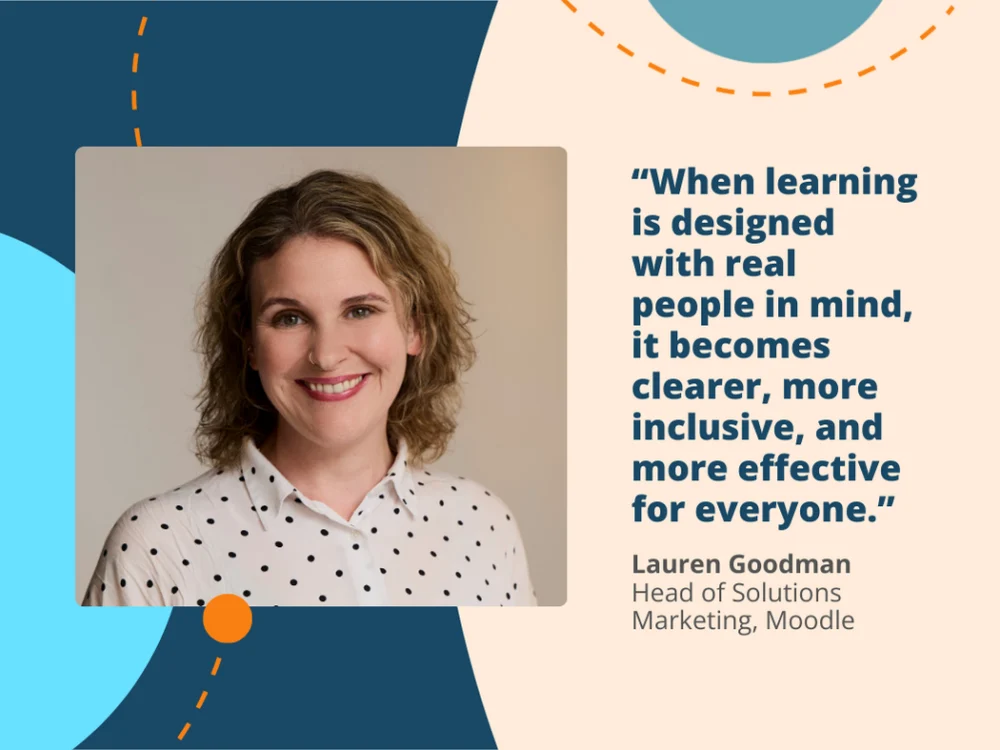
The underlying philosophy of this resource, and indeed the broader movement towards inclusive design, is to shift the focus from striving for an unattainable ideal of perfection to designing for the actual learners who are present. As Goodman aptly summarizes, "When learning is designed with real people in mind, it becomes clearer, more inclusive, and more effective for everyone." This human-centered approach acknowledges that education is not a one-size-fits-all endeavor but a dynamic process that must adapt to the multifaceted needs of its participants.
Implications for the Future of Education
The recognition of the "hidden learning gap" and the call for more inclusive course design have significant implications for the future of education. As institutions increasingly rely on digital platforms for course delivery, the onus is on educators and educational technology providers to ensure that these platforms and the pedagogical approaches employed within them are equitable. This trend aligns with broader societal movements towards greater social justice and equity, extending these principles into the academic sphere.
The data surrounding digital access and literacy continues to evolve. According to recent reports from the Pew Research Center, while internet adoption rates remain high in developed nations, disparities persist based on socioeconomic status, geographic location, and age. For instance, a significant portion of lower-income households still lack reliable broadband internet access, and the digital skills gap remains a challenge for older adults and those with limited prior exposure to technology. These statistics provide concrete evidence that the "hidden learning gap" is not a hypothetical concern but a tangible reality impacting millions of students.
Furthermore, the pandemic’s rapid shift to remote learning exposed vulnerabilities in existing educational systems, prompting a re-evaluation of pedagogical strategies. Institutions that have invested in faculty training on inclusive online pedagogy and provided resources for accessible course design are likely to see improved student retention, engagement, and academic success. Conversely, those that have not prioritized these aspects may find themselves struggling to meet the needs of an increasingly diverse student population.
The proactive adoption of universal design for learning (UDL) principles, which emphasize providing multiple means of representation, engagement, and action and expression, is a key strategy for bridging the hidden learning gap. By embedding these principles into the core of course development, educators can create learning experiences that are inherently more adaptable and supportive, benefiting all students regardless of their individual circumstances.
Ultimately, the movement towards inclusive digital learning is not merely about technological implementation; it is about a fundamental shift in educational philosophy. It is about recognizing the inherent worth and potential of every learner and actively working to dismantle the barriers that might prevent them from achieving their full academic potential. As educators continue to refine their approaches, the emphasis will remain on creating learning environments that are not only effective but also equitable, accessible, and profoundly human-centered. The call to action is clear: design for the learners you have, and in doing so, unlock the potential for a more inclusive and successful educational future for all.