

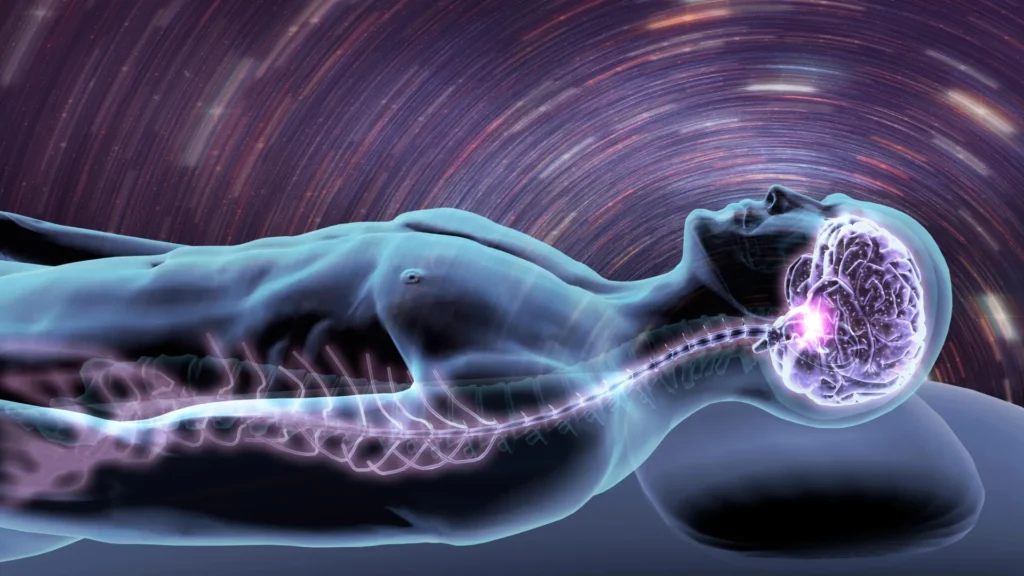

In the classic 1835 fairytale by Hans Christian Andersen, The Princess and the Pea, a queen tests a young woman’s nobility by placing a single legume beneath twenty mattresses and twenty eiderdown quilts. The narrative suggests that only a true princess possesses the physical sensitivity to be bruised by such a small discomfort. However, modern clinical sleep medicine offers a different interpretation of the princess’s restless night. While the fairytale blames the pea, a sleep specialist would likely point to the princess’s sleeping position and the resulting lack of spinal alignment or respiratory efficiency. Sleep quality is not merely a matter of luxury or sensitivity; it is a fundamental pillar of biological health governed by the physics of the body and the mechanics of the airway.
The question of which sleeping position is objectively "best" remains a subject of intense scientific inquiry. To navigate the complexities of nocturnal ergonomics, medical professionals emphasize that there is no universal solution. Instead, the optimal position is determined by a confluence of individual anatomy, existing health conditions, and respiratory requirements. Dr. John Saito, a prominent representative for the American Academy of Sleep Medicine, suggests that while everyone has a preferred style of rest—whether curled in a fetal ball or lying flat on the back—the efficacy of that position depends entirely on the clinical context of the individual.
The Evolution of Sleep Science A Chronology of Understanding
The scientific study of sleep positions has evolved significantly over the last century. In the early 1900s, sleep was often viewed as a passive state of "nothingness." It was not until the mid-20th century, with the discovery of Rapid Eye Movement (REM) sleep in 1953 by Eugene Aserinsky and Nathaniel Kleitman, that researchers began to understand sleep as an active, complex neurological process.
By the 1970s and 80s, the rise of polysomnography—the "sleep study"—allowed clinicians to observe how body orientation affected breathing and heart rate. In 1994, the "Back to Sleep" campaign (now known as Safe to Sleep) revolutionized infant care by demonstrating that placing babies on their backs significantly reduced the incidence of Sudden Infant Death Syndrome (SIDS). This marked a turning point where sleeping position was no longer seen as a matter of comfort, but as a critical factor in mortality and long-term health. Today, the focus has shifted toward "personalized sleep medicine," where positions are tailored to manage chronic conditions like obstructive sleep apnea (OSA), gastroesophageal reflux disease (GERD), and neurodegenerative risks.
The ABCs of Respiratory Therapy in Sleep
Dr. Saito notes that the foundation of any healthy sleep position begins with the "ABCs" of respiratory therapy: Airway, Breathing, and Circulation. When the body enters a state of rest, muscle tone decreases, which can cause the soft tissues of the throat and the tongue to succumb to gravity.
For individuals lying in the supine position (on the back), gravity can be a double-edged sword. If the head and neck are supported by a pillow that maintains a neutral spine, the airway remains unobstructed, allowing for deep, rhythmic breathing. However, for the estimated 39 million American adults suffering from sleep apnea, the supine position can be hazardous. In this orientation, the tongue is prone to falling toward the back of the throat, narrowing or completely blocking the upper airway. This leads to fragmented sleep, oxygen desaturation, and increased strain on the cardiovascular system. Consequently, for those with OSA, "positional therapy"—which encourages side-sleeping—is often a primary clinical recommendation.
The Lateral Debate Left vs. Right Side Sleeping
For the majority of adults, lateral sleeping (on the side) is the most common and often the most recommended orientation, but even this choice carries distinct physiological consequences depending on which side one chooses.
The Right Side and Cardiovascular Efficiency
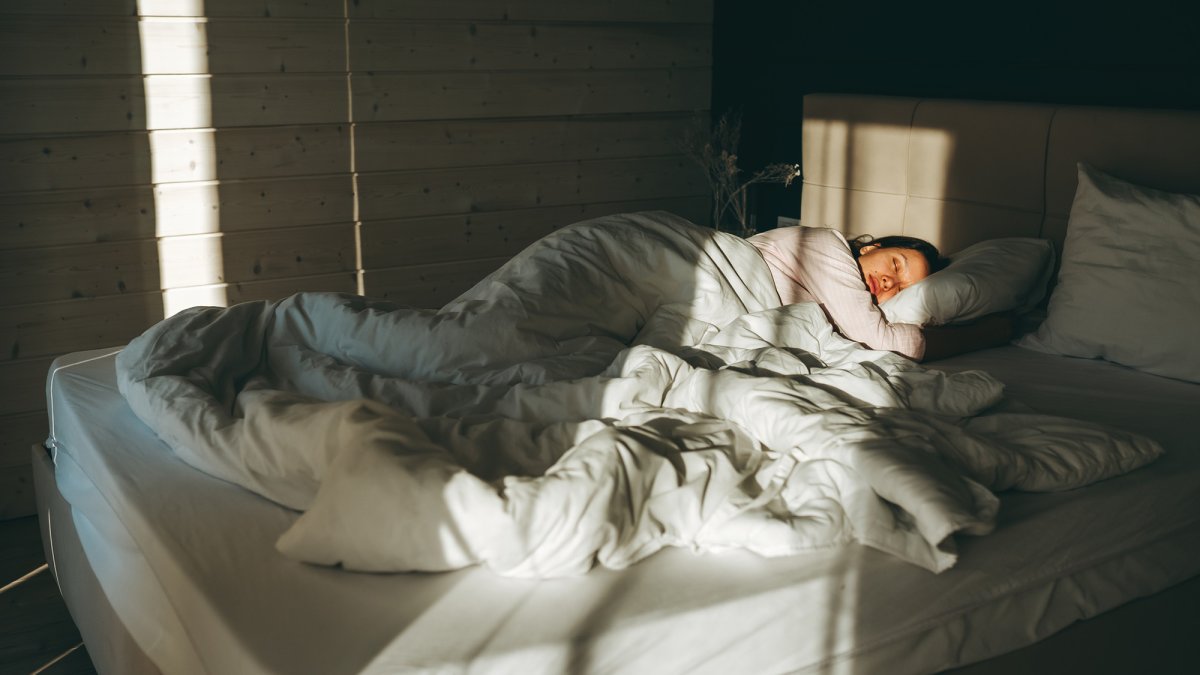
Research suggests that sleeping on the right side may be beneficial for heart health, particularly for those with certain cardiac conditions. In this position, the mediastinum—the central compartment of the thoracic cavity that houses the heart—helps hold the organ in place. By leaning to the right, the heart is less likely to shift or experience pressure from the lungs, potentially improving blood flow and reducing the heart’s workload during the night.
The Left Side and Neurological Waste Clearance
Conversely, sleeping on the left side has gained attention for its role in the glymphatic system. This system acts as the brain’s specialized waste clearance network, utilizing cerebrospinal fluid to wash away metabolic byproducts. Among these byproducts are proteins like beta-amyloid and tau, which are closely linked to the development of Alzheimer’s disease and other forms of dementia. A 2015 study published in the Journal of Neuroscience found that the glymphatic system functions most efficiently when the body is in a lateral position, with some evidence suggesting the left side facilitates better drainage due to the body’s lymphatic architecture and the way gravity interacts with the digestive system.
Furthermore, left-side sleeping is the gold standard for individuals suffering from acid reflux. Because the stomach is located on the left side of the body, lying on the left keeps the gastric juices below the level of the esophagus, preventing the "backwash" that causes heartburn.
Orthopedic Alignment and the Role of the Spine
Beyond internal organ function, sleep positions are the primary factor in musculoskeletal health. Chronic back and neck pain are often exacerbated, if not caused, by poor nocturnal posture.
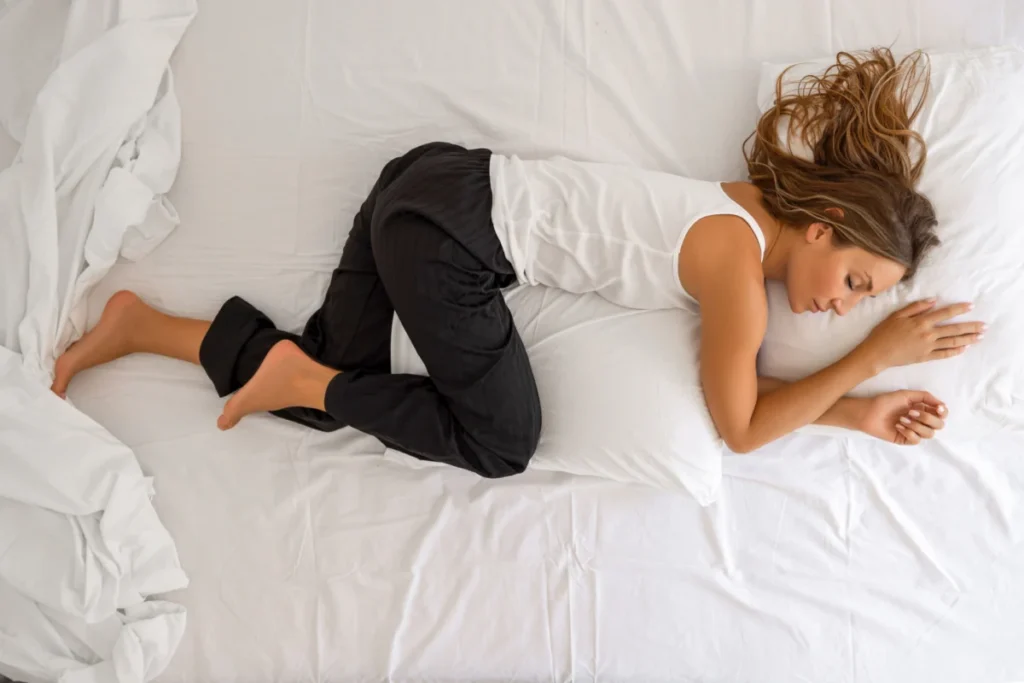
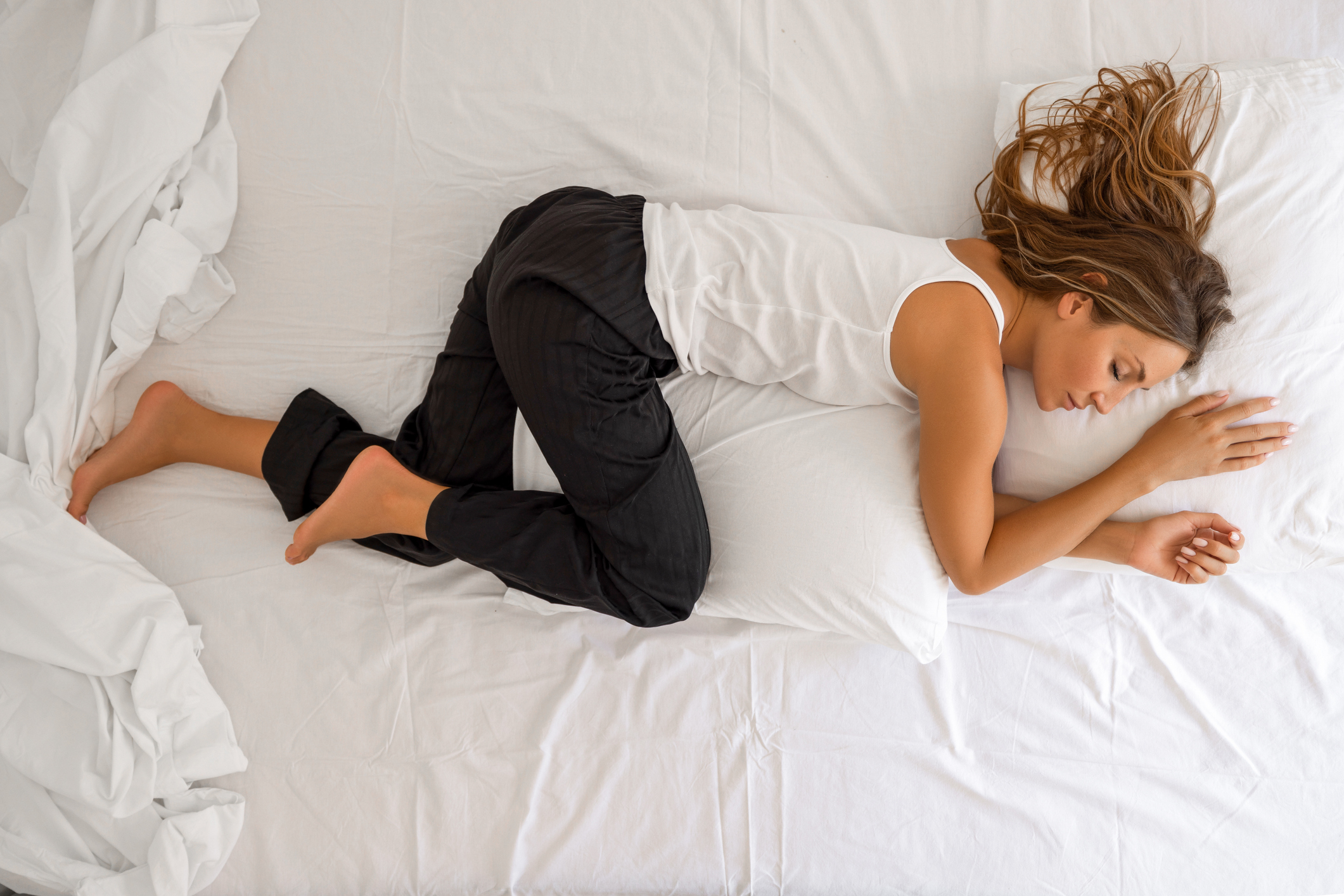
The fetal position, characterized by curled knees and a tucked chin, is the most popular sleeping posture. While it can provide a sense of security and help ease lower back pain by opening the space between spinal vertebrae, being too tightly curled can be counterproductive. Excessive flexion of the torso can compress the diaphragm, restricting the volume of the lungs and making breathing more labored.
To mitigate these issues, sleep experts recommend a "linear lateral" position. By keeping the body relatively straight and placing a firm pillow between the knees, a sleeper can keep their hips, pelvis, and spine in better alignment. This reduces the rotational strain on the lower back and prevents the upper leg from pulling the spine out of its neutral position.
The Supine and Prone Positions Risks and Rewards
The supine position (back) is often cited by dermatologists as the best for preventing facial wrinkles and acne, as it keeps the face away from pillowcases that harbor oils and bacteria. Orthopedically, it allows the weight of the body to be distributed evenly across the largest surface area. However, without a pillow under the knees to maintain the natural curve of the lower back, it can lead to significant lumbar strain.
The prone position (stomach) is generally discouraged by the medical community. While it may reduce snoring in some cases, it forces the neck to be turned at a sharp 90-degree angle for hours at a time, leading to cervical spine strain and tension headaches. Additionally, it places the most pressure on the body’s joints and muscles, often leading to numbness or tingling known as paresthesia.
The Reality of Nocturnal Movement
A common misconception is that a "good" sleeper remains motionless throughout the night. Dr. Saito clarifies that moving is a natural and necessary biological function. Repositioning allows the body to maintain circulation to various tissues and prevents pressure sores or stiffness.
However, there is a clinical distinction between healthy repositioning and "excessive movement." Frequent tossing and turning are often symptomatic of an underlying issue, such as Restless Leg Syndrome (RLS), environmental discomfort, or a respiratory struggle. If a sleeper is constantly moving because they cannot find a comfortable position, it indicates that their "ABC" needs are not being met, leading to a state of "micro-arousals" that prevent the brain from entering deep, restorative REM sleep.
Broader Implications and Public Health
The impact of sleep position extends far beyond individual comfort; it is a matter of public health and economic stability. According to the Centers for Disease Control and Prevention (CDC), one-third of American adults report getting less than the recommended seven hours of sleep per night. Sleep deprivation is linked to an increased risk of obesity, type 2 diabetes, cardiovascular disease, and depression.
From an economic perspective, the Rand Corporation estimates that sleep deprivation costs the United States economy up to $411 billion a year in lost productivity and workplace accidents. By optimizing sleeping positions and improving sleep hygiene, a significant portion of these health and economic burdens could be mitigated.
Practical Recommendations for Optimal Rest
While there is no "one-size-fits-all" posture, Dr. Saito and the American Academy of Sleep Medicine offer actionable tips for various demographics:
- For Chronic Snokers/Apnea Sufferers: Avoid the back. Use a "snore shirt" or a body pillow to stay on the side.
- For Pregnant Women: Sleep on the left side. This improves circulation to the heart and allows for better blood flow to the placenta, avoiding pressure on the inferior vena cava.
- For Lower Back Pain: If on the side, place a pillow between the knees. If on the back, place a pillow under the knees to offload the spine.
- For Neck Pain: Ensure the pillow fills the gap between the ear and the shoulder, keeping the neck in a straight line with the rest of the spine.
In conclusion, the best sleeping position is the one that facilitates unobstructed breathing, maintains spinal neutrality, and allows the individual to remain in a state of rest long enough to complete all necessary sleep cycles. Much like the princess in the fairytale, our bodies are finely tuned instruments that react to the slightest misalignment. However, by applying the principles of respiratory and orthopedic science, we can ensure that our sleep is determined not by the "peas" of discomfort, but by informed, health-conscious choices.