



The landscape of education is undergoing a crucial re-evaluation, bringing to light the profound impact of neurodiversity within its professional ranks. For too long, the demanding, multifaceted role of an educator has been implicitly designed for a "neuronormative" brain, inadvertently creating systemic hurdles for teachers who process information, manage executive functions, or navigate sensory environments differently. This critical examination reveals that recognizing and actively supporting neurodivergent educators — including those with ADHD, autism, dyslexia, and other forms of cognitive diversity — is not merely an act of accommodation, but a vital step towards enriching school communities, fostering innovation, and ensuring a more authentic, empathetic learning experience for all students.
The daily reality of teaching requires an intense and sustained exercise of executive functions. From meticulous lesson planning and curriculum development to managing student support programs, grading an endless stream of assignments, and responding to constant communication, the cognitive load is immense. Many educators, particularly those early in their careers, find themselves perpetually juggling, improvising, and battling a sense of being overwhelmed, often without understanding the underlying reasons. For a significant cohort, this persistent struggle is increasingly being linked to undiagnosed or unacknowledged neurodivergence, such as ADHD, where the demands for sustained attention, organization, and working memory clash with inherent neurological differences. What appears effortless for some colleagues can feel like an insurmountable challenge, leading to exhaustion and, eventually, burnout.
The Unseen Burden: Executive Functioning and the Educator’s Role
The typical school environment is a dynamic, often chaotic, ecosystem. Educators are expected to pivot rapidly between tasks, manage multiple streams of information simultaneously, tolerate high levels of sensory input (noise, light, movement), and maintain a consistent public persona. Studies consistently highlight high rates of stress and burnout among teachers, with figures often ranging from 40% to 50% reporting significant levels of stress. While many factors contribute to this, the sheer volume and complexity of executive functioning demands — planning, organizing, prioritizing, task initiation, self-regulation, and working memory — are often underestimated. For neurodivergent individuals, these demands are amplified, as their brains may process these functions differently, making tasks that are standard for others disproportionately draining. The reliance on memory for administrative tasks, the need for seamless transitions between diverse classroom activities, and the constant social interaction can deplete cognitive reserves far more rapidly.
A Shifting Paradigm: Understanding Neurodiversity and Delayed Diagnoses

A significant aspect of this evolving discussion centers on what is often termed the "lost generation" of neurodivergent adults. Many teachers currently in their 30s, 40s, and 50s grew up in an era when understanding of neurodiversity was limited and diagnostic criteria were considerably narrower. ADHD, for example, was frequently associated primarily with hyperactive boys, overlooking more inattentive presentations, particularly in girls and those who developed sophisticated coping mechanisms. Similarly, autism diagnoses were often restricted to more pronounced presentations, leading to many individuals, especially girls and those with less outwardly noticeable traits, being undiagnosed or misdiagnosed in childhood.
The past decade has witnessed a societal awakening regarding neurodiversity. Increased public awareness, fueled by social media, podcasts, and personal narratives, has led to a surge in adult diagnoses. For many educators, this realization often comes later in life, sometimes triggered by their own children receiving diagnoses, prompting a profound process of self-reflection and reinterpretation of their life experiences. This moment of recognition can bring immense relief, providing a framework to understand lifelong patterns of overwhelm, inconsistency, and burnout. However, it can also be accompanied by a sense of grief for the decades spent in self-blame, battling internal struggles without appropriate language or support, and the exhaustion from constantly masking their differences to conform to neuronormative expectations.
The irony is striking: these educators were trained to identify and support neurodivergent traits in their students, yet the tools for self-diagnosis and self-understanding were absent. They learned to document behaviors and implement interventions for students but rarely applied the same lens to their own struggles with paperwork deadlines, organizational challenges, or the constant need to "reinvent the wheel" for lesson planning. This journey of self-discovery, while liberating, can also be destabilizing, forcing a re-evaluation of one’s professional identity and relationship with the educational system.
Despite the growing awareness, significant stigma persists. Admitting difficulties with executive functioning, attention, or sensory regulation can feel professionally risky. The ingrained expectation that educators must always appear "composed" and "in control" often leads neurodivergent teachers to remain silent about their experiences, fearing that disclosure could be misinterpreted as incompetence or a lack of dedication. This culture of silence perpetuates the challenges and prevents the implementation of much-needed systemic support.
Beyond Deficit: The Distinctive Contributions of Neurodivergent Teachers
Far from being a liability, neurodivergence often endows educators with unique strengths that are invaluable in the classroom and school community. When neurodivergent traits are reframed as variations in cognitive processing rather than deficits, their profound contributions become evident. Research on diverse workforces consistently demonstrates that cognitive diversity leads to increased innovation, problem-solving capabilities, and overall organizational resilience.
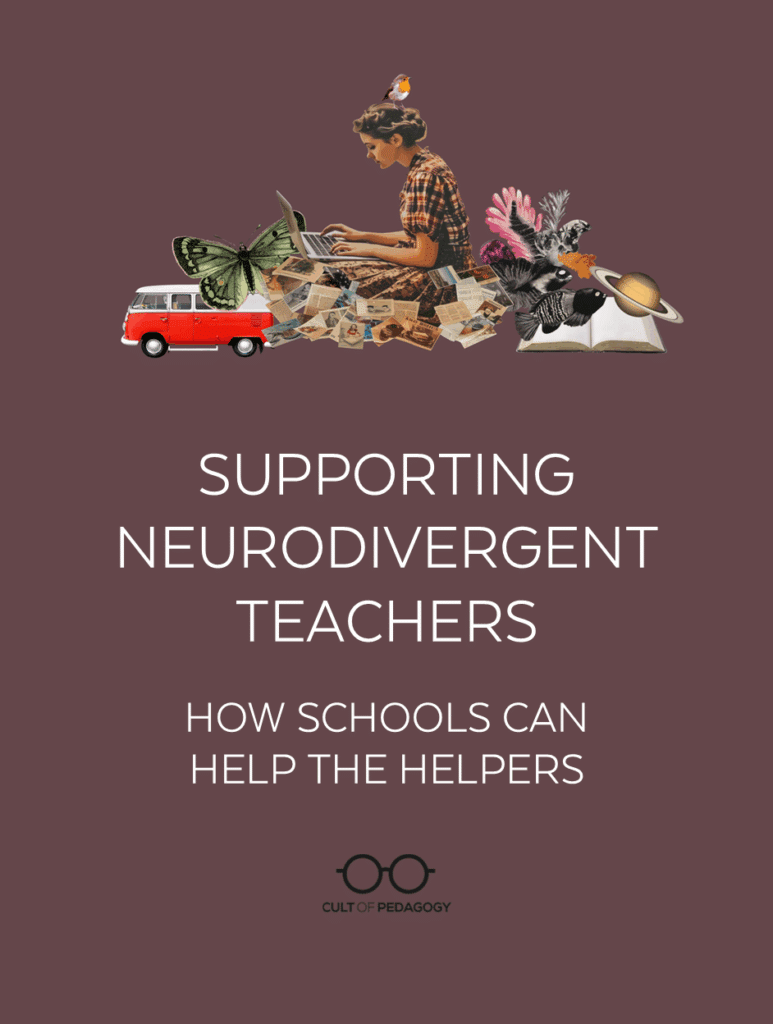
Neurodivergent teachers frequently exhibit:
- Exceptional Creativity and Innovative Thinking: Divergent thinking, a hallmark of many neurodivergent profiles, allows for unconventional problem-solving and the development of highly engaging, imaginative lesson plans and classroom activities. They often challenge traditional pedagogical approaches, bringing fresh perspectives that can resonate deeply with diverse learners.
- Profound Empathy and Authentic Connections: Having experienced learning and navigating the world differently, many neurodivergent educators possess an innate ability to empathize with students who struggle or feel marginalized. This deep understanding fosters genuine connections, creating inclusive classroom environments where all students feel seen, heard, and valued. They often excel at connecting with neurodivergent students who may feel misunderstood by neurotypical educators.
- Hyperfocus and Deep Specialization: When engaged in areas of interest, many neurodivergent individuals can achieve states of hyperfocus, leading to deep dives into subject matter, meticulous research, and the development of specialized expertise. This can result in incredibly rich and detailed instruction in their chosen fields.
- Strong Sense of Justice and Fairness: A heightened awareness of inconsistencies and injustices is common among many neurodivergent individuals. This translates into a strong advocacy for equity in the classroom, ensuring fair treatment, transparent expectations, and a commitment to addressing systemic biases.
- Authenticity and Role Modeling: When supported, neurodivergent teachers can model authenticity, self-awareness, and creative problem-solving. By openly using strategies that support their neurotype (e.g., visual schedules, sensory breaks), they demonstrate to students that there isn’t one "right" way to learn, think, or teach, normalizing differences and fostering self-acceptance.
These strengths flourish when educators feel safe and supported, rather than being stifled by the need to mask or conform. They provide invaluable role models for students, demonstrating that diversity in thought and approach is a powerful asset.
Systemic Friction: When School Structures Clash with Neurodivergent Needs
Despite these compelling strengths, neurodivergent educators often operate within systems that are not built to accommodate their unique needs. School environments, predicated on routines and expectations tailored for the neuronormative majority, can inadvertently become sources of significant stress and exhaustion. Key areas of systemic friction include:
- Rigid Schedules and Constant Transitions: The bell schedule, with its frequent, abrupt transitions between classes, subjects, and duties, can be highly dysregulating for brains that thrive on sustained focus or require more time to switch cognitive gears.
- Sensory Overload: Classrooms and school hallways are often environments of intense sensory input – fluorescent lighting, constant noise, visual clutter, strong smells. For individuals with sensory sensitivities, this can lead to overwhelm, fatigue, and difficulty concentrating.
- Administrative Burden and Paperwork: The sheer volume of administrative tasks, data collection, compliance paperwork, and report writing often requires meticulous organization and sustained attention to detail, which can be profoundly challenging for those with executive function differences.
- Unstructured Social Demands: Staff meetings, collaborative planning sessions, parent-teacher conferences, and informal interactions with colleagues and parents all demand significant social energy and interpretation of subtle cues, which can be particularly draining for autistic educators.
- Performance Evaluations: Traditional performance metrics often prioritize neuronormative indicators of "organization" or "classroom management" that may not accurately reflect the effectiveness or unique contributions of neurodivergent teachers.
- Lack of Flexibility: Standardized approaches to professional development, communication, and classroom setup leave little room for individualized adaptations that could significantly enhance a neurodivergent teacher’s effectiveness and well-being.
The paradox is evident: schools often articulate a desire for diverse, innovative, and empathetic educators, yet their operational structures can inadvertently undermine the very qualities neurodivergent staff bring. When flexibility and understanding are absent, strengths transform into stressors, leading to increased rates of burnout and attrition among a valuable segment of the teaching workforce.
Empowering the Individual: Practical Strategies for Neurodivergent Educators
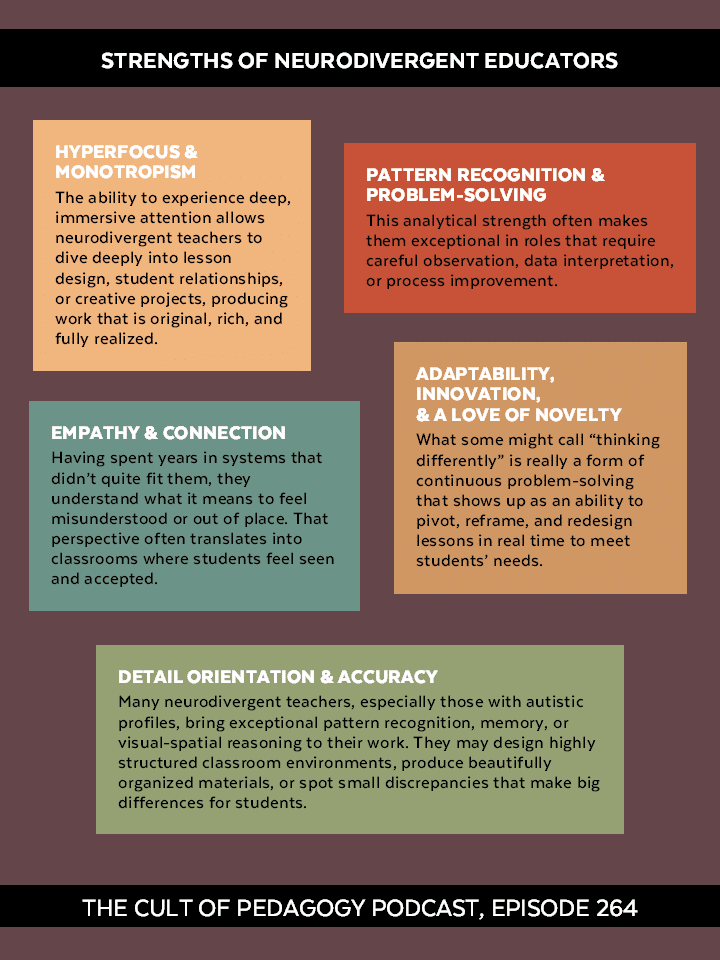
While systemic change is paramount, individual neurodivergent educators can also employ a range of practical strategies to manage their energy, enhance their focus, and create a more sustainable professional life. These tools are not universal, but experimentation can yield significant improvements in daily functioning.
- Externalize Executive Functioning: Rather than relying solely on internal memory, which can be a source of anxiety and overwhelm, offload mental tasks onto trusted external systems. This can involve visual task boards (e.g., Trello, Asana), digital calendars with robust reminder systems, voice memos for capturing fleeting ideas, or automation tools like IFTTT to streamline routine digital tasks. The goal is to make the invisible mental workload tangible and manageable.
- Batch and Bundle Tasks: Minimize the cognitive cost of task-switching by grouping similar activities. Dedicate specific blocks of time for grading all short-answer questions, writing all lesson plans for the week, or addressing all communication (emails, parent notes). This allows the brain to stay in one "mode" for longer, reducing mental friction and increasing efficiency.
- Use Body Doubling: The presence of another person working nearby, even on different tasks, can significantly improve focus and task initiation for many neurodivergent individuals. Partner with a colleague for shared planning periods, participate in virtual co-working sessions, or simply work in a communal staff area. The gentle accountability and co-regulation can be highly effective for tasks like grading, report card completion, or lesson design.
- Build Sensory-Friendly Routines: Proactively manage sensory input. This might include using noise-reducing headphones during prep periods, adjusting classroom lighting (e.g., using lamps instead of harsh overhead fluorescents), incorporating fidget tools, or designating a small, quiet "reset space" within the classroom. Scheduled micro-breaks for stretching, deep breathing, or stepping into the hallway for a few moments can help regulate energy and prevent overload.
- Energy Mapping and Rhythm Awareness: Track personal energy and focus levels over a week or two. Identify peak productivity times and periods of natural decline. Strategically schedule cognitively demanding tasks (e.g., lesson planning, providing complex feedback) during high-energy windows, reserving lower-energy times for less intensive activities. This self-awareness helps in planning for recovery and avoiding burnout.
- Leverage Novelty Strategically: For brains that thrive on newness, introduce small variations to routines to boost motivation. This could involve experimenting with a new lesson format, rearranging classroom furniture, trying a new digital teaching tool, or incorporating project-based learning. The key is to use novelty as a constructive fuel, not a distraction, cycling between fresh approaches and established routines.
- Reframe and Practice Self-compassion: Shift the narrative from self-blame to self-understanding. View organizational challenges or moments of fatigue not as personal failures, but as signals that current strategies or environmental conditions are not meeting neurological needs. Cultivating self-compassion fosters a safe space for experimentation, reduces shame, and reinforces that "professionalism" encompasses a spectrum of effective approaches, not just perfection.
These strategies, when integrated, are about working smarter, not harder. They aim to reduce friction, preserve precious cognitive energy, and allow the inherent strengths of neurodivergent educators to shine.
Cultivating Inclusive Educational Ecosystems: The Role of Schools and Administrators
The ultimate responsibility for creating truly inclusive environments lies with school leadership. Supporting neurodivergent educators is not about lowering standards, but about ensuring equitable access to the profession and fostering conditions where every teacher can thrive. Educational leaders and HR professionals are increasingly recognizing that systemic adaptations are not just beneficial for neurodivergent staff, but for the entire school community, improving overall well-being and retention.
Key actions for schools and administrators include:
- Comprehensive Professional Development: Offer training for all staff (teachers, administrators, support personnel) on neurodiversity, covering different presentations, strengths, and common challenges. This builds empathy and reduces stigma.
- Flexible Work Arrangements: Explore possibilities for modified schedules, flexible planning periods, or hybrid work options where appropriate. Offer quiet workspaces for focused tasks, or allow the use of noise-reducing devices during non-instructional time.
- Mentorship and Peer Support Networks: Establish programs where neurodivergent educators can connect with and support each other, sharing strategies and experiences in a confidential setting. Mentorship from neurodiversity-informed leaders can be invaluable.
- Review of Policies and Practices: Audit HR policies, performance evaluation systems, and communication protocols to ensure they are neuro-inclusive. Focus on outcomes and effectiveness rather than rigid adherence to neuronormative processes.
- Resource Provision: Provide access to assistive technologies, executive function coaching, or ergonomic adjustments (e.g., stand-up desks, alternative lighting) that can significantly enhance productivity and comfort.
- Promote a Culture of Disclosure and Support: Create an environment where educators feel safe to disclose their neurodivergence without fear of negative repercussions. Emphasize confidentiality and the availability of accommodations as part of a commitment to diversity and inclusion.
- Clear and Concise Communication: Streamline administrative communication, using clear agendas for meetings, providing information in multiple formats, and minimizing last-minute changes that can be particularly disruptive for neurodivergent individuals.
A Paradigm Shift: Fixing the System for All
The burgeoning conversation around neurodivergent educators signifies a pivotal moment in educational reform. It underscores that the goal is not to "fix" individuals to fit a rigid system, but to adapt the system to embrace the rich tapestry of human cognition. When schools intentionally design for flexibility, clarity, and belonging, the benefits extend far beyond neurodivergent staff.
Teachers who feel safe to work in ways that align with their neurological profile are more engaged, resilient, and effective. They become powerful role models for students, especially those who are themselves neurodivergent, demonstrating that differences are not weaknesses but valuable assets. Students witness adults utilizing visual schedules, taking sensory breaks, or openly discussing their attention patterns, learning that these are tools for success and self-management, fostering an inclusive classroom culture where diverse learning styles are celebrated.
For school leadership, approaching neurodiversity with empathy and flexibility builds trust across the entire staff, leading to a more cohesive and supportive professional community. A culture that prioritizes sustainability over an unsustainable pursuit of perfection is better equipped to retain its most talented and dedicated educators.
As awareness of neurodiversity continues to grow, the focus must shift from mere understanding to tangible action. Schools that proactively design for inclusivity—through flexible structures, clear communication, and a genuine commitment to supporting diverse brains—do not just improve the lives of neurodivergent teachers. They cultivate dynamic, resilient, and equitable educational environments where every teacher and every student can fully participate, knowing they belong precisely as they are. This represents a fundamental step towards a more humane and effective future for education.