

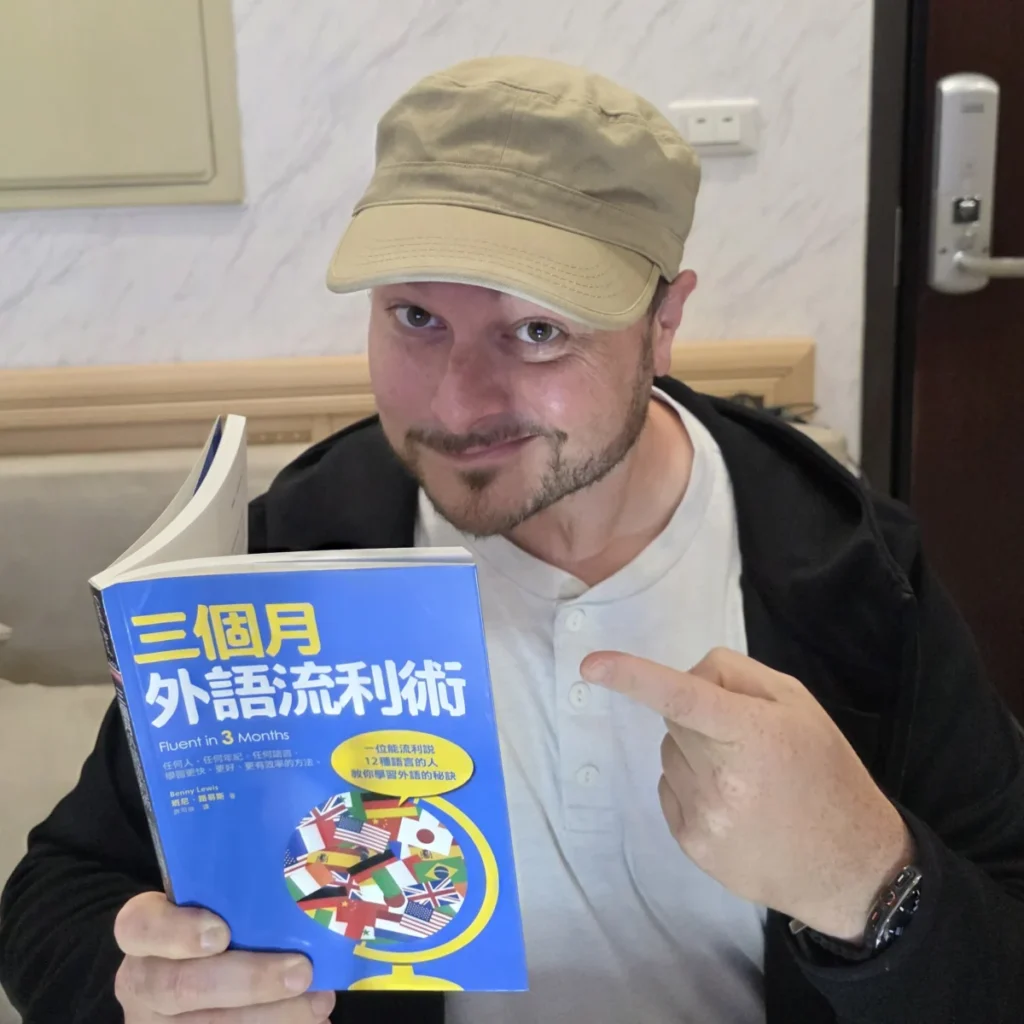
Benny Lewis, the Irish polyglot and founder of the language-learning platform Fluent in 3 Months, has returned to Taipei, Taiwan, to initiate a high-intensity Mandarin Chinese revitalization project. This move comes fourteen years after his original 2012 immersion mission, marking a significant return to the site of one of his most scrutinized and celebrated linguistic endeavors. The current project serves not only as a personal linguistic refresh but also as a strategic pivot for his digital presence, which has been impacted by the evolving landscape of search engine algorithms and artificial intelligence.
Historical Context: The 2012 Mandarin Mission
In 2012, Benny Lewis launched what would become one of the most followed language-learning experiments in the digital age. The "Mandarin Mission" involved three months of intensive study in Taipei followed by two months of travel through mainland China. The objective was to demonstrate the efficacy of his "Speak from Day One" methodology in a language widely considered one of the most difficult for English speakers to acquire.
At the conclusion of the 2012 project, Lewis underwent an independent evaluation that placed his spoken proficiency at the B1 level—lower intermediate—according to the Common European Framework of Reference for Languages (CEFR). While the project achieved its goal of functional fluency, it was noted for being particularly stressful and controversial within the linguistic community, largely due to the high-pressure environment of public accountability.
Following the initial project, Lewis utilized his Mandarin skills to navigate remote regions of China, including a stint learning Kung Fu in a fishing village and conducting interviews with native media professionals. However, in the subsequent decade, his maintenance of the language fluctuated. Aside from a brief period of intensive study while co-authoring the "Language Hacking Mandarin" coursebook, Lewis noted that his proficiency had begun to atrophy due to a lack of regular use.
The Catalyst for Return: Regional Influence and the Chinese Diaspora
The decision to return to Taipei in 2024 was precipitated by a two-month journey through Malaysia earlier this year. During his travels, Lewis encountered the significant Chinese diaspora in Southeast Asia, as well as an influx of tourists from mainland China. These interactions served as a catalyst, shifting his academic focus from Malay back to Mandarin.
Statistical data supports the logic of this regional influence. According to the Malaysian Department of Statistics, ethnic Chinese make up approximately 22.6% of the Malaysian population, maintaining a vibrant linguistic culture that includes Mandarin, Cantonese, and Hokkien. For a polyglot like Lewis, the practical utility of Mandarin in a cross-border context reinforced the necessity of elevating the language from a "passing interest" back to a "permanent maintenance" status.
Evolution of Methodology: From Spontaneity to Structured Grammar
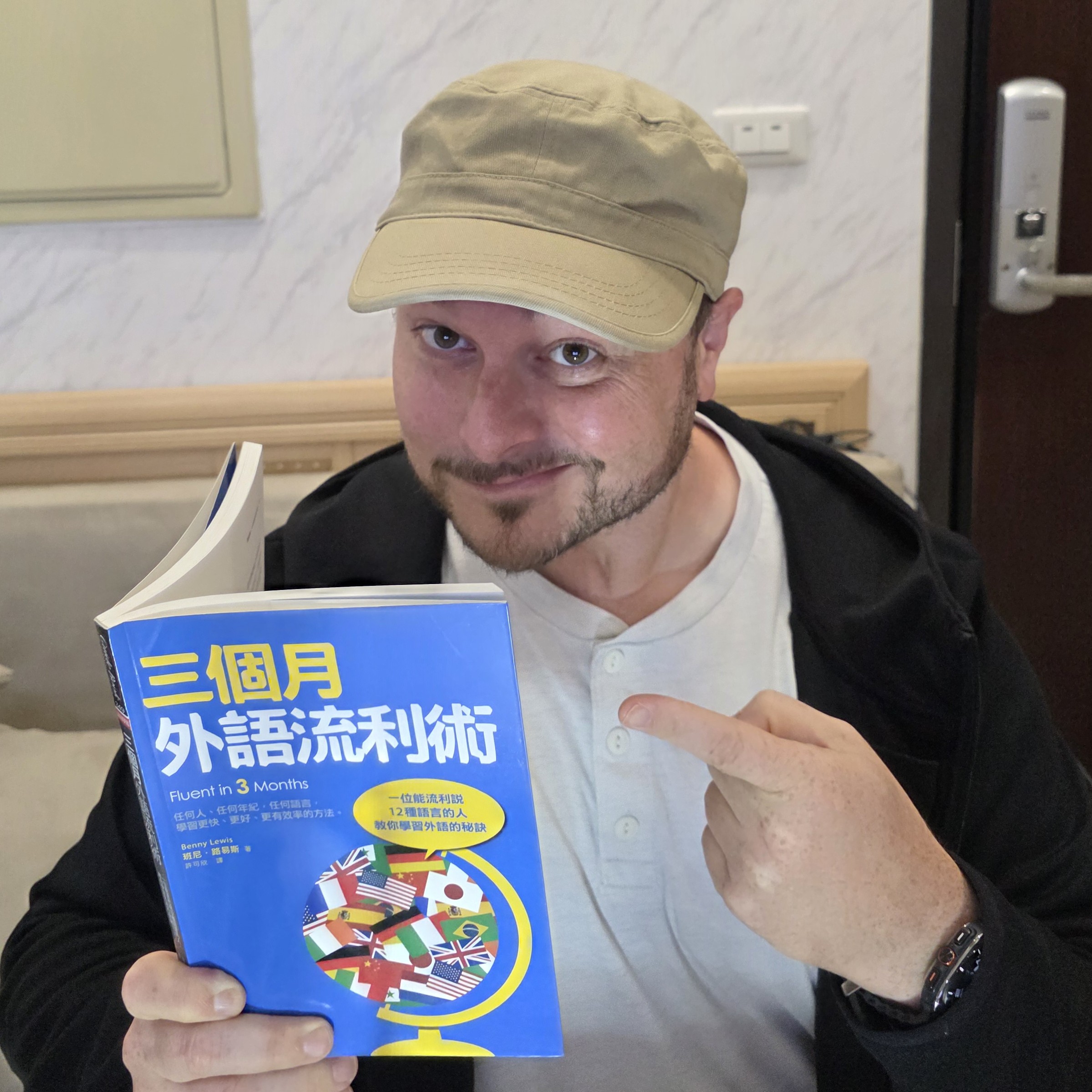
A notable shift in Lewis’s current approach is the integration of formal grammar study, a departure from his traditional "Speak from Day One" emphasis which often prioritizes communication over technical accuracy in the early stages. Lewis, now operating at an intermediate level, has adopted a daily routine that begins with the study of Taiwanese-specific Mandarin grammar.
This methodological evolution reflects broader pedagogical theories regarding the "Intermediate Plateau." Linguistic experts often suggest that while communicative immersion is vital for beginners, advancing to B2 or C1 levels requires a more rigorous focus on syntax and formal structures to achieve "natural-sounding" output. Lewis is utilizing textbooks that bridge the gap between simplified characters (used in mainland China) and traditional characters (used in Taiwan), reflecting the nuanced linguistic landscape of the Sinosphere.
His current daily regimen in Taipei includes:
- Morning: Focused grammar study in local cafes and a rigorous physical fitness component (90-minute daily runs).
- Afternoon: Vocabulary reinforcement using Anki, a spaced-repetition system (SRS). Lewis has notably recovered his original 2012 data sets, requiring technical conversion of 14-year-old files to modern software formats.
- Regular Intervals: Online one-on-one tutoring via platforms such as Preply to simulate high-frequency conversational environments.
- Evening: Social immersion through local "meetup" events in Taipei to practice listening comprehension in noisy, real-world settings.
Taiwan’s Linguistic Environment: A Comparative Analysis
Taipei provides a unique environment for language learners. While English proficiency in Taiwan is relatively high compared to some neighboring regions—ranking 30th globally in the 2023 EF English Proficiency Index—Lewis reports that daily life in Taipei still demands a high level of Mandarin.
His experiences in the first weeks of the 2024 project highlight a persistent "immersion wall." Lewis noted that even in international chains like Starbucks, baristas often do not default to English, necessitating the use of specific Mandarin terminology (e.g., "nóngsuō kāfēi" for espresso). This lack of "English-switching" is a critical component of successful immersion, as it prevents learners from retreating into their native tongue when faced with communicative friction.
Chronology of the 2024 Taipei Revitalization Project
- January – February 2024: Travels in Malaysia; interactions with the Chinese diaspora inspire a return to Mandarin study.
- March 2024: Arrival in Taipei; establishment of a daily routine involving grammar, SRS vocabulary, and tutoring.
- Mid-March 2024: Technical recovery of legacy 2012 vocabulary data to ensure continuity of learning.
- Upcoming April 2024: Commencement of the "Taiwan Deep Travel" project, moving beyond the capital city to more remote provinces.
The "Deep Travel" Initiative: Expanding Beyond Taipei
A central component of Lewis’s current mission is the "Taiwan Deep Travel" project. In recent years, Lewis has transitioned from city-hopping to comprehensive regional exploration. His previous projects include visiting every state in Brazil, all 48 contiguous U.S. states, and every province in South Korea.
By traveling to rural areas of Taiwan where English proficiency is significantly lower than in Taipei, Lewis aims to create a "sink or swim" environment. This strategy is backed by immersion theory, which posits that linguistic gains are maximized when the learner has no social or practical alternative but to use the target language. This phase of the project is designed to test his ability to handle complex logistical tasks—such as shipping packages and navigating local government services—entirely in Mandarin.
Broader Implications: Content Creation in the Age of Artificial Intelligence
The return to Taipei also marks a philosophical shift in how Lewis manages the Fluent in 3 Months platform. He has voiced concerns regarding the rise of "AI slop"—low-quality, AI-generated content that has saturated the internet and altered the way search engines like Google distribute information.
Lewis noted that between 2013 and 2023, his blog focused on SEO-driven "how-to" articles. However, with Google’s "AI snippets" now summarizing such advice directly on the search results page, traffic to original creator sites has diminished. In response, Lewis is returning to a "human-centric" blogging model reminiscent of the early 2010s. This approach prioritizes personal narrative, idiosyncratic travel experiences, and authentic human struggle over algorithmically optimized tips.
"In the age of AI, I think we need more personal experiences of actual humans in the world," Lewis stated, signaling a move toward long-form, experiential storytelling. While he acknowledges the use of AI for minor tasks like rephrasing or grammar correction, he has committed to ensuring the core of his content remains human-authored to combat the homogenization of digital information.
Analysis of the Project’s Potential Impact
The success of Lewis’s return to Taipei will likely be measured by his ability to bridge the gap between B1 (lower intermediate) and B2 (upper intermediate) proficiency. For the broader language-learning community, his project serves as a case study in "language reactivation"—the process of reclaiming a language after years of dormancy.
Furthermore, his critique of the current digital landscape highlights a growing trend among independent content creators who are moving away from SEO-dependency toward community-based, narrative-driven platforms like Instagram and personal blogs. As AI continues to reshape the internet, the value of "authentic" and "verified human experience" may become the new currency in the education and travel sectors.
Lewis’s journey through Taiwan will continue through the spring, with regular updates expected to detail both his linguistic hurdles and his exploration of Taiwanese culture outside the metropolitan hub of Taipei. His project remains a focal point for those interested in the intersection of nomadic lifestyle, intensive pedagogy, and the evolving nature of digital entrepreneurship.