


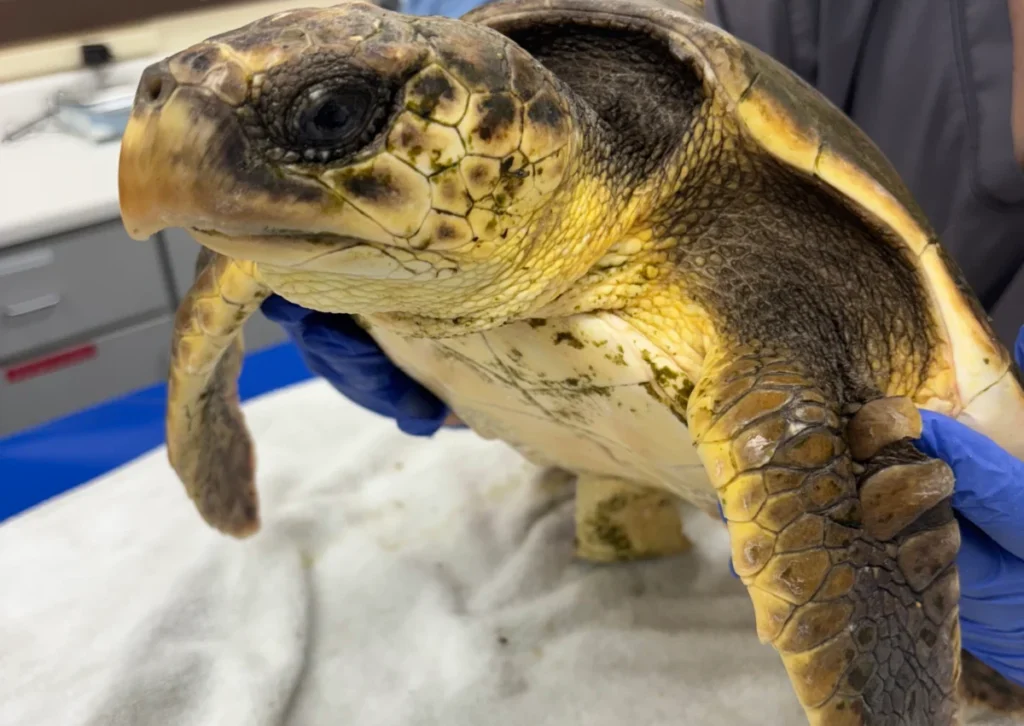
The scientific community is closely monitoring a unique case of marine hybridization following the arrival of a sea turtle named Earl Grey at the Georgia Sea Turtle Center on Jekyll Island. Earl Grey is not a typical patient; genetic testing has confirmed that the juvenile reptile is a first-generation hybrid, the offspring of a female Kemp’s ridley sea turtle (Lepidochelys kempii) and a male Loggerhead sea turtle (Caretta caretta). This rare biological occurrence has sparked significant interest among herpetologists and conservationists, as it represents a cross-species union between the world’s most endangered sea turtle species and one of its most widely recognized, yet still threatened, counterparts. The presence of Earl Grey in a rehabilitation setting provides a rare window into the developmental biology and behavioral patterns of hybrid marine life, offering data that could reshape understanding of how these species interact in a changing oceanic environment.
The Journey of Earl Grey: From Massachusetts to Georgia
The chronology of Earl Grey’s rescue began in the late autumn months of 2023, a period when sea turtles in the North Atlantic are particularly vulnerable to fluctuating water temperatures. The turtle was discovered stranded on a beach in Brewster, Massachusetts, exhibiting the classic symptoms of "cold-stunning." This physiological state occurs when ectothermic reptiles are exposed to rapidly declining water temperatures, typically below 50 degrees Fahrenheit (10 degrees Celsius). When a turtle becomes cold-stunned, its metabolic rate drops precipitously, leading to lethargy, decreased heart rate, and an inability to swim or dive. This often results in the animals being tossed by currents and eventually washing ashore, where they face the risks of dehydration, predation, and secondary infections like pneumonia.
Upon discovery, Earl Grey was immediately transported to the New England Aquarium’s Sea Turtle Hospital in Quincy, Massachusetts. Initial stabilization efforts focused on slowly raising the animal’s core body temperature and treating any immediate physical trauma. During the initial assessment, staff noted morphological characteristics that did not perfectly align with a single species, prompting further investigation. In November, as part of a coordinated effort to manage rehabilitation capacity across the East Coast, Earl Grey was transferred to the Georgia Sea Turtle Center. It was here that advanced genetic testing was conducted, ultimately revealing the turtle’s unique hybrid lineage.
A Tale of Two Species: The Biological Contrast
The union that produced Earl Grey is particularly noteworthy due to the stark biological and behavioral differences between the Kemp’s ridley and the Loggerhead sea turtle. The Kemp’s ridley is the smallest and most critically endangered sea turtle in the world. Adults typically weigh between 75 and 100 pounds and possess a distinctively circular, olive-green carapace. Their nesting habits are highly specialized; nearly all Kemp’s ridleys nest on a single stretch of beach in Rancho Nuevo, Mexico, with a smaller secondary nesting site in Texas. They are known for "arribadas," a synchronized mass-nesting phenomenon where thousands of females come ashore simultaneously during daylight hours.
In contrast, the Loggerhead is the world’s largest hard-shelled sea turtle, second only to the shell-less Leatherback in overall size. Adult Loggerheads can weigh up to 350 pounds or more, with shells reaching lengths of nearly four feet. They are characterized by their massive heads and powerful jaws, which they use to crush the shells of crabs and mollusks. Unlike the Kemp’s ridley, Loggerheads have a massive global distribution, nesting on beaches across the Atlantic, Pacific, and Indian Oceans, primarily under the cover of night.
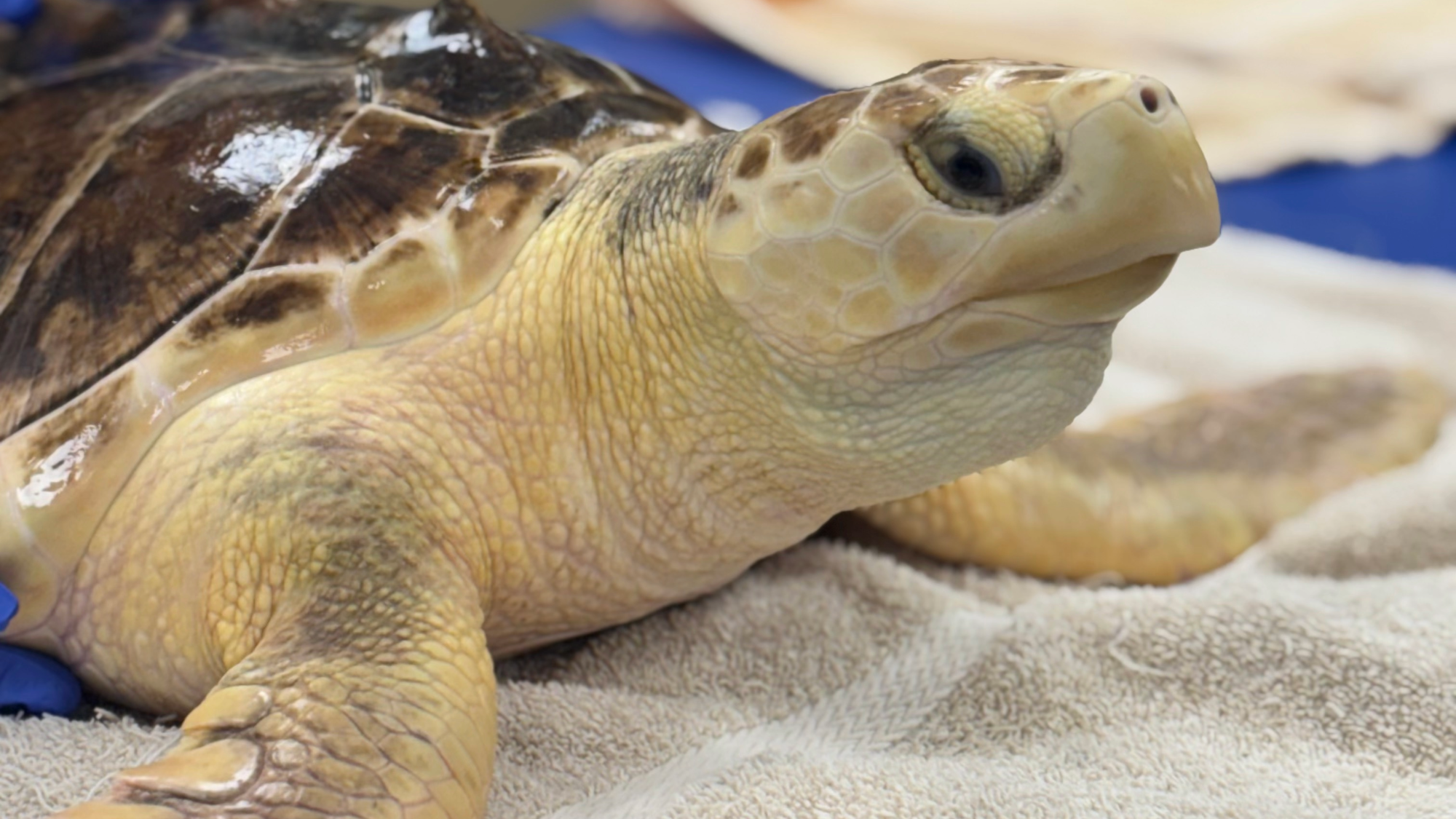
Jaynie L. Gaskin, the director of the Georgia Sea Turtle Center, noted that the disparity in size and nesting behavior makes the existence of Earl Grey a subject of intense scientific curiosity. The mechanisms that led a male Loggerhead to mate with a female Kemp’s ridley remain a matter of speculation, though it highlights the overlapping migratory corridors that these species share in the Atlantic.
The Science of Hybridization in Marine Reptiles
Hybridization among sea turtles is a documented but poorly understood phenomenon. While it is known to occur between several species—most notably between Loggerheads and Hawksbills, or Green turtles and Loggerheads—cases involving the Kemp’s ridley are exceptionally rare due to that species’ limited population and specific nesting range.
Scientists suggest that hybridization often occurs when one species faces a "mate finding" challenge. In ecology, this is sometimes linked to the Allee effect, where low population density makes it difficult for individuals to find a mate of their own species. For the Kemp’s ridley, which saw its population collapse from an estimated 40,000 nesting females in 1947 to just a few hundred by the mid-1980s, the pressure to find a mate may have historically driven individuals toward related species.
Genetic testing is the only definitive way to identify these hybrids. As Gaskin explained, many hybrids may go unnoticed because they display a "mosaic" of physical traits that can easily be mistaken for a variation within a single species. Earl Grey’s confirmation serves as a call to action for other rehabilitation facilities to implement more frequent genetic screening. Understanding the prevalence of these hybrids is essential for accurate population modeling and for ensuring that conservation laws, which are often species-specific, are applied correctly to hybrid individuals.
Ecological Implications and Conservation Strategy
The discovery of Earl Grey raises several questions regarding the future of sea turtle conservation. From an evolutionary standpoint, hybridization can be a double-edged sword. On one hand, it introduces new genetic combinations into a population, which could potentially aid in adaptation to changing environments—a process sometimes referred to as "adaptive introgression." If hybrid turtles possess traits from both parents that allow them to better survive in warming oceans or to exploit new food sources, they might represent a resilient lineage.
On the other hand, widespread hybridization can lead to "genomic extinction," where the unique genetic identity of a rare species is slowly diluted and lost through interbreeding with a more common species. For the critically endangered Kemp’s ridley, maintaining genetic purity is a high priority for many conservationists. However, Gaskin suggests a more observational approach, emphasizing that these individuals are already part of the wild ecosystem and must be studied to see how they navigate their life stages.
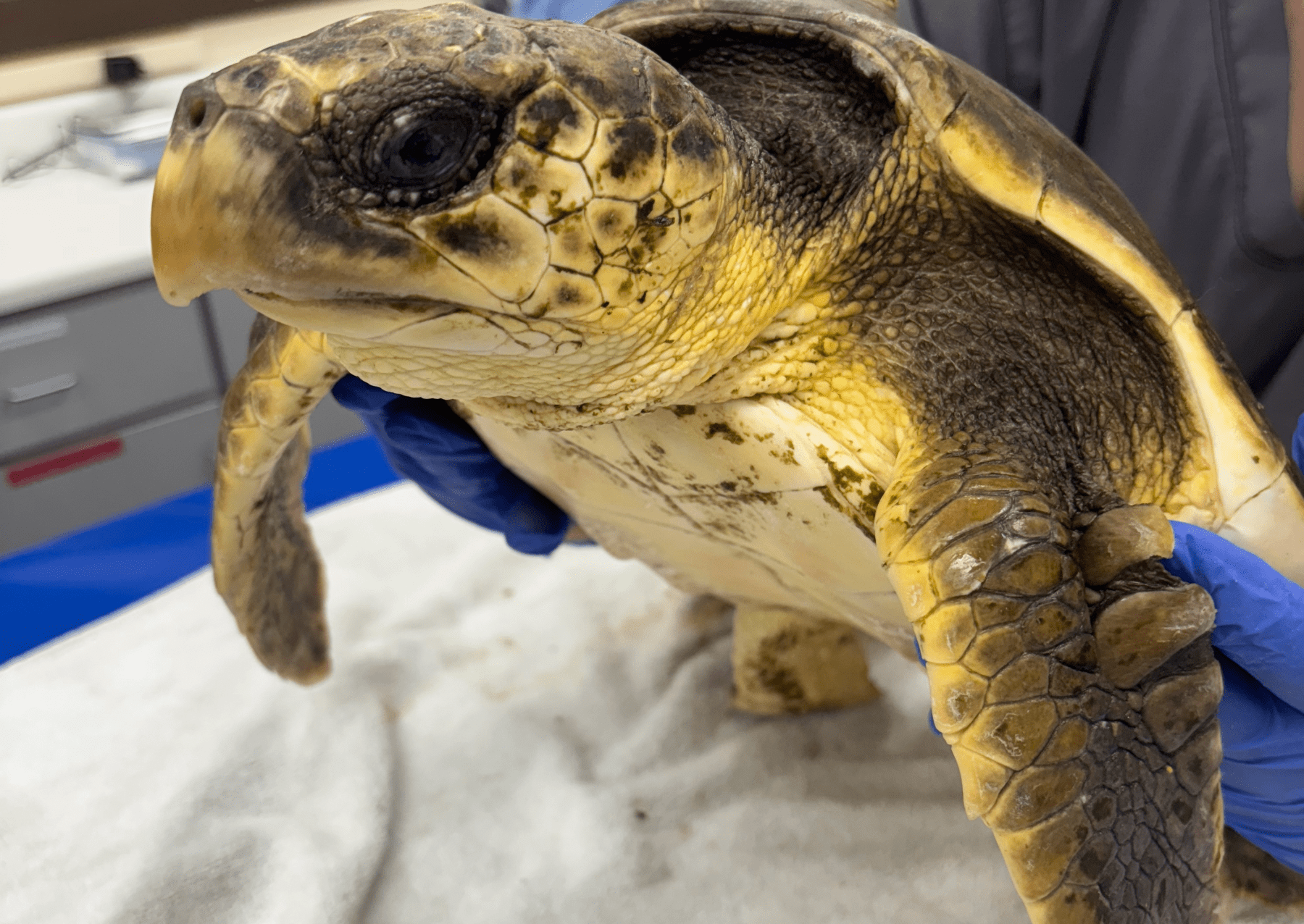
Key areas of research for Earl Grey and similar hybrids include:
- Nesting Sites: Will a hybrid female return to the specific beaches of her mother (Rancho Nuevo) or adopt the broader nesting habits of a Loggerhead?
- Dietary Preferences: Will the hybrid favor the crab-heavy diet of the Kemp’s ridley or the more varied carnivorous diet of the Loggerhead?
- Migratory Patterns: How will the hybrid navigate the North Atlantic gyre, and will its thermal tolerance differ from its parent species?
The Role of the Georgia Sea Turtle Center
The Georgia Sea Turtle Center, a department of the Jekyll Island Authority, is uniquely positioned to handle such high-profile cases. Since its opening in 2007, the center has treated thousands of patients, focusing on rehabilitation, research, and public education. Earl Grey’s presence at the facility allows the public to engage with the complexities of marine biology firsthand.
The rehabilitation process for Earl Grey involves a rigorous regimen of veterinary care, including bloodwork, diagnostic imaging, and nutritional support. The goal of the center is always the eventual release of the animal back into the wild. Before release, Earl Grey will likely be outfitted with a satellite tag, which will allow researchers to track the turtle’s movements in real-time. This data will be invaluable in answering questions about the habitat use and survival rates of hybrid sea turtles.
Conclusion: A New Chapter in Marine Biology
Earl Grey represents more than just a successful rescue story; the turtle is a living testament to the fluidity of nature and the ongoing challenges of marine conservation. As human-induced factors like climate change and habitat destruction continue to alter the oceans, the behavior of marine life will continue to shift. Hybridization may become a more frequent occurrence as species are forced into new territories or as their traditional breeding cycles are disrupted.
The collaboration between the New England Aquarium and the Georgia Sea Turtle Center underscores the importance of a unified network for wildlife conservation. By sharing resources, data, and expertise, these institutions ensure that rare individuals like Earl Grey are not just "saved," but are used to advance the global understanding of the natural world. As Earl Grey continues to gain strength in the tanks at Jekyll Island, the scientific community waits with anticipation for the next set of data that this unique hybrid will provide, ensuring that conservation strategies remain as dynamic as the animals they are designed to protect.