

The Weather Channel has officially transitioned its digital presence into a space that bridges modern meteorological precision with the aesthetic sensibilities of the late 20th century. In a move that responds to years of audience requests, the network has unveiled RetroCast Now, a dedicated visual interface for its website and mobile application that replicates the iconic look of its broadcasts from the 1990s and early 2000s. Far from a temporary marketing gimmick or a seasonal prank, the feature represents a permanent commitment to providing a customizable user experience that honors the network’s technological heritage.
The announcement was initially met with a mixture of excitement and skepticism, prompting the meteorological source to clarify via social media that the rollout was not an April Fool’s joke. The company emphasized that the initiative was born directly from user feedback, citing a profound demand for the "WeatherStar" aesthetic that defined the childhoods and daily routines of millions of viewers during the cable television boom.
The RetroCast Experience: Design and Atmosphere
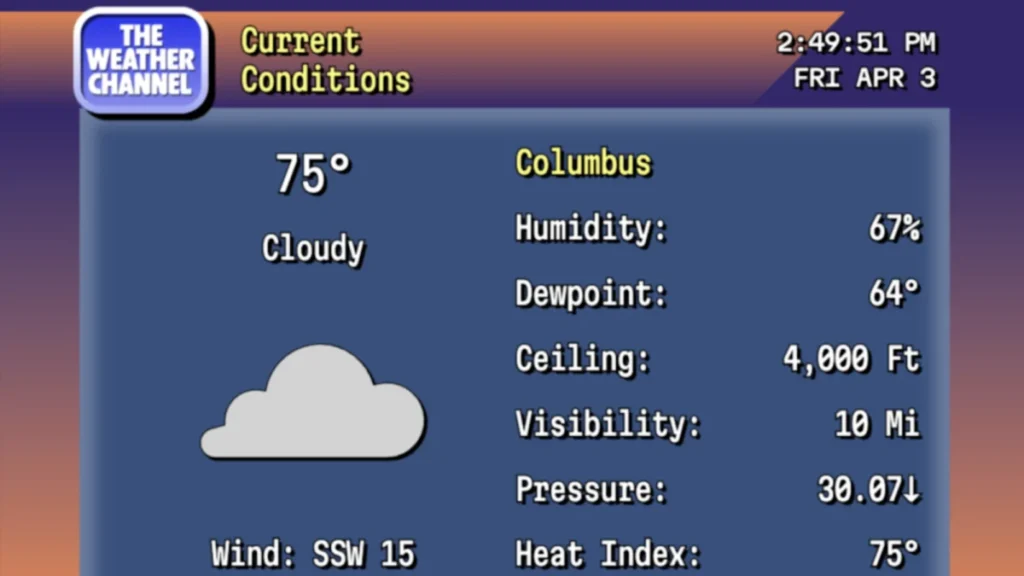
RetroCast Now serves as a functional time capsule. When activated, the interface transforms standard high-definition weather data into a pixelated, vibrant layout reminiscent of the graphics produced by early digital broadcasting hardware. The color palette—dominated by deep blues, purples, and high-contrast text—mimics the cathode-ray tube (CRT) television experience. Beyond the visual elements, the most significant addition for many long-time followers is the inclusion of a smooth jazz soundtrack.
During the 1990s, the "Local on the 8s" segment became synonymous with atmospheric jazz tracks that played while localized data scrolled across the screen. These tracks, often composed by artists like Trammell Starks, became a cultural staple, providing a sense of calm during periods of inclement weather. By integrating these audio elements into the digital app and website, The Weather Channel is attempting to recreate the "communal experience" that Mark Fredo, executive creative director at The Weather Channel digital properties, describes as the cornerstone of the brand’s history.
The Technical Lineage: From WeatherStar to RetroCast
To understand the significance of the RetroCast launch, one must examine the evolution of the WeatherStar (Satellite Transponder Addressable Receiver) technology. Introduced in 1982, the WeatherStar system was a revolutionary piece of hardware installed at cable company headends across the United States. It allowed The Weather Channel to transmit a national signal while simultaneously "addressing" specific local receivers to insert localized data, such as current temperatures, wind speeds, and severe weather warnings.
The chronology of this technology highlights a steady progression toward the look now celebrated by RetroCast:
- WeatherStar I, II, and III (1982–1989): These early iterations utilized basic text-over-graphic capabilities, primarily providing simple lists of temperatures and conditions for major cities.
- WeatherStar 4000 (1990–1995): This is often cited as the most "nostalgic" version. It introduced the ability to display maps with icons and smoother scrolling text. The 4000 model was a dedicated computer system that rendered graphics in real-time, creating the distinct pixelated look that RetroCast Now seeks to emulate.
- WeatherStar XL (1998–2003): This version transitioned the network into the Y2K era, offering more sophisticated animations and a sleeker, yet still distinctly "digital," interface.
- IntelliStar (2004–Present): The current generation of technology allows for high-definition, multi-layered graphics that are indistinguishable from modern web design.
RetroCast Now specifically targets the aesthetic peak of the WeatherStar 4000 and XL eras. While the back-end data remains powered by the network’s modern, hyper-local forecasting engines, the front-end presentation utilizes modern web frameworks to down-sample the visuals, ensuring they look authentic on high-resolution smartphone screens and 4K monitors.
The Strategy of Digital Nostalgia
The decision to implement RetroCast Now is backed by broader trends in digital consumer behavior. The "Y2K aesthetic" and "vaporwave" movements have seen a massive resurgence among Gen Z and Millennial demographics. These groups often seek out media that evokes the perceived simplicity of the early internet era. By leaning into this trend, The Weather Channel is differentiating itself from competitors like AccuWeather or Apple Weather, which focus almost exclusively on minimalist, modern UI design.
According to Mark Fredo, the project was inspired by a desire to celebrate the moment local weather storytelling was first delivered at scale. In an era where weather data is commoditized and available on every lock screen, The Weather Channel is leveraging its brand heritage to provide emotional value. "This was the moment local weather storytelling was first delivered at scale, transforming a simple forecast into a communal experience," Fredo noted.
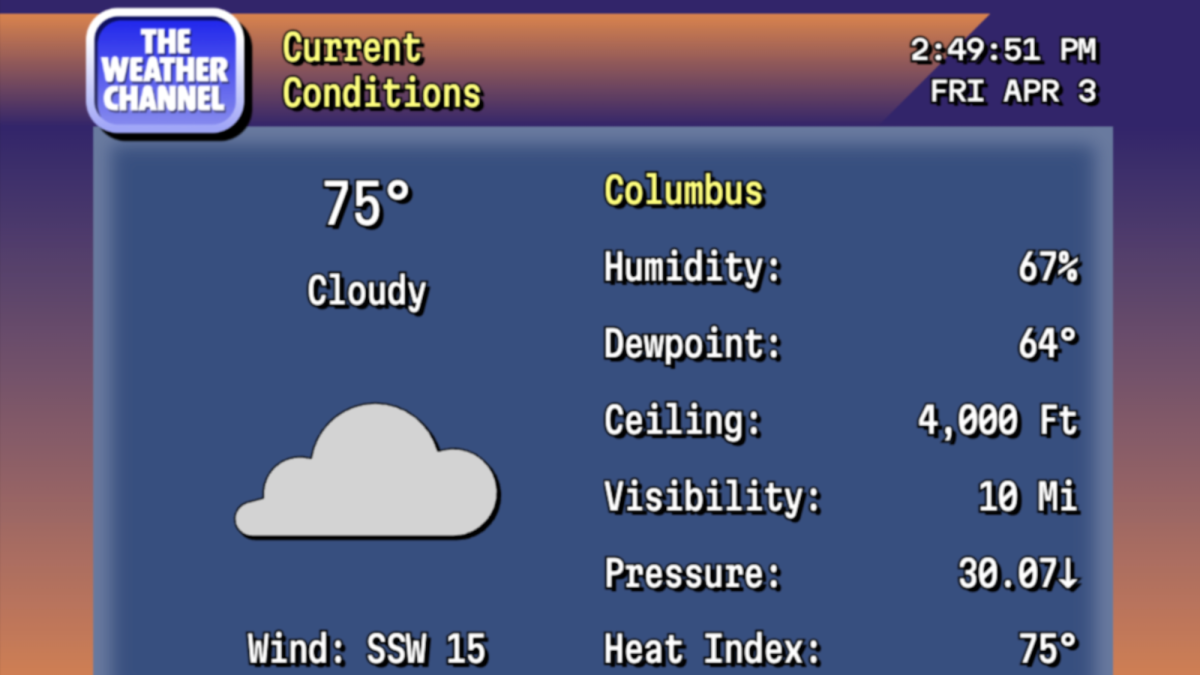
Supporting data suggests that customization is a key driver for app retention. By allowing users to toggle between a modern, data-heavy interface and the nostalgic RetroCast look, the network increases the "stickiness" of its platform. While many users check the weather as a utilitarian task, the RetroCast interface encourages users to linger, listen to the music, and engage with the brand on a more leisurely level.
Official Responses and Public Reception
The public response to the rollout has been overwhelmingly positive, particularly among "weather enthusiasts" and those who participate in online communities dedicated to preserving old broadcast tapes. Social media platforms saw a surge in engagement following the announcement, with users sharing screenshots of their local forecasts rendered in the 90s style.
The Weather Channel has confirmed that RetroCast Now is not a fleeting feature. It is currently available as a dedicated section of the website and is being integrated into the mobile application as a permanent viewing option. Fredo indicated that the team is already looking toward future thematic projects, though specific details remain confidential. "While we have more surprises in development, our focus remains on delivering the most engaging and intuitive weather storytelling in the world," he stated.
Industry analysts suggest that this move could signal a shift in how legacy media brands handle their archives. Rather than merely storing old graphics in a vault, companies are finding ways to repurpose "vintage" UI as a premium user feature. This approach serves both as a tribute to the brand’s longevity and as a savvy marketing tool in an increasingly crowded digital landscape.
Broader Implications for User Experience Design
The launch of RetroCast Now highlights a growing tension in UX (User Experience) design between "flat," modern efficiency and "skeuomorphic" or nostalgic richness. For the past decade, the trend in tech has been toward stripping away visual flair in favor of speed and clarity. However, the success of projects like RetroCast suggests that users may be experiencing "minimalism fatigue."
The inclusion of the smooth jazz soundtrack also touches on the "lo-fi" music trend, which has become a multi-million dollar niche on platforms like YouTube and Spotify. By providing a built-in "lo-fi" experience paired with real-world utility (the weather), The Weather Channel is tapping into the "slow media" movement, which encourages more mindful and less stressful consumption of information.
Furthermore, the project serves a secondary purpose: education. By highlighting the WeatherStar technology, the network is educating a younger generation about the history of satellite communication and the infrastructure required to bring localized data to the masses before the advent of the modern smartphone.
Conclusion and Future Forecast
As The Weather Channel moves forward, RetroCast Now stands as a testament to the power of listening to a dedicated fanbase. By merging the reliability of modern meteorological science with the comforting aesthetics of the past, the network has created a unique product that transcends simple utility.
The move is expected to bolster the network’s digital traffic, particularly among demographics that may have moved away from traditional cable television but retain a strong emotional connection to the brand’s golden era. With the promise of more thematic updates on the horizon, The Weather Channel is positioning itself not just as a source of information, but as a curator of cultural and technological history. For now, users can once again enjoy their "Local on the 8s" with the same pixelated charm and soothing melodies that defined a generation of weather watching.