



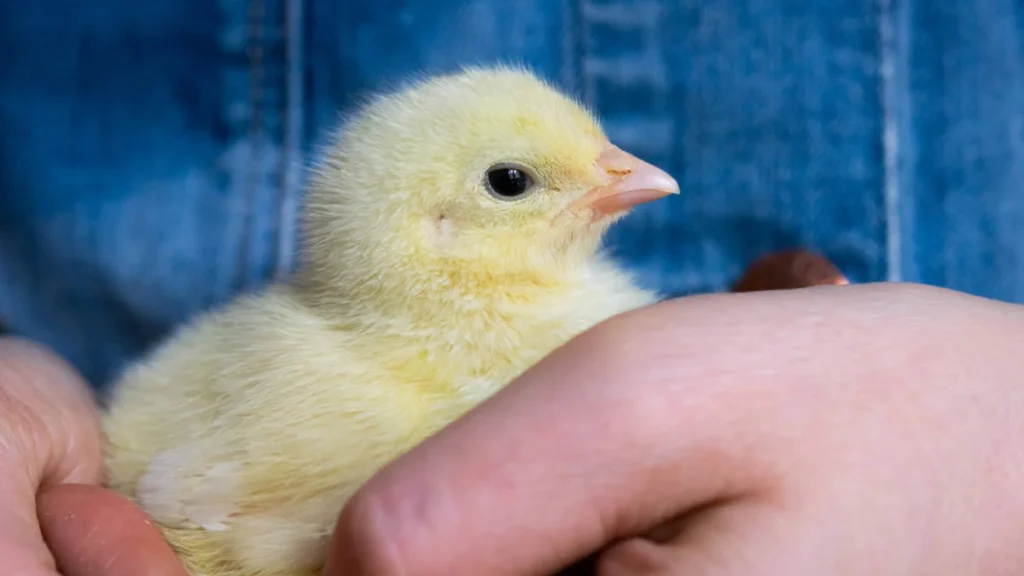
The emotional lives of domestic poultry have long been a subject of scientific inquiry, but recent research from the University of Bristol has provided concrete evidence that early, gentle human interaction can significantly enhance the well-being of laying hen chicks. Published in the journal Animal Welfare, the study titled "Gentle human interactions trigger positive emotions in chicks" utilizes behavioral testing to demonstrate that young chickens do not merely tolerate human contact but can actively seek it out when it is associated with positive physical and auditory stimuli. This finding challenges traditional industrial poultry management practices, which often view human presence as a source of stress or a neutral environmental factor rather than a potential tool for welfare improvement.
The Scientific Foundation: Conditioned Place Preference
To quantify the emotional responses of the chicks, the research team, led by animal welfare scientist Ben Lecorps, employed a methodology known as the Conditioned Place Preference (CPP) test. This assessment is a standard behavioral model used in psychology and ethology to evaluate the motivational effects of objects or experiences. The underlying principle of CPP is that an animal will learn to prefer and spend more time in an environment that it associates with a positive or rewarding experience. Conversely, it will avoid areas associated with fear, pain, or boredom.
The study involved 20 domestic laying hen chicks, which were introduced to a testing apparatus consisting of two distinct chambers. To ensure the chicks could differentiate between the two spaces, each chamber was designed with unique visual or tactile cues. The experimental design was split into a conditioning phase and a testing phase.
During the conditioning phase, the chicks were exposed to two different types of human interaction. In the first chamber, the "gentle handling" treatment involved a human researcher engaging in soft speech, slow movements, and gentle stroking of the chicks. This was designed to mimic the tactile stimulation and low-frequency vocalizations that might occur in a more natural, maternal brooding environment. In the second chamber, a "neutral presence" treatment was established. Here, a human remained silent and stationary, providing no tactile or vocal interaction.
Analysis of Behavioral Results
Following the conditioning period, the researchers allowed the chicks to move freely between the two chambers without the human present. The results were definitive: the chicks consistently spent significantly more time in the chamber previously associated with gentle handling.
Crucially, the researchers noted that the chicks did not exhibit avoidance behaviors toward the neutral chamber. This distinction is vital in animal behavior science; it indicates that the preference for the handling chamber was driven by a positive attraction to the memory of the gentle interaction rather than a fear-based flight from the neutral chamber. This suggests that the stroking and soft speech triggered a genuine positive affective state—an emotional "high" or sense of security—that the chicks sought to replicate by returning to the site of the interaction.
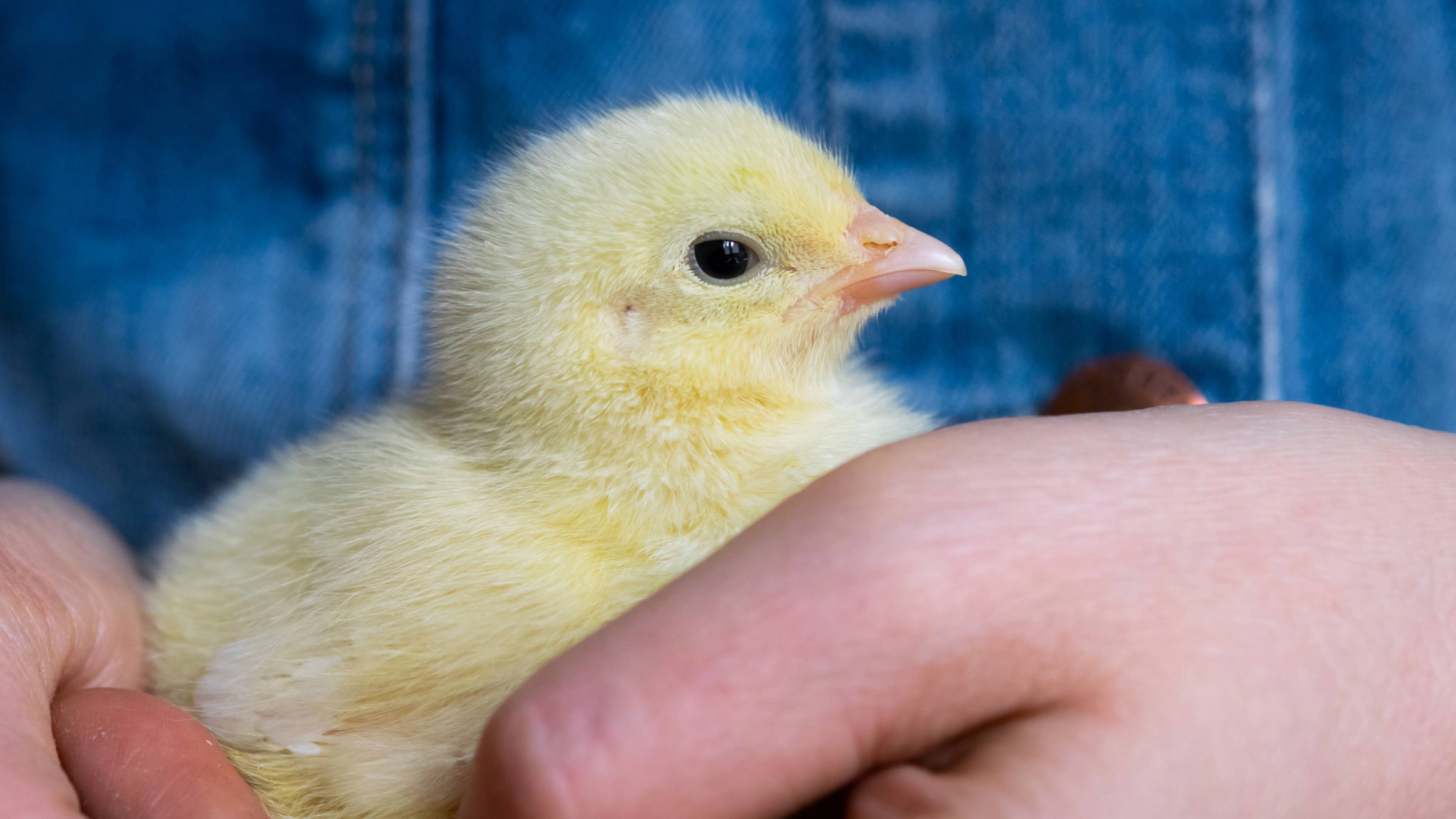
"Our findings show that gentle human contact can trigger positive emotions in young chicks," stated Ben Lecorps in a press release following the study’s publication. "The study demonstrates how simple, calm handling has the potential to shape the human-animal relationship from fear-inducing to positive and consequently improve the chicks’ welfare."
The Context of Industrial Poultry Welfare
The implications of this research are particularly poignant when viewed against the backdrop of the modern egg industry. Laying hens are among the most numerous and intensively farmed animals on the planet. According to data from the Food and Agriculture Organization (FAO) of the United Nations, there are more than 7 billion laying hens globally, producing over 80 million tonnes of eggs annually.
In many commercial settings, the sheer scale of production necessitates management styles that prioritize efficiency over individual animal care. Organizations such as the Angell Animal Medical Center-Angell and various farm animal advocacy groups have long highlighted the welfare challenges faced by these birds. In many intensive systems, hens spend their lives in environments with limited space—often cited as being less than the area of a standard sheet of paper—and minimal human contact that isn’t related to transport or medical intervention.
Historically, human-poultry interactions in commercial settings have been documented as a source of "tonic immobility" or fear-paralysis in birds. When humans enter a poultry house, the sudden movement and noise can trigger a flock-wide panic response, leading to injuries or chronic stress. The University of Bristol study provides a scientific roadmap for reversing this dynamic. By introducing gentle handling during the neonatal stage—the first few days and weeks of a chick’s life—producers may be able to desensitize the birds to human presence and foster a more placid, less stressful environment.
A Timeline of Evolving Avian Science
The understanding of avian cognition and emotion has undergone a revolution over the last two decades. For much of the 20th century, chickens were viewed as "simple" organisms driven purely by instinct. However, a timeline of recent discoveries has dismantled this perception:
- 2000s: Researchers establish that chickens possess "object permanence," the understanding that an object still exists even when it is hidden, a cognitive trait that human infants do not develop until several months of age.
- 2011: Studies on "contagious yawning" and empathetic-like responses in hens toward their chicks suggest a high level of social complexity.
- 2017: Research into "referential communication" shows that chickens use specific vocalizations to alert others to different types of predators (e.g., aerial vs. terrestrial), indicating a functional language.
- 2024: The University of Bristol study adds the dimension of "positive affective states" triggered by interspecies bonding, proving that the birds’ emotional repertoire includes the capacity for pleasure derived from human interaction.
Industry Reactions and Practical Challenges
While the scientific community has welcomed the findings, the transition from a laboratory setting to a commercial hatchery or farm presents significant logistical hurdles. In a facility housing tens of thousands of chicks, individualized "gentle stroking" is currently impossible for human staff to perform.
However, industry analysts suggest that the "spirit" of the research can be applied through automated systems or modified husbandry protocols. For instance, the use of recorded soft human speech played over speakers in brooding facilities, or the implementation of "environmental enrichment" that mimics the tactile sensation of stroking, could provide similar welfare benefits at scale.
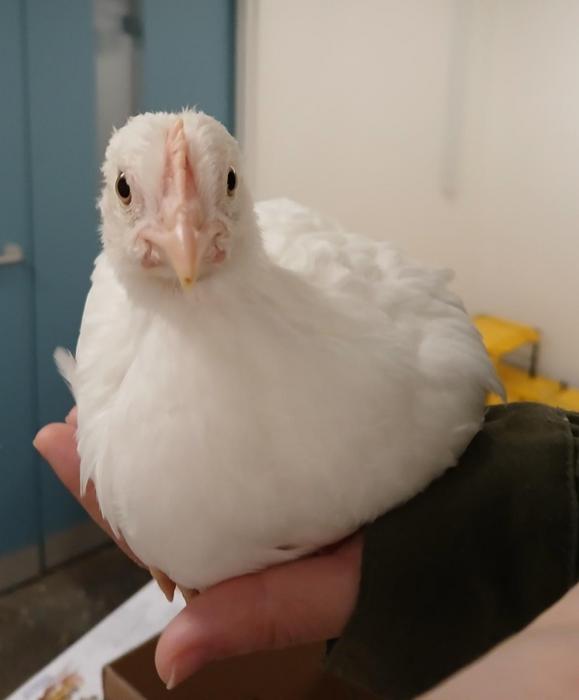
Furthermore, for small-scale farmers, backyard flock owners, and "pastured" egg producers, this research provides a clear mandate. Early socialization is not merely a "hobbyist" pursuit but a scientifically backed method for reducing flock stress. A calmer bird is generally a healthier bird; lower stress levels are linked to better immune function and, in some studies, more consistent laying patterns.
The Seasonal Paradox: The "Easter Chick" Phenomenon
The publication of this research often coincides with seasonal trends where young chicks are marketed as "living toys" for the Easter and spring holidays. Social media platforms frequently feature images of children handling chicks, often with an intensity that causes the birds visible distress.
The Bristol study serves as a timely reminder of the delicacy required in these interactions. While the research advocates for handling, it emphasizes that the handling must be "gentle," "slow," and "calm." The "puggy little hands" of toddlers, mentioned in social commentary regarding the study, often represent the opposite of the controlled environment used by Lecorps and his team. Experts warn that improper handling during this sensitive developmental window can have the opposite effect, creating a lifelong fear of humans and permanently damaging the bird’s welfare.
Broader Implications for Animal Welfare Policy
The findings contribute to a growing body of evidence supporting the "Five Domains" model of animal welfare, which has largely superseded the older "Five Freedoms." The Five Domains model places a heavy emphasis on "positive mental states" rather than just the absence of suffering.
By proving that chicks experience positive emotions from gentle handling, the research supports the argument that welfare standards should require environments that allow for "positive engagement" with the world. This could eventually influence legislation in regions like the European Union and the United Kingdom, where animal sentience is legally recognized. If an animal is proven to be capable of experiencing pleasure from certain interactions, there is a burgeoning legal and ethical argument that they should be provided with opportunities to experience those states.
Conclusion and Future Research
The University of Bristol’s study marks a significant step forward in the field of ethology. It moves the conversation beyond what harms a chicken to what actively benefits their psychological state. As the global agricultural sector faces increasing pressure from consumers to provide ethically sourced products, data-driven methods for improving animal happiness—not just survival—will become increasingly valuable.
Future research is expected to investigate whether these positive early experiences have long-term effects on the birds as they transition into adult laying hens. If a chick that is handled gently grows into a hen that is more resilient to stress, less prone to feather pecking (a common behavioral issue in crowded pens), and more socially stable, the economic and welfare arguments for "gentle interaction" will become undeniable. For now, the message for those who interact with these icons of spring is clear: a little kindness and a gentle touch go a long way in the mind of a chick.