



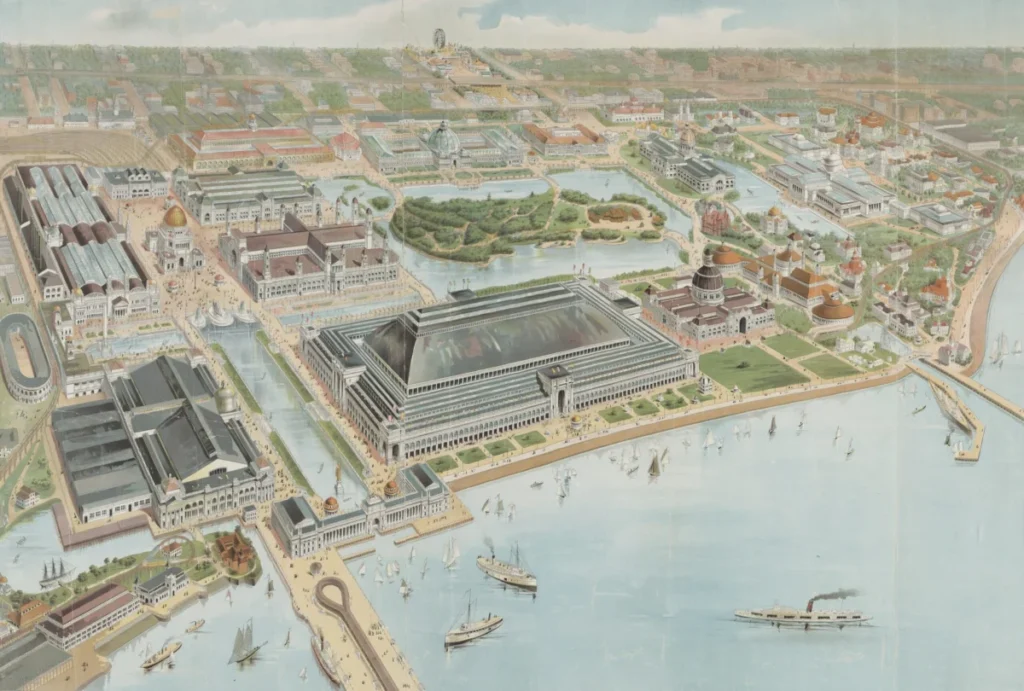
At exactly 12:08 p.m. on May 1, 1893, President Grover Cleveland stood before a crowd of approximately 200,000 spectators in Chicago and pressed a single golden telegraph key. This modest physical gesture triggered a monumental technological chain reaction, activating the massive Allis engines in the Machinery Hall and bathing the 630-acre fairgrounds in a glow of incandescent light. The act did more than simply open the World’s Columbian Exposition; it signaled the dawn of the "Electric Age" and solidified Chicago’s status as a global metropolis. The event, held to celebrate the 400th anniversary of Christopher Columbus’s arrival in the New World, would go on to host 27 million visitors—nearly half the population of the United States at the time—and fundamentally reshape American architecture, technology, and consumer culture.
The Architectural Vision of the White City
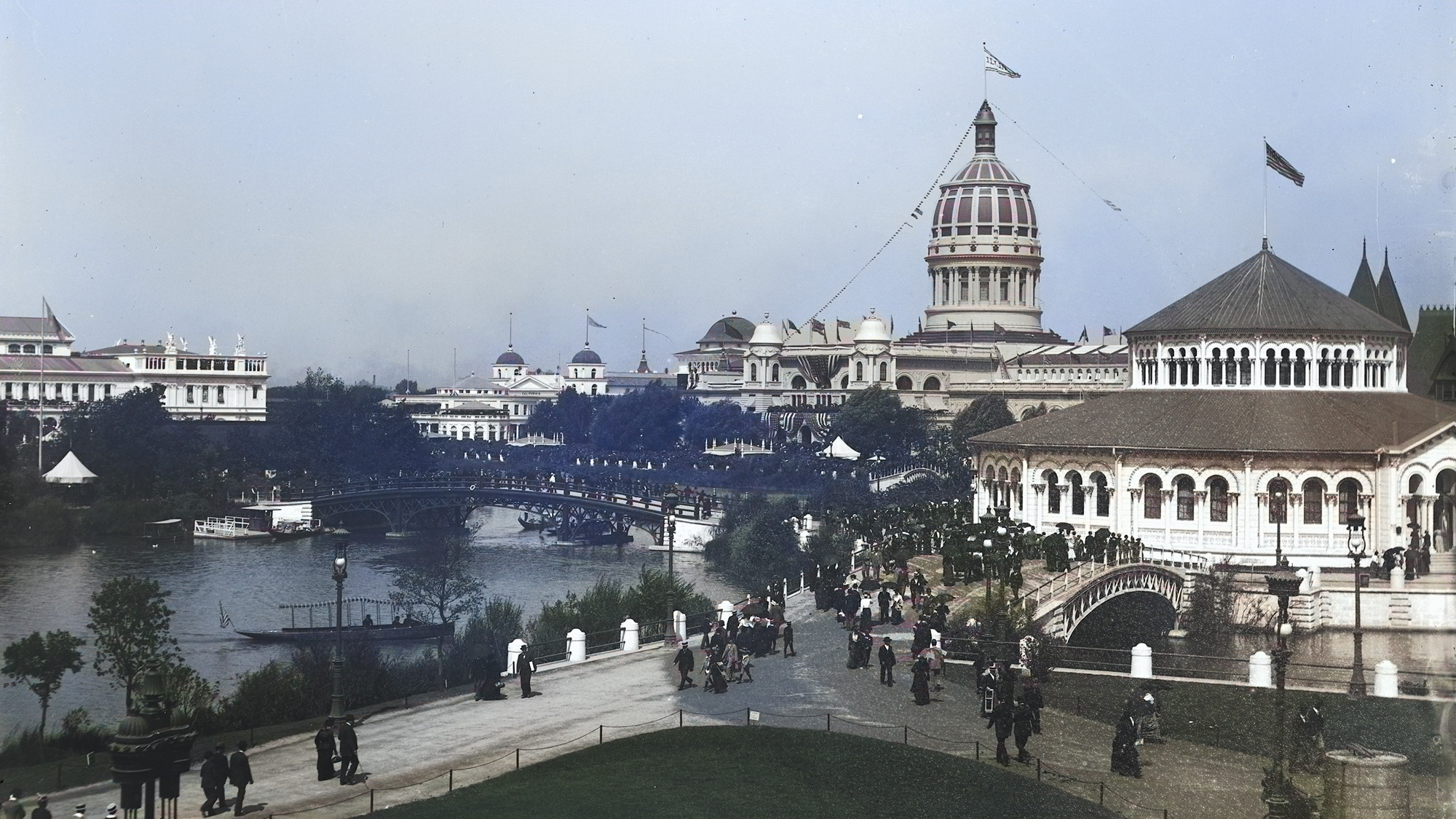
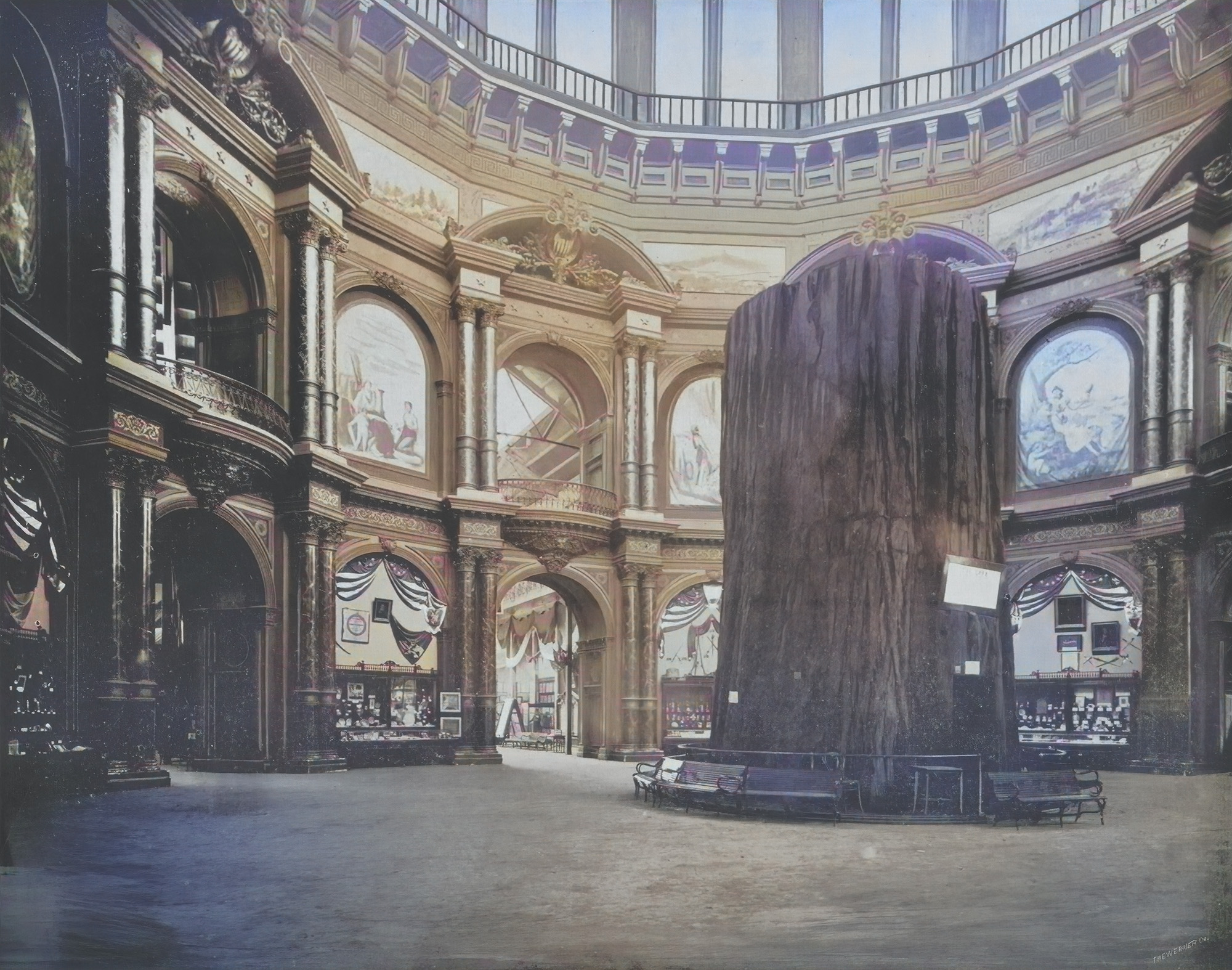
The exposition was colloquially known as the "White City," a name derived from the neoclassical buildings designed by a consortium of the nation’s leading architects, led by Director of Works Daniel Burnham. These structures were clad in "staff"—a mixture of plaster of Paris and hemp fiber—and painted a uniform, brilliant white. This aesthetic was a deliberate departure from the soot-stained, industrial reality of late 19th-century Chicago.
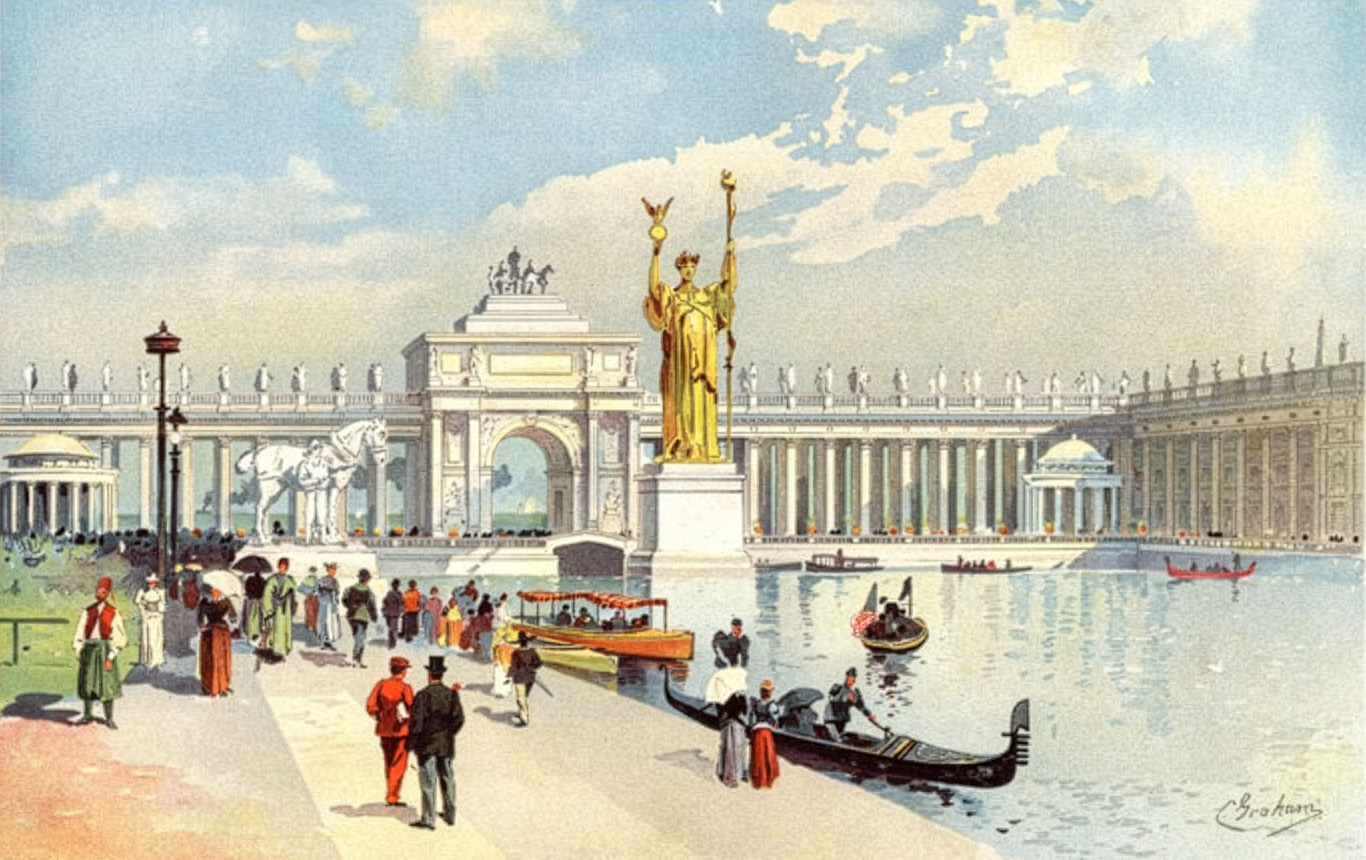
Burnham’s vision was rooted in the City Beautiful movement, which posited that grand, orderly urban environments could promote social harmony and civic virtue. The fairgrounds featured sprawling lagoons, arched bridges, and massive pavilions inspired by Greek, Roman, and Renaissance architecture. The centerpiece was the Court of Honor, where the Grand Basin reflected the majestic Administration Building and its gold-ribbed dome.
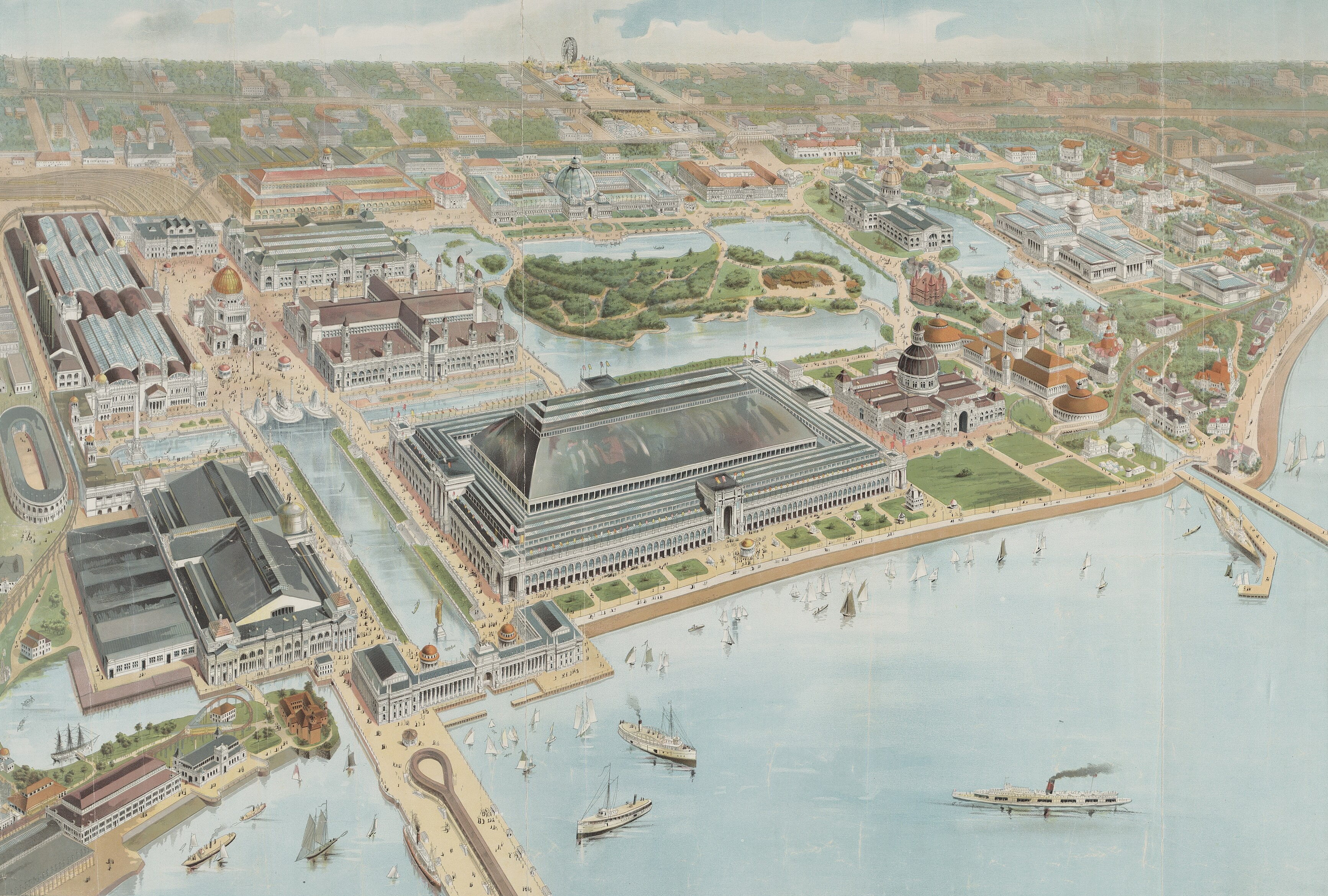
While most of these structures were designed to be temporary, their influence was permanent. The fair ignited a nationwide trend toward neoclassical civic architecture, visible today in the design of the National Mall in Washington, D.C., and countless courthouses and libraries across the United States. Today, only a few physical remnants of this architectural marvel survive. The Palace of Fine Arts was later reinforced with stone and now houses the Museum of Science and Industry, while the Art Institute of Chicago remains the only building from the fair still standing in its original location on Michigan Avenue.
Chronology of a Global Spectacle: From Bid to Ashes
The journey to the 1893 World’s Fair was marked by intense competition and logistical hurdles. The timeline of the exposition reflects the rapid industrialization and shifting priorities of the Gilded Age.
- 1890: The Competitive Bid. Chicago won the right to host the fair after a fierce bidding war against New York City, St. Louis, and Washington, D.C. The victory was a point of immense pride for the "Windy City," which sought to prove it had fully recovered from the Great Fire of 1871.
- 1891–1892: Construction and Delays. Under Burnham’s leadership, thousands of workers transformed the marshy Jackson Park into a sophisticated landscape. However, the scale of the project led to significant delays.
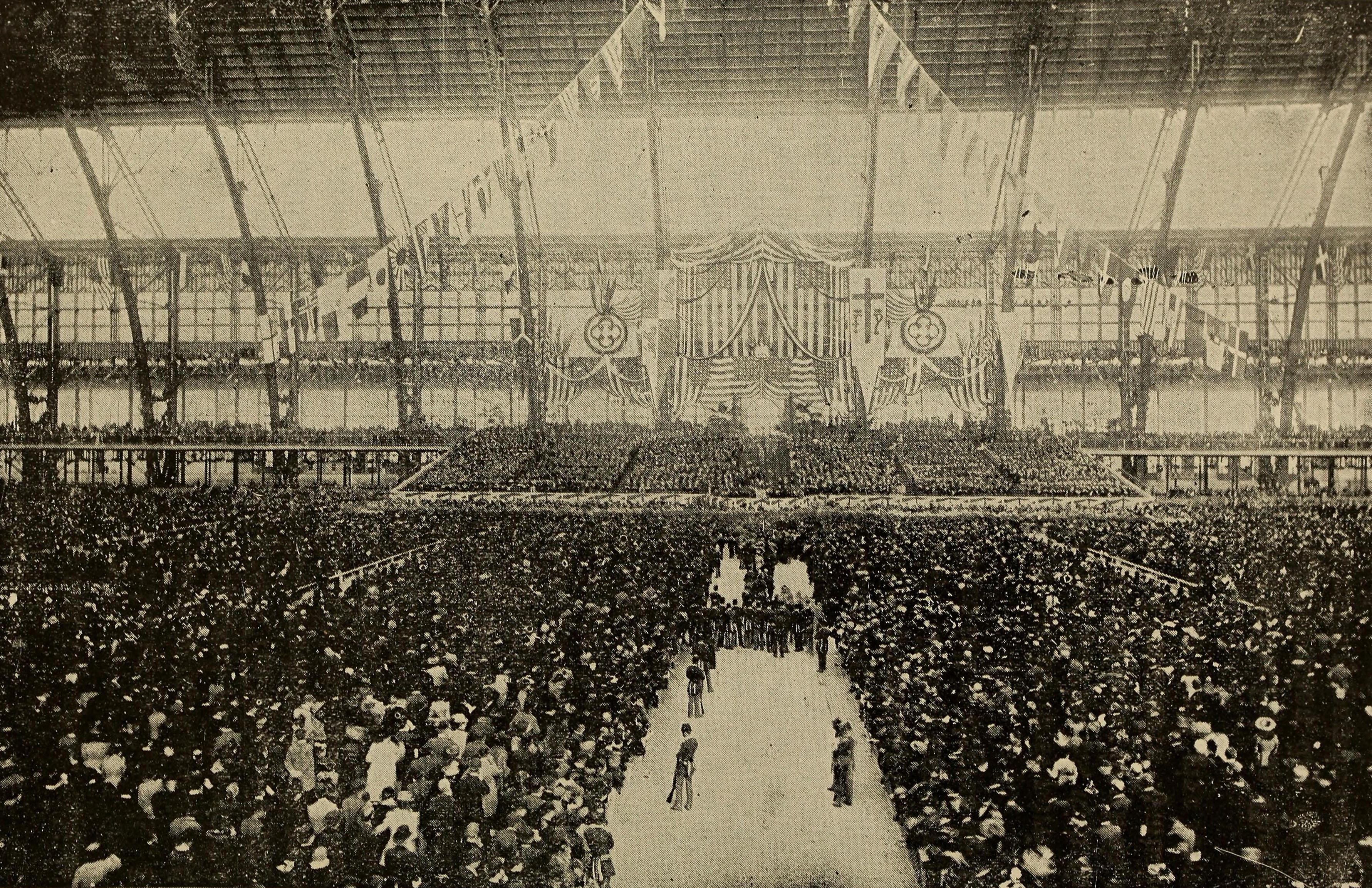
- October 21, 1892: The Dedication Ceremony. Although the fair was not ready to open, a dedication ceremony was held in the Manufactures and Liberal Arts Building to mark the Columbus anniversary. Over 100,000 people attended this preliminary event.
- May 1, 1893: The Grand Opening. President Cleveland officially opened the gates, launching a six-month period of international exhibition.
- October 28, 1893: A Tragic Conclusion. Just days before the fair’s scheduled closing, the popular Mayor of Chicago, Carter Harrison Sr., was assassinated at his home. The planned closing festivities were canceled, replaced by a somber memorial service.
- 1894: The Great Fire. In the months following the fair’s conclusion, several fires broke out among the abandoned buildings. A massive blaze in July 1894 destroyed much of the remaining "White City," leaving behind a skeletal landscape that was eventually cleared for the expansion of Jackson Park.
Supporting Data: The Scale of the Exposition
The 1893 World’s Fair was an exercise in superlatives. To understand its impact, one must look at the data that defined its operation.
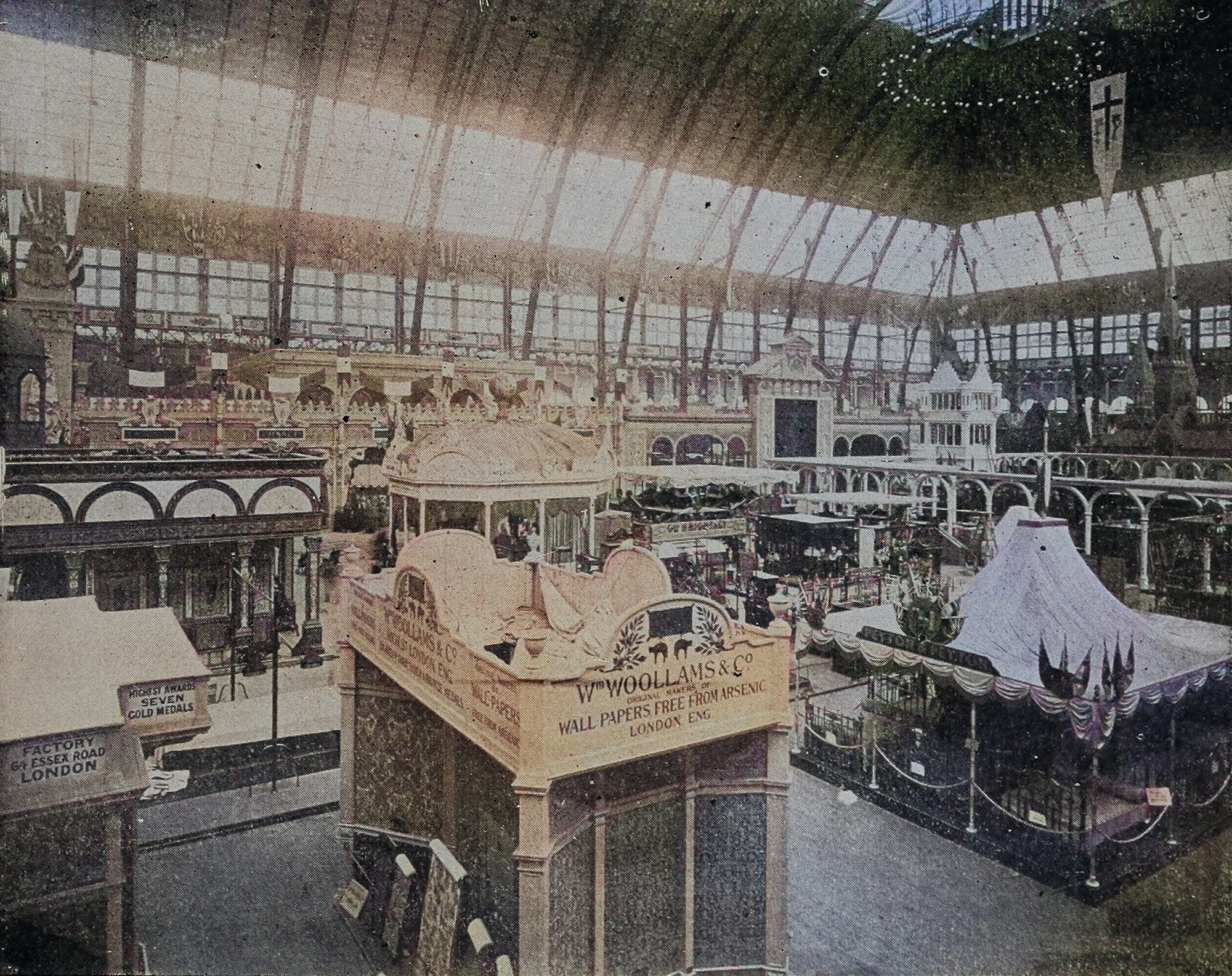
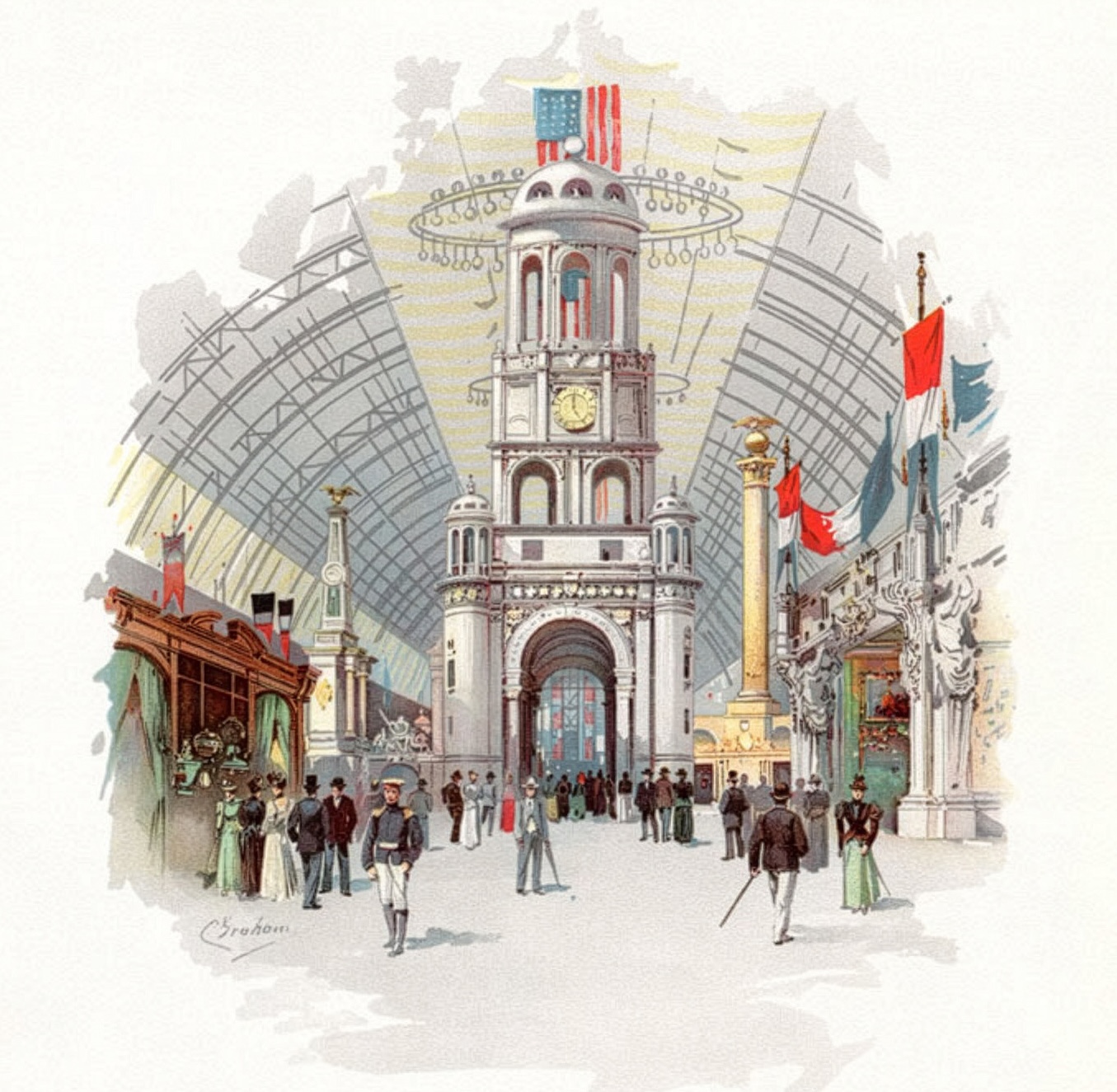
The Manufactures and Liberal Arts Building stood as the largest structure in the world at the time. Measuring 1,687 feet by 787 feet, it covered more than 31 acres. Its roof required 11 miles of skylights, and the building was large enough to house the entire standing army of the United States.
Financially, the fair was a massive gamble. The total cost of construction and operation was approximately $28 million (roughly $950 million in today’s currency). Despite the economic Panic of 1893, which caused a severe national depression during the fair’s run, the exposition managed to turn a small profit, thanks to its 27.5 million admissions. On "Chicago Day," October 9, 1893, a record-breaking 716,881 people attended the fair—the largest gathering of people in the Western Hemisphere up to that point.
The Midway Plaisance, a separate strip of land dedicated to entertainment and "ethnological" exhibits, provided the fair’s most iconic engineering feat: the original Ferris Wheel. Designed by George Washington Gale Ferris Jr., the wheel stood 264 feet tall and featured 36 cars, each capable of holding 60 people. It was designed to rival the Eiffel Tower, which had debuted at the 1889 Paris Exposition.
The War of Currents and Technological Breakthroughs
The exposition served as the ultimate proving ground for the "War of Currents" between Thomas Edison’s direct current (DC) and Nikola Tesla’s alternating current (AC). George Westinghouse won the contract to light the fair using Tesla’s AC system, bidding significantly lower than Edison’s General Electric.
The success of the lighting system—which powered 120,000 incandescent lamps—effectively ended the debate, proving that AC was the superior method for large-scale power distribution. This technological victory laid the foundation for the modern electrical grid.
Beyond electricity, the fair introduced the public to an array of innovations that would become staples of modern life. These included:
- The First Commercial Movie Theater: Eadweard Muybridge’s Zoopraxographical Hall showed animated sequences to paying customers.
- Automated Conveniences: Josephine Cochrane’s automatic dishwasher won the highest award for "mechanical construction, durability, and adaptation to its line of work."
- Consumer Goods: Iconic American brands like Cracker Jack, Quaker Oats, Shredded Wheat, and Juicy Fruit gum made their debut or achieved national prominence at the fair. The brownie, allegedly invented at the request of socialite Bertha Palmer for the Women’s Building, also became a culinary legacy of the event.
Social Context and Official Responses
While the exposition was a triumph of technology and architecture, it was also a reflection of the social tensions of the era. The "White City" stood in stark contrast to the "Black City" of industrial Chicago, characterized by poverty, labor unrest, and racial segregation.
Official responses from international dignitaries were largely glowing. European royals and Asian diplomats praised the fair as a symbol of America’s emergence as a world power. However, internal reactions were more nuanced. Prominent Black leaders, including Frederick Douglass and Ida B. Wells, criticized the fair for its lack of African American representation in the main exhibits. In response, they published a pamphlet titled The Reason Why the Colored American Is Not in the World’s Columbian Exposition, highlighting the disconnect between the fair’s theme of "progress" and the reality of Jim Crow laws.
Similarly, the Board of Lady Managers, led by Bertha Palmer, successfully advocated for a Woman’s Building. This pavilion was designed by a female architect, Sophia Hayden, and managed entirely by women, showcasing the global contributions of women to science, art, and industry. It was a landmark moment for the burgeoning women’s suffrage movement.
Broader Impact and Modern Implications
The 1893 World’s Columbian Exposition left an indelible mark on the American psyche. It popularized the idea of the "planned city," influencing urban design for decades. The fair’s emphasis on consumerism and branding transformed how companies marketed their products, moving toward the mass-market strategies we recognize today.
Furthermore, the fair’s legacy is preserved in the very symbols of the city of Chicago. The four stars on the Chicago city flag represent major historical events; the first star commemorates the Fort Dearborn Massacre, the second the Great Fire of 1871, and the third—added in 1933—represents the 1893 World’s Columbian Exposition.
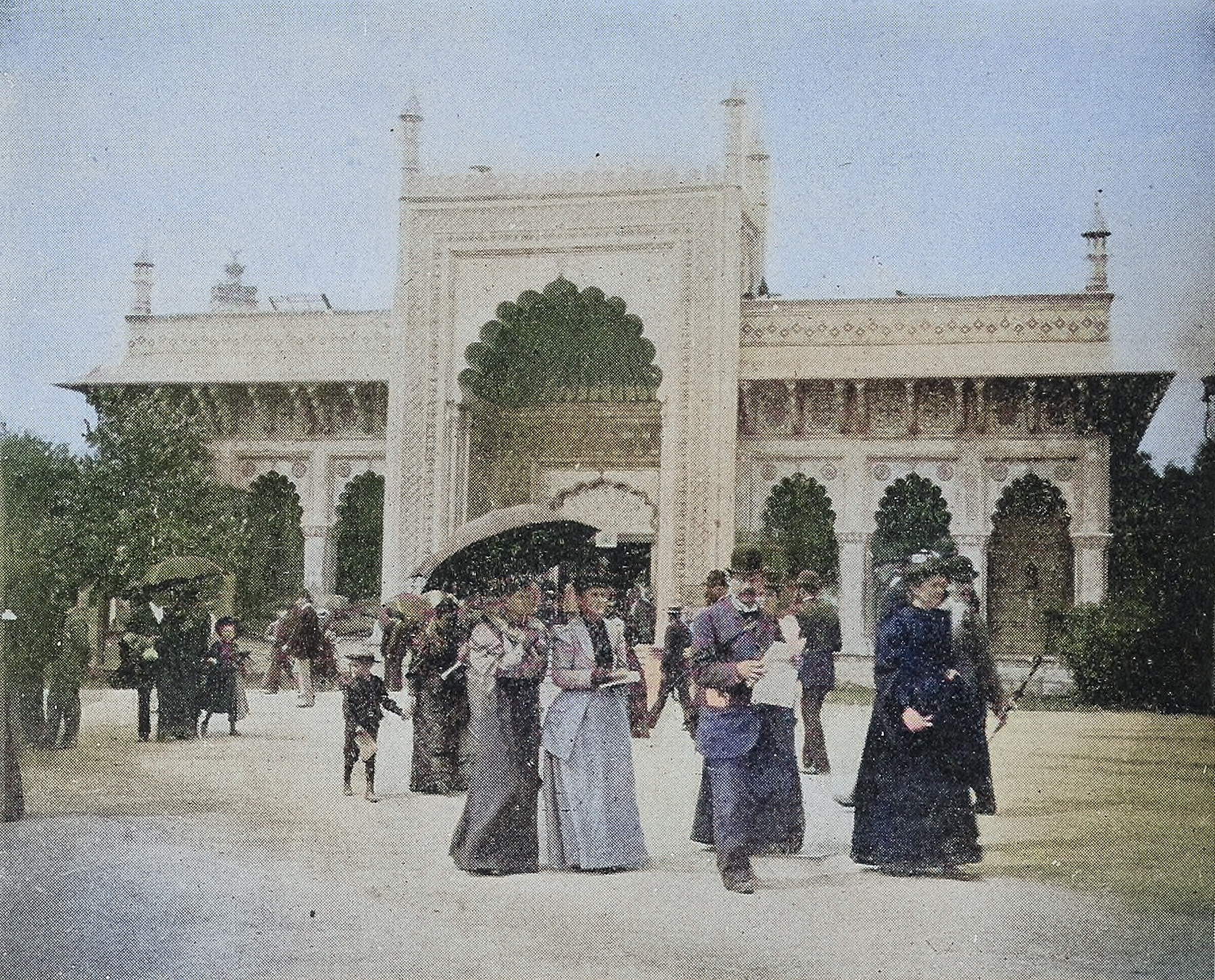
In a broader sense, the fair established the United States as the world’s leader in innovation and industrial capacity. The rare colorized photographs that survive today allow us to glimpse the "White City" not as a distant historical myth, but as a vibrant, bustling reality. While the plaster palaces have long since crumbled or burned, the world they helped create—defined by electricity, rapid transportation, and global connectivity—remains the world we inhabit today. The exposition was more than a fair; it was a blueprint for the 20th century.