



The annual online debate surrounding school supplies has become a recurring fixture in the digital landscape, sparking passionate exchanges between parents and educators alike. This contentious discussion, often unfolding across social media platforms, highlights a fundamental divergence in expectations and understanding regarding how essential classroom materials are procured and managed. Far from a trivial back-to-school ritual, this discourse reflects deeper issues concerning educational funding, equity, instructional efficiency, and community responsibility within schools. For many parents, the act of purchasing school supplies is a cherished tradition, an opportunity to equip their children with personalized tools for learning—a Spider-Man folder, a unicorn pencil, or a brand of crayons known for its vibrant hues. Yet, this personal investment often clashes with the operational realities of modern classrooms, particularly in K-8 settings, where systems like "community supplies" or "teacher-distributed supplies" are increasingly prevalent. This disconnect leads to frustration, resentment, and a perception of unfairness that can erode trust between home and school.
A Shifting Paradigm: The Evolution of School Funding and Supply Management
To fully grasp the current school supply dynamic, it is essential to understand the significant shifts in educational funding over the past several decades. What many parents remember from their own schooling—a classroom fully stocked with essentials, where personal items were often supplementary—is largely a relic of a different era. In the 1970s and 80s, public schools generally received more robust state and local funding, which often covered the bulk of operational costs, including classroom supplies. Teachers were less reliant on parental contributions for core materials like glue sticks, construction paper, or basic writing instruments. Personal items like "Hello Kitty" erasers were indeed cherished, but they rarely constituted the foundational tools for daily learning.
However, subsequent decades have witnessed a gradual but pronounced decline in per-pupil funding in many districts across the United States. Economic downturns, shifting state legislative priorities, and property tax limitations have collectively pressured school budgets. According to data from the National Center for Education Statistics (NCES), while total per-pupil spending has generally increased over time, the proportion of that spending dedicated specifically to classroom supplies and instructional materials has often lagged, or in some cases, seen real declines when adjusted for inflation and rising operational costs. As a result, schools have increasingly turned to parents to help offset these costs, transforming what was once a supplemental request into a critical component of classroom resourcing. This financial strain directly impacts teachers, who frequently find themselves subsidizing their classrooms out of their own pockets. A 2021 report by AdoptAClassroom.org revealed that teachers in the U.S. spent an average of $750 of their own money on classroom supplies in the previous year, with 30% spending $1,000 or more. This substantial personal investment underscores the critical need for parental contributions, even when those contributions are pooled.
Understanding Community Supply Systems: Efficiency, Equity, and Instruction
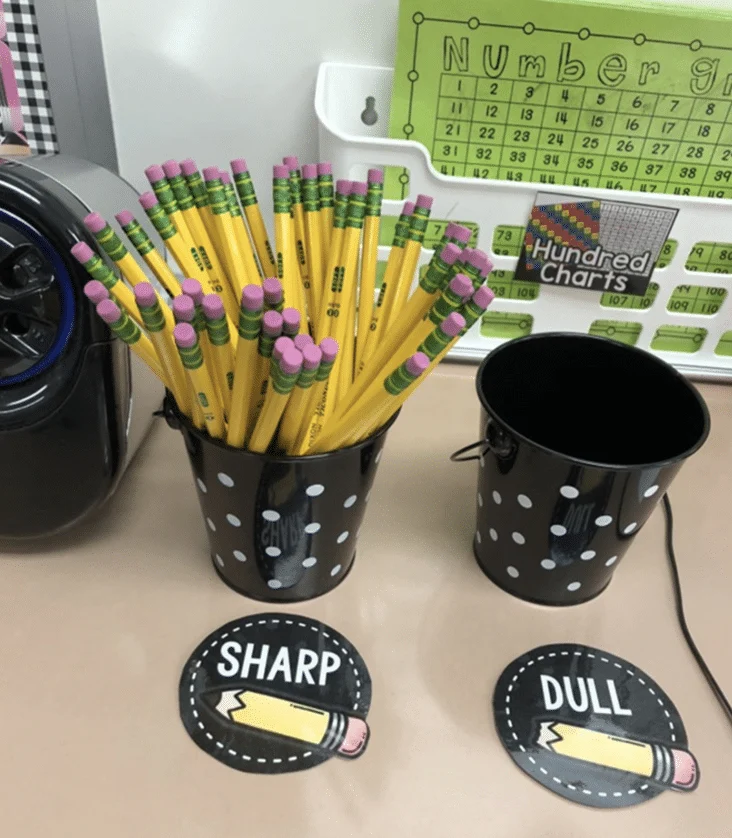
At the heart of the contemporary school supply model is the concept of "community supplies," often referred to as "communal supplies" or "teacher-distributed supplies." This system involves parents contributing a list of general supplies that are then pooled and managed by the teacher for the entire class. Rather than each child maintaining a personal stash of every item, the classroom operates with a collective inventory, from which students draw as needed. This can manifest in various ways: a Kindergarten class might have supply bags attached to chairs, replenished weekly by the teacher; a central bin might hold all glue sticks, distributed as needed; or a "dull" and "sharp" pencil cup system might operate at the front of the room for quick exchanges.
The rationale behind these systems is multifaceted, primarily centered on enhancing instructional efficiency and promoting educational equity.
-
Instructional Efficiency: Consider the logistical complexities of managing individualized supplies for 25 young children daily. A teacher attempting to distribute personal glue sticks, crayons, or scissors for every art project, or waiting for children to locate specific items in their backpacks, would consume invaluable instructional minutes. Educational research consistently shows that effective classroom management, which includes minimizing transitions and logistical delays, is directly linked to improved student engagement and academic outcomes. Community supply systems streamline these processes. A teacher can swiftly circulate a bin of materials or manage a simple pencil exchange system with minimal interruption, maximizing the time dedicated to core subjects like reading, writing, and mathematics. This systematic approach allows for a smoother flow of lessons, keeping students engaged and focused on learning rather than logistical hurdles.
-
Educational Equity: Perhaps the most compelling argument for communal supplies is their role in fostering an equitable learning environment. Within any school community, families possess varying socioeconomic capacities. Some parents may struggle to afford the requested supply list, while others might opt not to contribute due to personal beliefs or financial constraints. When supplies are pooled, every child gains equal access to the necessary tools for learning, irrespective of their family’s ability to contribute. This proactive measure prevents potential embarrassment or feelings of inadequacy among students who might otherwise lack essential materials. It ensures that no child is visibly "without" a specific item, reducing social stigma and allowing all students to participate fully and confidently in classroom activities. From the perspective of school leadership and district policy, ensuring equitable access to resources is a fundamental ethical responsibility, central to fostering an inclusive learning environment.
-
Consistency and Quality: While parents may have preferences for specific brands or types of supplies, communal systems often allow schools or teachers to standardize certain items. This ensures a baseline quality and consistency across the classroom, benefiting all students by providing reliable tools. It also simplifies the process of monitoring and replenishing supplies throughout the year, as teachers can manage a single, collective inventory rather than tracking individual student needs across dozens of desks.

The Mismatch: When Expectations Collide
The core problem, as highlighted in the online debates, is not the efficacy of community supply systems but rather the significant mismatch between parental expectations and school implementation. Parents, often drawing from their own schooling experiences or the desire to personalize their child’s educational journey, frequently purchase supplies with the intention of individual ownership. When these carefully selected items—a Spiderman folder, a personalized pencil box—are collected and added to a communal bin on the first day of school, disappointment and a sense of betrayal can understandably arise. This sentiment is compounded by a lack of transparent communication from schools about why these systems are in place and how they function. Without this understanding, parents may harbor misconceptions:
- "My child’s supplies are being taken for other, ‘needy’ kids." While it’s true that all children will use supplies from the collective pool, this perception often implies a judgmental distinction. The reality is that "one pencil or glue stick is the same as the next" in an elementary classroom, and the system is designed for collective benefit, not charity for a few. Your child will use their share of the 48 pencils, 3 glue sticks, and 50 crayons over the year, whether they are "theirs" or from the collective.
- "Teachers are hoarding or selling supplies." This cynical view, while occasionally surfacing in online comments, is largely unfounded. As previously noted, many teachers are already spending significant personal funds. Their diligent management of supplies, often by storing them in a closet and keeping careful tabs, is a natural response to the financial pressure they face to ensure the classroom remains stocked. There is no "black market for glue sticks." Statements from teachers’ unions consistently highlight the financial strain on educators and advocate for increased school funding to alleviate this burden.
- "My child won’t learn responsibility if they don’t manage their own supplies." While personal responsibility is a crucial life skill, the sheer scale of managing individual supplies for 25+ young children daily would consume an inordinate amount of instructional time. Teachers prioritize teaching core academic subjects. Responsibility can be taught through other classroom duties, personal organization of backpacks, or managing homework supplies at home. As students progress to high school, where they typically have fewer, more specialized supplies and often rotate classrooms (a system known as departmentalized learning), individual supply management becomes more appropriate and feasible, as students interact with multiple teachers and need to carry their own materials.
Bridging the Divide: Communication and Empathy
To mend this rift and foster a more harmonious back-to-school experience, clear, proactive communication from schools is paramount. Parents need to be informed well in advance of the school year about the specific supply management system in place. Key information to convey includes:
- Is the school using a communal or individualized supply system? This foundational question dictates parental purchasing decisions and manages expectations.
- How are supplies replenished throughout the year? Do parents receive requests for additional supplies, or does the school budget cover mid-year needs? Understanding this prevents surprises and allows families to plan.
Schools can disseminate this information through multiple channels: comprehensive back-to-school packets, dedicated sections on the school website, parent-teacher organization meetings, and direct emails from teachers. Early and consistent communication, ideally a month or more before school commences, can preempt much of the frustration and allow parents to align their "parenting moves" with school systems. For example, if a school operates on a communal system, parents can still enjoy back-to-school shopping but focus on the communal benefit rather than individual ownership of specific items.
For parents, the critical "parenting move" is to align their actions with the school’s stated system. If the school uses communal supplies:
- Embrace the community aspect: Understand that your contribution benefits all students, including your own, by ensuring a well-resourced learning environment. This collective effort is a practical demonstration of community support.
- Consider contributing more: If financially feasible, sending in extra supplies or monetary donations (if the school allows) can help cover the needs of students whose families cannot contribute, reducing the burden on teachers. This generosity strengthens the entire school community.
- Personalization at home: If your child desires a special folder or pencil, create a "homework station" at home with personalized items. This allows them to express individuality in their learning space without disrupting classroom systems or creating potential issues with lost or stolen items at school. Often, the incentive of fun, personalized supplies can make homework more engaging.
- Ask for clarification: If information is unclear, contact the school or teacher directly rather than making assumptions based on past experiences or online commentary. A direct conversation can resolve misunderstandings swiftly.
Beyond the Classroom: Broader Implications and Policy Considerations
The school supply debate, while seemingly granular, reflects broader societal challenges in education. The reliance on parental contributions underscores the ongoing underfunding of public schools in many regions. Addressing this issue comprehensively would require systemic changes at state and local levels, ensuring that schools receive adequate funding to cover all essential operational costs, including classroom supplies, thereby reducing the financial burden on both teachers and families. Educational advocacy groups consistently lobby for increased state budgets for public education, highlighting that basic supplies should not be a discretionary expense for families or teachers.
Furthermore, the conversation around school supplies offers a subtle but powerful lesson in community. In an increasingly individualistic society, the communal supply model subtly teaches children about sharing, collective responsibility, and the idea that everyone benefits when resources are pooled and managed for the common good. It fosters an environment where the focus is on learning and collaboration, rather than on individual possessions. This aligns with broader pedagogical goals of developing well-rounded citizens who understand their role within a larger collective.
Ultimately, both parents and educators share the common goal of providing the best possible learning environment for children. By fostering open communication, promoting mutual understanding, and recognizing the systemic factors at play, communities can move beyond the annual supply debate towards a more collaborative and supportive approach to equipping their schools for success. The image of a well-stocked classroom, ready to meet the diverse needs of every student, is a vision that both sides can wholeheartedly support. The path to achieving it lies in acknowledging the realities of modern education and working together to build systems that prioritize equity, efficiency, and the collective well-being of the student body.