



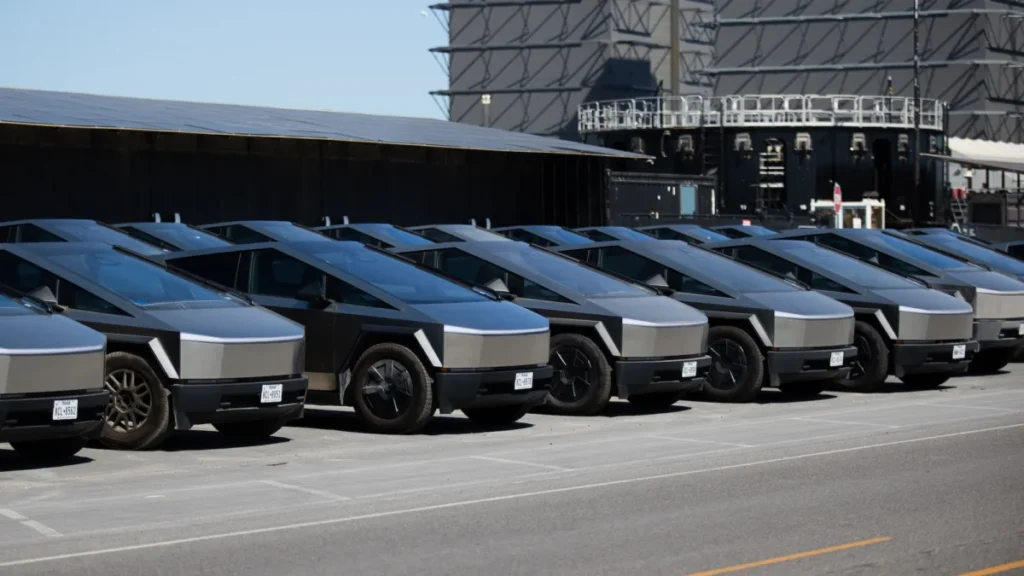
The National Highway Traffic Safety Administration (NHTSA) has issued a safety recall for a specific subset of Tesla Cybertrucks, citing a manufacturing defect that could lead to the catastrophic failure of wheel components. According to the federal regulatory body, approximately 173 units of the stainless steel electric pickup truck, spanning the 2024 through 2026 model years, are equipped with defective brake rotor studs. These studs are prone to developing cracks which, if left unaddressed, could lead to the studs snapping and the wheel hub separating from the vehicle while in motion. This latest safety alert adds to a growing list of technical hurdles for Tesla’s flagship utility vehicle, further complicating the company’s efforts to stabilize production and maintain consumer confidence in its unconventional design.
Technical Details of the Wheel Hub Defect
The recall specifically targets Cybertrucks outfitted with the optional 18-inch steel wheels, a configuration marketed toward owners seeking a more rugged, utilitarian aesthetic. The NHTSA’s investigation revealed that the brake rotor studs—the threaded fasteners that secure the wheel and rotor assembly to the hub—may have been manufactured with material inconsistencies or subjected to improper stress during the assembly process. Over time, these studs can develop stress fractures or "fatigue cracks."
If these cracks propagate, the structural integrity of the wheel assembly is compromised. In a worst-case scenario, multiple studs could shear off simultaneously, leading to the total separation of the wheel from the vehicle’s axle. The NHTSA warning was explicit regarding the dangers of such a failure: "Wheel hub separation can cause a loss of vehicle control, increasing the risk of crash." Such an event at highway speeds could result in a rollover or a multi-vehicle collision, posing a significant threat to both the occupants of the EV and other motorists.
To mitigate the risk, Tesla has instructed owners to be vigilant for early warning signs of mechanical failure. According to data compiled by Kelley Blue Book and corroborated by Tesla’s service bulletins, affected vehicles may exhibit unusual vibrations through the steering wheel or chassis. Owners might also hear clicking, grinding, or thumping noises emanating from the wheel wells before a total separation occurs. Tesla has committed to replacing the wheel hubs and brake rotors on all affected vehicles free of charge, as mandated by the National Traffic and Motor Vehicle Safety Act.
A Chronology of Cybertruck Recalls and Reliability Issues
The current wheel hub issue marks the 11th official recall for the Cybertruck since it began reaching customers in late 2023. This frequency of safety interventions is remarkably high for a vehicle that has been on the market for less than two years. The Cybertruck’s journey from concept to consumer has been marred by a series of high-profile mechanical and software failures that have challenged the "apocalypse-proof" marketing narrative pushed by Tesla CEO Elon Musk.
A timeline of major Cybertruck recalls illustrates a pattern of manufacturing and design oversights:
- April 2024 (Accelerator Pedal Malfunction): Tesla recalled nearly 4,000 Cybertrucks after reports surfaced that the accelerator pedal pad could dislodge and become trapped in the interior trim. The investigation found that an "unapproved lubricant" (soap) used during the assembly of the pedal caused the component to slip, potentially leading to unintended acceleration.
- June 2024 (Windshield Wiper Failure): Over 11,000 units were recalled due to a faulty motor in the vehicle’s oversized, single-blade windshield wiper. The motor was prone to burnout, rendering the wiper useless during heavy rain and significantly obstructing driver visibility.
- June 2024 (Trim Adhesion Issues): A simultaneous recall was issued for exterior trim pieces, specifically the "sail applique" along the truck bed, which was found to be improperly adhered. These panels could fly off the vehicle at high speeds, creating a road hazard for following traffic.
- Late 2024 (Rearview Camera Delay): Software-related recalls were issued to address significant lag in the rearview camera display, which failed to meet federal safety standards for backup visibility.
Despite these setbacks, the Cybertruck maintains a five-star overall safety rating from the NHTSA. However, automotive analysts note a distinction between "crashworthiness"—how well a vehicle protects occupants during an impact—and "reliability," which concerns the frequency of mechanical failures that could cause such impacts. While the Cybertruck’s cold-rolled stainless steel exoskeleton performs well in controlled crash tests, the 124 consumer complaints currently on file with the NHTSA suggest that real-world durability remains a point of contention.
The Engineering Challenge of the Stainless Steel Exoskeleton
The recurring issues with the Cybertruck are often traced back to its radical design and the materials used in its construction. Elon Musk originally touted the vehicle as "the finest in apocalypse technology," drawing inspiration from the "Blade Runner" cinematic aesthetic. The use of Ultra-Hard 30X Cold-Rolled stainless steel was intended to provide unparalleled durability and bullet resistance. However, working with such a rigid material has introduced significant manufacturing complexities.
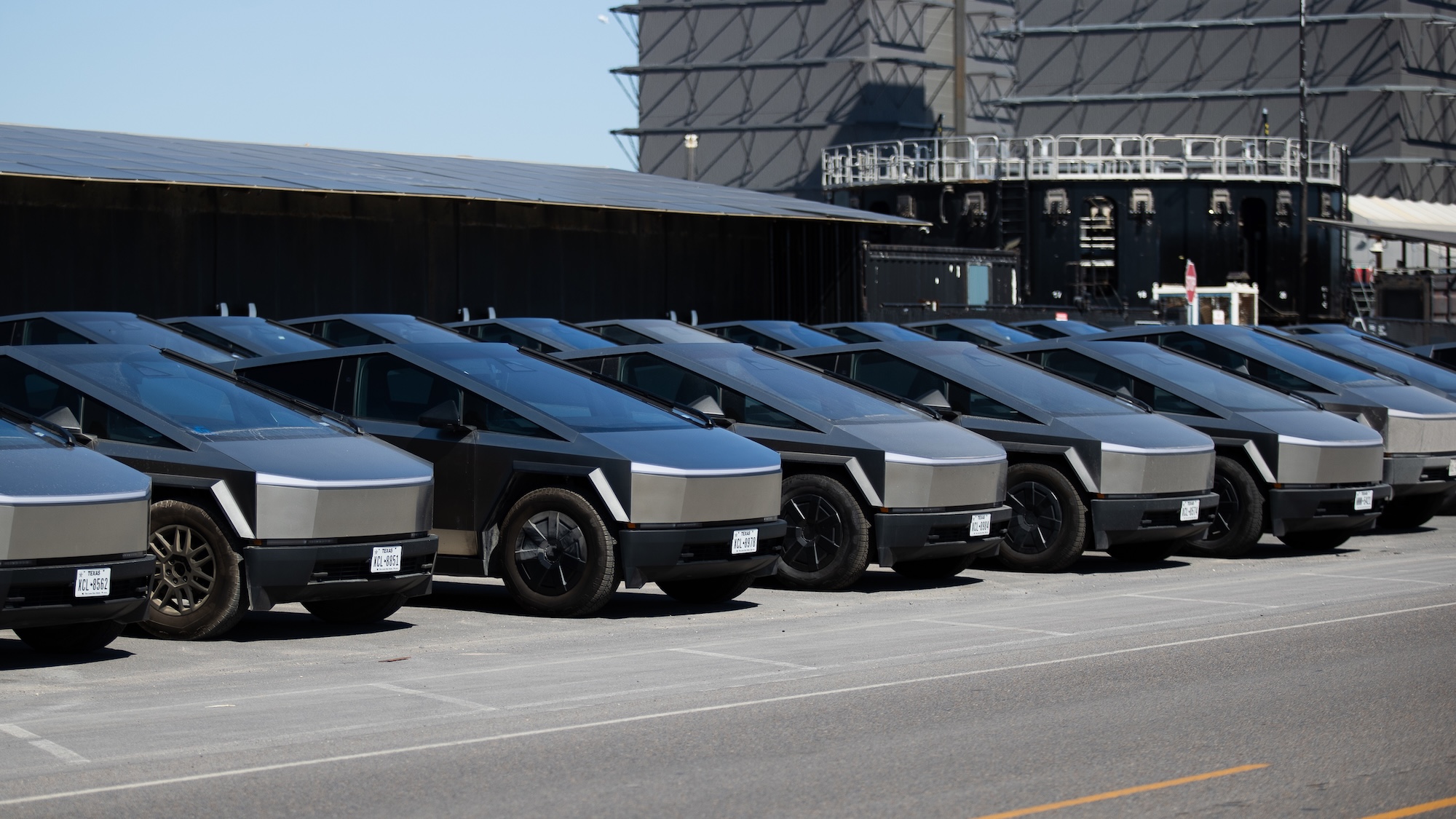
Stainless steel does not deform as easily as traditional automotive aluminum or mild steel, making precision stamping and alignment difficult. This has led to "panel gap" issues and challenges in securing interior and exterior components, as seen in the previous trim adhesion recalls. Furthermore, the sheer weight of the vehicle—approaching 7,000 pounds for the "Cyberbeast" tri-motor variant—places immense stress on traditional mechanical components like suspension bushings, brake rotors, and the now-recalled wheel studs.
The decision to offer 18-inch steel wheels as an option was intended to appeal to the "work truck" demographic, but the added weight of these steel rims, combined with the vehicle’s high torque output, may have contributed to the premature fatigue of the rotor studs. Tesla’s engineering team is reportedly working on refined manufacturing tolerances to prevent these issues in future production runs, but for early adopters, the vehicle remains a "beta test" in the eyes of many industry critics.
Market Performance and the Narrowing Path to Profitability
When the Cybertruck was first unveiled in 2019, Tesla promised a starting price of roughly $39,900. By the time the vehicle entered production four years later, that entry-level price point had evaporated. The current base model is approximately $20,000 more expensive than the original estimate, with high-end versions retailing for over $100,000. This price hike, combined with the vehicle’s polarizing design and reliability concerns, has significantly dampened demand.
Tesla’s internal projections for 2024 aimed for approximately 250,000 Cybertruck sales, a figure meant to signal the company’s successful entry into the lucrative American pickup truck market. However, year-end data revealed that the company achieved less than 20 percent of that target. In recent months, sales velocity has continued to slow. Reports indicate that barely 3,500 units were delivered in the most recent quarter, a sharp decline that suggests the initial wave of "early adopter" enthusiasts has been exhausted.
The broader electric vehicle market is also facing a "plateau" in growth, as mainstream consumers express concerns over charging infrastructure and high insurance premiums. For the Cybertruck, these macro-economic headwinds are exacerbated by its niche appeal. Unlike the Ford F-150 Lightning or the Rivian R1T, which offer more traditional utility and design, the Cybertruck’s unconventional form factor limits its practicality for many commercial and fleet buyers.
Regulatory Scrutiny and Future Implications
The NHTSA’s proactive stance on the wheel hub recall reflects a broader trend of increased regulatory scrutiny on Tesla’s safety record. Beyond the Cybertruck, Tesla is currently facing four separate federal investigations involving its Autopilot and Full Self-Driving (FSD) software, as well as steering rack failures in the Model 3 and Model Y.
For Tesla, the Cybertruck was intended to be a "halo vehicle" that would showcase the company’s innovative prowess. Instead, the frequent recalls have become a public relations challenge. Investors have expressed concern that the resources diverted to fixing Cybertruck design flaws could be better spent on the development of a long-promised "affordable" Tesla model or the expansion of the company’s energy storage business.
The implications of the wheel hub recall extend beyond the 173 owners currently affected. It serves as a cautionary tale for the automotive industry regarding the risks of prioritizing aesthetic radicalism over established mechanical conventions. While Tesla remains a leader in EV powertrain technology and software integration, the Cybertruck’s struggles highlight the difficulty of mastering the "physical" side of automotive manufacturing—the nuts, bolts, and studs that keep a vehicle on the road.
As Tesla service centers begin the process of replacing the defective wheel components, the company faces a steep climb to rehabilitate the truck’s reputation. Whether the Cybertruck can transition from a high-priced curiosity to a reliable mainstay of the American road remains to be seen. For now, the "wheels falling off" narrative remains a literal and figurative hurdle for Elon Musk’s most ambitious project to date.