


The onset of spring and summer brings a predictable surge in biological activity across the globe, yet few phenomena are as pervasive or as persistent as the movement of ant colonies into human habitations. While the appearance of flowers and the warming of soil are generally welcomed as signs of seasonal transition, the simultaneous arrival of formicid scouts in kitchens and pantries often triggers a cycle of frustration and misinformation for homeowners. According to recent entomological research and ecological data, the presence of ants in a home is less a reflection of household hygiene and more a testament to the staggering biological dominance of these insects. Current estimates suggest that there are approximately 20 quadrillion ants on Earth, representing a total biomass of roughly 12 megatons—a figure that exceeds the combined weight of all wild birds and mammals currently in existence. This sheer numerical superiority ensures that human-ant interactions are not a matter of if, but when.
The Biological Reality of Ant Incursions
To understand why ants enter homes, one must first look at the biological drivers of their behavior. Ants are social insects that operate through a decentralized intelligence system. When a colony’s resources are depleted or when environmental conditions become unfavorable, scout ants are dispatched in every direction to locate new sources of sustenance or shelter. This process is not targeted; it is a probabilistic search pattern.
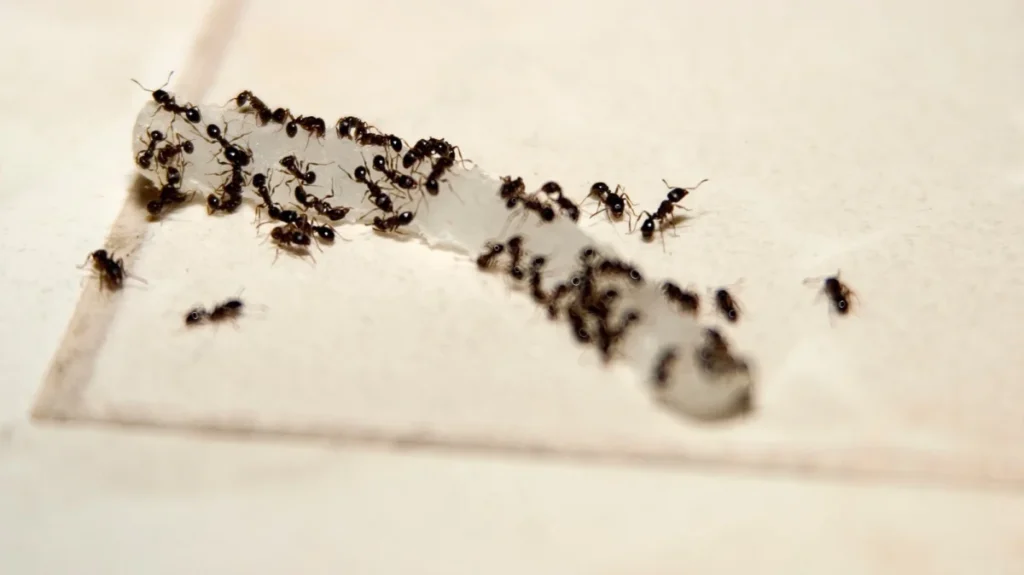
Tanya Latty, a professor at the University of Sydney and a prominent researcher in insect behavior, notes that the appearance of a few ants is not an indictment of a homeowner’s cleaning habits. "Finding a few ants in your home doesn’t mean your house is dirty," Latty explains. "We simply live on a planet that is absolutely teeming with ants." While a spill of honey or a forgotten crumb will certainly provide a focal point for an invasion, the initial entry is often the result of random exploration. Once a scout finds a resource, it lays down a pheromone trail—a chemical roadmap—that alerts the rest of the colony to the location.
A Chronology of Seasonal Infestations
The patterns of ant activity follow a distinct seasonal chronology. Understanding this timeline is essential for effective prevention.
- Early Spring (The Emergence): As ground temperatures rise, colonies become active. During this phase, ants are primarily seeking protein to support the growth of new larvae and the queen’s reproductive cycle.
- Late Spring to Early Summer (The Expansion): As the colony grows, the demand for energy increases. This is the peak period for "scouting" behavior. Ants often shift their dietary preference toward carbohydrates (sugars) to fuel active worker ants.
- Mid-Summer (The Water Search): In periods of high heat or drought, ants often enter homes not for food, but for moisture. Sinks, shower stalls, and leaking pipes become primary targets.
- Late Summer/Autumn (The Weather Shift): Heavy rains can flood subterranean nests, forcing entire colonies to seek higher, drier ground—often inside the wall voids or crawl spaces of human structures.
Data-Driven Analysis of Pest Control Methods
When faced with a trail of ants, the most common human reaction is the immediate application of aerosol bug sprays. However, data from toxicologists and ecologists suggest this is often the least effective and most hazardous approach. Michael Hansen, PhD, a biologist and ecologist with expertise in pest management, argues that the visual satisfaction of killing a few dozen ants with a spray is illusory.
"Ant poison may make you feel like you’re accomplishing something, but you’re not," Hansen states. He points out that a single colony can house thousands, or even millions, of individuals. Killing the workers on a counter does nothing to address the queen or the larvae hidden within the nest. Furthermore, the use of broad-spectrum insecticides inside the home carries significant health implications. Many common sprays contain pyrethroids or other endocrine-disrupting compounds. Research has linked exposure to these chemicals to neurobehavioral effects in children, including reduced IQ and increased rates of Attention Deficit Hyperactivity Disorder (ADHD), even at the low concentrations typically found in residential applications.
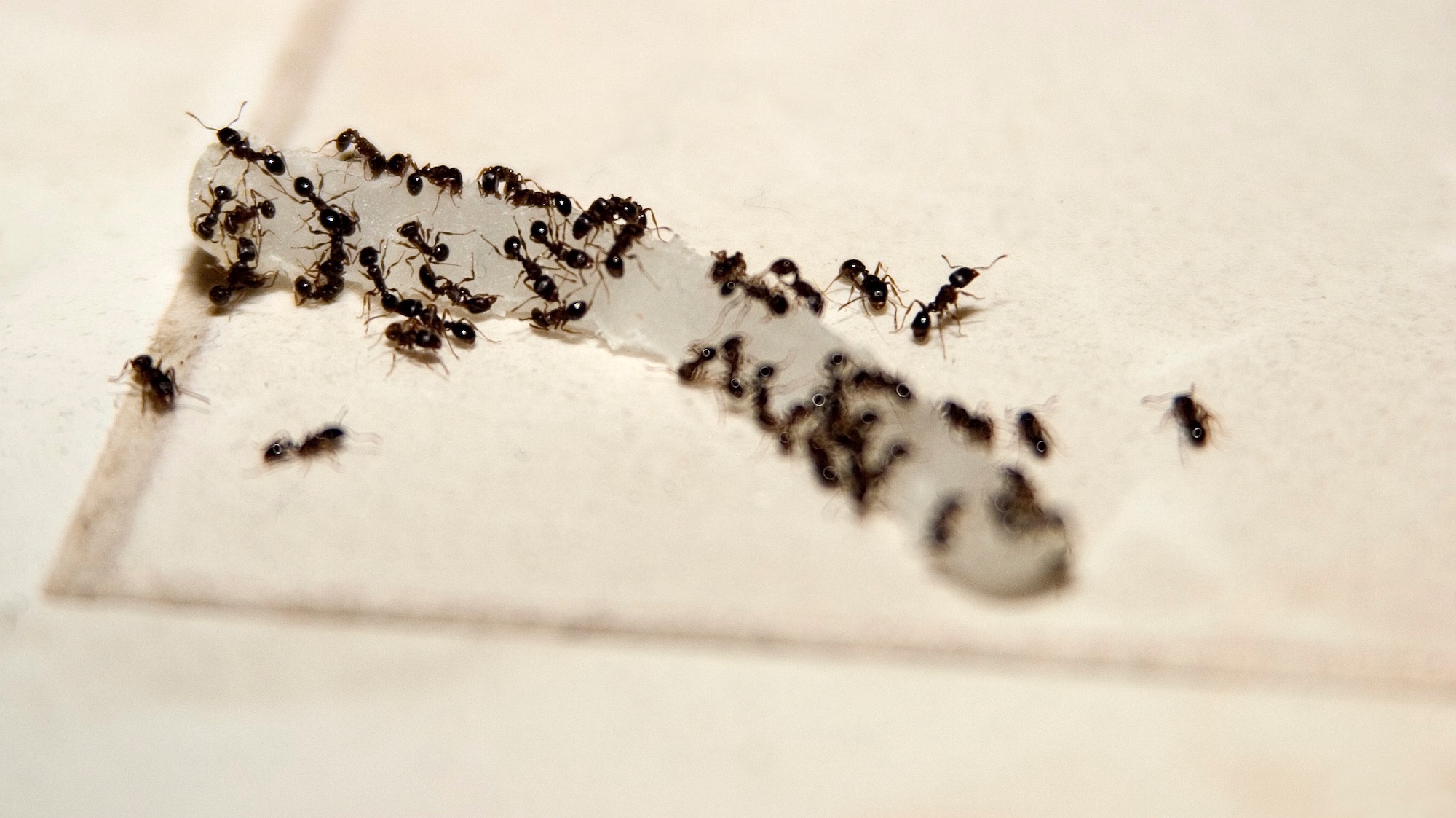
Instead, professional pest management strategies favor the use of "baits." Baits take advantage of a biological process called trophallaxis, in which social insects share food via regurgitation. Because baits are slow-acting, worker ants carry the toxin back to the heart of the colony, effectively neutralizing the entire population, including the queen, over several days.
Evaluating Natural Deterrents: The Limitations of "Kitchen Remedies"
The rise of eco-conscious living has led to a proliferation of "natural" ant deterrents, such as cinnamon, black pepper, chili powder, and essential oils. Scientific validation for these methods is mixed. A study conducted by researchers at Universiti Teknologi MARA in Malaysia confirmed that ethanol-based extracts of chili and black pepper do indeed possess repellent properties. These substances can disrupt the chemosensory receptors of ants, making it difficult for them to follow a pheromone trail.
However, research from Stanford University published in The American Naturalist highlights a significant flaw in relying on these barriers. Ant colonies are exceptionally skilled at "network optimization." If a trail is broken by a line of pepper or cinnamon, the colony does not simply give up; it utilizes a search algorithm to find a workaround. In a household environment, this usually means the ants will simply find a different crack, a different baseboard, or a different window sill to bypass the deterrent. Consequently, while natural remedies may offer temporary relief, they fail to address the underlying presence of the colony.
Strategic Recommendations for Homeowners
To effectively manage ant populations without resorting to hazardous chemicals, experts recommend an Integrated Pest Management (IPM) approach. This strategy focuses on long-term prevention and targeted intervention rather than reactive spraying.
- Structural Exclusion: The most effective way to keep ants out is to seal the entry points. This involves using silicone caulk to seal gaps around windows, doors, and utility pipes. Even the smallest crack can serve as a highway for an ant colony.
- Moisture Control: Because ants are highly sensitive to desiccation, they are drawn to moisture. Fixing leaky faucets, ensuring proper drainage around the foundation, and using dehumidifiers in damp basements can make a home significantly less attractive to scouts.
- Airtight Storage: Cleanliness is a factor, but it must be absolute. Ants can detect minute residues. Storing sugar, cereal, and pet food in airtight glass or plastic containers removes the olfactory "beacon" that attracts scouts.
- Targeted Baiting: If an infestation occurs, use species-specific baits. Some ants prefer protein-based baits, while others prefer sugar-based ones. Identifying the species (e.g., Odorous House Ants vs. Carpenter Ants) is a critical step in selecting the correct intervention.
Broader Implications for Human-Environment Interaction
The struggle against ants highlights a broader theme in urban ecology: the "urban heat island" effect and habitat fragmentation are driving more wildlife into human spaces. As global temperatures fluctuate and extreme weather events become more common, the frequency of "commensal" interactions—where one species benefits from another without necessarily harming it (though humans may disagree)—is expected to rise.
The economic impact of these tiny invaders is substantial. In the United States alone, the pest control industry is a multi-billion dollar sector, with a significant portion of revenue derived from seasonal ant treatments. However, as public awareness of the health risks associated with indoor pesticide use grows, there is a shifting trend toward "green" pest management and structural modifications.
Ultimately, the goal of modern pest management is not the total eradication of ants—a feat that is biologically impossible given their 20-quadrillion-strong population—but rather the creation of boundaries. By understanding the science of ant behavior, the chemistry of their trails, and the limitations of traditional poisons, homeowners can maintain a pest-free environment while minimizing their ecological and toxicological footprint. The transition from "warfare" to "management" represents a more sophisticated and scientifically grounded approach to sharing a planet with its most numerous inhabitants.