



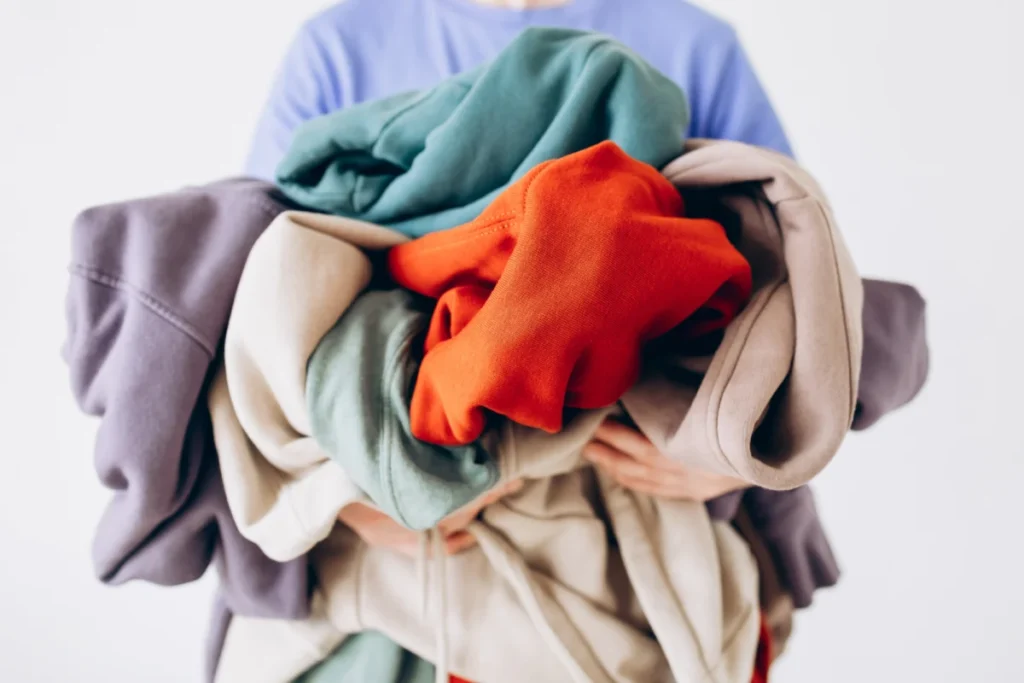
The global fashion industry has reached a critical inflection point as the volume of textile waste continues to outpace the capacity of traditional donation and recycling systems. While the common public perception suggests that dropping off bags of used clothing at a local charity shop resolves the environmental footprint of a consumer’s wardrobe, the reality is far more complex. According to the United States Environmental Protection Agency (EPA), the generation of textiles in municipal solid waste has increased significantly over the last several decades, rising from 2.3 million tons in 1960 to over 17 million tons in recent years. Of this, nearly 66 percent ends up in landfills, where synthetic fibers like polyester and nylon—which are essentially plastic—can take hundreds of years to decompose, leaching chemicals and microplastics into the soil and groundwater.
As the "fast fashion" business model has accelerated the production and disposal cycles of garments, the quality of clothing has simultaneously declined. This trend has created a massive influx of "non-donatable" items: garments that are too worn, stained, or damaged to be resold. For the average consumer, navigating the disposal of these items requires a transition from a mindset of simple donation to one of comprehensive textile management.
The Economic and Environmental Chronology of Textile Waste
To understand the current crisis, one must examine the timeline of garment production. In the mid-20th century, clothing was viewed as a long-term investment. In 1960, the average American purchased fewer than 25 garments per year, and approximately 95 percent of those clothes were manufactured within the United States. During this era, repair and tailoring were standard household practices, extending the lifecycle of a garment for years or even decades.
The shift began in the 1990s and early 2000s with the rise of globalized supply chains and the "fast fashion" phenomenon. Production moved to countries with lower labor costs, and synthetic, petroleum-based fibers replaced natural ones to drive down prices. By 2014, the number of garments produced annually exceeded 100 billion units for the first time. Today, the average consumer buys 60 percent more clothing than they did 15 years ago but keeps each item for only half as long.
This acceleration has fundamentally broken the traditional donation model. Organizations like Goodwill and the Salvation Army report that while they remain vital resources for the community, they are increasingly burdened by low-quality "disposable" fashion. Items that are pilled, stretched, or torn cannot be sold in thrift stores; instead, they are often sold by the pound to textile recyclers or exported to developing nations, where they frequently overwhelm local markets and contribute to environmental degradation in regions like the Atacama Desert in Chile or the shores of Ghana.
The Limitations of the Traditional Donation Model
A common misconception is that donation centers act as universal recycling facilities. In reality, these organizations operate as social enterprises that rely on the resale of high-quality goods to fund their programs. When a consumer donates a bag of clothing containing stained undergarments, broken zippers, or severely worn shoes, the charity must bear the labor and financial cost of sorting and disposing of that "trash."
Industry analysts estimate that up to 20 percent of items donated to major charities are immediately diverted to the waste stream because they do not meet basic hygiene or quality standards. For an item to be truly donatable, it must be in "gently used" condition—meaning it is clean, functional, and aesthetically acceptable for a new owner. When items fall below this threshold, they require alternative management strategies such as repair, upcycling, or specialized industrial recycling.
Strategies for Life Extension: The Rise of Visible Mending
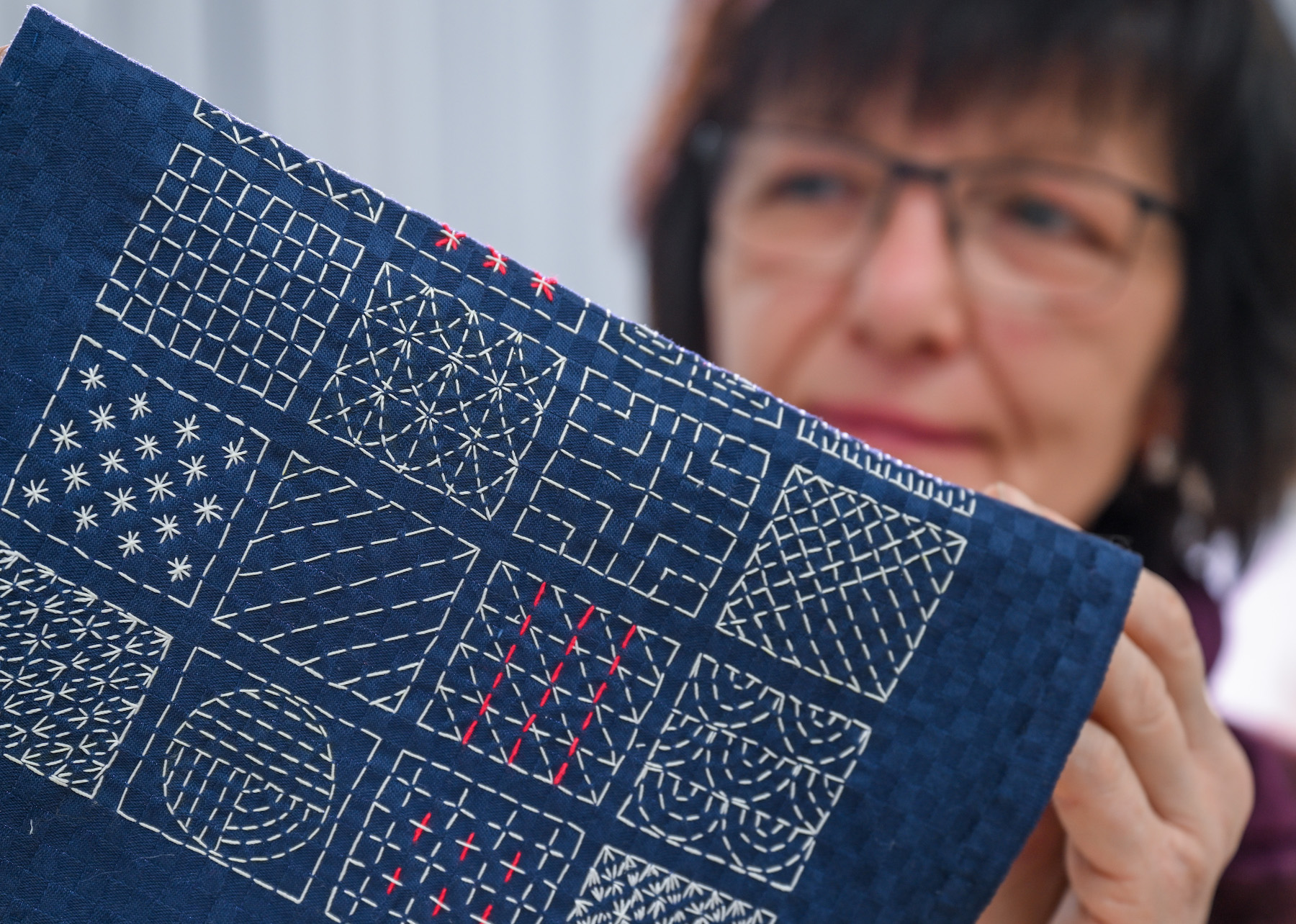
The most sustainable garment is the one already in a consumer’s closet. Before an item is designated for disposal, experts suggest evaluating its potential for repair. In recent years, a cultural movement toward "slow fashion" has revitalized traditional techniques like Sashiko, a Japanese form of decorative reinforcement stitching. Unlike traditional mending, which seeks to hide a tear, Sashiko (translated as "little stabs") celebrates the repair, turning a hole into a geometric work of art.
Beyond aesthetic repairs, basic maintenance such as replacing buttons, fixing fallen hems, or dyeing faded fabrics can extend a garment’s life by several years. Research indicates that extending the life of a garment by just nine months can reduce its carbon, water, and waste footprint by 20 to 30 percent. This shift toward repair represents a significant departure from the "disposable" mindset, encouraging consumers to view their clothing as durable goods rather than consumables.
Upcycling and the "Zokin" Philosophy
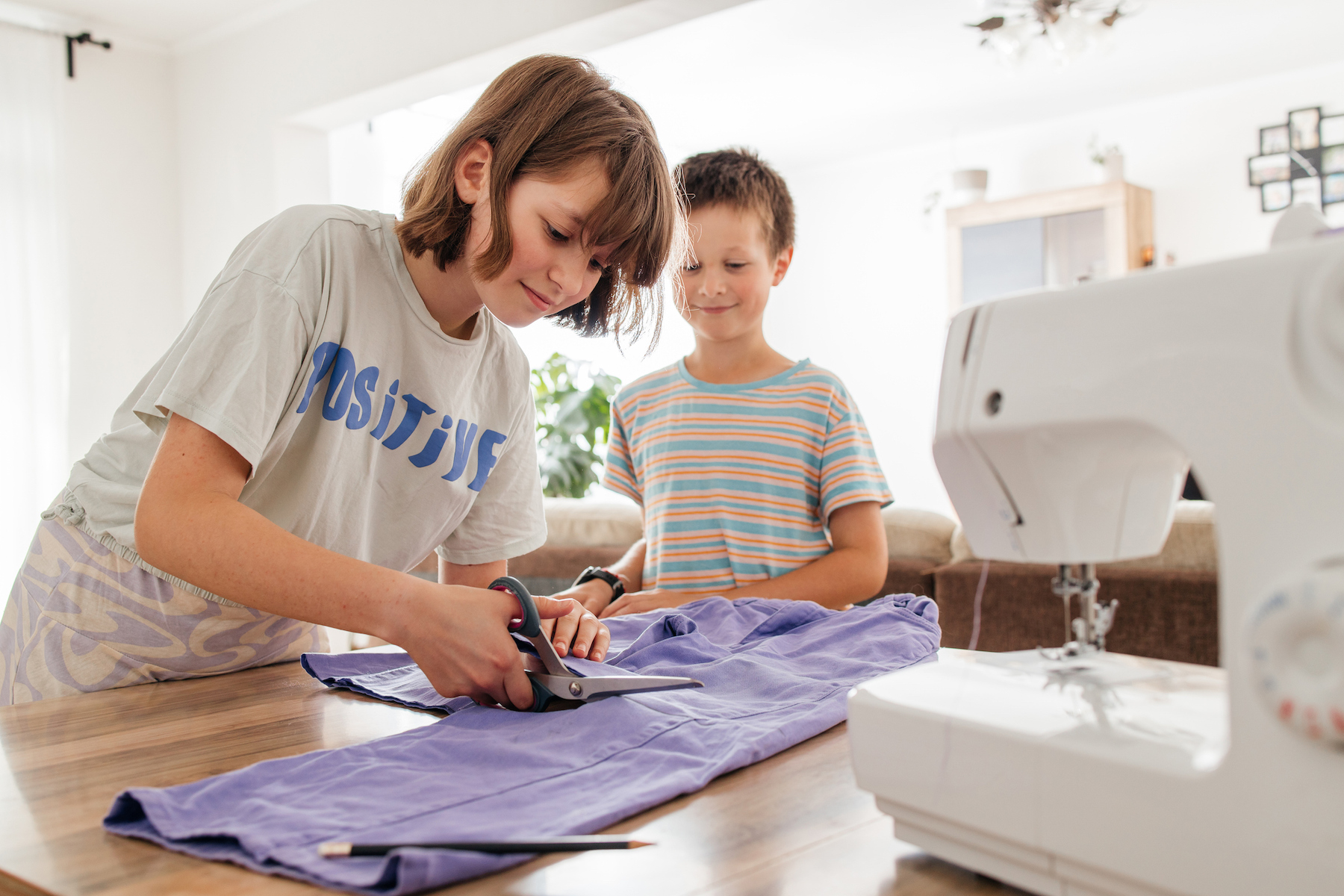
When a garment is truly beyond repair—perhaps due to extensive staining or structural failure—the next step in the hierarchy of textile management is upcycling. This involves repurposing the fabric for a different functional use within the home. This practice draws inspiration from the Japanese concept of zokin, which are cleaning cloths traditionally made from old kimono or household textiles.
Natural fibers, such as 100 percent cotton or linen, are particularly valuable for this purpose due to their high absorbency. An old T-shirt or a worn-out bath towel can be cut into rags for household cleaning, car maintenance, or pet care. By replacing single-use paper towels with these repurposed textiles, consumers can further reduce their environmental impact. However, synthetic blends (polyester-cotton mixes) are often less effective for cleaning as they tend to push water around rather than absorbing it, making them better suited for use as stuffing for pillows or pet beds.
The Infrastructure of Textile Recycling
For items that cannot be repaired or repurposed at home, the burgeoning field of textile recycling offers a high-tech solution, though it remains in its infancy. Textile recycling is generally divided into two categories: mechanical and chemical.
Mechanical recycling involves shredding fabrics back into their raw fiber form. These fibers are typically shorter and weaker than virgin fibers, meaning they are often "downcycled" into lower-value products like carpet padding, attic insulation, or soundproofing materials for the automotive industry. Chemical recycling, which is more complex and expensive, involves breaking down synthetic fibers into their molecular components to create new, high-quality yarn. Currently, less than one percent of clothing is recycled into new clothing, highlighting a massive gap in the circular economy.
To bridge this gap, several retailers and independent organizations have launched take-back programs. Companies like Nike have established "Move to Zero" initiatives where they accept worn-out sneakers to be ground down into "Nike Grind" for use in athletic tracks and playground surfaces. Similarly, outdoor brands like Patagonia and REI have developed robust systems for repairing, reselling, or recycling their specific gear.
For general apparel, mail-in services like Retold Recycling and Trashie provide consumers with a convenient way to ensure their scraps do not hit the landfill. These services charge a fee to cover the logistics of sorting and transporting textiles to industrial recyclers who can process them into new materials.
Global Policy and the Future of Textile Waste
The sheer scale of the textile waste crisis has prompted legislative action. In the European Union, the Strategy for Sustainable and Circular Textiles aims to make all textile products placed on the EU market long-lived, recyclable, and largely made of recycled fibers by 2030. In the United States, California and New York have seen the introduction of "Extended Producer Responsibility" (EPR) bills, which would require clothing brands to pay for the collection and recycling of the products they sell.
Legal experts and environmental scientists argue that until brands are held financially responsible for the "end-of-life" management of their products, the incentive to produce high-quality, recyclable clothing will remain low. "We cannot recycle our way out of an overproduction problem," says one industry analyst. "The solution must involve both a reduction in new garment production and a massive investment in textile-to-textile recycling infrastructure."
The Landfill as the Final Resort
Despite the best efforts of consumers and recyclers, there are instances where disposal in a landfill is the only safe option. Clothing that has been contaminated with hazardous chemicals, oils, mold, or biological waste poses a health risk to workers in the recycling and donation chain. In these specific cases, proper disposal in the municipal waste stream is necessary to prevent the spread of contaminants.
However, for the vast majority of textiles, a landfill should be the last resort. By understanding the distinction between a donation center and a recycling facility, consumers can take a more active role in the stewardship of their garments. The transition toward a circular textile economy requires a multi-faceted approach: buying less and choosing better quality, mastering basic repair skills, utilizing retail take-back programs, and supporting legislation that holds manufacturers accountable.
As the global community grapples with the environmental consequences of the last three decades of fashion consumption, the management of non-donatable textiles has evolved from a niche environmental concern to a critical component of municipal waste management and corporate responsibility. Every garment diverted from a landfill represents a small but necessary step toward a more sustainable and resource-efficient future.