



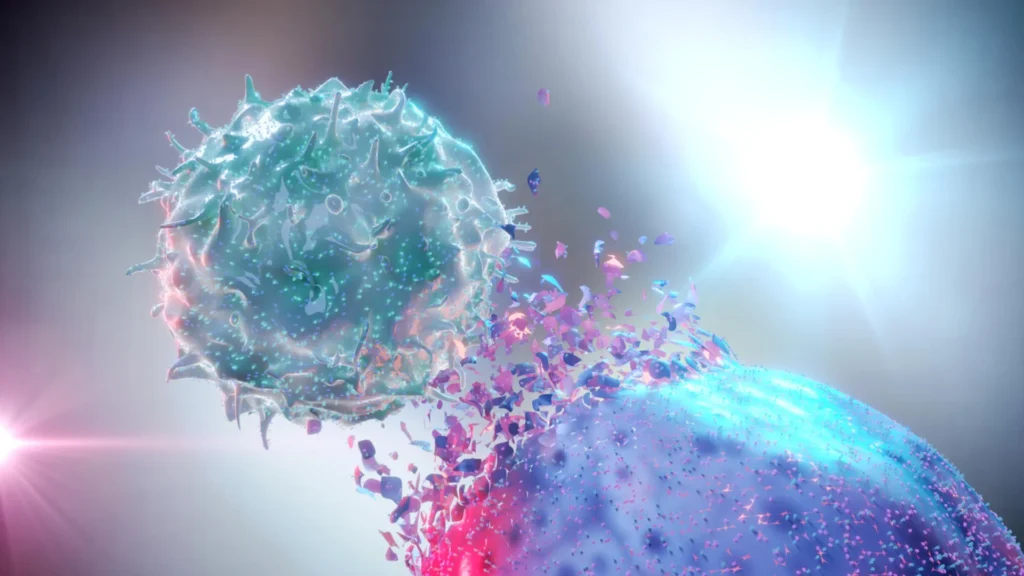
Natural killer (NK) cells stand as pivotal defenders within the human immune system, acting as a crucial component of innate immunity. Their primary role involves the early detection and elimination of threats such as invading microbes, foreign materials, and damaged or infected cells, thereby limiting the potential for pathogen spread and cellular dysfunction. These highly specialized lymphocytes circulate through the bloodstream or reside within specific tissues and organs, ready to respond to immunological challenges. A significant reduction in NK cell numbers can critically impair immune function, leading to an elevated susceptibility to various health issues, ranging from infectious diseases to certain cancers.
In an era marked by increasing prevalence of mental health challenges, particularly among younger demographics, anxiety disorders and chronic insomnia have emerged as significant public health concerns, both known to exert detrimental effects on healthy immune activity. Recognizing this critical intersection, a team of researchers in Saudi Arabia embarked on a comprehensive investigation into the relationship between these prevalent psychological conditions and NK cell levels in a cohort of young female students. Their compelling findings, published in the esteemed journal Frontiers in Immunology, illuminate a concerning link between mental distress and immune compromise.
Dr. Renad Alhamawi, an assistant professor of immunology and immunotherapy at Taibah University and the study’s lead author, articulated the core discoveries with precision. "We found that in students with insomnia symptoms, the total count and percentage of NK cells, including their various sub-populations, were notably declined," Dr. Alhamawi stated. She further elaborated on the anxiety-related observations: "Students experiencing general anxiety symptoms, on the other hand, exhibited a lower percentage and number of circulatory NK cells and their sub-populations when compared to their symptom-free peers." These findings underscore a direct physiological impact of psychological stressors on the body’s primary immune defenses.
The Indispensable Role of Natural Killer Cells in Immune Surveillance
To fully appreciate the gravity of these findings, it is essential to understand the multifaceted role of NK cells. As part of the innate immune system, NK cells provide a rapid, non-specific response to threats, often acting as the first line of defense before the adaptive immune system is fully engaged. Unlike T cells, NK cells do not require prior sensitization or major histocompatibility complex (MHC) presentation to recognize and eliminate target cells. Instead, they operate through a sophisticated balance of activating and inhibitory receptors, scanning cells for signs of stress, viral infection, or malignant transformation.
When an NK cell detects a cell that is cancerous, virally infected, or otherwise abnormal, it releases cytotoxic granules containing perforin and granzymes, which induce programmed cell death (apoptosis) in the target cell. This direct cytotoxic action is critical for controlling early infections and preventing tumor growth. Beyond direct killing, NK cells also contribute to immune regulation by secreting cytokines, such as interferon-gamma (IFN-γ) and tumor necrosis factor-alpha (TNF-α), which can shape subsequent adaptive immune responses and promote inflammation.
NK cells comprise two primary subgroups distinguished by their surface marker expression:
- CD16+CD56dim cells: These constitute the vast majority (approximately 90%) of NK cells found in the peripheral blood. They are highly cytotoxic, specializing in direct cell killing and forming the backbone of the immediate immune response against infected and cancerous cells.
- CD16+CD56high cells: While less abundant in the circulation (around 10%), this subgroup is particularly potent in cytokine production, playing a significant role in immunoregulation and influencing the activities of other immune cells. These cells are often found enriched in lymphoid tissues.
Both of these subgroups are considered "circulatory NK cells," essential for systemic immune surveillance. A reduction in either population, or in their overall numbers, can leave an individual vulnerable to a range of pathogens and diseases, making the findings of the Saudi study particularly alarming.
The Global Rise of Anxiety and Insomnia Among Youth
The context for this research is framed by a growing global mental health crisis, with anxiety disorders and insomnia disproportionately affecting young adults and students. The World Health Organization (WHO) has consistently highlighted the increasing burden of mental health conditions worldwide, with anxiety disorders being among the most common. Studies across various regions indicate that up to 25-30% of adolescents and young adults experience some form of anxiety disorder. Similarly, insomnia, defined by difficulty falling or staying asleep, or non-restorative sleep, affects a significant portion of the student population, with prevalence rates often reported between 10-30% for chronic insomnia and even higher for transient sleep disturbances.
Several factors contribute to this rising trend. Academic pressures, demanding curricula, and high-stakes examinations create a constant environment of stress for students. The pervasive influence of social media, with its pressures for constant connectivity, comparison, and fear of missing out (FOMO), further exacerbates feelings of anxiety and inadequacy. Economic uncertainties, global events, and the lingering psychological impact of the COVID-19 pandemic have also contributed to a general increase in stress levels among young people. For young women, specifically, societal expectations, gender-specific stressors, and biological factors can contribute to a higher reported prevalence of anxiety and depression compared to their male counterparts. This demographic vulnerability underscores the relevance of the Saudi study’s focus on young female students.
Methodology and Study Design: Unpacking the Research Process
The Saudi research team meticulously designed their study to investigate the complex interplay between psychological distress and immune parameters. A total of 60 female students, ranging in age from 17 to 23 years, were recruited to participate. The study adhered to ethical guidelines, ensuring informed consent from all participants.
The data collection process involved a multi-pronged approach to capture both self-reported psychological states and objective immunological markers:
- Sociodemographic Information: Each participant completed a questionnaire to gather basic personal and background data.
- Anxiety Assessment: Participants completed a standardized questionnaire designed to screen for symptoms related to general anxiety. While the specific scale was not named in the original summary, such studies typically employ validated instruments like the Generalized Anxiety Disorder 7-item (GAD-7) scale or the Beck Anxiety Inventory (BAI), which allow for the classification of anxiety severity (minimal, mild, moderate, severe).
- Insomnia Assessment: A separate questionnaire was administered to assess symptoms consistent with insomnia and sleep disturbance. Common tools for this include the Insomnia Severity Index (ISI) or the Pittsburgh Sleep Quality Index (PSQI), which quantify the degree of sleep difficulties. The self-reported nature of these surveys means that participants provided their own assessment of their symptoms, which, while valuable for understanding lived experience, can sometimes differ from clinical diagnoses.
The self-reported data revealed a significant burden of mental health challenges within the student cohort. Approximately 53 percent of the students indicated experiencing sleep difficulties consistent with insomnia. An even higher proportion, 75 percent, reported symptoms indicative of anxiety. Within this anxiety-affected group, the severity varied, with approximately 17 percent falling into the moderate anxiety category and 13 percent experiencing severe anxiety symptoms. These statistics highlight the considerable psychological strain faced by the student population, making them a pertinent group for studying immune system alterations.
To objectively measure NK cell populations, blood samples were collected from each participant. These samples were then analyzed using flow cytometry, a sophisticated laboratory technique that allows for the identification and quantification of different cell types based on their surface markers. The researchers specifically focused on measuring the total number and percentage of peripheral NK cells, as well as their two main subgroups: CD16+CD56dim cells (the primary cytotoxic population) and CD16+CD56high cells (the primary cytokine-producing population). This detailed immunological analysis provided a robust measure of NK cell status, allowing for direct correlation with the self-reported anxiety and insomnia symptoms.
Key Findings: Quantifying the Immune Compromise
The results of the Saudi study provided clear and compelling evidence of a link between anxiety, insomnia, and reduced NK cell levels, indicating a potential compromise of the immune system in affected students. The analysis revealed distinct patterns of immune dysregulation associated with each condition:
-
Anxiety and NK Cell Levels: Students who reported symptoms of general anxiety exhibited both a lower percentage and a lower absolute number of circulatory NK cells and their specific subtypes compared to their peers who reported no anxiety symptoms. This reduction suggests a broad impact on the availability of these crucial immune defenders. The severity of anxiety played a critical role in the extent of this reduction. Students categorized with moderate or severe anxiety symptoms showed a notably reduced percentage of circulatory NK cells, indicating a dose-response relationship where greater psychological distress correlated with more significant immune alterations. In contrast, those with minimal or mild anxiety symptoms showed only a small and statistically insignificant decrease, suggesting that milder forms of anxiety might have a less pronounced or detectable effect on NK cell counts.
-
Insomnia and NK Cell Levels: Students experiencing symptoms of insomnia also demonstrated a significant decline in the total count and percentage of peripheral NK cells, including their sub-populations. This points to sleep disturbance as a distinct pathway through which immune function can be impaired. Furthermore, the study identified an interaction between these two conditions: among students who reported insomnia symptoms, higher anxiety scores were associated with an even lower proportion of total peripheral NK cells. This suggests that the combined burden of anxiety and insomnia might exert a synergistic or additive negative effect on immune cell populations, potentially leading to a more profound state of immune suppression.
These findings are particularly concerning because they reveal a measurable, physiological consequence of psychological stress, moving beyond subjective experiences to objective biological changes. The specific reduction in cytotoxic CD16+CD56dim cells, if confirmed in further studies, would imply a direct weakening of the body’s ability to destroy infected or cancerous cells, while a decline in CD16+CD56high cells could impact crucial immunoregulatory processes.
Expert Commentary and Broader Public Health Implications
The implications of these findings extend far beyond the individual student, touching upon broader public health concerns and the intricate field of psychoneuroimmunology—the study of interactions between psychological processes, the nervous system, and the immune system.
Dr. Alhamawi emphasized the critical long-term consequences of such immune decline: "A drop in NK cells can weaken immune performance, raising the likelihood of various health issues, including infectious diseases, cancers, and mental health conditions such as depression." She further elaborated on the research’s potential to unlock deeper understanding: "Understanding how these psychological stressors influence the distribution and activity of immune cells, especially peripheral NK cells, may provide valuable insights into the mechanisms underlying inflammation and tumorigenesis." This statement highlights the potential for chronic stress to contribute to severe health outcomes, not just transient illness.
From a public health perspective, these results serve as a stark reminder that mental health is inextricably linked to physical health. Dr. Aisha Rahman, a public health specialist not affiliated with the study, commented on the broader context: "This study adds to a growing body of evidence demonstrating that unmanaged stress, anxiety, and sleep deprivation are not just ‘in your head’ but have tangible, measurable impacts on the body’s defense systems. For young populations, who are the future workforce and leaders, ensuring robust mental health support is paramount for building a resilient society." She suggested that universities and public health bodies should consider integrated approaches that address both mental well-being and general health, recognizing their symbiotic relationship.
An immunologist, Dr. Omar Fahad, offered insights into the potential mechanisms: "The sympathetic nervous system, activated during stress, releases neurotransmitters like noradrenaline, which can directly modulate immune cell function, including NK cell activity and trafficking. Chronic exposure to stress hormones like cortisol can also induce immune suppression. This study’s findings are consistent with these known neuroimmune pathways." He added, "Further research could explore the specific receptor-ligand interactions and signaling pathways through which anxiety and insomnia exert their effects on NK cell biology."
The observed reduction in NK cell populations could indeed contribute to increased susceptibility to common infections, such as colds and flu, which might explain why stressed individuals often report feeling unwell more frequently. More gravely, compromised NK cell surveillance has been implicated in an increased risk of certain cancers, as these cells play a vital role in eliminating nascent tumor cells before they can establish themselves. Furthermore, chronic inflammation, often linked to immune dysregulation, is a known contributor to the pathogenesis of various chronic diseases, including cardiovascular conditions and metabolic disorders. The findings thus underscore the need for holistic interventions that target both psychological well-being and physiological resilience.
Limitations and Avenues for Future Research
While the Saudi study provides crucial insights, the researchers were transparent about its inherent limitations, which are important for contextualizing the findings and guiding future investigations.
One primary limitation is the study’s specific demographic focus: only young female participants were included. While this group is particularly relevant given the disproportionately rising rates of anxiety and sleep problems among young women, it significantly restricts the generalizability of the results. The immune responses and psychological experiences of males, older adults, or individuals from different cultural and socioeconomic backgrounds may vary considerably. For instance, hormonal differences between sexes are known to influence immune function, and stress coping mechanisms can differ across age groups.
Another important consideration is the reliance on self-reported data for anxiety and insomnia symptoms. While standardized questionnaires are valuable screening tools, they may not always align perfectly with clinical diagnoses. The subjective nature of self-reporting can be influenced by individual perceptions, recall bias, or a reluctance to fully disclose symptoms. Future studies could incorporate objective measures of sleep (e.g., actigraphy or polysomnography) and clinical interviews for mental health diagnoses to provide more robust and objective assessments.
Furthermore, the study’s cross-sectional design means it captures a snapshot in time, establishing a correlation between anxiety, insomnia, and NK cell levels, but not a direct cause-and-effect relationship. It is plausible that individuals with lower NK cell counts might be predisposed to anxiety or insomnia, or that other confounding factors might be at play.
Recognizing these limitations, the research team strongly emphasized the necessity for broader and more diverse studies. They called for investigations involving a wider range of ages, both sexes, and varied geographic regions to achieve a more complete and universally applicable understanding of how anxiety and insomnia influence NK cell levels and function. Additionally, future research could benefit from longitudinal designs, tracking individuals over time to observe the temporal dynamics between mental health status and immune changes, and to identify potential causal pathways. Interventional studies, exploring whether specific mental health treatments or stress-reduction programs can improve NK cell numbers and function, would also provide invaluable evidence for clinical practice.
Strategies for Immune Resilience and Mental Well-being
The intricate connection between psychological stress, sleep quality, and immune function highlighted by this research underscores the critical importance of proactive lifestyle measures. Previous scientific investigations consistently suggest that healthy habits can significantly bolster immune defenses, including NK cell levels and performance. Integrating these practices into daily life can serve as a powerful strategy for both mental well-being and physiological resilience.
-
Consistent Physical Activity: Regular, moderate-intensity exercise is a well-documented immune booster. Physical activity helps to reduce stress hormones, improve sleep quality, and directly enhance immune cell circulation and function. Studies have shown that individuals who engage in regular exercise often exhibit higher NK cell activity and numbers. Aiming for at least 150 minutes of moderate aerobic activity or 75 minutes of vigorous activity per week, coupled with strength training, can yield substantial benefits.
-
Stress Management Techniques: Actively managing stress is paramount. Techniques such as mindfulness meditation, deep breathing exercises, yoga, and tai chi can significantly lower physiological stress responses, reducing the burden on the neuroendocrine-immune axis. Cognitive Behavioral Therapy (CBT) and other psychotherapeutic interventions are highly effective for treating anxiety disorders and insomnia, indirectly supporting immune health by alleviating psychological distress. Prioritizing self-care, setting realistic expectations, and developing effective time management skills can also mitigate daily stressors.
-
Balanced Nutrition: A nutrient-rich diet plays a fundamental role in supporting immune function. Essential vitamins and minerals, such as Vitamin C, Vitamin D, Zinc, and Selenium, are crucial for the optimal operation of immune cells, including NK cells. Consuming a diverse range of fruits, vegetables, whole grains, lean proteins, and healthy fats provides the building blocks for a robust immune system. Limiting processed foods, excessive sugar, and unhealthy fats can also reduce systemic inflammation, which is often exacerbated by chronic stress.
-
Optimal Sleep Hygiene: Given the direct link between insomnia and reduced NK cells, prioritizing healthy sleep is non-negotiable. Establishing a consistent sleep schedule, creating a conducive sleep environment (dark, quiet, cool), avoiding caffeine and electronic screens before bed, and engaging in relaxing pre-sleep routines can dramatically improve sleep quality. Adequate, restorative sleep allows the body to repair, regenerate, and regulate immune processes effectively.
The findings from the Saudi study serve as a powerful reminder that anxiety and insomnia are not merely psychological discomforts; they can profoundly interfere with normal biological processes throughout the body, including crucial immune responses. Such chronic interference can contribute to systemic inflammation and a heightened risk of various chronic and inflammatory diseases. As Dr. Alhamawi succinctly concluded, "Such impacts ultimately compromise overall health and quality of life." Addressing the rising tide of mental health challenges among young people is therefore not just a matter of compassion, but an essential investment in public health and the long-term well-being of society.