

A sweeping federal proposal that would require all recipients of federal funding, including educational institutions, to certify they do not implement diversity, equity, inclusion, and accessibility (DEIA) programs has ignited a firestorm of criticism. Educators, industry leaders, and a coalition of state attorneys general argue that the regulation, spearheaded by the General Services Administration (GSA), would undermine student success, impose unworkable burdens on educational professionals, and potentially violate existing federal law. The public comment period for the proposed rule closed on March 30, with a significant volume of feedback expressing strong disapproval.
The GSA’s proposed rule, first unveiled in January, mandates that any entity receiving federal funds must certify that it does not engage in practices deemed discriminatory by the Trump administration. These practices are broadly defined and include initiatives such as race-based scholarships, programs emphasizing "cultural competence," and narratives or statements focused on "overcoming obstacles" or promoting diversity. Furthermore, the proposal explicitly prohibits training programs that "create a hostile environment" for recipients of federal funding. This broad scope has raised alarms about its potential impact on a wide array of educational and social programs.
A Wave of Opposition and Legal Concerns
The immediate and forceful reaction from various stakeholders underscores the contentious nature of the proposal. California Attorney General Rob Bonta, speaking on behalf of a coalition of 23 attorneys general, characterized the GSA’s move as a direct assault on established DEIA principles. "This proposal is another attempt by the Trump Administration to advance its agenda against diversity, equity, and inclusion," Bonta stated. "GSA wants to scare grant recipients into halting lawful programs that protect Americans from discrimination and unfair roadblocks."
The coalition of attorneys general further articulated their legal objections, asserting that the proposal bypasses proper administrative procedures and imposes "unnecessary and duplicative certification requirements," thereby violating federal law. Their concerns highlight a fundamental disagreement over the legality and procedural integrity of the GSA’s rulemaking process, suggesting that the agency is overstepping its authority.
Impact on Students and Educational Practices
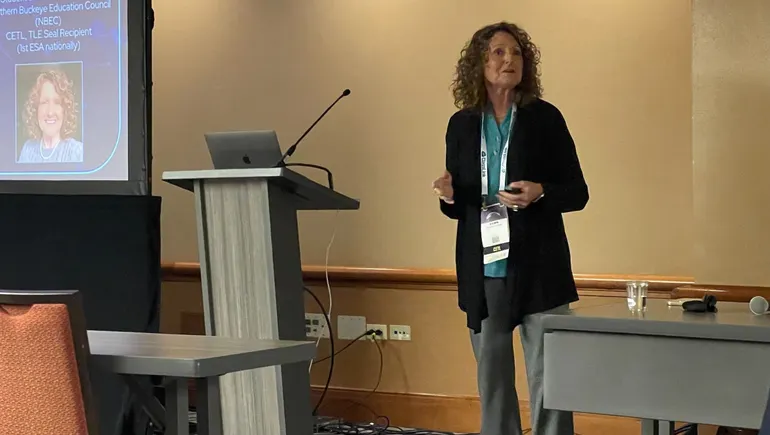
Individual educators have also voiced profound concerns about the practical implications of such a mandate on the ground. Myranda Marsh, identifying herself as a leader in a public school serving low-income families, submitted public comments emphasizing the vital role of DEIA initiatives in fostering student engagement and success. "To be economically competitive in the world, we need all our residents to be educated and productive. DEI programs increase attendance and parent engagement," Marsh wrote in her submission. "Ending all DEI measures tells these families that they are not welcome in public schools." Her testimony points to the potential for the proposal to alienate vulnerable student populations and their families, exacerbating existing educational disparities.
The potential disruption to specific, impactful federal programs designed to support underserved students is another major concern. Alex Chough, president of the National Council for Community and Education Partnerships, warned of significant repercussions for programs like GEAR UP (Gaining Early Awareness and Readiness for Undergraduate Program). This program, which operates in 44 states and focuses on enhancing college and career readiness for low-income students, could face substantial disruption. Chough stated in a comment letter that the proposed regulation would "create significant legal risks, increase administrative burden, and may disrupt services." The National Council for Community and Education Partnerships represents state agencies, higher education institutions, and K-12 districts, underscoring the widespread reach of their concerns.
The proposal has garnered nearly 22,000 public comments, with at least 1,330 directly addressing educational matters. This substantial volume of feedback underscores the deep engagement and strong opposition from the education sector and related organizations.
Echoes of Past Attempts and Legal Precedents
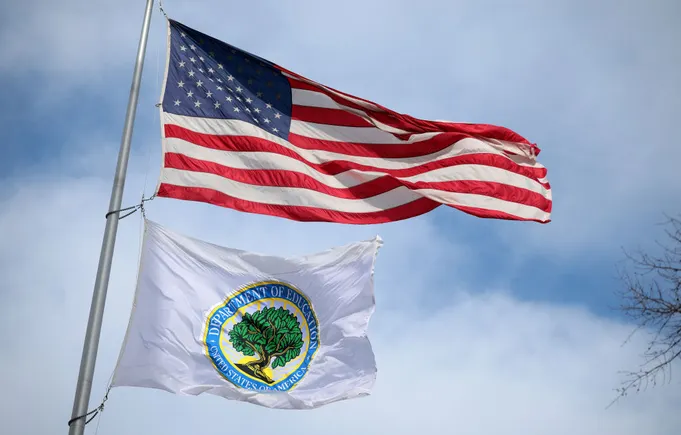
The current GSA proposal bears a striking resemblance to a previous effort by the U.S. Department of Education. In February 2025, the Education Department issued a "Dear Colleague" letter and a subsequent requirement that school districts certify they were not incorporating DEIA principles. This directive threatened federal funding for districts that failed to eliminate race-based programming.
That initiative by the Education Department faced significant legal challenges, leading to confusion over which school programs might be impacted. These included race-aligned student affinity groups, cultural celebrations, race-based admissions practices for choice programs, and diversity-related hiring and promotion decisions. Ultimately, the Education Department’s attempt to enforce this requirement was blocked in court. In January, the department abandoned its appeal in a lawsuit challenging the certification requirement, signaling a retreat from its enforcement efforts.
Commenters on the GSA proposal have been quick to draw parallels between the two actions. EdTrust, in a March 30 comment letter, stated, "The education community sees this for what it is: a revival of a policy previously attempted and struck down by the courts as unlawful. Repackaging policy already deemed illegal does not make it lawful." This sentiment reflects a belief that the GSA is attempting to circumvent legal precedents by reintroducing a similar, albeit broader, policy under a different agency.
The GSA proposal, like the Education Department’s earlier attempt, relies on Title VI of the Civil Rights Act of 1964 as its legal basis. This has led to further criticism that the agency is misinterpreting or overextending the protections afforded by this landmark legislation. Opponents argue that DEIA initiatives are designed to comply with, not violate, civil rights laws by ensuring equitable access and opportunity for all students, particularly those from historically marginalized backgrounds.
Vague Definitions and the "Chilling Effect"
A significant point of contention raised by critics is the alleged vagueness and arbitrariness of the terms used in the proposed GSA regulation. Terms like "illegal DEI" and "hostile environment" are seen as open to subjective interpretation, creating a significant burden for educators and administrators who must navigate these guidelines to maintain federal funding.
This ambiguity, critics argue, will inevitably lead to a "chilling effect" on educational institutions. Fear of inadvertently violating the proposed rule could prompt schools and universities to preemptively dismantle valuable programs or enforce overly cautious policies, thereby hindering rather than promoting a supportive and inclusive learning environment. Chough elaborated on this point, stating, "This ambiguity creates a chilling effect." The concern is that educators will self-censor and avoid engaging in beneficial DEIA work out of fear of reprisal, even if their intentions are lawful and beneficial to their students.
Broader Context and Administration’s Agenda
The GSA proposal is not an isolated incident but appears to be part of a broader trend and a deliberate agenda by the Trump administration to curtail DEIA initiatives across federal agencies and their funding recipients. The inclusion of a provision requiring certification against knowingly hiring or recruiting undocumented staff also reflects the administration’s broader focus on immigration enforcement. This linkage suggests a multi-pronged approach to reshaping federal policy in line with specific ideological priorities.
The backlash against DEIA has been amplified by groups who argue that such programs are divisive and can lead to reverse discrimination against certain student groups, particularly White and Asian students. While the GSA proposal aims to address these concerns, critics contend that it does so by broadly undermining initiatives that have proven effective in fostering equitable opportunities and inclusive environments.
Potential Implications for Federal Funding and Programs
The GSA proposal’s reach extends to all federal funding recipients, a vast network encompassing not only educational institutions but also research organizations, non-profits, and state and local government agencies. The potential consequences of widespread non-compliance could include the loss of critical federal funding, which supports a multitude of essential services and programs across the nation.
For the education sector, this could mean the jeopardizing of initiatives aimed at closing achievement gaps, supporting students from disadvantaged backgrounds, and promoting a diverse and competent workforce. The administrative burden of navigating complex certification requirements, coupled with the legal risks associated with potential violations, could divert valuable resources away from direct student support and academic programming.
The coming months will be crucial as the GSA reviews the extensive public comments received. The outcome of this process will have significant implications for the future of DEIA initiatives and the equitable delivery of federally funded services across the United States. The strong opposition voiced by a diverse array of stakeholders suggests that any final rule will likely face continued scrutiny and potential legal challenges.