


The dawn of a new academic semester often brings a palpable sense of anticipation, a fresh start filled with the promise of new knowledge and growth. For educators, this transition involves meticulously preparing course materials, ensuring digital platforms are optimized, and anticipating the diverse needs of incoming students. However, as Moodle’s Head of Solutions Marketing, Lauren Goodman, points out, the digital learning landscape is far from uniform for every student. The reality is that students arrive with a spectrum of expectations, varying levels of technological access, and different degrees of comfort with online learning environments. This inherent variability, often termed the "hidden learning gap," can significantly shape a student’s educational journey from the very outset, impacting their engagement, comprehension, and ultimate success.
The critical need for inclusive course design has never been more apparent. While many educators strive to create environments where every student feels supported and empowered to achieve their academic goals, the practical implementation can feel daunting amidst the multitude of responsibilities inherent in teaching. This challenge resonates deeply with experienced educators, including Goodman, who has witnessed firsthand the profound impact of these disparities.
"Most instructors care deeply about their learners and want their courses to work for everyone," Goodman states. "The challenge is that students don’t all arrive with the same access, skills, or support – and those differences can profoundly shape their experiences from day one." This sentiment underscores a fundamental shift in educational philosophy: moving away from designing for an idealized student and instead focusing on the diverse realities of the learners who are actually present. This inclusive approach, centered on the individual, is the cornerstone of effective digital pedagogy.
The Uneven Terrain of Digital Classrooms
The commencement of a new academic term offers a stark, real-world illustration of how even minor discrepancies in access and digital fluency can sway educational outcomes. Goodman’s extensive experience, both as a learning designer with Moodle Services and in her prior collaborations with faculty on course development, has provided her with a keen understanding of these nuances.
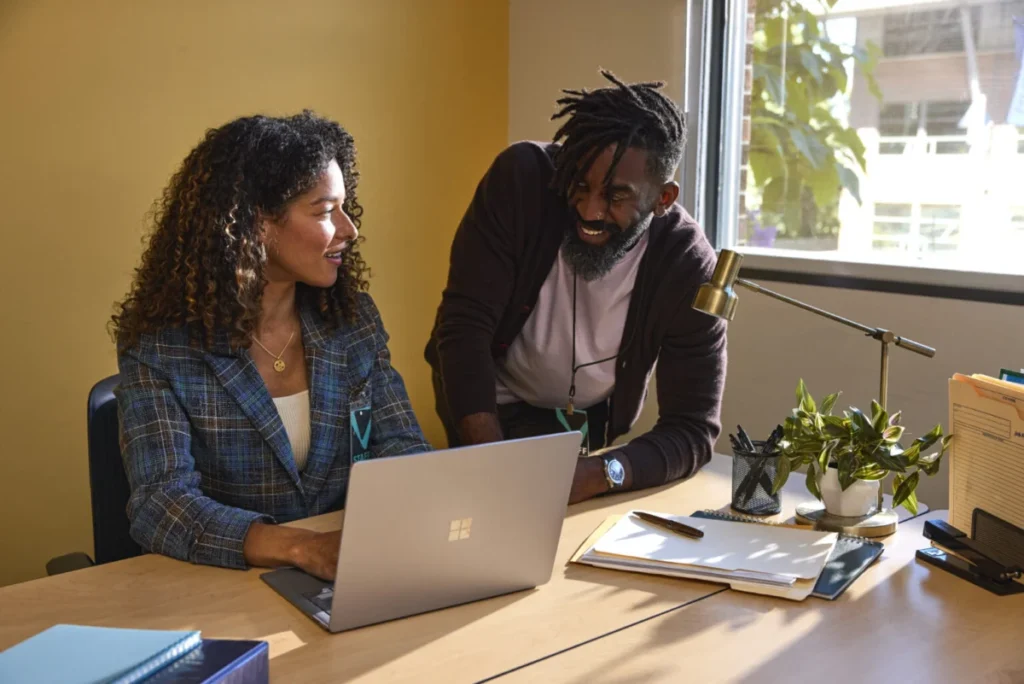
"It’s tempting to assume learners start from the same general place," she observes, "but in reality, every person has a different level of access." This statement highlights a critical misconception: the mere act of logging in does not equate to equitable participation. Two students who appear to be online simultaneously might be navigating vastly different technological realities. One might be utilizing a state-of-the-art laptop with a robust internet connection and possess years of experience navigating learning management systems. Conversely, another student might be relying on a shared device, contending with intermittent connectivity, or possess limited familiarity with the intricacies of online learning platforms.
Without intentional, thoughtful course design, these disparities can inadvertently erect unnecessary barriers to learning. "A useful way to approach course design is to think about learners working within real-world constraints – patchy internet, older devices, or working in shared spaces (like a public library or dormitory lounge)," Goodman explains. "When you design with those realities in mind, the learning experience works better for everyone." This pragmatic perspective shifts the focus from technological perfection to pedagogical resilience, ensuring that learning can thrive even under less-than-ideal circumstances.
The encouraging news is that educators do not need to undertake a complete overhaul of their existing courses to foster significant improvements. Small, strategic adjustments can yield substantial benefits, making digital learning more accessible and effective for a broader spectrum of students.
Embracing Inclusive Design: Small Steps, Big Impact

The foundation of inclusive, human-centered learning is built upon a series of deliberate, yet often simple, design choices. A prime example is the clear structuring of content, ensuring students can easily ascertain the next steps in their learning journey. Offering learning materials in multiple formats, catering to different learning preferences and accessibility needs, is another impactful strategy. Furthermore, providing unambiguous instructions and maintaining predictable navigation patterns significantly enhances the overall online learning environment, reducing cognitive load and potential points of confusion.
Designing activities that do not hinge on uninterrupted, high-speed internet connectivity is crucial for preventing students with limited access from being marginalized. These types of considerations ensure that engagement is not solely dependent on perfect technical conditions.
Individually, each of these modifications can offer vital support to learners facing specific challenges. Collectively, however, they coalesce to create courses that are not only clearer and more navigable but also demonstrably more supportive for every student enrolled. The overarching principle is that a more inclusive design benefits all, fostering an environment where everyone has a greater opportunity to succeed.
"Let’s take accessibility as an example," Goodman suggests. "Accessible learning works best when it’s part of the design process from the beginning. Add headings as you create pages. Include alt text when you upload images. Check color contrast as you go. Educate yourself about web accessibility basics and apply this to every course-building decision." This proactive approach to accessibility, integrated into the very fabric of course creation, ensures that inclusivity is not an afterthought but a fundamental design principle.
This commitment to accessibility is not solely the purview of dedicated learning designers. Any individual involved in building a course can cultivate accessibility as a habitual practice. By embedding these considerations from the outset, educators can significantly reduce the need for time-consuming retrofitting and remediation later, ensuring that every learner benefits from a more transparent and supportive educational experience.
From Awareness to Action: Implementing Equitable Strategies
Accessibility serves as a crucial starting point, but it is part of a more expansive framework: the creation of courses that genuinely reflect the diverse realities students bring with them. While a student’s ability to log into a digital platform is a prerequisite, it does not automatically guarantee their readiness or capacity to learn effectively. Cultivating a more equitable learning environment necessitates looking beyond mere access and actively considering whether every learner can meaningfully participate once they are present.
"Getting online is only the first step," Goodman emphasizes. "What really matters is whether learners can confidently navigate the course, understand what’s expected of them, and stay engaged once they arrive. As educators, we need to be ready for every learner who shows up." This perspective highlights the multifaceted nature of student success in digital environments, encompassing not only technical access but also pedagogical support and active engagement strategies.
For educators seeking guidance on how to initiate or enhance their efforts in creating more inclusive learning environments, the journey does not have to be undertaken in isolation. Moodle, recognizing this critical need, has developed a comprehensive resource designed to facilitate this process.
Drawing upon extensive experience supporting both faculty and learners in online settings, the "Bridging the hidden learning gap" resource consolidates these crucial insights into a practical, actionable guide. It offers realistic strategies that educators can implement immediately to enhance their course design. Within its pages, users will discover practical ideas, expert guidance, and pragmatic approaches tailored to create courses that effectively support a wider range of learners.

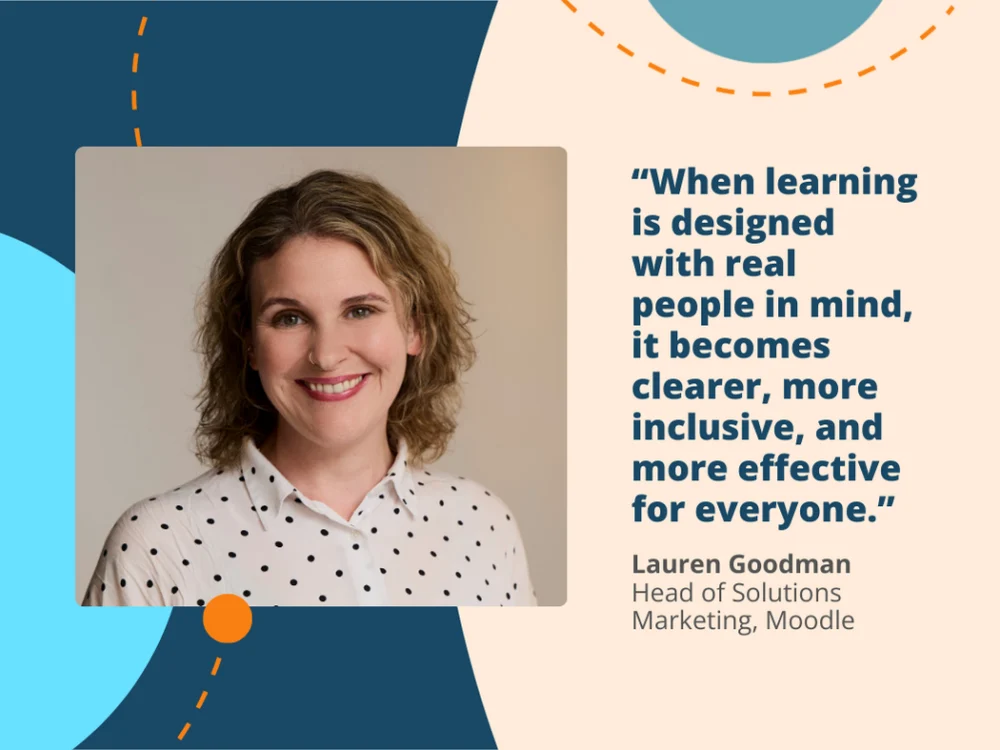
The guiding philosophy behind this resource is not the pursuit of unattainable perfection but rather the empowerment of educators to design for the students they actually have. As Goodman eloquently puts it, "When learning is designed with real people in mind, it becomes clearer, more inclusive, and more effective for everyone." This human-centered approach to course development ensures that digital learning environments are not just functional but also foster a sense of belonging and promote genuine academic achievement for all.
The Broader Impact: Fostering a More Equitable Educational Future
The implications of embracing thoughtful, inclusive course design extend far beyond the individual classroom. In an era where digital learning is increasingly integral to educational provision across all levels, addressing the hidden learning gap is paramount to ensuring educational equity. Failure to do so risks exacerbating existing societal inequalities, creating a bifurcated system where students with greater resources and digital fluency have a distinct advantage.
The COVID-19 pandemic, which necessitated a rapid and widespread shift to remote learning, starkly illuminated these disparities. A 2021 report by the National Center for Education Statistics (NCES) in the United States indicated that while a vast majority of students had access to a device for online learning, significant percentages still faced challenges with reliable internet access, particularly in low-income households and rural areas. This data underscores the persistent nature of the digital divide and the ongoing need for proactive solutions.
The move towards hybrid and blended learning models, which are likely to remain a significant component of higher education and even K-12 education in the future, further amplifies the importance of inclusive design. These models, by their very nature, require a sophisticated understanding of how to leverage digital tools effectively while simultaneously accommodating a diverse range of student needs and circumstances.
Furthermore, the principles of inclusive design, as championed by Moodle and experts like Lauren Goodman, align with broader pedagogical movements emphasizing Universal Design for Learning (UDL). UDL, a framework developed at the Center for Applied Special Technology (CAST), advocates for designing learning experiences that are flexible and provide multiple means of representation, action and expression, and engagement. This framework is inherently aligned with the concept of bridging the hidden learning gap, aiming to remove barriers and provide equitable opportunities for all learners.
The proactive integration of accessibility features, such as providing closed captions for videos, offering transcripts for audio content, ensuring sufficient color contrast in visual materials, and using clear, descriptive headings and alt text for images, not only benefits students with disabilities but also enhances the experience for a wide range of learners, including those with temporary impairments, non-native English speakers, or individuals in noisy environments.
Ultimately, the commitment to designing learning experiences with "real people in mind" is not merely a matter of technical proficiency or pedagogical best practice; it is an ethical imperative. By acknowledging and actively addressing the hidden learning gap, educational institutions and individual educators can move towards creating learning environments that are not only more effective but also more just and equitable, empowering every student to reach their full potential in an increasingly digital world. The availability of resources like Moodle’s "Bridging the hidden learning gap" signifies a crucial step in equipping educators with the tools and knowledge necessary to achieve this vital objective.
About the Author:
Jeanne, Moodle’s Content Marketing Manager, is a dedicated writer and lifelong learning advocate passionate about making education accessible to all. Her work delves into the transformative power of open-source technology in education, explores innovative teaching methodologies, and highlights how digital tools can empower both educators and learners globally. Beyond her professional endeavors, Jeanne pursues her interests in photography, gardening, archaeology, and cherishes her time with her three daughters.