
The rapid integration of generative artificial intelligence into the global economy has prompted a significant shift in educational priorities, leading Microsoft to announce the "Hour of AI" initiative in coordination with Computer Science (CS) Education Week 2025. This global program, developed in partnership with the nonprofit organization CSforALL and a coalition including Code.org, aims to provide accessible AI literacy to 25 million learners worldwide. The initiative seeks to bridge the gap between traditional computer science curricula and the emerging demands of an AI-driven workforce, offering a suite of interactive lessons and resources designed for students, educators, and community leaders.
As the professional landscape undergoes a transformation driven by human-AI collaboration, the traditional focus on predictable career paths is being replaced by a need for adaptability and technological fluency. Microsoft’s commitment to this transition involves equipping the next generation with the foundational knowledge required to navigate and shape these new technologies. The Hour of AI serves as a modern evolution of the "Hour of Code," a movement that has introduced millions to the basics of programming over the last decade. By pivoting toward artificial intelligence, the organizers intend to demystify complex algorithms and empower students to become creators rather than just consumers of AI.
The Evolution of Computer Science Education: From Code to AI
Computer Science Education Week was established in 2009 to raise awareness about the importance of computing skills in the 21st-century economy. Originally centered around the birthday of computing pioneer Admiral Grace Hopper (December 9, 1906), the week has historically served as a rallying point for the "Hour of Code" campaign. However, the emergence of Large Language Models (LLMs) and generative image tools in late 2022 and 2023 has necessitated a curriculum update. The 2025 "Hour of AI" represents a strategic pivot to address the specific logic, ethics, and mechanics behind machine learning and neural networks.

The partnership with CSforALL—a central hub for the computer science education strategy in the United States—ensures that these resources are aligned with academic standards and equity goals. The collaboration aims to reach underrepresented communities, ensuring that the "AI divide" does not mirror the digital divide of previous decades. By providing free, web-based tools that require no prior experience, Microsoft and its partners are lowering the barrier to entry for schools that may lack specialized computer science departments.
Core Activities and Pedagogical Framework
The 2025 Hour of AI initiative is anchored by three primary learning modules, each tailored to a specific age group and skill level. These activities utilize familiar platforms to teach sophisticated concepts such as algorithmic decision-making, prompt engineering, and iterative design.
Minecraft Education: The First Night
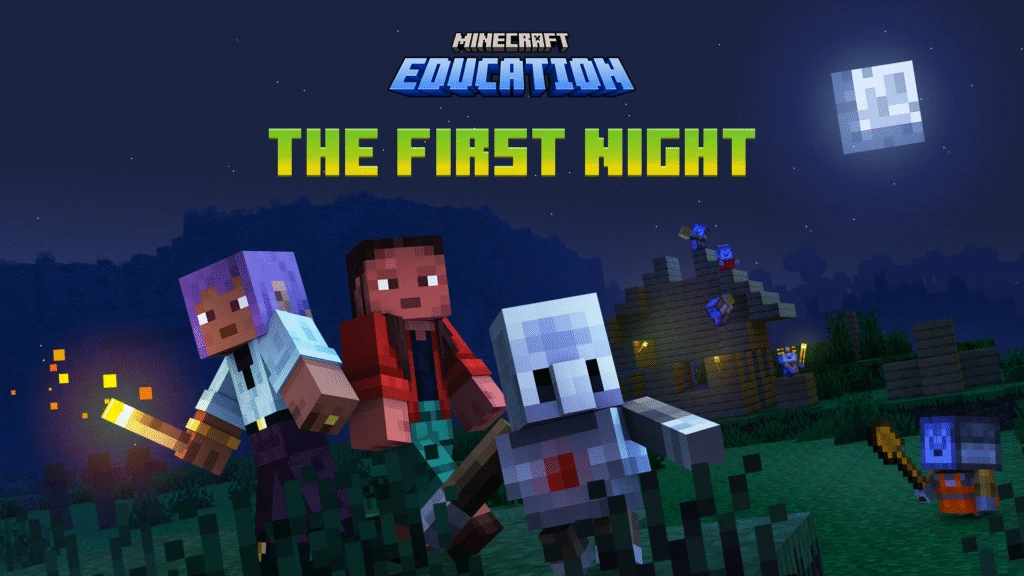
For younger learners and those new to the Minecraft ecosystem, "The First Night" introduces AI concepts within a survival-game context. In this activity, students are tasked with surviving their first 24 hours in a procedurally generated world. Unlike traditional gameplay, students utilize "AI Agents"—programmable entities that assist in gathering resources and constructing shelters. The lesson focuses on how algorithms process environmental data to make decisions. Available in 29 languages, this module includes comprehensive educator guides that link gameplay to real-world AI applications, such as autonomous robotics and environmental monitoring.
Microsoft MakeCode: Bug Arena
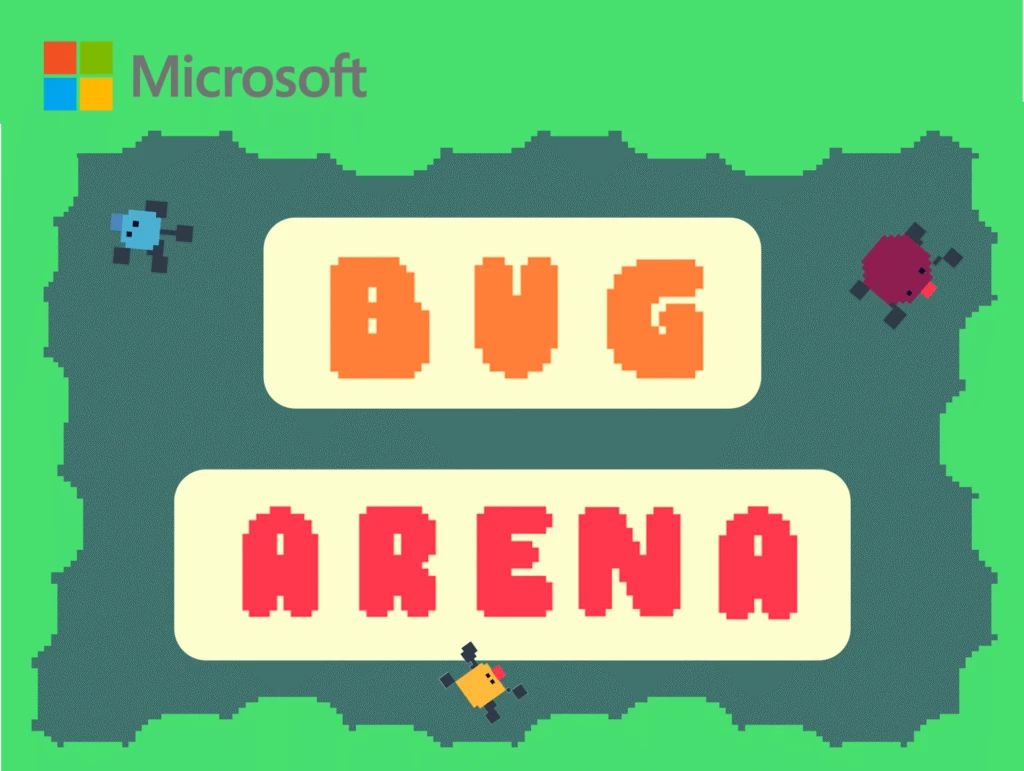
Targeted at students in grades 3 through 8, "Bug Arena" is a web-based tutorial that introduces foundational AI through competition. Using the Microsoft MakeCode platform, which allows for both block-based and JavaScript coding, students design algorithms to control a digital "Bug." These bugs then compete in an arena, where their performance is dictated by the logic the student has implemented. This hands-on approach teaches "reinforcement learning" concepts in a simplified manner, as students must observe their bug’s behavior, identify flaws in the logic, and iterate on their code to improve performance.
Visual Studio Code for Education: Slither Slam
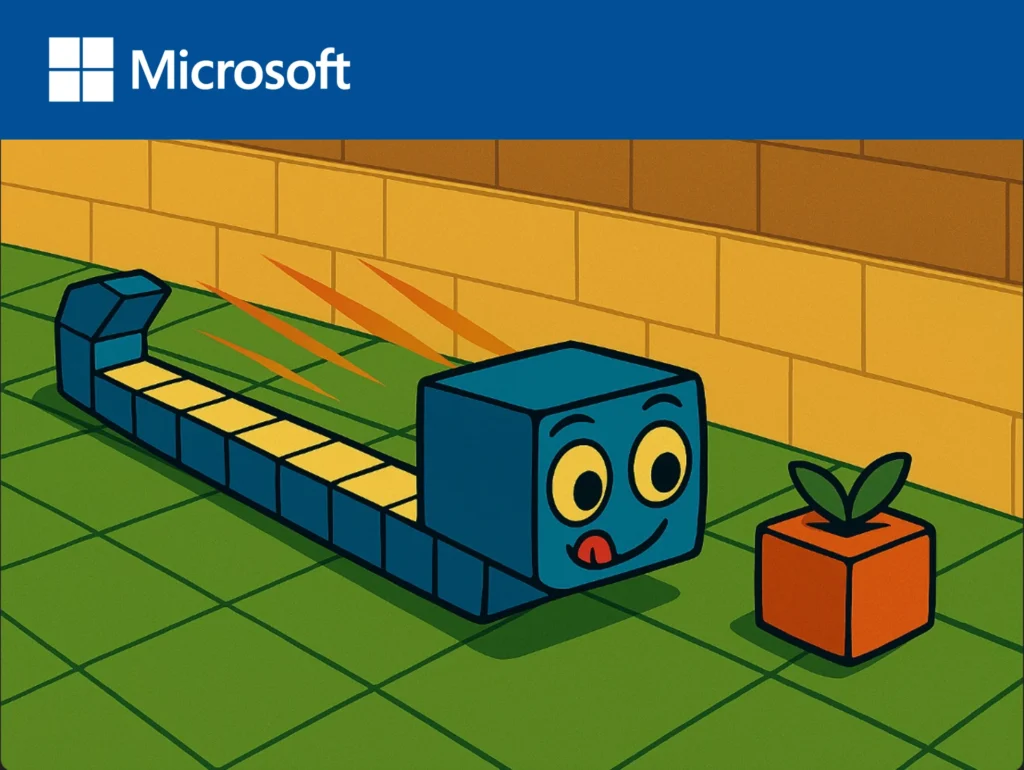
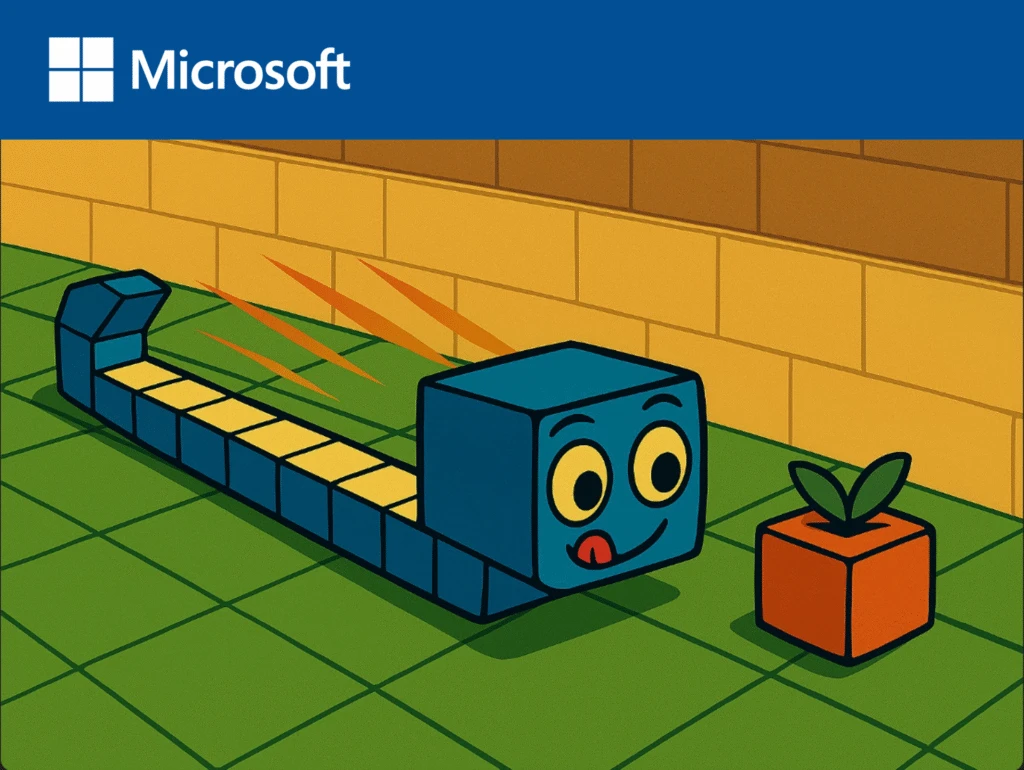
Designed for high school students (grades 9 through 12), "Slither Slam" utilizes Visual Studio (VS) Code, a professional-grade development environment. This activity emphasizes the role of natural language in modern programming. Students use AI-assisted prompts to generate code for a classic "Snake" style game. The lesson focuses on the nuances of prompt engineering—how specific instructions lead to different code outputs—and encourages students to refine their prompts to optimize game mechanics. This reflects the current industry trend where "coding" often involves orchestrating AI models to write and debug software.
Supporting Data and the Economic Necessity of AI Literacy
The push for AI education is supported by recent economic data highlighting a shift in the global labor market. According to the World Economic Forum’s "Future of Jobs Report 2023," AI and machine learning specialists are among the fastest-growing roles globally. Furthermore, the report estimates that over 75% of companies are looking to adopt these technologies within the next five years.
Microsoft’s internal research suggests that while 82% of leaders say their employees will need new skills to be prepared for the growth of AI, many educational systems have yet to integrate these topics into their core curricula. The Hour of AI initiative aims to fill this gap. By targeting 25 million learners, the program seeks to create a baseline level of "AI Fluency" that spans beyond technical roles, impacting fields as diverse as healthcare, law, and the creative arts.
The initiative also addresses the "STEM gap" by providing localized content. By offering Minecraft-based AI lessons in nearly 30 languages, the program ensures that non-English speaking regions have the same access to high-quality technical education as their peers in the West. This global scalability is critical, as the economic impact of AI is expected to be felt most acutely in emerging markets.
Collaborative Responses and Organizational Objectives
The response from the educational community has been largely positive, with organizations like CSforALL emphasizing the importance of systemic change. In statements regarding the goal of the Hour of AI, CSforALL leaders have noted that the objective is not just to teach children how to use a specific tool, but to understand the underlying principles of how those tools "think."
"The goal of the Hour of AI is to ensure that every student, regardless of their background, has the opportunity to understand how AI works and how it impacts their lives," the organization noted in its official mission statement for the 2025 event. This sentiment is echoed by Code.org, which has shifted its focus to include "AI + CS" as a unified discipline.
Microsoft’s involvement is part of its broader "Microsoft Elevate" program, a year-round initiative that provides educators with professional development resources. By training teachers to facilitate these AI hours, Microsoft is building a sustainable infrastructure for AI education that extends beyond a single week in December. The "Facilitator Training" modules provided for the Minecraft activity, for example, allow teachers with no technical background to confidently lead a classroom of 30 students through a complex AI simulation.
Broader Impact and Future Implications for Education
The long-term implications of the Hour of AI extend to the very definition of literacy in the 21st century. As AI becomes an invisible layer in search engines, social media, and workplace productivity tools, the ability to discern how these systems function becomes a civic necessity.
Fact-based analysis suggests that initiatives like the Hour of AI are likely to influence future curriculum standards. By demonstrating that complex topics like neural network logic can be taught through games like Minecraft or MakeCode, Microsoft is providing a blueprint for state and national education boards. The shift from "syntax-based coding" (learning where the semicolons go) to "logic-based orchestration" (learning how to instruct a system to solve a problem) represents the most significant change in computer science education since the introduction of the personal computer.
Furthermore, the initiative serves as a practical application of "Responsible AI" principles. Many of the lessons include discussions on bias, data privacy, and the ethical use of generated content. By introducing these topics to students at a young age, the program aims to cultivate a generation of developers and users who are mindful of the societal impact of the tools they create.
Conclusion and Implementation for 2025
As CS Education Week 2025 approaches, Microsoft has made its full suite of resources available for download, including lesson plans, slide decks, and technical setup guides. The Hour of AI is positioned as a flexible framework that can be implemented in a variety of settings, from formal K-12 classrooms to after-school clubs and community centers.
The success of the initiative will be measured not only by the number of participants—with the 25 million mark serving as a key benchmark—but by the subsequent integration of these skills into year-round learning. Through the combination of game-based learning and professional development tools, the Hour of AI represents a coordinated effort to ensure that the next generation is not merely reactive to technological change, but is equipped to lead it. Educators and parents are encouraged to join the movement, making AI learning accessible one hour at a time, and ensuring that students are prepared for a future that is being rewritten in real-time.