


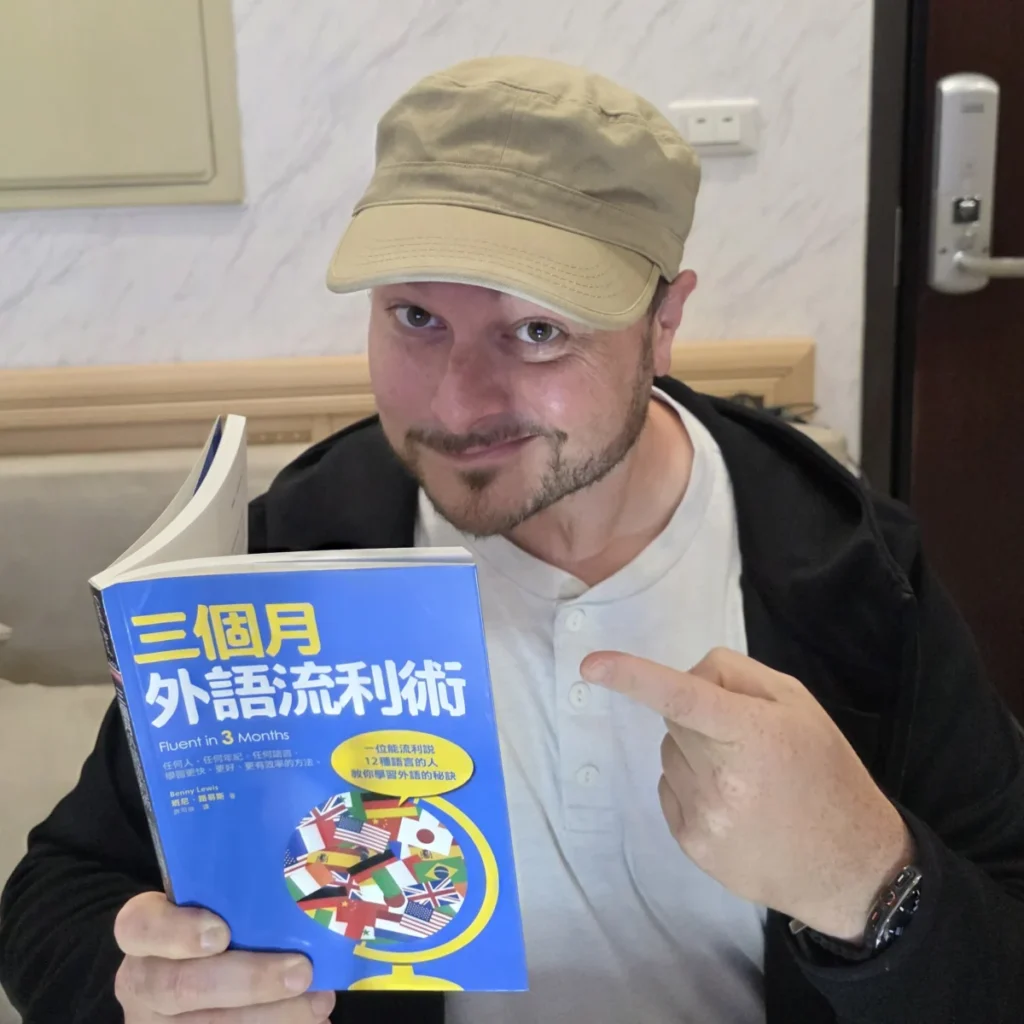
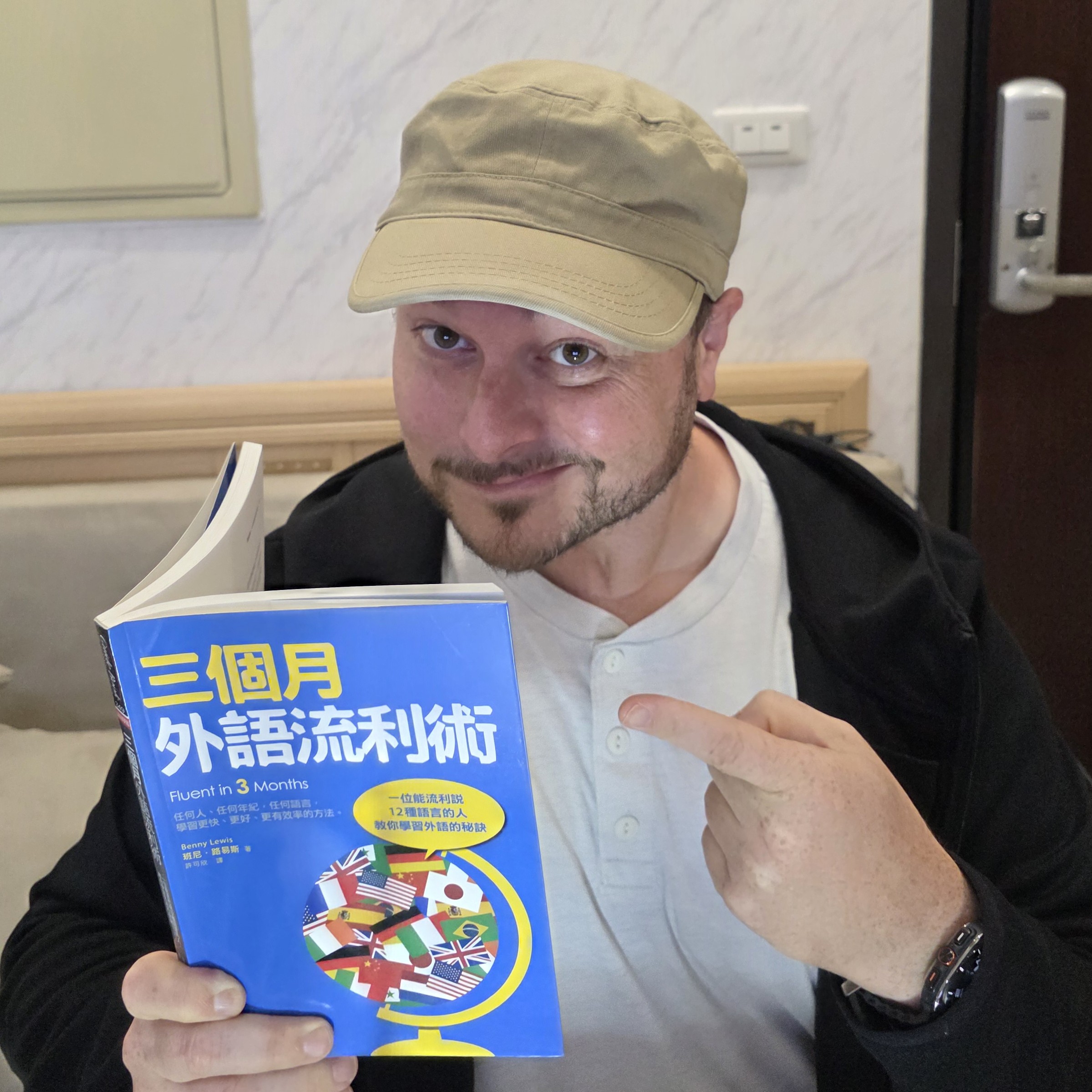
Benny Lewis, the founder of the globally recognized language-learning platform Fluent in 3 Months, has officially announced his return to Taipei, Taiwan, to resume intensive Mandarin studies after a 14-year hiatus from the city where his journey with the language began. This strategic return marks a significant shift in Lewis’s focus, transitioning from a decade of high-level management and content production back to the grassroots immersion techniques that first established his reputation in the linguistics community. The project, which involves a two-month residency in Taipei followed by a "deep travel" exploration of the Taiwanese countryside, aims to restore Lewis’s proficiency to a B1 level on the Common European Framework of Reference for Languages (CEFR) and beyond.
Historical Context and the 2012 Mandarin Mission
The current initiative serves as a spiritual successor to Lewis’s highly publicized 2012 "Mandarin Mission." During that original project, Lewis undertook three months of intensive study in Taiwan, followed by two months of transit through mainland China. The 2012 project remains one of the most discussed case studies in the polyglot community due to its ambitious timeline and the controversy regarding the definition of "fluency." By the conclusion of the five-month period, Lewis’s spoken proficiency was independently evaluated at a B1 (lower intermediate) level. While he achieved functional independence—allowing him to navigate rural China, learn Kung Fu in a fishing village, and interview television presenters—he did not include reading or writing in his initial scope.
In the intervening twelve years, Lewis’s engagement with Mandarin remained sporadic. Aside from a brief period of intensive revision while co-authoring the "Language Hacking Mandarin" coursebook, his use of the language was largely restricted to casual exchanges at international networking events. This led to significant language attrition, a common phenomenon in linguistics where a lack of regular usage results in the degradation of vocabulary and grammatical precision. The return to Taipei is designed specifically to reverse this "slippage" and integrate Mandarin into Lewis’s permanent repertoire of maintenance languages, which currently includes Spanish, French, German, Italian, and Portuguese.
The Malaysian Catalyst and the Decision to Re-Immerse
The decision to prioritize Mandarin in 2024 was catalyzed by Lewis’s recent travels through Malaysia. According to demographic data, approximately 22.6% of the Malaysian population is of Chinese descent, with Mandarin serving as a primary lingua franca among the diaspora. Interacting with the Chinese-speaking community in Malaysia, alongside a surge in Chinese tourists in the region, provided the necessary motivation for Lewis to pivot his focus away from the Malay language and back toward Mandarin.
Linguistic experts often cite "integrative motivation"—the desire to communicate with a specific community—as a primary driver of successful language acquisition. For Lewis, the realization that Mandarin remains a vital tool for regional communication in Southeast Asia underscored the practical necessity of regaining his intermediate-to-advanced proficiency. Consequently, he relocated to Taipei to leverage the city’s high-immersion environment, which provides constant "forced" output opportunities.
Technical Methodology: A Structured Learning Regimen
Lewis’s current approach in Taipei differs from his 2012 strategy by placing a heavier emphasis on formal grammar and structured digital review. Having already established a foundation, he is focusing on refining his syntax to achieve more natural-sounding speech.
Grammatical Refinement and Resource Selection
While Lewis historically advocated for a "speak from day one" approach that de-emphasizes grammar for absolute beginners, his current routine involves daily study of a comprehensive Chinese grammar text. This specific resource was selected for its dual-focus on both Traditional characters (standard in Taiwan) and Simplified characters (standard in Mainland China), as well as its inclusion of Taiwanese Mandarin nuances. This reflects a more mature phase of language learning where the goal is to bridge the gap between "functional" and "accurate" communication.
Digital Spaced Repetition Systems (SRS)
A cornerstone of the recovery project is the use of Anki, a Spaced Repetition System (SRS) that utilizes flashcards to optimize memory retention. Lewis has recovered his original 2012 vocabulary decks, which contain thousands of words derived from his previous in-person lessons. The technical challenge of accessing these files required converting 14-year-old data formats to modern standards. The utility of these decks lies in their personalization; because they were built from actual conversations Lewis had a decade ago, they remain more relevant to his communicative needs than generic public decks.
Instructional Hybridization
The routine incorporates a mix of human-led instruction and modern technological tools. Lewis utilizes Preply for regular online lessons with multiple teachers to ensure exposure to different accents and teaching styles. Additionally, he has integrated AI-driven conversation tools, which provide a low-cost alternative for supplementary practice. This hybrid model reflects the current state of the language-learning industry, where traditional tutoring is increasingly augmented by artificial intelligence to provide 24/7 practice opportunities.
Field Challenges in the Taipei Urban Environment
Despite Taipei’s status as a major international hub, Lewis reports that the environment provides a high degree of linguistic resistance, which is beneficial for immersion. He noted that in everyday transactions—ranging from ordering coffee at international chains like Starbucks to shipping packages at local post offices—English proficiency among service staff is often lower than foreigners expect. This lack of a "safety net" forces consistent use of Mandarin.
However, Lewis identified specific challenges within the local social scene. While "standing" language exchange events typically allow for one-on-one conversations that are easier for intermediate learners to navigate, many events in Taipei follow a "sit-down" group format. In noisy environments with multiple native speakers, the cognitive load required to follow group discussions can be prohibitive. Lewis’s observation highlights a common hurdle in immersion: the transition from controlled classroom environments to the "chaos" of natural, high-speed group social settings.

The Taiwan Deep Travel Project: Expanding Beyond the Capital
A key component of the 2024 mission is the "Taiwan Deep Travel Project." In recent years, Lewis has shifted his focus toward exhaustive regional exploration, having previously completed projects to visit every state in Brazil, all 48 contiguous U.S. states, and every province in South Korea.
The upcoming phase of the Taiwan project involves several weeks of travel through the island’s more rural and less-visited regions. Outside of Taipei, English proficiency is significantly lower, which will serve as a "final exam" for Lewis’s two-month intensive period. By moving beyond the capital, Lewis aims to gain a more holistic understanding of Taiwanese culture and the various dialects and accents present across the country.
Broader Implications: Digital Content Creation in the Age of AI
Beyond the linguistic aspects, Lewis’s return to blogging and personal updates marks a strategic response to the changing landscape of digital publishing. Between 2013 and 2023, many language-learning platforms, including Fluent in 3 Months, focused heavily on SEO-optimized "how-to" articles. However, the rise of Generative AI and Google’s Search Generative Experience (SGE) has disrupted this model. AI snippets now frequently provide direct answers to grammatical questions, reducing traffic to independent educational blogs.
Lewis’s decision to return to "narrative blogging"—sharing personal, human experiences that cannot be replicated by AI—reflects a broader trend among content creators seeking to maintain authenticity in a market saturated with "AI slop." By focusing on the unique, often messy reality of language immersion, Lewis is positioning his platform as a source of human-centric data that serves as a counter-narrative to the idea that language can be "hacked" through technology alone.
Conclusion and Outlook
Benny Lewis’s return to Taipei is more than a personal refresher course; it is a calculated effort to demonstrate the enduring value of physical immersion and human-to-human connection in an increasingly digital world. The project’s success will be measured not just by a test score, but by Lewis’s ability to navigate the complexities of Taiwanese society and the "deep travel" challenges that lie ahead. As he moves from the cafes of Taipei to the rural townships of the south, the project will likely provide fresh insights into the intersection of technology, memory, and the lived experience of a modern polyglot.