

The traditional binary of "morning larks" and "night owls" has long served as a shorthand for human productivity, but emerging research in chronobiology suggests that these preferences are rooted in a complex interplay of genetics, developmental biology, and environmental factors. For decades, society has largely been structured around the "early bird" archetype, rewarding those who find peak energy in the morning hours. However, experts from the American Academy of Sleep Medicine and specialized sleep researchers are now highlighting that an individual’s chronotype—their natural inclination toward specific sleep and wake times—is a fundamental biological trait that evolves throughout a person’s lifespan and carries significant implications for long-term physical and mental health.
The Biological Evolution of the Internal Clock
A person’s chronotype is not a static preference but a dynamic biological state that undergoes predictable shifts as they age. According to Dr. John Saito, a representative for the American Academy of Sleep Medicine, the transition between being a morning person or a night person is heavily influenced by one’s stage of life. During early childhood, humans are predisposed to be early risers. This pattern shifts dramatically during adolescence; between the ages of 10 and 30, hormonal changes drive the internal clock later, effectively turning the majority of teenagers and young adults into "night owls."
As individuals move into middle age, their circadian rhythms tend to stabilize. However, the process reverses in the senior years. As melatonin levels naturally decrease with age, the body’s 24-hour sleep-wake cycle often shifts back toward an earlier schedule, returning many older adults to a "morning lark" status. Despite these age-related shifts, researchers emphasize that a person’s relative chronotype remains consistent. A teenager who is an extreme night owl may become a morning riser in their 70s, but they will likely always lean toward the later end of the spectrum compared to their peers in the same age bracket.
The Genetic Blueprint of Sleep
While age provides a general framework for sleep patterns, genetics provide the specific blueprint. A landmark study published in Nature Communications identified 351 genetic factors that influence whether an individual prefers mornings or evenings. These genetic markers are linked to the function of the suprachiasmatic nucleus (SCN), a small region in the brain’s hypothalamus that acts as the body’s master clock. The SCN regulates the timing of various physiological processes, including body temperature, hormone release, and the sleep-wake cycle.
From an evolutionary perspective, the existence of diverse chronotypes within a single community may have provided a survival advantage. Known as the "Sentinel Hypothesis," this theory suggests that early human groups benefited from having members with different sleep schedules. With some individuals staying up late and others waking up early, the group was rarely left unguarded, ensuring that "built-in night guards" were always awake to monitor for predators or threats. This hereditary trait means that sleep patterns are often passed down through generations; if a person’s ancestors were historically late-night sentinels, that individual is statistically more likely to struggle with a traditional 9-to-5 schedule.
Environmental Catalysts and Social Jetlag
Beyond biology, environmental and lifestyle factors play a crucial role in "entraining" the internal clock. Light exposure is the primary external cue for the circadian rhythm. Individuals consistently exposed to natural morning light tend to have earlier wake times, as the light suppresses melatonin production and signals the brain to be alert. Conversely, the modern prevalence of artificial light—specifically the blue light emitted by smartphones, televisions, and computers—can delay sleep onset.
The disparity between urban and rural living also impacts sleep quality. Residents of major cities are often exposed to higher levels of light pollution, which can disrupt the natural production of melatonin, leading to later bedtimes and more fragmented sleep. Geography further complicates this; those living closer to the equator, where daylight hours remain relatively consistent year-round, often find it easier to maintain a morning-oriented schedule than those in higher latitudes who experience extreme seasonal variations in daylight.
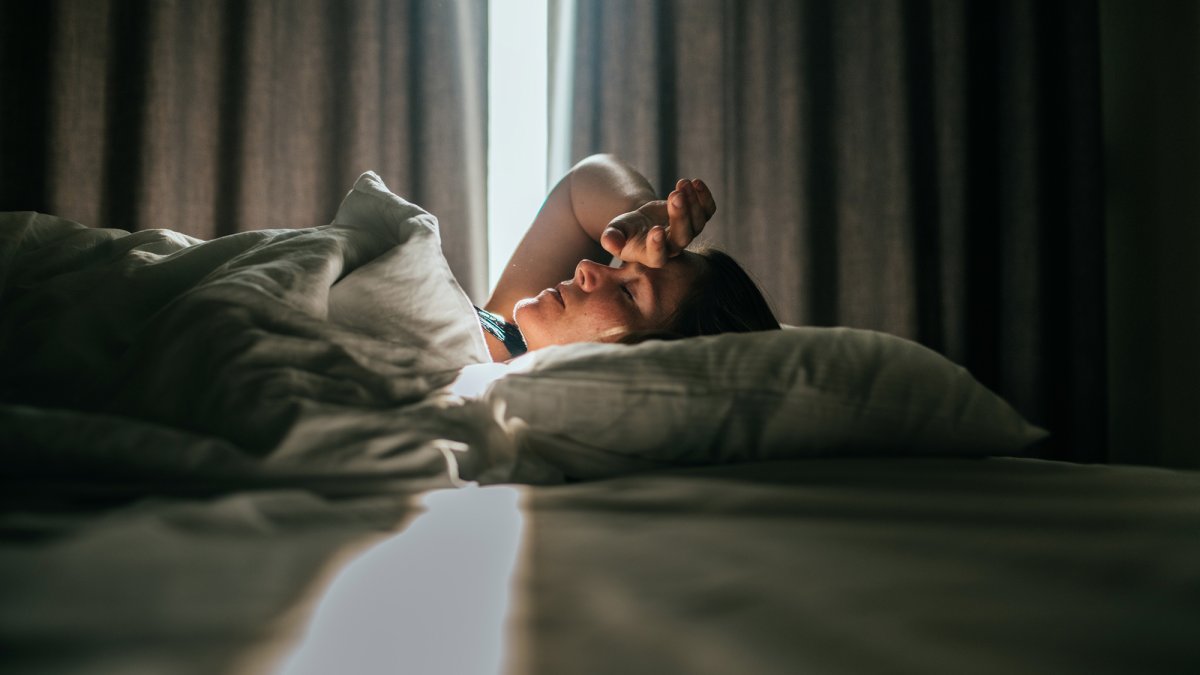
When an individual’s biological chronotype is at odds with their social or professional obligations, they experience what researchers call "social jetlag." This chronic misalignment can lead to "insufficient sleep syndrome," a condition where the body does not receive the restorative rest it requires to function optimally.
The Four Chronotype Categories: The "Sleep Animals"
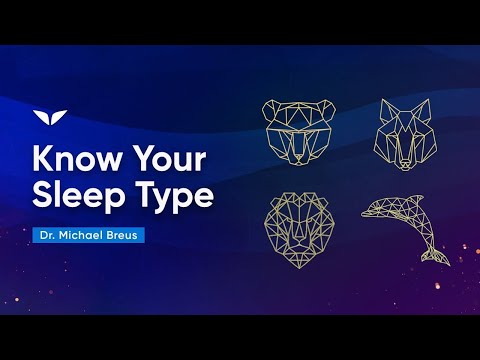
To provide a more nuanced understanding of these rhythms, clinical psychologist and sleep specialist Dr. Michael Breus has categorized human chronotypes into four distinct "sleep animals." This framework moves beyond the lark/owl dichotomy to account for energy levels and sleep drive.
- The Bear: Accounting for approximately 55% of the population, Bears follow the solar cycle. They generally sleep and wake with the sun and are most productive in the mid-morning to early afternoon.
- The Lion: These are the classic "morning larks," making up about 15% of the population. Lions wake up early with high energy but often experience significant fatigue by the early evening, typically seeking sleep by 9:00 p.m.
- The Wolf: Representing 15% to 20% of the population, Wolves are the "night owls." They struggle with morning starts and find their peak creative and analytical energy in the late evening and night hours.
- The Dolphin: Comprising about 10% of the population, Dolphins are light sleepers who are often diagnosed with insomnia. They remain in a state of high alert even while resting and are easily disturbed by noise or light.
By identifying which category an individual falls into, sleep specialists suggest they can optimize their daily schedules—not just for sleep, but for nutrition, exercise, and complex cognitive tasks.
Health Implications of Chronotype Misalignment
The consequences of ignoring one’s chronotype extend far beyond simple daytime grogginess. Data consistently shows that "morning larks" generally report better physical and mental health outcomes, largely because their natural rhythms align with the standard societal workday. In contrast, "night owls" face a higher risk of metabolic and psychological disorders.
Studies have linked late-night chronotypes to an increased risk of obesity, Type 2 diabetes, and cardiovascular disease. This is often attributed to the fact that night owls are more likely to engage in "night eating" and have disrupted glucose metabolism. Furthermore, the chronic stress of waking up early for work when the body is biologically programmed to be asleep can lead to higher rates of depression and anxiety. However, it is not all negative for the evening-inclined; research also indicates that night owls and "intermediates" often demonstrate sharper cognitive performance and better memory retention during their peak hours than morning larks do during theirs.
Strategic Management and Productivity Optimization
For those unable to change their work schedules to match their biology, experts recommend "circadian hygiene" to mitigate the effects of misalignment. Dr. Saito emphasizes that sleep consistency is the most critical factor. Going to bed and waking up at the same time every day—even on weekends—helps stabilize the master clock and reduces the severity of social jetlag.
Productivity can also be managed through strategic timing. For example, Dr. Breus suggests that most individuals should wait at least 90 minutes after waking before consuming caffeine. This allows the body’s natural cortisol levels to peak and begin to decline, ensuring that the caffeine boost is more effective and does not interfere with the body’s internal wake-up process. Similarly, tackling high-intensity cognitive tasks during one’s "peak" energy window—morning for Lions and Bears, evening for Wolves—can prevent burnout and improve the quality of output.
Broader Societal and Economic Impact
The scientific understanding of chronotypes is beginning to influence broader discussions regarding workplace flexibility and public health. As the global economy shifts toward more remote and asynchronous work, there is a growing movement to allow employees to work during their biological peak hours.
Economists note that the "one-size-fits-all" approach of the traditional 9-to-5 workday may result in significant productivity losses. When employees are forced to work during their "circadian trough," they are more prone to errors, accidents, and decreased creativity. By acknowledging the diversity of human chronotypes, organizations can potentially improve employee well-being and reduce the healthcare costs associated with sleep-deprivation-related chronic illnesses.
Ultimately, the study of chronotypes reveals that sleep is not merely a period of inactivity, but a highly regulated biological process. Whether an individual is a Lion, a Bear, a Wolf, or a Dolphin, the key to long-term health lies in understanding and respecting the internal clock. As Dr. Saito concludes, the goal is to match one’s physiology with their social structure as closely as possible, ensuring that the body and the schedule work in harmony rather than in constant conflict.