



Microsoft has officially unveiled Microsoft Elevate for Educators, a comprehensive initiative designed to bridge the gap between traditional pedagogical methods and the rapidly evolving landscape of artificial intelligence. This announcement, made ahead of the Bett UK 2026 conference, represents a significant expansion of the company’s long-standing commitment to the education sector, which spans more than five decades. The program is part of a broader "Microsoft Elevate" commitment that aims to provide AI skilling credentials to more than 20 million people globally over the next two years, signaling a massive investment in workforce readiness and digital literacy.
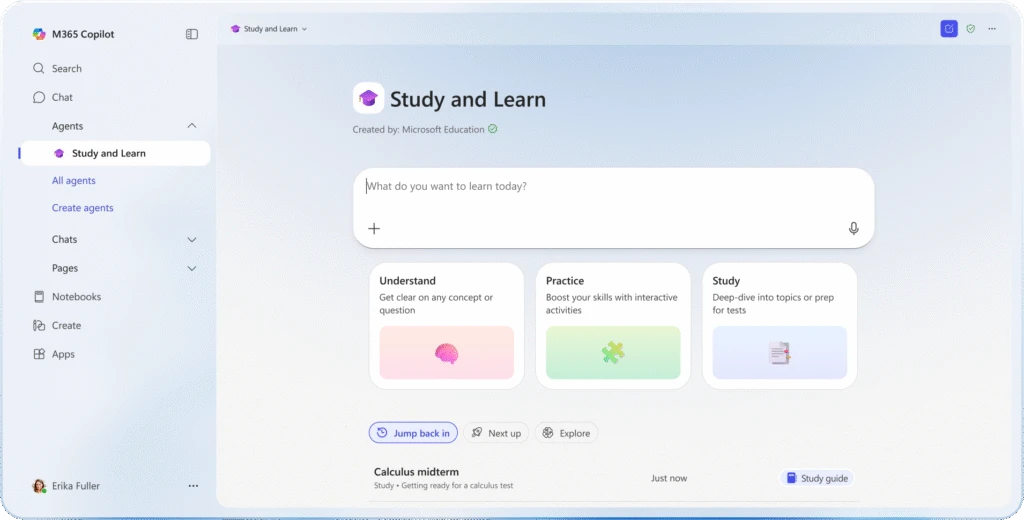
The cornerstone of this initiative is the integration of secure, education-specific technology with robust skill-building programs. By offering tools like the "Teach" assistant within the Microsoft 365 Copilot app and the "Study and Learn Agent" for students, Microsoft is positioning itself as a central architect in the AI-driven transformation of K-12 and higher education. These tools are designed not only to automate administrative tasks but to deepen the human connection within the classroom by freeing educators from the burdens of lesson preparation and data management.
The Strategic Vision of Microsoft Elevate for Educators
The Microsoft Elevate for Educators program arrives at a critical juncture for global education systems. According to recent industry data, teacher burnout and administrative overload remain at record highs, while the demand for AI-literate graduates continues to surge in the global job market. Microsoft’s new program addresses these dual challenges by providing educators with access to one of the world’s largest peer-to-peer networks and free professional development resources.
The program offers educators the opportunity to earn in-demand credentials, ensuring they are not just users of AI, but experts capable of guiding students through its ethical and practical applications. In the higher education sector, Microsoft is intensifying its partnerships with colleges and universities through the AI Skills Navigator and "AI Bootcamps." These initiatives provide faculty with "Microsoft Official Courseware," which is ready-to-use material designed to help students apply AI responsibly across various disciplines.

Advanced AI Tools for Instructional Efficiency
A central feature of the announcement is "Teach," a purpose-built AI assistant integrated into the Microsoft 365 Copilot app. Designed to function as a digital teaching assistant, Teach streamlines the most time-consuming aspects of the profession. It allows educators to generate lesson plans aligned with specific academic standards, create quizzes and rubrics instantaneously, and adapt existing reading materials to suit different literacy levels within a single classroom.
By utilizing simple natural language prompts, teachers can modify content for diverse learners, ensuring that inclusive education is achievable without an exponential increase in workload. Crucially, Microsoft is offering "Teach" at no additional cost to existing education customers, lowering the barrier to entry for schools that may be operating under tight budgetary constraints.
For institutions utilizing "Copilot+ PCs"—Microsoft’s latest generation of hardware featuring on-device AI processing—the new "Microsoft Learning Zone" app offers an even more immersive experience. The Learning Zone utilizes on-device intelligence to allow teachers to create and track interactive learning activities. This app has already earned the ISTE Seal of Alignment, a prestigious recognition that confirms the tool meets rigorous standards for learning design and research-backed teaching practices.
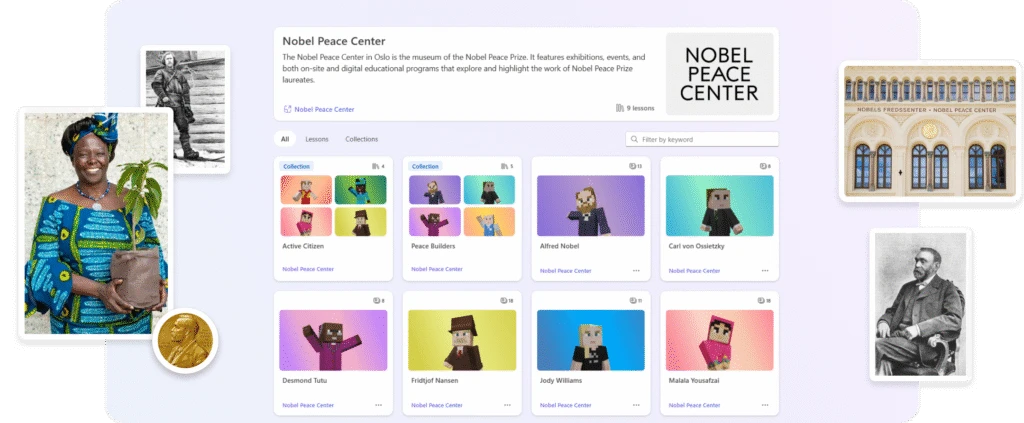
The Learning Zone is bolstered by partnerships with high-profile content providers, including NASA, PBS NewsHour, the Nobel Peace Center, and the World Wildlife Fund. These partnerships bring world-class educational content directly into the Windows 11 ecosystem. For instance, the Nobel Peace Center collection allows students to explore human rights through the stories of laureates like Malala Yousafzai, complemented by interactive activities within Minecraft Education.
Supporting Student Growth and Career Readiness
The announcement also places a heavy emphasis on student-facing tools. The "Study and Learn Agent" is an AI-powered learning companion built on established principles of learning science. Designed for students aged 13 and older, the agent encourages reflective thinking and active engagement. It provides adaptive exercises, flashcards, and guided study sessions that help students master complex concepts at their own pace.
In the higher education sphere, Microsoft is addressing the "bridge to employment" by offering eligible students a free 12-month subscription to Microsoft 365 Premium and LinkedIn Premium Career. This dual offering is intended to support students throughout their academic journey—assisting with research papers and presentations—while simultaneously providing the tools needed to secure internships and entry-level positions. LinkedIn Premium Career features, such as "Top Applicant" insights and direct messaging to recruiters, are viewed by industry analysts as essential tools for students entering a competitive, AI-influenced job market.
Security Governance and the IDC Blueprint for AI-Ready Schools
Recognizing that security and ethics are the primary concerns for school administrators, Microsoft has released the "Microsoft Education Security Toolkit." This resource provides a roadmap for institutions to strengthen their cybersecurity posture in an era where educational data is increasingly targeted. Furthermore, the "Microsoft Education AI Toolkit" offers guidance on the responsible adoption of AI, featuring case studies from early adopters who have successfully integrated these technologies.
To provide empirical weight to these initiatives, Microsoft sponsored an IDC White Paper titled "A Blueprint for AI-Ready Schools: Strategies from the Front Lines of K-12 Education." The report highlights successful implementations in diverse geographical regions, including Brisbane Catholic Education in Australia, Broward County Schools in the United States, and the Coquitlam School District in Canada. These case studies demonstrate that when AI is implemented with a clear strategy, it can lead to improved student outcomes and higher levels of teacher satisfaction.
Timeline and Global Availability
The rollout of these tools and programs is scheduled to take place over the next 18 to 24 months. While Microsoft Elevate for Educators and the "Teach" assistant are available immediately to many customers, the "Microsoft Learning Zone" is currently supported in English and Spanish, with plans to expand to Portuguese, French, and German by late 2026. Integration with various Learning Management Systems (LMS) is also expected to be finalized within the same timeframe, ensuring that these AI tools can exist within the existing software ecosystems that schools already use.
The public will have its first opportunity to see these innovations in action at Bett UK 2026, held from January 21 to 23 at the ExCeL London. Microsoft’s presence at the event will include live demonstrations of the Copilot+ PCs and the Study and Learn Agent, providing a platform for educators to engage directly with the developers of these technologies.
Analysis of Implications for the Education Sector
The introduction of Microsoft Elevate for Educators marks a shift from AI as a novelty to AI as a foundational utility in the classroom. By embedding these tools into the Microsoft 365 suite—software that is already ubiquitous in schools—Microsoft is effectively standardizing the use of generative AI in education.
Industry experts suggest that this move could significantly narrow the "digital divide" if implemented equitably, but they also warn of the challenges regarding data privacy and the potential for over-reliance on automated systems. Microsoft has countered these concerns by emphasizing "Trustworthy AI," ensuring that their models are trained on curated, educational data and that teachers remain the final "human-in-the-loop" for all instructional decisions.
Furthermore, the focus on "career readiness" via LinkedIn suggests that Microsoft is looking beyond the classroom to the broader economic implications of AI. By training students and educators simultaneously, the company is attempting to create a self-sustaining ecosystem of AI-literate professionals. This holistic approach—combining hardware (Copilot+ PCs), software (M365 Copilot), and community (Elevate)—positions Microsoft as a dominant force in the next decade of educational technology.
As school districts and universities navigate the complexities of the AI era, the resources provided through the Microsoft Elevate program offer a structured path forward. The success of this initiative will likely be measured by its ability to reduce the "attainment gap" and provide educators with the relief they need to focus on the human elements of teaching: mentorship, inspiration, and the fostering of critical thinking.