



Plantar fasciitis remains one of the most prevalent musculoskeletal complaints in the United States, affecting approximately two million individuals annually and accounting for nearly 10 percent of all foot-related clinical visits. Often mischaracterized as a simple ailment of the elderly or the sedentary, the condition is a complex degenerative process involving the plantar fascia, a thick band of connective tissue that supports the longitudinal arch of the foot. While the condition is statistically most common among adults between the ages of 40 and 60, it represents a significant health challenge for athletes, manual laborers, and expectant mothers. Understanding the mechanics of this condition, its progressive nature, and the strategies for clinical management is essential for maintaining mobility and preventing long-term disability.
The Biomechanical Role of the Plantar Fascia
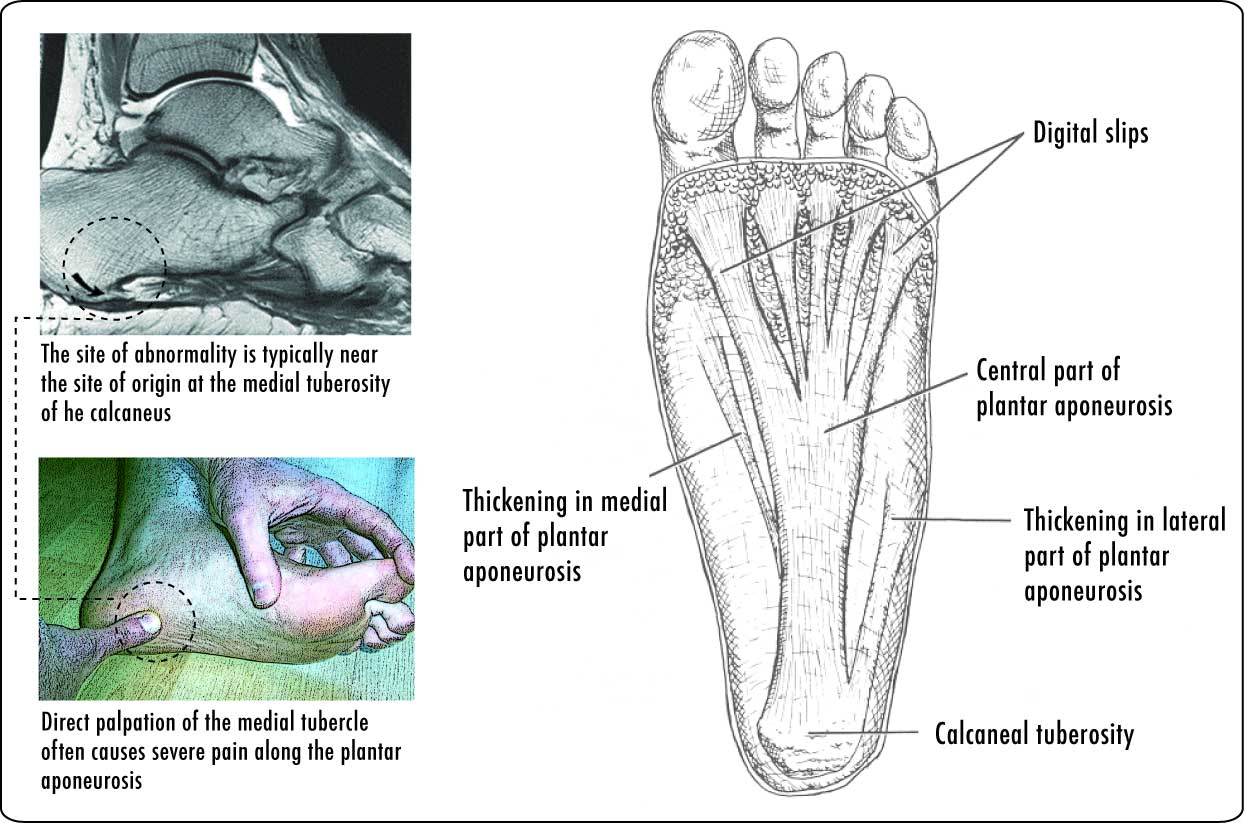
The plantar fascia is not a muscle but a resilient, fibrous aponeurosis that extends from the medial tubercle of the calcaneus (the heel bone) to the proximal phalanges of the toes. Its primary function is to provide structural integrity to the foot during weight-bearing activities. Biomechanically, the plantar fascia operates through what clinicians call the "Windlass Mechanism." When the toes are extended during a stride, the plantar fascia tightens, shortening the distance between the heel and the metatarsals to elevate the medial longitudinal arch. This tension transforms the foot into a rigid lever, allowing for efficient propulsion during walking or running.
Paul Schroeder, MPT, CSCS, C-PS, founder of Fast Track Physio in Chicago, notes that the construction of the foot is analogous to a bridge. The arch design offers ideal force distribution, but it relies on the integrity of the connective tissue to manage the energy expressed during movement. When this tissue is overstressed, it does not simply "catch" an infection; rather, it undergoes a series of micro-tears and inflammatory responses. While the suffix "-itis" implies acute inflammation, many chronic cases are more accurately described as "plantar fasciosis," characterized by the degeneration of collagen fibers rather than an active inflammatory state.
Clinical Progression and Risk Factors
Plantar fasciitis rarely occurs as the result of a single traumatic event. Instead, it is typically the result of "cumulative microtrauma." Schroeder explains that most cases arise from an "acute-to-chronic workload spike." This occurs when the demands placed on the tissue suddenly exceed its adaptive capacity. Several behavioral and physiological factors contribute to this imbalance.
Footwear and Surface Impact
The modern environment presents a challenge to foot health, as humans frequently traverse hard, unforgiving surfaces like concrete and hardwood. Footwear serves as the primary defense against these "ground reaction forces." Schroeder highlights that unsupportive footwear—including flip-flops, minimalist sneakers, ballet flats, and worn-out athletic shoes—fails to provide the necessary external support for the medial arch. Furthermore, walking barefoot on hard surfaces at home can exacerbate existing tension, as there is no material to dissipate the impact of each step.
Workload and Physiology
Athletes, particularly runners and dancers, are at a heightened risk due to the repetitive nature of their movements. However, lifestyle changes such as a new fitness regimen or recent weight gain can also trigger the condition. Physiologically, individuals with either very high arches (pes cavus) or flat feet (pes planus) are more susceptible. In flat-footed individuals, the fascia is chronically overstretched, while in those with high arches, the tissue lacks the flexibility to absorb shock, leading to excessive tension at the attachment points.
Symptomatology and the Posterior Chain Connection
The hallmark symptom of plantar fasciitis is "first-step pain"—a sharp, stabbing sensation in the heel upon waking in the morning or after prolonged periods of rest. This occurs because the fascia and the surrounding muscles constrict and shorten while the body is in a non-weight-bearing state. When the individual stands, the sudden elongation of the tightened tissue causes immediate distress.
The impact of plantar fasciitis often extends beyond the foot. Schroeder explains that the human body functions like a hydraulic system, seeking the path of least resistance. When the arch is inflamed or tight, the foot cannot operate efficiently. To compensate, the body shifts the workload upward to the calf muscles (gastrocnemius and soleus). If left unaddressed, this overcompensation can create a "posterior chain" of dysfunction, leading to tightness and pain in the hamstrings, hips, and lower back.
A Chronological Approach to Recovery
Recovery from plantar fasciitis is rarely a rapid process. Because the condition often takes months or years to develop, the physiological remodeling of the tissue requires a disciplined, long-term approach. Clinical data suggests that while 90 percent of patients will recover with conservative treatment, the timeline for full resolution typically spans six to twelve months.
Monitoring Equipment
One of the most effective preventative measures is the regular inspection of footwear. Schroeder recommends replacing athletic or work shoes every 350 to 400 miles. Once the grooves on the sole begin to merge or the midsole shows visible compression, the shoe’s ability to protect the arch is compromised.
Environmental Awareness
Managing terrain is equally critical. Sudden transitions from level pavement to uneven hiking trails or soft sand can spark a flare-up. Clinicians advise individuals to "economize" their movements when encountering unfamiliar topography, ensuring they do not sustain excessive loads before the tissue has had time to adapt.
Evidence-Based Stretches and Exercises
Management of plantar fasciitis focuses on two primary goals: reducing tension in the fascia and strengthening the supporting musculature of the foot and ankle. Schroeder outlines six essential exercises for both prevention and rehabilitation.
1. Pre-loading Bedside Stretch
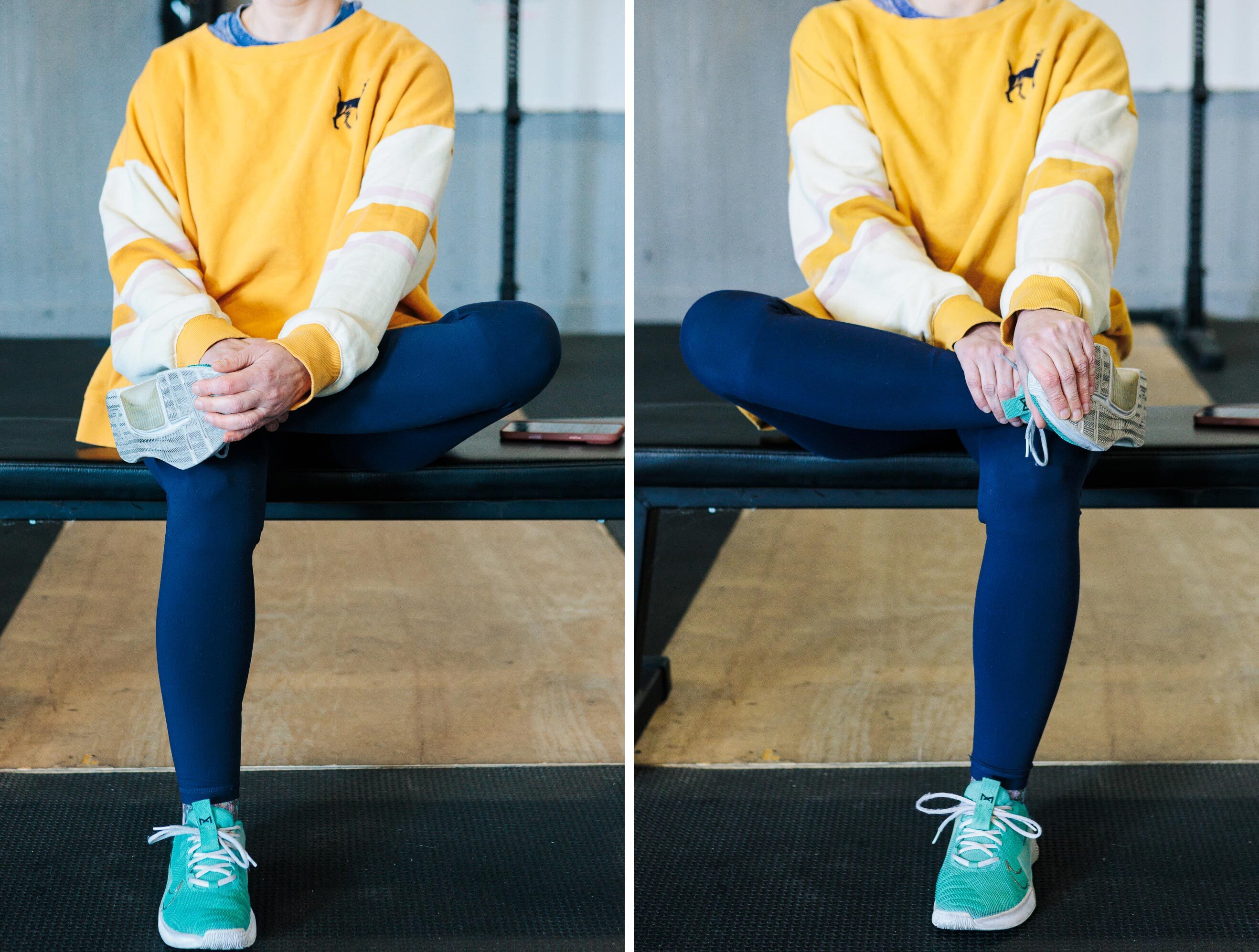
To combat morning pain, patients should perform a passive stretch before their feet touch the floor. By sitting on the edge of the bed and pulling the toes back toward the shin, the fascia is gently elongated, increasing blood flow and reducing the shock of the first step.
2. Myofascial Release (Massage)
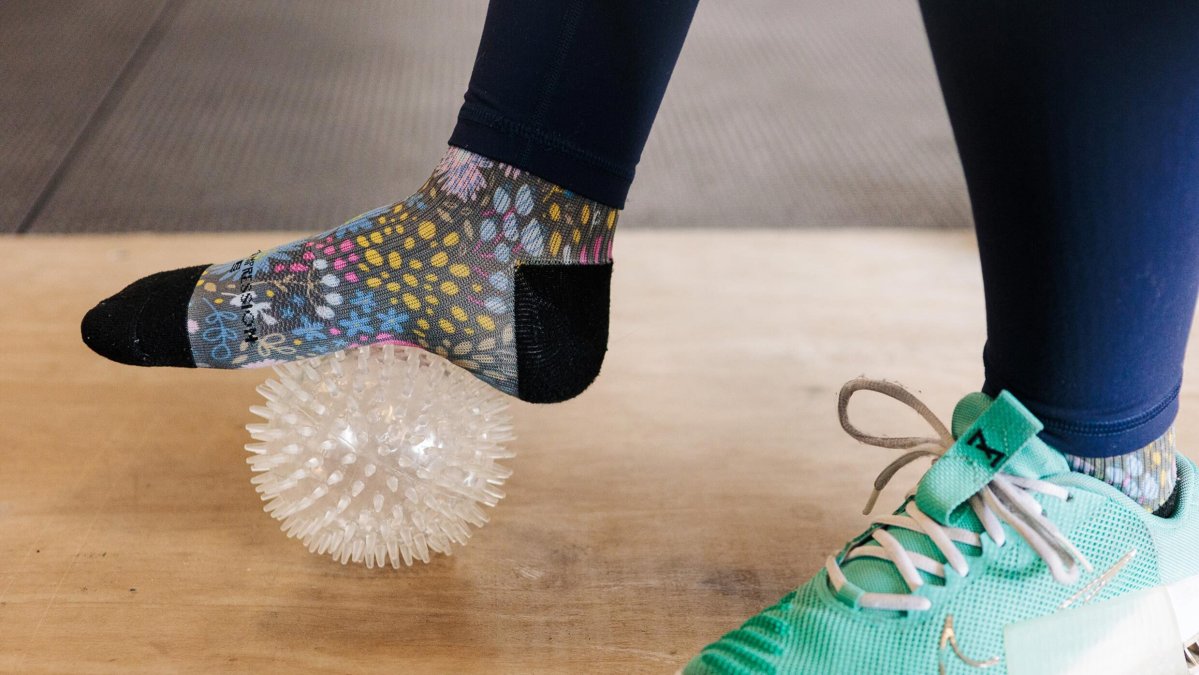
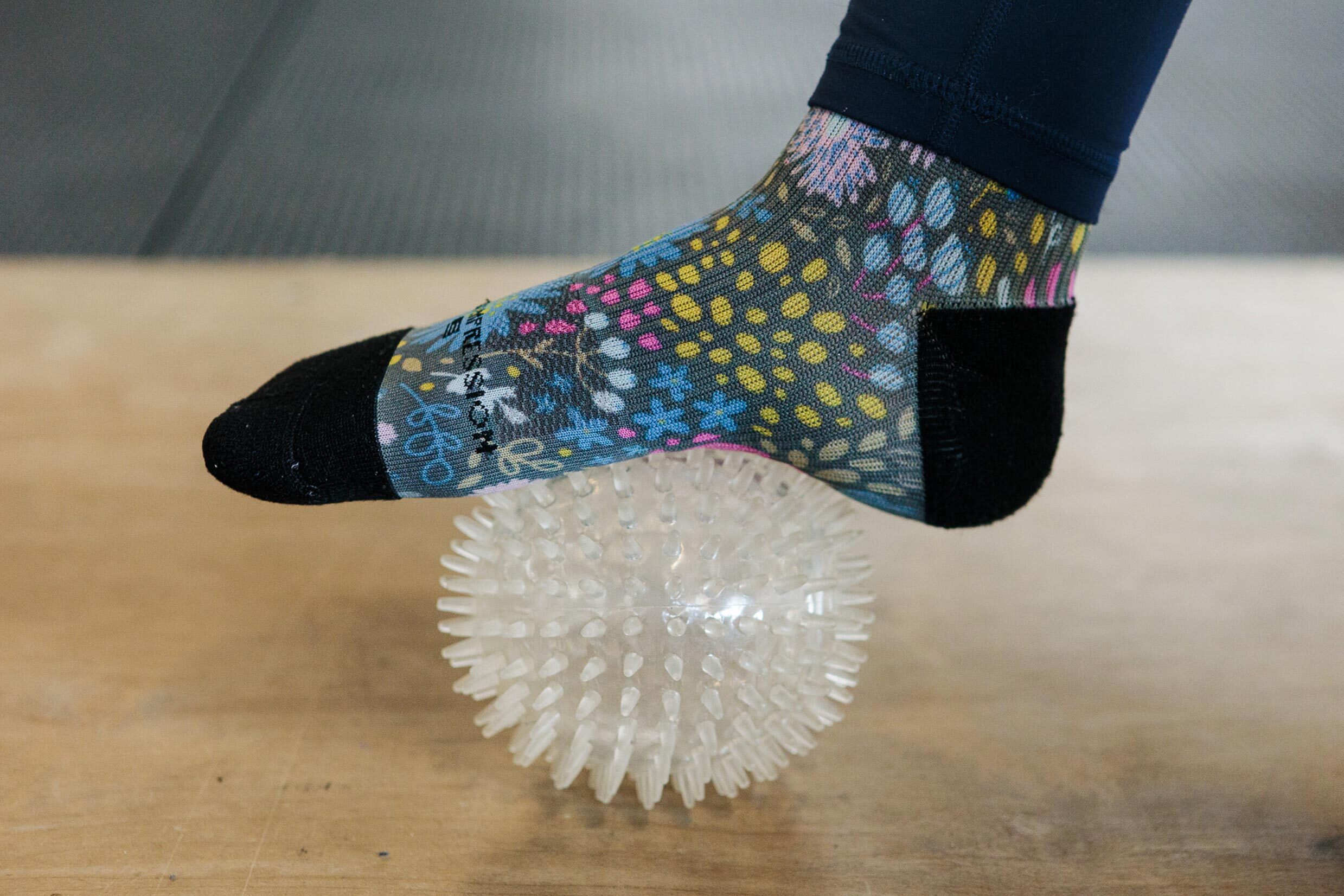
Using a firm object, such as a lacrosse ball or a specialized spiky massage ball, individuals can perform myofascial release. Rolling the foot over the ball helps break up adhesions in the tissue and promotes circulation. This should be performed for two to three minutes per foot.
3. Progressive Heel Raises
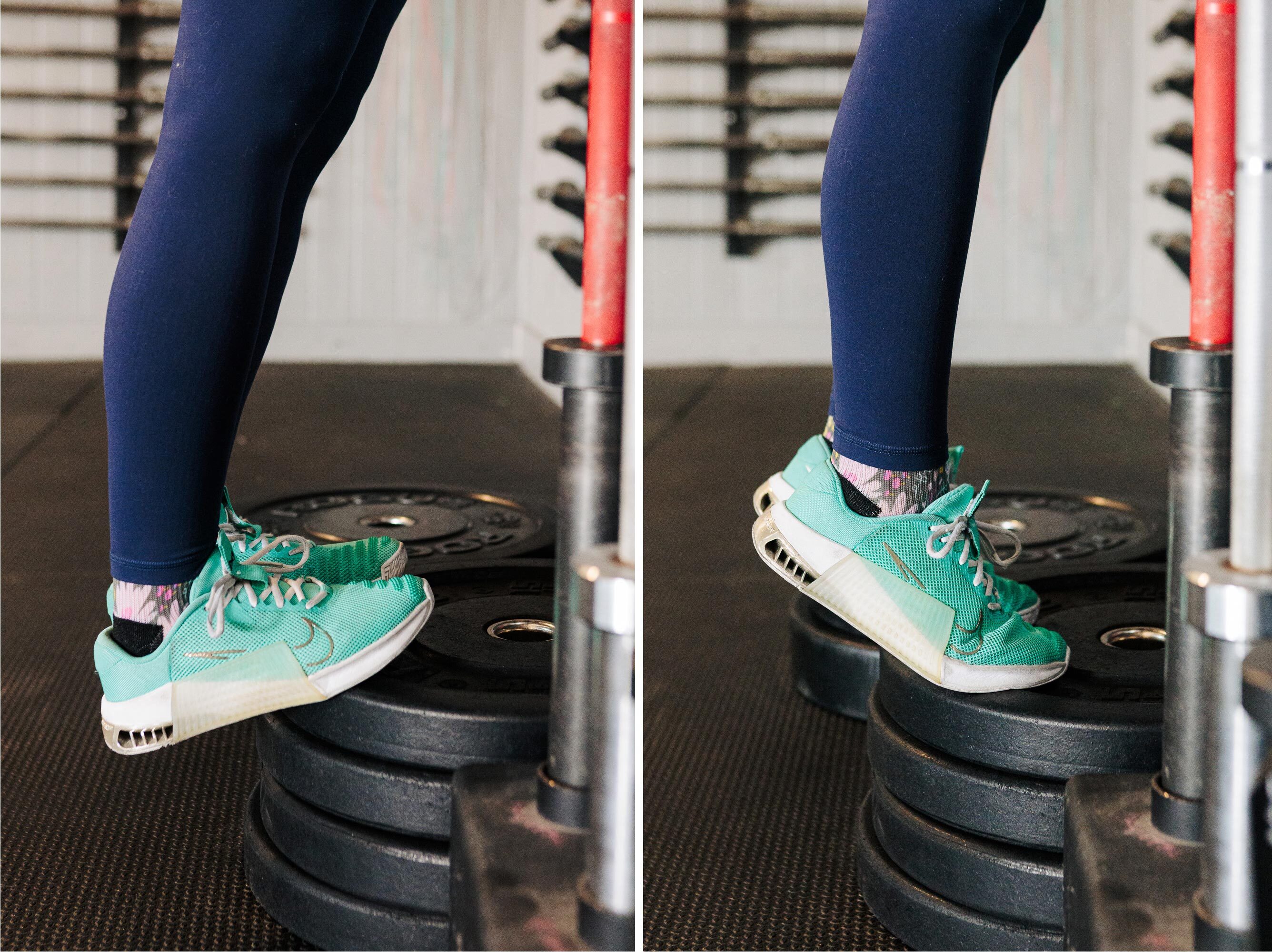
Strengthening the calves is vital for offloading the plantar fascia. Standing on the edge of a step, individuals should slowly raise and lower their heels. Research indicates that "high-load strength training," which involves performing these raises with a towel under the toes to further stretch the fascia, can significantly accelerate recovery.
4. Ankle Inversion with Resistance
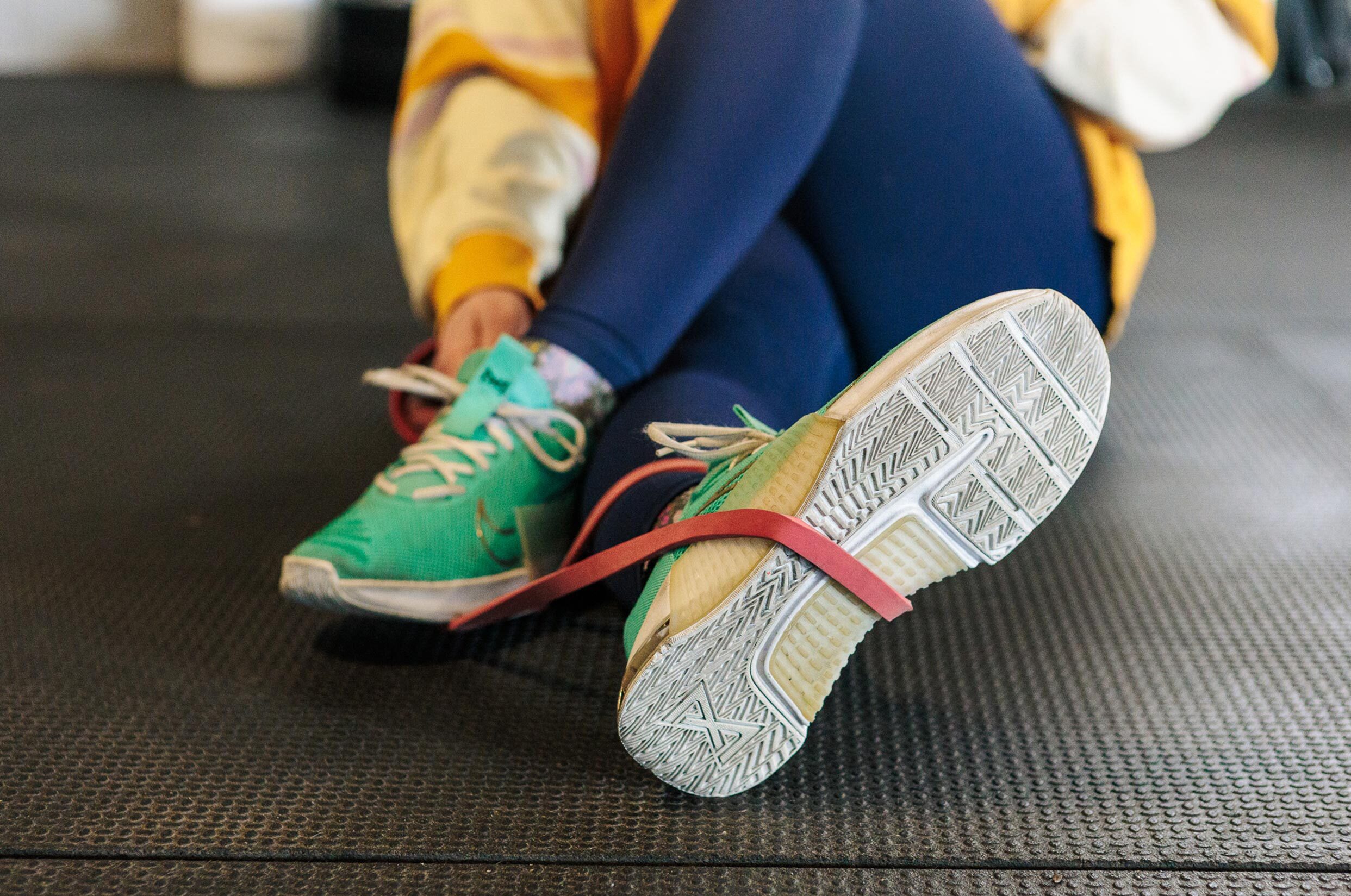
Using a resistance band, patients can strengthen the posterior tibialis, a muscle that plays a crucial role in supporting the arch. By pulling the foot inward against the band’s resistance while keeping the leg still, the stabilizer muscles are fortified.
5. Intrinsic Muscle Strengthening (Towel Scrunches)
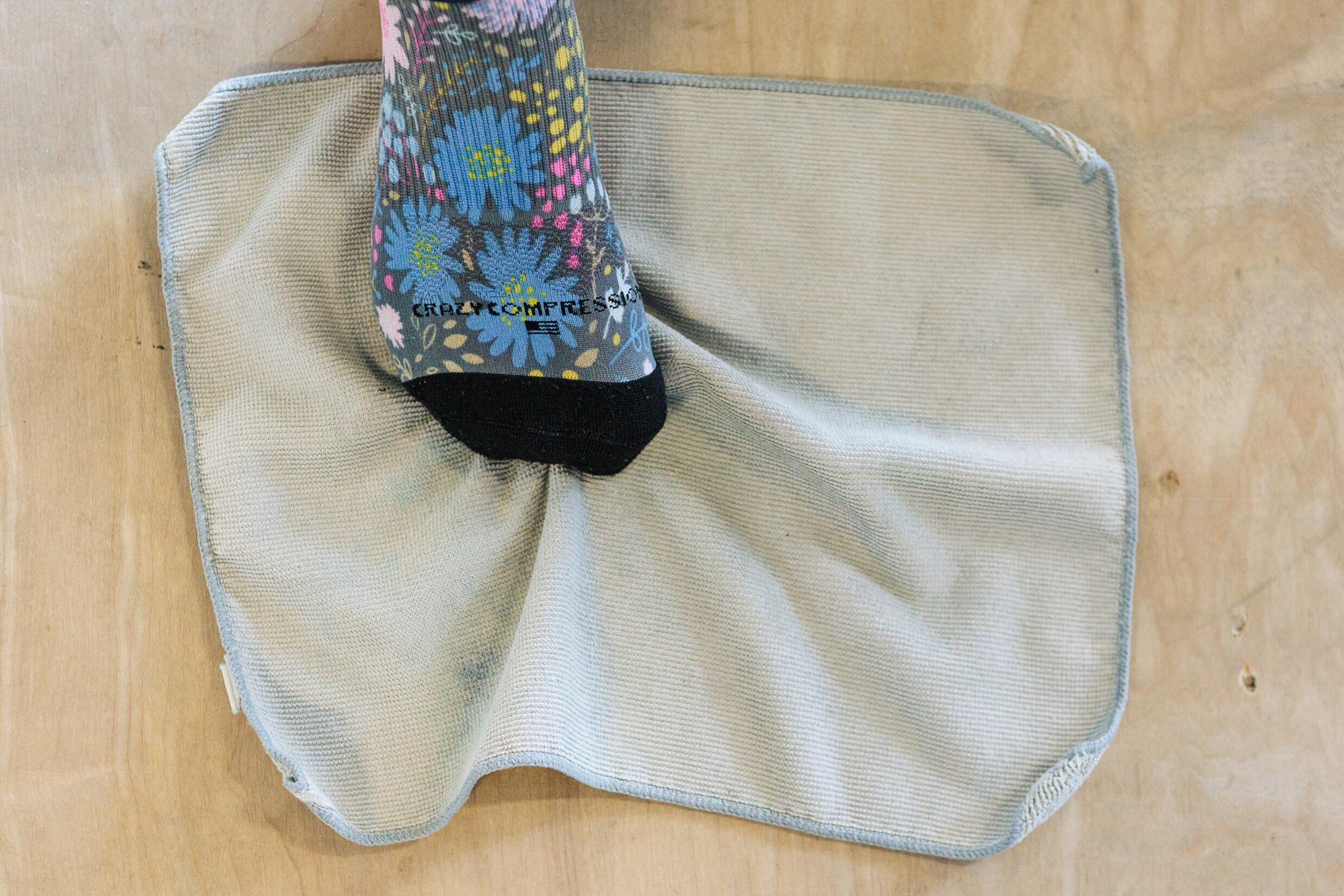
The "intrinsic" muscles are the small muscles located entirely within the foot. To strengthen them, place a towel flat on the floor and use the toes to scrunch it toward the heel. This exercise builds the "muscle memory" needed to maintain the arch during dynamic movement.
6. Targeted Calf Stretching
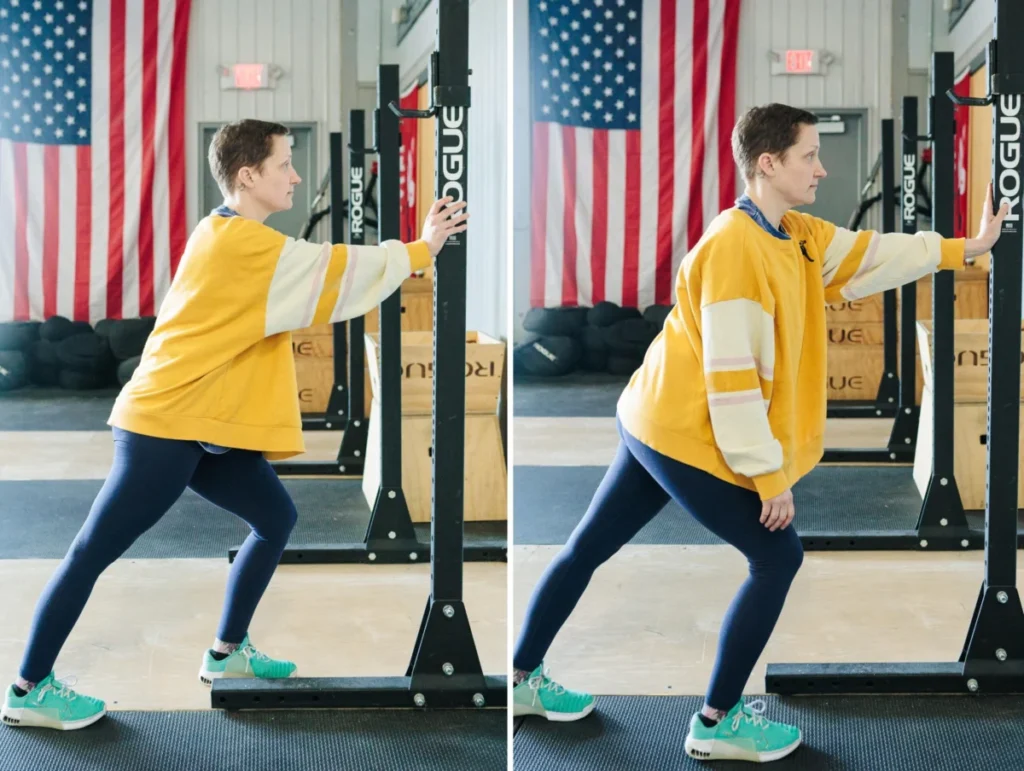
Tightness in the gastrocnemius and soleus muscles is a primary driver of plantar tension. Schroeder recommends two versions of the wall-facing calf stretch: one with a straight knee to target the gastrocnemius and one with a slightly bent knee to target the deeper soleus muscle.
Broader Health Implications and Analysis
The implications of plantar fasciitis extend into the realms of public health and economic productivity. Chronic foot pain is a leading cause of sedentary behavior among middle-aged adults, which in turn increases the risk of cardiovascular disease, obesity, and type 2 diabetes. Furthermore, for the workforce, particularly those in healthcare, hospitality, and construction, the condition can lead to significant lost workdays and decreased occupational efficiency.
From a clinical perspective, the shift from viewing the condition as a simple inflammatory issue to a degenerative one has changed the way medical professionals approach treatment. Modern interventions, such as Extracorporeal Shockwave Therapy (ESWT) and platelet-rich plasma (PRP) injections, are now being used for recalcitrant cases to stimulate a healing response in the degenerated tissue. However, the consensus among physical therapists remains that conservative management through footwear education, load management, and targeted exercise remains the gold standard for the vast majority of the population.
In conclusion, plantar fasciitis is a manageable and preventable condition, provided that individuals remain attentive to the "constellation of factors" that drive its onset. By prioritizing supportive footwear, monitoring physical workloads, and maintaining the flexibility of the posterior chain, the 10 percent of the population at risk can mitigate the impact of this pervasive ailment and ensure continued mobility throughout their adult lives.