


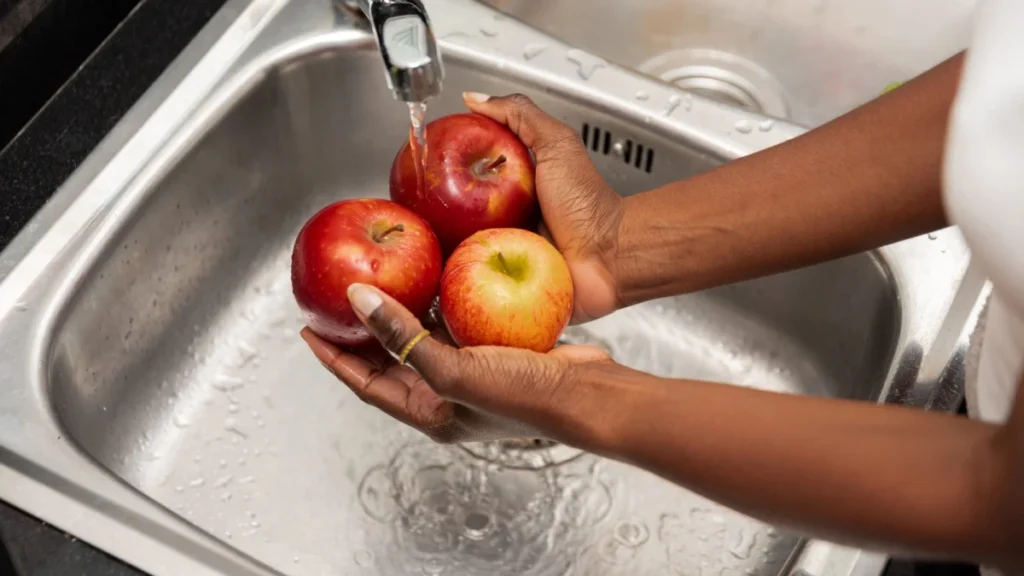
Agricultural researchers at the University of British Columbia (UBC) have developed a groundbreaking, biodegradable produce wash that addresses two of the most pressing challenges in the modern food supply chain: chemical pesticide residues and the rapid spoilage of fresh fruits and vegetables. The study, led by Dr. Tianxi Yang, a scientist within the UBC Faculty of Land and Food Systems, introduces a naturally sourced solution capable of removing between 86 and 94 percent of surface pesticides while simultaneously acting as a "breathable second skin" that keeps produce fresh for significantly longer periods. Published in the prestigious journal ACS Nano, the research highlights a paradigm shift in food safety and preservation, utilizing simple, cost-effective ingredients like starch, iron, and tannic acid to achieve results that far surpass traditional water rinsing or existing industrial treatments.
The Chemistry of the Starch-Iron-Tannic Complex
The core innovation of the UBC wash lies in its unique molecular composition. The research team focused on creating a solution that was not only effective but also entirely safe for human consumption. The primary ingredient is starch, a carbohydrate commonly extracted from potatoes, corn, and various grains. While starch is often used as a thickening agent in culinary applications, the UBC team processed it to extract specific particles that could serve as a carrier for other active ingredients.
These starch particles were combined with iron and tannic acid. Tannic acid is a naturally occurring polyphenol found in various plants, most notably in tea, grapes, and the wood of certain trees. It is responsible for the astringency in dry wines. When iron and tannic acid are mixed, they form a metal-polyphenol network. This network possesses high adhesive properties, allowing it to latch onto pesticide molecules that are often designed to be water-resistant so they remain on crops during rainfall. By creating a solution that seeks out and binds to these chemicals, the UBC team has bypassed the limitations of water-only washing, which often leaves significant chemical residues behind.
Furthermore, when fruit is dipped in this solution, the mixture forms an ultra-thin, invisible coating. This coating serves a dual purpose: it acts as a barrier against microbial growth and regulates the exchange of gases and moisture between the fruit and its environment. Dr. Yang describes this as a "breathable second skin" that maintains the internal pressure and hydration of the produce, preventing the shriveling and browning typically associated with decay.
Addressing the Global Crisis of Food Waste
The development of this wash comes at a critical time for global food security and environmental sustainability. In the United States alone, it is estimated that between 30 and 40 percent of the food supply is wasted annually, amounting to approximately 133 billion pounds of food worth over $161 billion. Much of this waste occurs at the retail and consumer levels, where produce is discarded due to minor blemishes, browning, or loss of turgidity.
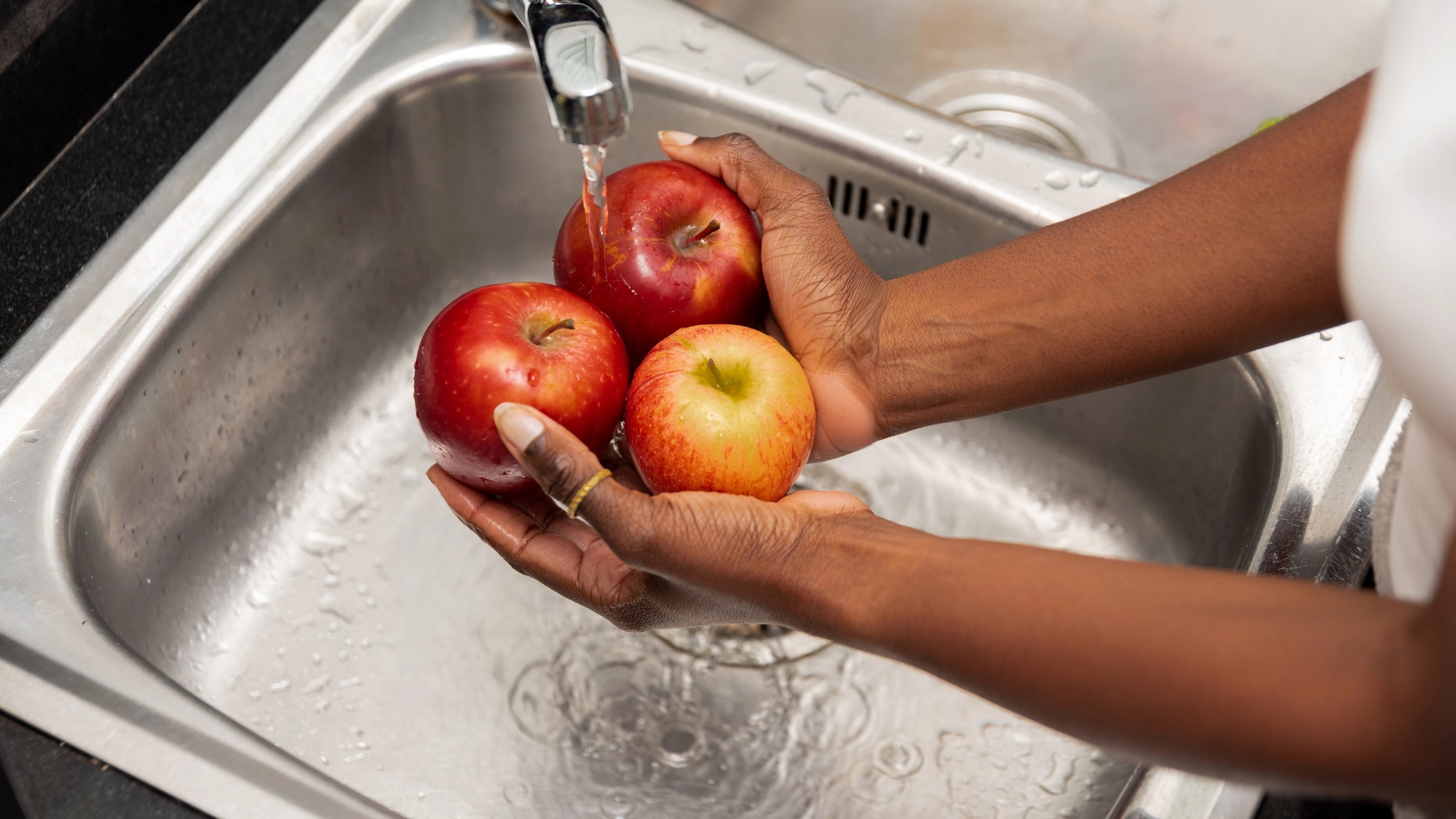
On a global scale, the Food and Agriculture Organization (FAO) of the United Nations reports that roughly one-third of all food produced for human consumption is lost or wasted. The environmental impact of this waste is staggering; it accounts for an estimated 8 to 10 percent of global greenhouse gas emissions. By extending the shelf life of highly perishable items like grapes and apples, the UBC solution could provide a vital tool in reducing the carbon footprint of the agricultural sector.
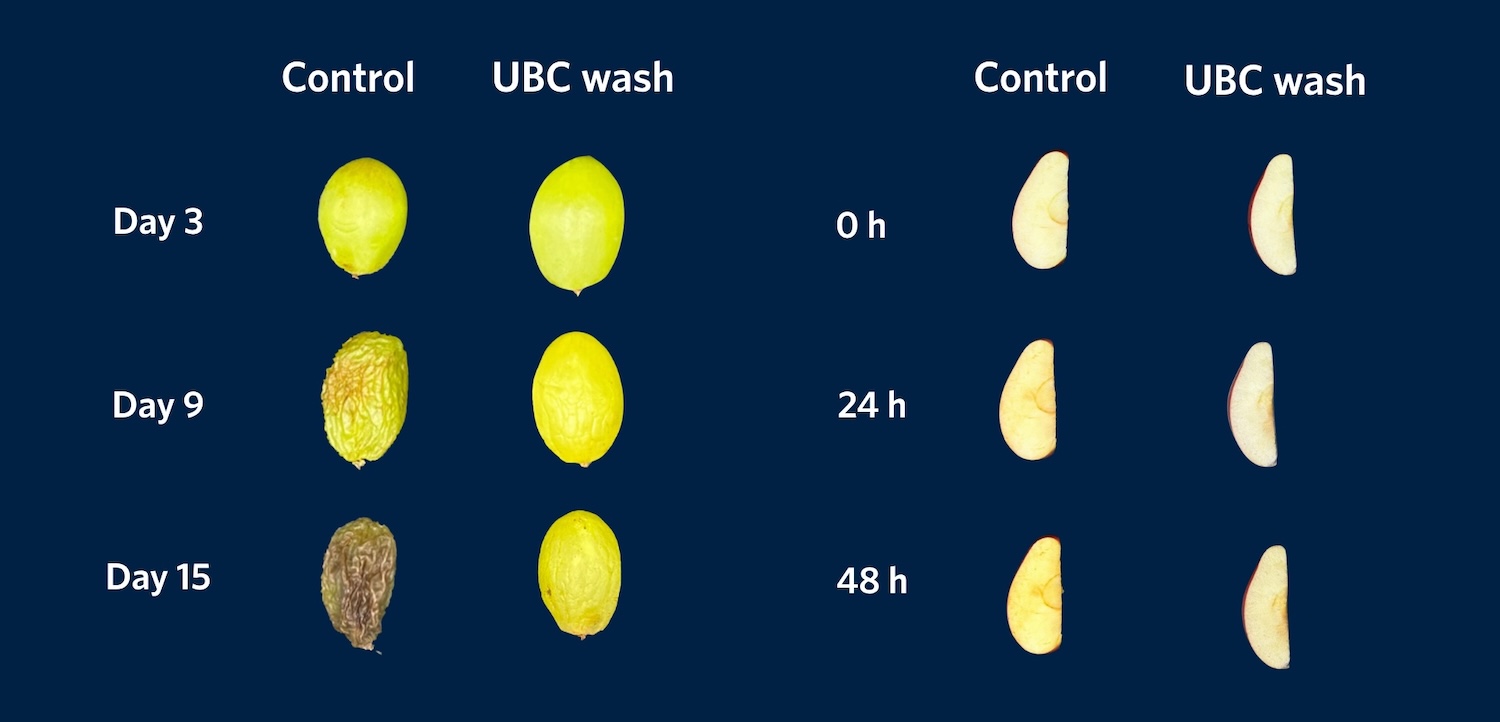
The UBC study demonstrated that grapes treated with the solution remained plump and hydrated for up to 15 days, whereas untreated grapes showed significant moisture loss and signs of rot within the same period. For cut apples, which are notoriously prone to enzymatic browning (oxidation), the treatment significantly delayed the discoloration process, even when stored in standard refrigeration.
Comparative Performance and Data-Driven Results
To validate the efficacy of the new wash, the UBC researchers conducted a series of rigorous laboratory tests. They applied three common agricultural pesticides to apples at a concentration of 10 milligrams per liter—a standard used in many industrial toxicity assessments. The performance of the starch-based rinse was then measured against that of a standard water rinse, which remains the most common method of cleaning produce in both homes and industrial settings.
The results were definitive. The starch-based solution removed 86 to 94 percent of the pesticides from the surface of the apples. In contrast, the water rinse removed less than 50 percent of the chemicals. This disparity highlights the "pesticide paradox" facing consumers: while health organizations encourage the consumption of fresh produce, the chemicals used to protect those crops during growth are often difficult to remove with traditional methods.
Beyond pesticide removal, the researchers monitored "quality markers" such as acidity and soluble sugar levels. In many preservation methods, the fruit’s flavor profile degrades as it ages. However, the UBC team found that fruit treated with their coating maintained higher levels of sugars and acidity compared to the control group. This suggests that the coating does not just preserve the appearance of the fruit, but also its nutritional and organoleptic (sensory) qualities.
A Solution for the Pesticide Dilemma
The presence of pesticide residues on produce is a major public health concern. While regulatory bodies like the EPA and the FDA set "maximum residue limits" (MRLs), many consumers remain wary of long-term exposure to synthetic chemicals. Common pesticides, including organophosphates and carbamates, have been linked to various health issues ranging from endocrine disruption to neurological developmental delays in children.

Existing commercial produce washes are available on the market, but many are expensive or contain synthetic surfactants that consumers may find unappealing. The UBC wash offers a "green" alternative that utilizes ingredients already present in the human diet. The addition of iron to the formula even offers a potential, albeit minor, nutritional benefit, as iron is a vital mineral often lacking in certain populations.
"People shouldn’t have to choose between eating fresh produce and worrying about what’s on it," Dr. Yang stated. The goal of the research was to democratize food safety by creating a wash that is as safe as the food it cleans.
Economic Scalability and Industry Integration
For any scientific breakthrough to have a real-world impact, it must be economically viable for large-scale adoption. The researchers at UBC were mindful of this from the project’s inception. Because the primary ingredients—starch, tannic acid, and iron—are abundant and relatively inexpensive, the cost of the wash is remarkably low.
Preliminary economic assessments suggest that the treatment would add approximately three cents to the cost of an individual apple. This price point is comparable to the synthetic wax coatings currently used by the apple industry to improve appearance and prevent moisture loss. However, unlike paraffin or petroleum-based waxes, the UBC coating is entirely biodegradable and provides the added benefit of pesticide removal.
In an industrial setting, the wash could be integrated into existing "packing house" workflows. Currently, most commercial produce undergoes a series of washes and sprays before being boxed for shipment. The UBC solution could be applied during the final rinse stage or as a specialized dip. Because it is naturally sourced, it may also appeal to the organic food industry, which has stricter limitations on the types of preservatives and cleaners that can be used.
From Lab to Kitchen: Future Consumer Applications
While the primary focus is currently on industrial and agricultural applications, the researchers envision a future where this technology is available directly to consumers. The formula could potentially be manufactured as a concentrated spray, a dissolvable tablet, or a liquid rinse for home use.
The timeline for commercial availability depends on further testing and regulatory approvals. The research team is looking into how the wash performs on a wider variety of produce, including leafy greens and berries, which have more complex surface textures than apples and grapes. Leafy greens are particularly susceptible to bacterial contamination, such as E. coli and Salmonella. Initial tests indicate that the coating’s antimicrobial properties could be a game-changer for the "pre-washed" salad industry, which has been plagued by frequent recalls in recent years.
Broader Implications for Sustainable Agriculture
The UBC breakthrough represents a holistic approach to food science. By combining chemical removal with shelf-life extension, the researchers have created a multi-functional tool that serves the interests of farmers, retailers, and consumers alike.
From a logistics perspective, extending the shelf life of produce by even a few days can significantly reduce the pressure on cold-chain transportation. It allows for longer shipping durations, potentially opening up new markets for small-scale farmers who previously could not export their goods due to spoilage risks.
As the global population continues to grow, the pressure on the food system will only increase. Solutions that maximize the utility of existing harvests are essential for a sustainable future. The UBC starch-based wash stands as a testament to how "simple" ingredients, when viewed through the lens of advanced molecular engineering, can provide elegant solutions to some of the world’s most complex problems.
The research conducted by Dr. Yang and his colleagues at the University of British Columbia provides a blueprint for the next generation of food safety products. It moves away from synthetic interventions and toward a bio-based economy where the tools we use to protect our food are as natural as the food itself. With its high efficacy in pesticide removal and its proven ability to combat food waste, this all-natural wash is poised to become a standard-setter in the agricultural industry.