



The architectural silhouette of the modern metropolis has long been defined by the cold, rigid strength of steel and the gray ubiquity of concrete. For over a century, these materials have allowed humans to reach unprecedented heights, creating the "concrete jungles" that define 20th-century urbanism. However, as the global community grapples with a climate crisis fueled by industrial carbon emissions, a quiet revolution is taking root in the construction industry. Architects, engineers, and urban planners are increasingly looking backward to move forward, returning to one of humanity’s oldest building materials: wood. This shift is not a return to the fragile timber frames of the past but an embrace of "mass timber"—an engineered wood technology that promises to transform skyscrapers into carbon-sequestering giants.
The Evolution of Structural Flexibility
The inspiration for this movement begins in the natural world. In a wind-swept forest, pines and firs demonstrate an ancient evolutionary adaptation: oscillation. If trees were perfectly stiff, the immense pressure of a gale would snap their trunks. Instead, they flex and sway, dissipating kinetic energy through movement. This principle of flexibility was the very catalyst for the early 20th-century skyscraper. As towers reached higher into the sky, architects moved away from brittle masonry toward steel, which allowed structures to bend slightly under hurricane-force winds or during seismic events.
Today, mass timber is taking this concept a step further. Unlike traditional lumber, mass timber consists of engineered products such as Cross-Laminated Timber (CLT) and Glue-Laminated Timber (Glulam). These materials are created by bonding layers of wood together with structural adhesives, often with the grain of each layer oriented perpendicular to the next. This cross-hatching creates a material that is lightweight yet possesses a strength-to-weight ratio comparable to steel and concrete.
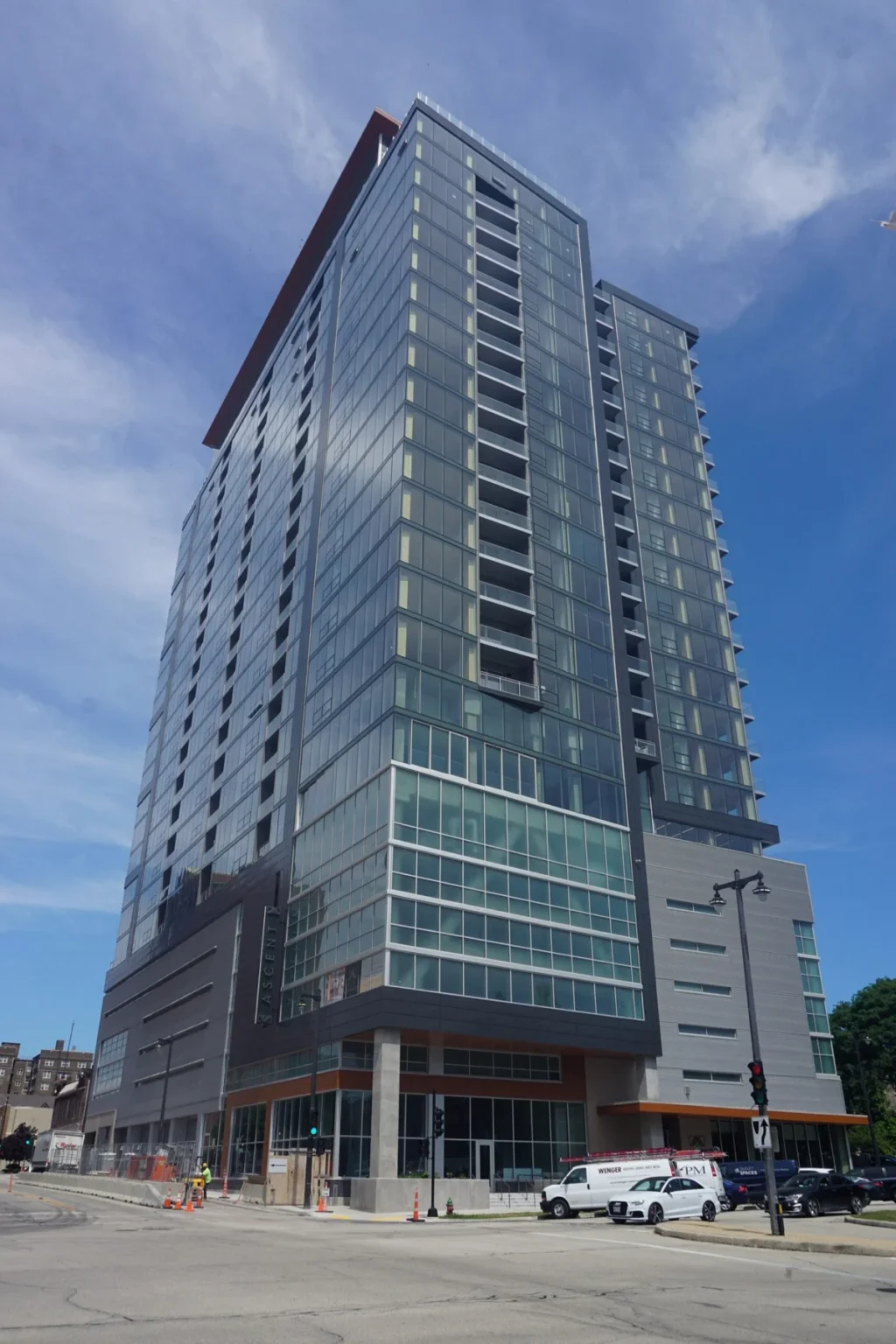
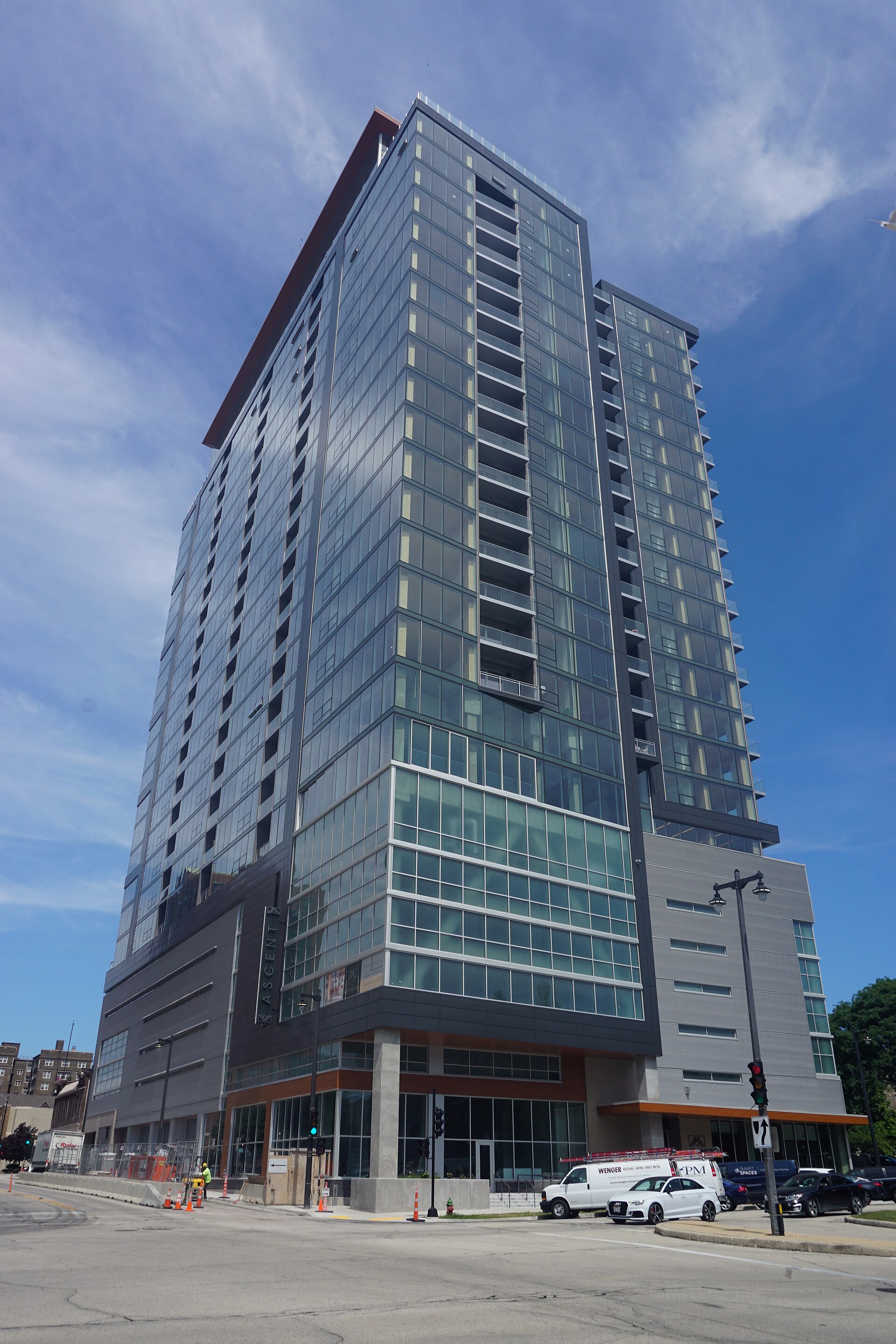
The completion of the Ascent MKE building in Milwaukee, Wisconsin, in 2022 marked a pivotal moment for this technology. Standing at 284 feet and 25 stories, it currently holds the record for the world’s tallest timber-concrete hybrid building. The project demonstrated that wood is no longer relegated to single-family homes or low-rise apartments; it is a viable contender for the high-density urban core.
The Environmental Imperative: Carbon Sequestration vs. Emission
The primary driver behind the mass timber movement is the urgent need to decarbonize the construction sector. According to the International Energy Agency (IEA), the building and construction industry is responsible for nearly 40% of global energy-related CO2 emissions. A significant portion of this is "embodied carbon"—the emissions generated during the manufacturing, transportation, and assembly of building materials.
The production of steel and concrete is notoriously carbon-intensive. Cement production alone accounts for approximately 8% of global CO2 emissions due to the high heat required for kilns and the chemical reactions involved in the process. Conversely, trees act as natural carbon sinks. Through photosynthesis, they capture carbon dioxide from the atmosphere and store it within their fibers. When a tree is harvested and processed into mass timber, that carbon is "locked" into the building’s structure for the duration of its lifespan.
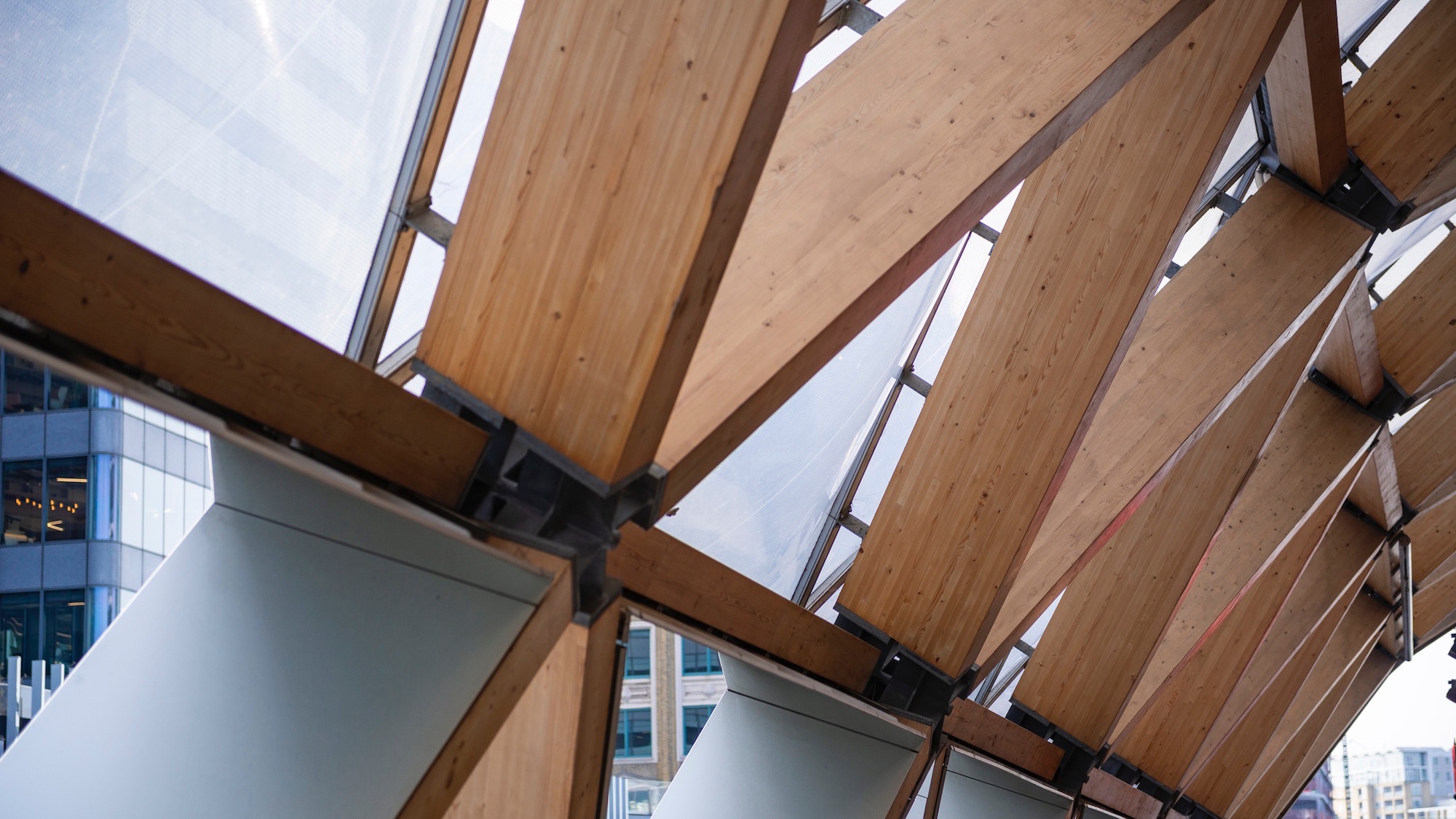
Research suggests that using mass timber can reduce the carbon footprint of a building’s structure by up to 26.5% compared to traditional materials. Furthermore, because mass timber components are prefabricated in factories and assembled on-site, the construction process is faster, quieter, and requires fewer heavy vehicle movements, further reducing localized environmental impacts.
Engineering Resilience: The Hive and Seismic Innovation
A common misconception regarding wooden skyscrapers is that they are structurally inferior to their steel counterparts, particularly in earthquake-prone regions. Recent engineering breakthroughs are proving the opposite. In Vancouver, British Columbia—a city located in a high-seismic zone—crews recently completed "The Hive," a 10-story office building. It is currently North America’s tallest brace-framed, seismic-force-resisting timber structure.
The Hive utilizes advanced Tectonus dampers, which function as massive mechanical shock absorbers. During an earthquake, these devices dissipate energy and ensure the building returns to its center, preventing the catastrophic structural failure that can occur with more rigid materials.
Beyond individual buildings, large-scale testing is validating the durability of timber. At the University of California, San Diego, researchers conducted the "NHERI TallWood" project, subjecting a full-scale 10-story mass timber building to 88 simulated earthquakes on a massive shake table. The structure featured a "rocking wall" system—a mass timber core anchored by high-strength steel rods that allow the building to tilt and reset during a tremor. Shiling Pei, a professor of civil and environmental engineering at the Colorado School of Mines, noted that the building survived the simulations with no structural damage, performing "phenomenally" under stress.
A Chronology of the Mass Timber Ascent
The trajectory of wood in construction has followed a distinct path from ancient necessity to modern innovation:
- Pre-19th Century: Timber is the dominant building material globally, used for everything from Japanese pagodas to European cathedrals.
- Late 1800s: Great fires in cities like Chicago and London lead to strict building codes favoring non-combustible materials like stone, brick, and eventually steel.
- 1990s: Cross-Laminated Timber (CLT) is developed in Austria and Germany, providing a high-strength alternative to traditional lumber.
- 2010s: The "Plyscraper" era begins with projects like the 10-story Forte in Melbourne (2012) and the 18-story Treet in Norway (2015).
- 2021-2022: The International Building Code (IBC) is updated to allow mass timber buildings up to 18 stories, clearing the regulatory path for taller structures.
- Present Day: Projects like Ascent MKE and The Hive push the boundaries of height and seismic engineering, while cities like Vancouver and Amsterdam mandate or incentivize timber construction.
Addressing Fire Safety and Forestry Management
The most frequent question regarding wooden skyscrapers concerns fire safety. It is a logical concern, given the history of urban conflagrations. However, mass timber behaves differently than the thin "stick-frame" lumber used in residential housing. When exposed to fire, heavy timber beams undergo a process called "charring." The outer layer burns and forms a protective black coating of carbon, which insulates the inner core of the wood from the heat. This allows the beam to maintain its structural integrity for hours, often outperforming unprotected steel, which can melt and collapse suddenly under high temperatures.
Building regulators, such as those in British Columbia, have rigorous testing requirements. Mass timber structures must meet the same fire-resistance ratings as concrete and steel buildings. This is achieved through a combination of the natural charring property, fire-resistant coatings, and high-tech sprinkler systems.
Furthermore, the rise of mass timber offers a unique opportunity for forest management. Because mass timber can be manufactured from small- and medium-diameter trees, it provides an economic incentive for "thinning" forests. This practice, often supported by agencies like the U.S. Forest Service, helps reduce the fuel load in overgrown forests, thereby mitigating the risk of catastrophic wildfires. By creating a market for lower-value wood, mass timber supports sustainable forestry that mimics natural ecological cycles.
The Biophilic Effect: The Human Element of Design
Beyond the technical and environmental metrics, there is a psychological component to the mass timber movement. "Biophilia" is the hypothesis that humans possess an innate tendency to seek connections with nature. In modern architecture, this translates to the use of natural materials, light, and vegetation to improve the well-being of occupants.
Architects like Katie Mesia of Gensler highlight the "tactile quality" of wood. Unlike the sterile feel of concrete or the coldness of steel, exposed wood creates a warm, inviting atmosphere. Studies have suggested that environments with natural wood elements can lower heart rates, reduce stress, and increase productivity. As urban centers become more crowded and digitized, the integration of nature into the built environment is increasingly viewed as a necessity for public health rather than a luxury.
Future Implications for Urbanization
The shift toward mass timber is not merely a trend; it is a fundamental reimagining of how we build for a growing population. As global urbanization continues, the world will need to build the equivalent of a New York City every month for the next 40 years to house everyone. If this expansion is done entirely with steel and concrete, the resulting carbon emissions could make climate targets impossible to reach.
Mass timber offers a path to sustainable density. While it is not a "silver bullet"—timber buildings still require concrete foundations and steel connectors—it represents a significant reduction in the environmental cost of construction. As Alessandro Palermo, a structural engineer at UC San Diego, emphasizes, the goal is to build structures that are both sustainable and resilient. By capturing carbon in the very walls of our homes and offices, we can turn our cities from carbon sources into carbon sinks, effectively "growing" the skylines of the future.