



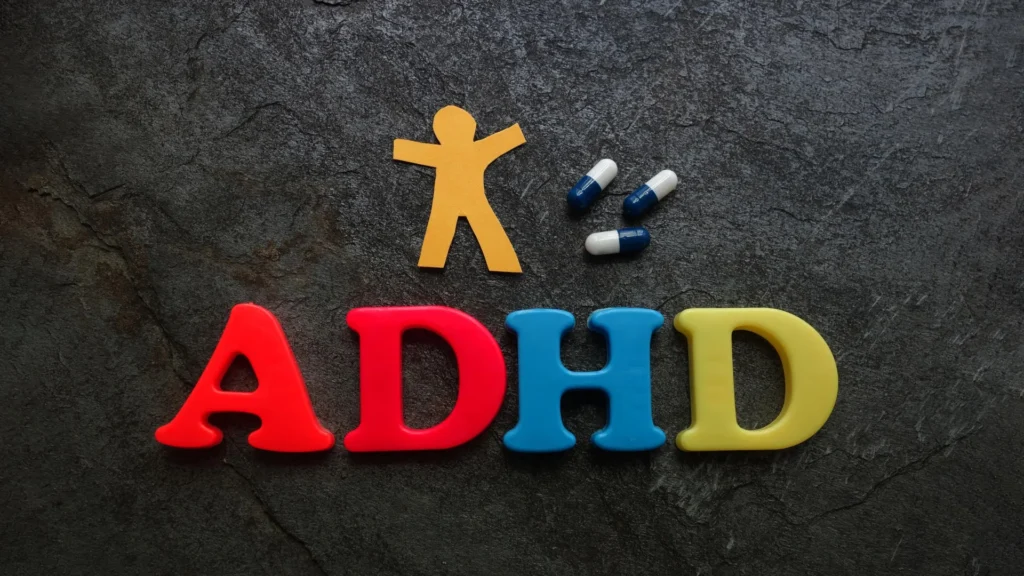
A groundbreaking study led by Stanford Medicine researchers has uncovered a significant discrepancy in the treatment of young children diagnosed with attention deficit/hyperactivity disorder (ADHD). The findings, published on August 29 in JAMA Network Open, reveal that a substantial number of 4- and 5-year-olds are being prescribed medication almost immediately following their diagnosis, a practice that directly contradicts established guidelines from the American Academy of Pediatrics (AAP). This revelation highlights a critical gap in pediatric care, potentially impacting the long-term well-being of thousands of young patients across the United States.
The Alarming Findings: A Gap in Care
The comprehensive analysis of nearly 10,000 medical records from young children with ADHD, drawn from eight pediatric health networks nationwide, presents a stark picture. Dr. Yair Bannett, assistant professor of pediatrics and the study’s lead author, articulated the core concern: "We found that many young children are being prescribed medications very soon after their diagnosis of ADHD is documented. That’s concerning, because we know starting ADHD treatment with a behavioral approach is beneficial; it has a big positive effect on the child as well as on the family."
Specifically, the study reported that 42.2% of the children — over 4,000 young patients within the sample — received medication prescriptions within a mere month of their ADHD diagnosis. In stark contrast, only 14.1% of these children were first prescribed medication more than six months after their diagnosis. Given that AAP guidelines unequivocally recommend a six-month trial of behavior therapy before considering medication for this age group, the data strongly suggests a widespread deviation from best practices. While the researchers did not have direct access to data on referrals to behavioral therapy, the rapid prescription rates for medication imply that many children are bypassing the initial, recommended therapeutic phase. Previous research from 2021, though smaller in scale, further supports this trend, indicating that only about 11% of families actually received behavior therapy in alignment with guidelines.
This trend extends even to preschoolers who did not initially meet the full diagnostic criteria for ADHD but showed some symptoms, with 22.9% of this subgroup also receiving medication within 30 days. The implications are profound, questioning the efficacy and safety of current treatment pathways for one of the most vulnerable patient populations.
Diverging from Guidelines: The AAP’s Stance
The American Academy of Pediatrics, a leading authority on child health, has long advocated for a specific, stepped approach to ADHD treatment in preschool-aged children (4-5 years old). These evidence-based guidelines, developed after extensive review of scientific literature, explicitly state that parent training in behavior management should be the first line of treatment. Medication, particularly stimulant medication, is recommended only if behavioral interventions prove insufficient after a trial period, typically six months.
The rationale behind these guidelines is multifaceted. Firstly, behavioral therapy, when effectively implemented, equips both children and their parents with essential coping mechanisms and strategies that foster long-term positive habits and family dynamics. Secondly, young children’s physiology differs significantly from that of older children and adults. Their bodies do not metabolize stimulant medications as fully or predictably, leading to a higher likelihood of adverse side effects. Dr. Bannett emphasized this point, noting that while there aren’t concerns about the toxicity of these drugs for 4- and 5-year-olds, "there is a high likelihood of treatment failure, because many families decide the side effects outweigh the benefits." These side effects can include increased irritability, emotional lability, and aggression, which can be distressing for both the child and their family, often leading to discontinuation of treatment.
Understanding ADHD in Early Childhood
ADHD is a neurodevelopmental disorder characterized by persistent patterns of inattention, hyperactivity, and impulsivity that interfere with functioning or development. While it is commonly associated with school-aged children, its manifestations can be observed much earlier. Diagnosing ADHD in preschoolers can be challenging, as some of its core symptoms—such as high energy levels, short attention spans, and occasional impulsivity—can overlap with typical preschooler behavior. However, when these behaviors are severe, pervasive, and developmentally inappropriate, causing significant impairment in multiple settings (e.g., home, preschool), an ADHD diagnosis may be warranted.
Early identification and intervention are crucial. Dr. Bannett highlighted the long-term benefits: "It’s important to catch it early because we know these kids are at higher risk for having academic problems and not completing school." Effective early treatment not only improves academic performance but also prepares individuals with ADHD for successful adulthood, impacting areas such as employment stability, healthy relationships, and adherence to legal norms. The prevalence of ADHD in preschool-aged children is estimated to be around 2-5%, representing a significant population in need of careful and guideline-adherent care. The study’s finding that 1.4% of the initial sample of 3-5 year olds received an ADHD diagnosis aligns with general prevalence estimates for this age group, underscoring the relevance of its findings to a substantial number of families.
Behavioral Therapy: The Recommended First Line
Behavioral therapy, specifically parent training in behavior management (PTBM), is the cornerstone of initial ADHD treatment for preschoolers. This evidence-based approach focuses on modifying the child’s environment and the parents’ responses to improve behavior. Dr. Bannett elaborated, stating, "Behavioral treatment works on the child’s surroundings: the parents’ actions and the routine the child has."
PTBM empowers parents with practical strategies to:
- Build Positive Relationships: Fostering strong, nurturing bonds with their children.
- Reinforce Positive Behaviors: Using praise, rewards, and structured incentives to encourage desired actions.
- Manage Challenging Behaviors: Learning techniques to effectively address and reduce negative behaviors, such as selective ignoring or time-outs, rather than relying solely on punishment.
- Implement Organizational Tools: Utilizing visual schedules, clear routines, and consistent expectations to help children with ADHD manage transitions and tasks, which can be particularly challenging due to difficulties with executive function.
Unlike medication, which provides symptomatic relief that wanes with each dose, behavioral therapy teaches enduring skills to both the child and family. These skills are designed to be sustainable, adaptable, and beneficial across various life stages, fostering self-regulation and improved family functioning.
Medication in Young Children: Risks and Realities
While medication, primarily stimulant-based drugs like methylphenidate or amphetamines, effectively reduces ADHD symptoms such as hyperactivity and inattention, its role in very young children is distinct. As previously noted, the developing physiology of 4- and 5-year-olds makes them more susceptible to side effects. These can include appetite suppression, sleep disturbances, stomach aches, headaches, and, critically, emotional lability, irritability, and increased aggression. The transient nature of medication’s effects, lasting only as long as the drug is active in the body, means it does not impart the foundational life skills that behavioral therapy provides.
For older children (ages 6 and above), the AAP recommends a combination of behavioral therapy and medication, recognizing the complementary strengths of both approaches. Medication can help manage core symptoms, making the child more receptive to learning and applying behavioral strategies, while therapy builds long-term coping mechanisms. However, for preschoolers, the emphasis remains firmly on behavioral therapy first, precisely to mitigate the risks of side effects and capitalize on the developmental plasticity of early childhood to instill lasting behavioral changes.
The Study’s Methodology: Unpacking the Data
The Stanford Medicine-led study leveraged a robust dataset from electronic health records (EHRs) within PEDSnet, a Pediatric Clinical Research Network. This network compiles data from primary care practices affiliated with multiple U.S. academic medical centers, offering a broad and representative sample. Researchers meticulously analyzed 712,478 records of children aged 3, 4, or 5 years old who had at least two primary care physician visits over a minimum six-month period between 2016 and 2023.
From this extensive initial sample, 9,708 children (representing 1.4%) were identified as having received an ADHD diagnosis. This careful selection process allowed for a focused examination of treatment patterns among the target population. The use of EHR data provided an objective, large-scale view of real-world clinical practices, offering insights that might be difficult to capture through smaller, survey-based studies. While EHRs do not typically document referrals to behavioral therapy, the timing of medication prescriptions served as a strong proxy for adherence to the "behavioral therapy first" guideline. The findings underscore the power of large-scale data analysis in identifying systemic trends in healthcare delivery.
Barriers to Adherence: Physician Perspectives and Systemic Challenges
The study, based on EHR analysis, could not directly query physicians about their treatment decisions. However, informal conversations held by Dr. Bannett’s team with pediatricians outside the study’s scope shed light on the complex factors influencing these choices. The most frequently cited barrier was "access to behavioral treatment."
Several systemic issues contribute to this lack of access:
- Geographic Shortages: Many regions, particularly rural or underserved areas, have few or no qualified therapists specializing in parent training in behavior management for young children.
- Insurance Coverage: A significant hurdle is often the lack of adequate insurance coverage for behavioral therapy, or high co-pays and deductibles that make it financially prohibitive for families. Medication, conversely, is often more readily covered.
- Time Constraints: Pediatricians operate under immense time pressure. Explaining and coordinating behavioral therapy referrals can be time-consuming, while prescribing medication is a quicker intervention, potentially seen as a more immediate solution by both physicians and parents facing distressed children.
- Parental Pressure: Parents, often desperate for solutions to challenging behaviors, may actively request medication, believing it to be the fastest or most effective path to relief.
- Lack of Training/Knowledge: Some primary care pediatricians may not be fully aware of the nuances of PTBM, or lack the resources to confidently guide families toward appropriate therapeutic options.
As Dr. Bannett articulated, "Doctors tell us, ‘We don’t have anywhere to send these families for behavioral management training, so, weighing the benefits and risks, we think it’s better to give medication than not to offer any treatment at all.’" This sentiment reveals a profound systemic challenge, where the lack of infrastructure for guideline-adherent care forces physicians into difficult compromises.
Beyond the Clinic: Parental Perspectives and Support Systems
The implications of this treatment gap extend deeply into the lives of families. Parents of children with ADHD often experience significant stress, anxiety, and exhaustion. When confronted with a diagnosis, they seek immediate, effective solutions. If behavioral therapy is inaccessible, unaffordable, or poorly explained, medication can appear to be the only viable option. This can lead to a cycle where families initiate medication, encounter side effects, discontinue treatment, and then struggle to find alternative support, potentially delaying effective long-term management.
The need for robust support systems for parents is paramount. This includes not only access to qualified therapists but also clear, accessible information about ADHD, treatment options, and practical strategies for managing behaviors at home and in school settings. The rise of online resources, as mentioned by Dr. Bannett, offers a glimmer of hope, providing free or low-cost access to behavioral principles that can empower parents, even in areas with limited in-person therapy options. However, these digital solutions require proactive promotion and integration into standard pediatric care pathways.
Implications for Policy and Practice
The findings of this study carry significant implications for healthcare policy, medical education, and clinical practice.
- Policy Reform: There is a clear need for policy changes that improve access to and reimbursement for behavioral therapy for young children with ADHD. This includes advocating for better insurance coverage, increasing funding for therapist training programs, and incentivizing the establishment of behavioral health services in underserved areas.
- Integrated Care Models: Moving towards integrated care models, where behavioral health specialists are embedded within primary care practices, could significantly bridge the gap. This would allow for seamless referrals, better coordination of care, and direct support for pediatricians in implementing guideline-adherent treatment plans.
- Pediatrician Education: Enhanced training for primary care pediatricians on ADHD diagnosis in preschoolers, the nuances of PTBM, and available community resources is essential. This would empower them to confidently counsel families and navigate the complexities of early ADHD management.
- Public Health Campaigns: Raising public awareness about the benefits of behavioral therapy as the first-line treatment for preschoolers with ADHD could help manage parental expectations and reduce pressure on physicians for immediate medication.
- Telehealth Expansion: Leveraging telehealth for parent training in behavior management could overcome geographic barriers and improve accessibility, especially for families in rural areas or those with transportation challenges.
Looking Ahead: Bridging the Treatment Gap
The Stanford Medicine-led study serves as a critical call to action for the medical community, policymakers, and public health advocates. While the study focused on the youngest ADHD patients, its implications resonate across all age groups, as behavioral management therapy remains a vital component of treatment for older children and adolescents with ADHD as well. "For kids 6 and above, the recommendation is both treatments, because behavioral therapy teaches the child and family long-term skills that will help them in life," Dr. Bannett reiterated. "Medication will not do that, so we never think of medication as the only solution for ADHD."
Future research should delve deeper into the specific reasons for physician non-adherence, perhaps through qualitative studies that directly interview practitioners. Furthermore, studies evaluating the effectiveness and reach of online behavioral resources could provide valuable insights into scalable solutions. The ultimate goal is to ensure that every child diagnosed with ADHD, particularly the youngest and most vulnerable, receives care that aligns with the highest standards of evidence-based practice, optimizing their developmental trajectory and long-term well-being.
Researchers from the Children’s Hospital of Philadelphia, the Perelman School of Medicine at the University of Pennsylvania, Nationwide Children’s Hospital, The Ohio State University College of Medicine, Cincinnati Children’s Hospital Medical Center, University of Cincinnati College of Medicine, Texas Children’s Hospital, Baylor College of Medicine, Ann and Robert H. Lurie Children’s Hospital of Chicago, the University of Colorado, and Nemours Children’s Hospital contributed to this significant study.
This vital work received support from the Stanford Medicine Maternal and Child Health Research Institute; the National Institute of Mental Health (grant K23MH128455); and the National Heart, Lung, and Blood Institute (grant K23HL157615). The study was meticulously conducted using PEDSnet, A Pediatric Clinical Research Network, which was developed with funding from the Patient-Centered Outcomes Research Institute.