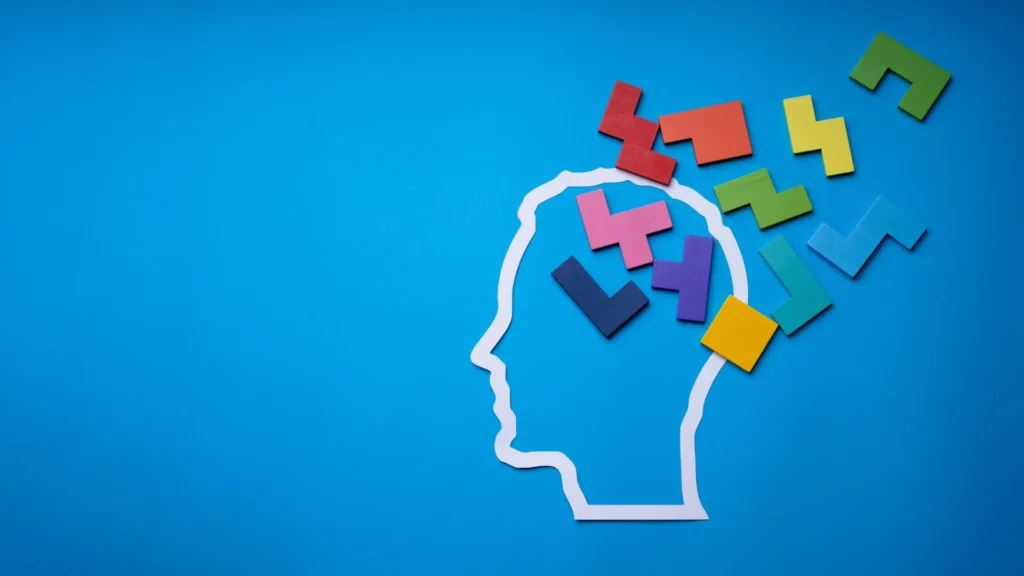



The phenomenon of childhood amnesia represents one of the most enduring paradoxes of human biology. While the first few years of life are characterized by a staggering rate of cognitive development—encompassing the acquisition of language, motor skills, and social navigation—the vast majority of adults possess no conscious recollection of events occurring before the age of three. Even memories from the period between ages three and seven often remain fragmented, hazy, and susceptible to external suggestion. This systematic "deletion" of early life experiences is not a sign of cognitive failure but is increasingly understood by neuroscientists as a sophisticated biological process essential for the maturation of the adult brain.
The Biological Paradox of Early Learning
During the first 2,000 days of life, the human brain is a marvel of neuroplasticity. It forms upwards of one million new neural connections every second. Infants are capable of recognizing their mother’s voice in utero, identifying complex facial patterns within weeks of birth, and mastering the intricate syntax of a native language by age three. Given this high-functioning recording equipment, the subsequent inability to retrieve these "files" in adulthood has long puzzled researchers.
Scientists distinguish between two specific phases of early memory loss. The first, "infantile amnesia," refers to the near-total blackout of memories from birth to age three. The second, "childhood amnesia," describes the period from ages three to approximately seven, where memories are sporadic and often lack a cohesive narrative structure. While these memories appear to be "lost," modern research suggests they are not necessarily erased but rather rendered inaccessible due to the radical restructuring of the brain’s architecture.
The Role of Microglia: The Brain’s Pruning Shears
Recent breakthroughs in neurobiology have shifted the focus from the hippocampus—the brain’s primary memory center—to the role of specialized immune cells known as microglia. Research conducted by scientists such as Sarah Power at the Max Planck Institute for Human Development has highlighted the "cleanup crew" function of these cells.
Microglia are responsible for synaptic pruning, a process where the brain identifies and eliminates weak or redundant neural connections to make room for more efficient pathways. In early childhood, the brain over-produces synapses to allow for rapid learning. As the child matures, microglia actively trim these connections. In laboratory studies involving mice, researchers found that when microglia activity was artificially suppressed, the animals retained early life memories for significantly longer periods. This suggests that the "forgetting" of childhood is an active, biological mandate. The brain essentially "Marie Kondo-es" its neural circuits, clearing out the messy, disorganized data of infancy to build a more stable foundation for adult cognition.
Chronology of Memory Decay: The Age Seven Shift
The transition from a child’s world of vivid, immediate recall to the adult state of childhood amnesia follows a predictable timeline. In a landmark study on memory retention, researchers interviewed children at age three about specific life events, such as a trip to the zoo or a birthday party. When these same children were re-evaluated between the ages of five and seven, they could recall approximately 60 percent of those events with significant detail.
However, a dramatic shift occurred when the children reached ages eight and nine. By this stage, the retention rate plummeted to below 40 percent. This suggests that the "access codes" to early memories are not lost all at once; rather, they degrade as the brain’s prefrontal cortex and hippocampus undergo final stages of maturation. By the time a child reaches puberty, the neural pathways that supported those earliest "live photo" memories have often been repurposed or overwritten by the complex requirements of adolescent and adult life.
Procedural vs. Episodic Memory: Why Skills Outlast Stories
One of the most frequent questions in the study of amnesia is why an adult can remember how to ride a bicycle or speak a language learned in childhood, yet cannot remember the specific day they learned those skills. This is due to the distinction between episodic and procedural memory.
- Episodic Memory: These are "narrative" memories of personal experiences (e.g., "I remember choking on a blue candy in a tent"). These memories are processed by the hippocampus and require a sense of self-awareness and a grasp of time that infants have not yet fully developed.
- Procedural Memory: These are "skill-based" memories (e.g., walking, swimming, or typing). These are stored in the cerebellum and basal ganglia—areas of the brain that mature much earlier and are less affected by the synaptic pruning that impacts the hippocampus.
This biological division ensures that while the "story" of our childhood may fade, the "tools" we acquired during that time—such as the ability to navigate gravity or communicate needs—remain hard-wired into our physiology.
The Influence of Narrative and False Memories
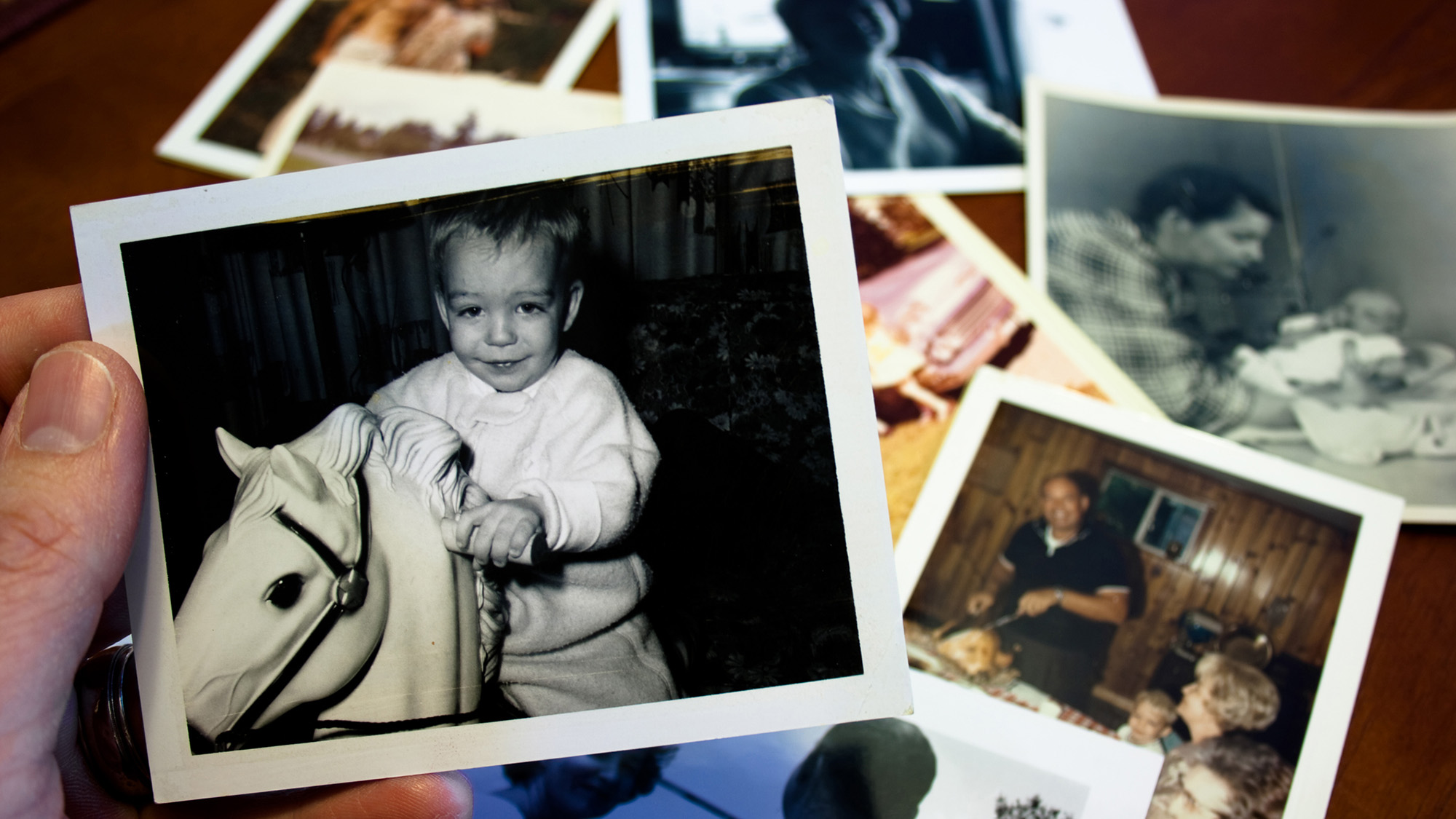
The human brain’s aversion to "empty space" in its history often leads to the creation of false memories. Because childhood amnesia leaves a vacuum, adults frequently fill the gaps with "remixed" information. If a parent tells a story about a child’s second birthday party often enough, or if the child sees photographs of the event, the brain may eventually encode these external inputs as first-hand memories.
Research indicates that the way parents discuss the past with their children significantly impacts memory retention. Children whose parents use "elaborative" storytelling—asking open-ended questions and providing rich sensory details—tend to have earlier and more vivid first memories than those whose parents provide only brief, factual accounts. By helping a child build a narrative, parents are essentially helping the child "lock in" the memory, providing a structure that may survive the brain’s natural pruning process.
Evolutionary Implications: The Purpose of Forgetting
From an evolutionary standpoint, the inability to remember infancy may serve a vital protective function. The first years of life involve extreme vulnerability and a lack of agency. Some psychologists suggest that childhood amnesia allows the individual to reset and adapt to their current environment without being tethered to the "noisy" and often confusing data of a non-verbal infant state.
Furthermore, the high rate of neurogenesis (the birth of new neurons) in the infant hippocampus may simply be incompatible with long-term memory storage. The constant influx of new cells disrupts existing circuits, making it difficult for a memory to remain stable. In this view, forgetting is the price humans pay for the ability to learn and adapt at an unparalleled pace during our formative years.
Broader Impact and Future Research
Understanding childhood amnesia has implications far beyond curiosity about our first birthdays. It provides critical insights into neurodevelopmental disorders, such as autism and ADHD, where synaptic pruning processes may differ from the norm. Furthermore, it informs the legal and psychological fields regarding the reliability of child testimony and the recovery of "repressed" memories.
As neuroimaging technology advances, researchers hope to map the exact moment when a memory moves from "accessible" to "archived." For now, the scientific consensus remains that our earliest years are not truly gone; they are the invisible foundation upon which our adult identities are built. While we may not remember the leopard-print carpet of our grandmother’s room or the exact sensation of our first steps, those experiences shaped the neural architecture that allows us to perceive, learn, and remember the world today. The "files" of our infancy may be unreadable to our adult minds, but the software they helped install remains the primary operating system of the human experience.