



The landscape of English Language Arts (ELA) education is perennially shaped by the fundamental role of texts – from classic literature and contemporary novels to academic articles and poetic verse. However, a persistent challenge for educators worldwide has been transforming the often-passive act of reading into an active, dynamic, and genuinely engaging learning experience. This prevalent issue, often leading to student disinterest and glazed-over expressions, is precisely what veteran high school English teachers Brian Sztabnik and Susan Barber seek to address with their recently published work, 100% Engagement: 33 Lessons to Promote Participation, Beat Boredom, and Deepen Learning in the ELA Classroom. Released earlier this year, the book consolidates a decade of pedagogical experimentation and community building, offering a suite of low-tech, high-impact strategies designed to re-energize text interaction in the classroom.
The Enduring Challenge of Text Engagement
For generations, the ELA classroom has been a cornerstone of intellectual development, tasked with fostering critical thinking, analytical skills, and a deep appreciation for language and narrative. Yet, the very core of this discipline – the sustained engagement with written material – can often prove to be its greatest hurdle. Educational surveys and anecdotal evidence from teachers frequently point to a significant percentage of students who find traditional text-based assignments, such as independent reading or close analytical essays, to be dry or uninspiring. This disengagement is not merely a matter of preference; it directly impacts comprehension, retention, and the development of higher-order thinking skills crucial for academic success and civic participation. Studies focusing on adolescent literacy often highlight a decline in reading enjoyment as students progress through middle and high school, correlating with increasingly complex texts and less interactive pedagogical approaches.

The advent of digital media and the proliferation of information in bite-sized formats have further compounded this challenge, making it even more imperative for educators to innovate. Teachers are increasingly searching for methods that can bridge the gap between students’ digital-native sensibilities and the rigorous demands of textual analysis, ensuring that the foundational work of reading remains relevant and stimulating.
A Decade of Collaborative Innovation
Brian Sztabnik and Susan Barber, both distinguished high school English teachers, did not arrive at their solutions in isolation. Their journey is a testament to the power of professional collaboration and the digital age’s capacity to foster communities of practice. Over the past ten years, they have actively built and nurtured an online platform, Much Ado About Teaching, which began as a blog and expanded into a vibrant social media presence. Through this platform, they have connected with countless ELA educators, sharing insights, discussing challenges, and co-creating solutions. This collaborative ecosystem allowed them to identify a widespread need for practical, actionable strategies that combat student apathy towards text interaction. The blog and their social media chats became a crucible for testing and refining pedagogical ideas, culminating in the comprehensive collection of lessons now presented in 100% Engagement. Their work represents a proactive response to a documented pedagogical need, moving beyond theoretical discussions to provide concrete, classroom-ready tools.
The "100% Engagement" Philosophy: Low-Tech, High-Impact
The core philosophy of 100% Engagement revolves around the belief that profound learning does not necessarily require complex technology or elaborate setups. Instead, it emphasizes active, physical, and collaborative engagement with texts using readily available materials. The book’s 33 lessons are designed to be low-tech, getting students out of their seats and fostering dynamic interaction with course material. This approach aligns with modern pedagogical research that underscores the benefits of kinesthetic learning, peer-to-peer instruction, and activities that require students to manipulate information physically. By transforming passive reading into an active construction of meaning, Sztabnik and Barber aim to cultivate classrooms where every student feels invested in the learning process.
In a recent interview, the authors shared three exemplary strategies from their book, illustrating how simple adjustments can yield significant educational dividends. These strategies, suitable for various textual forms and ELA contexts, offer a glimpse into the book’s practical and innovative spirit.
Strategy 1: Cutting Up Poems – Reconstructing Meaning
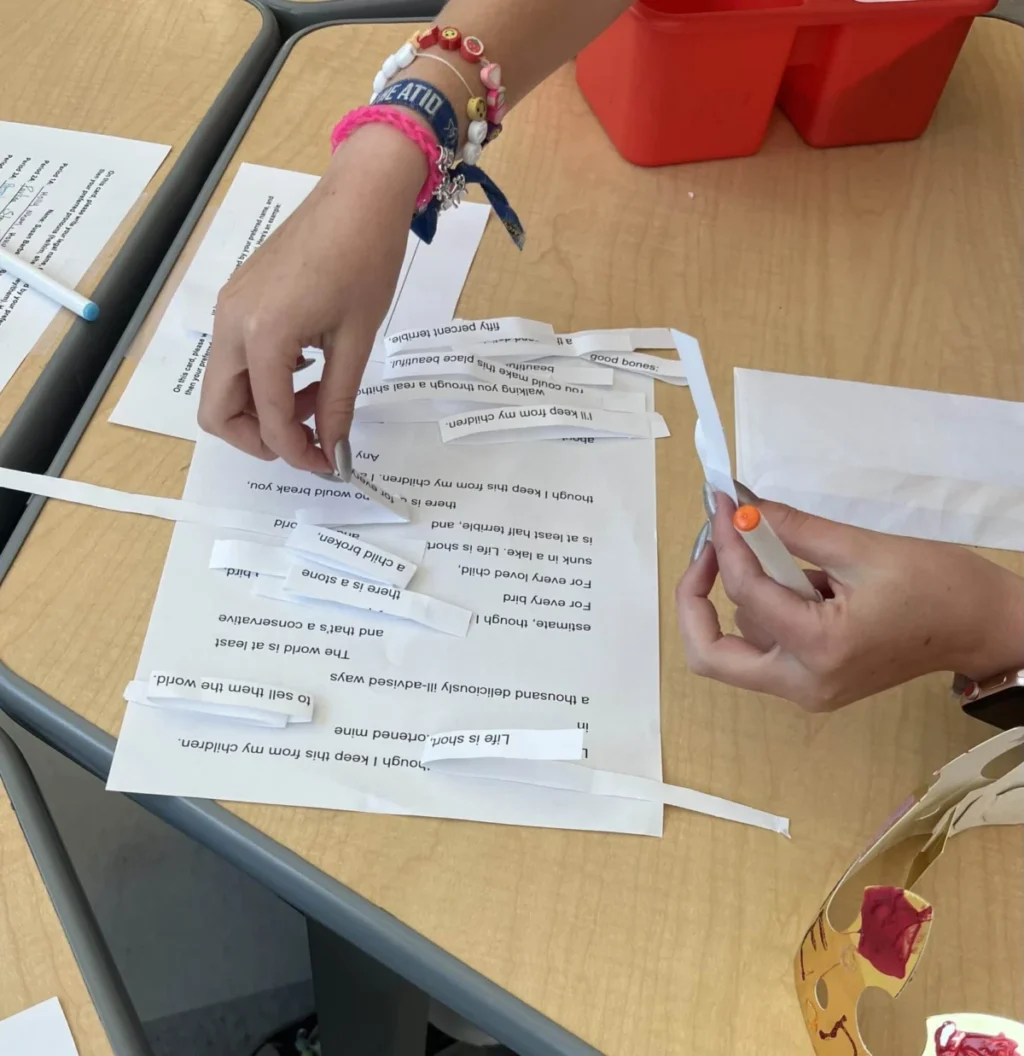
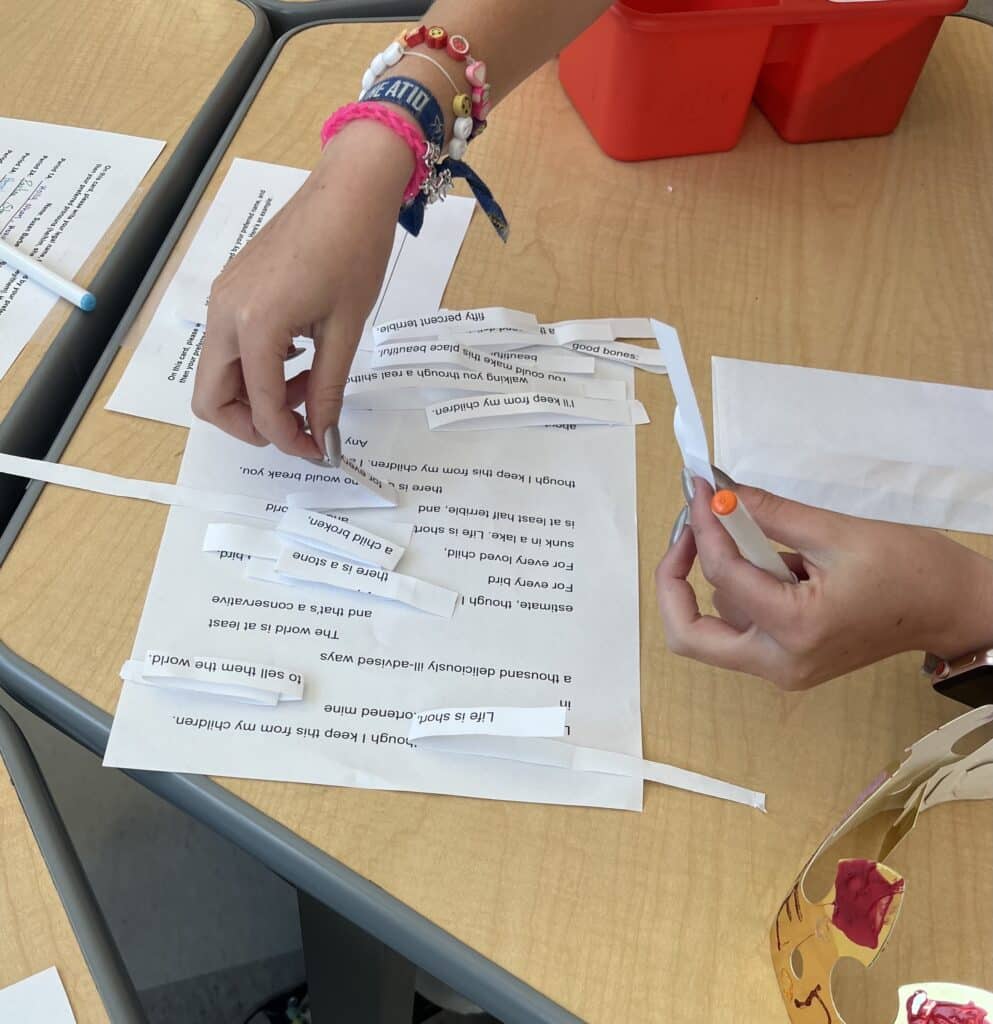
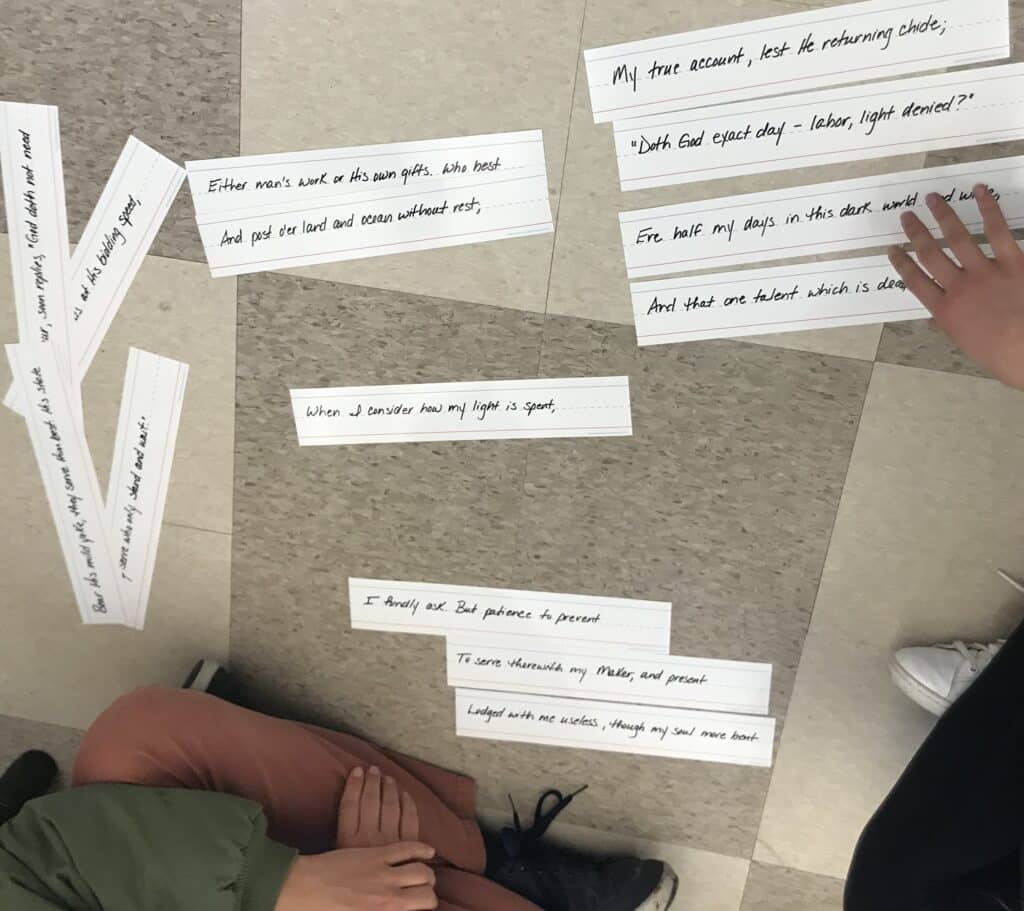
One of the most innovative techniques presented is "Cutting Up Poems." This lesson fundamentally alters how students approach poetic analysis, transforming it from a solitary, often daunting task into an interactive puzzle. Students are provided with a poem that has been meticulously cut into individual words, phrases, or lines. Their task is to collaboratively reconstruct the poem, arranging the strips of paper to form what they believe is the original sequence.
As Ms. Barber explains, this strategy serves as a highly effective "teacher trick" for promoting close reading. "If I would have passed out this poem and said, I want you to do a close reading, their eyes would be glazed over," she notes. However, by manipulating the physical components of the poem, students are compelled to engage analytically from the outset. They must consider grammatical structures, punctuation, capitalization, and semantic flow to logically piece the poem together. "They’re having to consider, Does this make sense if it goes here? Well, this is a capital letter, so it may not go in the middle of those sentences, or this is a comma here, that may not fit right there," Barber elaborates. This process naturally leads to robust discussions and a deep, analytical engagement with the text’s nuances, far surpassing the superficial engagement often seen with traditional methods. After reconstructing their version, students annotate it and then compare it to the original, reflecting on their choices and deepening their understanding of the poet’s craft. This kinesthetic approach taps into different learning styles, making abstract poetic analysis tangible and accessible.
Strategy 2: Inferential Timeline – Charting Narrative and Significance
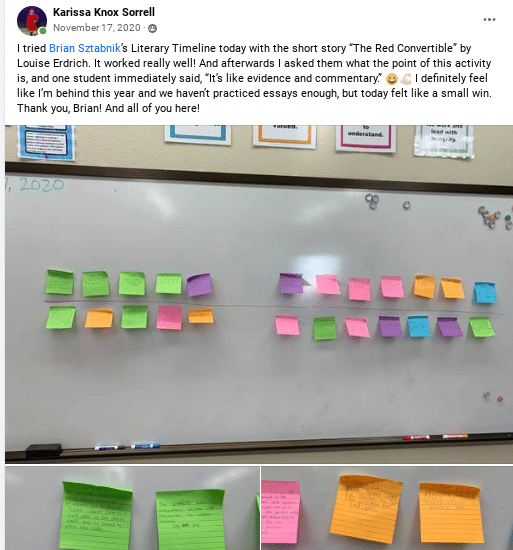
The "Inferential Timeline" is another powerful strategy designed to enhance comprehension and critical analysis of longer texts, such as novels or extensive articles. This lesson assigns each student a small section of a text, typically a few pages. Their initial task is to identify the most crucial event or development within their assigned pages and articulate it concisely on an index card or Post-it note, accompanied by a supporting quote from the text. This card forms the upper tier of a two-tiered timeline displayed prominently in the classroom.
Mr. Sztabnik highlights the deliberate cognitive demands of this first step: "What I’m really asking is to summarize the plot and boil it down to one or two sentences. So this is all about decision-making and cutting out the extraneous details and just focusing on what’s really important." Students learn to discern between peripheral details and pivotal moments that drive character development, escalate conflict, or introduce significant symbolism. This exercise in conciseness and critical selection is a fundamental skill for academic writing and effective communication.
The second tier of the timeline introduces a layer of inferential thinking and collaborative analysis. Once the first row of cards is complete, students select a classmate’s card and, beneath it, add a new card explaining why that specific event is significant to the broader narrative. This "collaborative without being collaborative physically" approach, as Sztabnik describes it, fosters higher-level thinking. Students must interpret their peer’s summary and quote, then draw conclusions about its thematic or structural importance within the larger work. "They have to look at their classmate’s card, determine what happened, and make an inference about why that event was so important in the grand scheme of those chapters," he explains. "So here’s where we’re getting to the higher-level thinking – we can understand the plot; now we need to draw conclusions." The lesson culminates in a "gallery walk," where students tour the complete timeline, taking notes on the various inferences made by their classmates, thereby synthesizing a comprehensive understanding of the text’s progression and underlying themes.
Strategy 3: Text Rendering – Distilling Core Meaning
"Text Rendering" is a targeted strategy aimed at helping students hone their ability to extract the most salient meaning from a passage. Ms. Barber developed this lesson to address a common difficulty: students’ tendency to rely on broad, generalized interpretations without grounding them in specific textual evidence. "I have trouble every year getting students to narrow their focus when they’re making meaning from the text," she recounts. "They talk in these really big, general ideas, and I would be like, Where did this come from? And they’re like, You know, it’s just there. It has to come from someplace specific in the text. I had to find some activity to get them to take the big ideas to the small."
The "Text Rendering" process is elegantly structured in three concentric steps. Students begin with a given passage. From this passage, they identify what they believe to be the single most important sentence or line. Then, from that chosen sentence, they extract the most critical phrase or clause. Finally, from that phrase, they pinpoint the single most important word. This sequential distillation forces students to meticulously analyze the text’s hierarchy of meaning, moving from broader statements to the most concentrated essence of an idea. After making their selections, students defend their choices to their classmates, articulating their rationale and engaging in rich interpretive discussions. Small groups then collaborate to draw overarching conclusions about the passage, synthesizing individual insights into a collective understanding. This exercise not only sharpens analytical precision but also reinforces the crucial link between textual evidence and interpretative claims, a cornerstone of effective literary analysis.
Broader Pedagogical Implications and Community Support
The strategies outlined in 100% Engagement are more than isolated activities; they represent a cohesive pedagogical philosophy that prioritizes active learning, critical thinking, and collaborative engagement. They align with contemporary educational theories such as constructivism, which posits that learners construct knowledge actively rather than passively receiving it, and socio-cultural learning, which emphasizes the role of social interaction in cognitive development. By incorporating movement, choice, and peer interaction, these lessons also cater to diverse learning styles and needs, making ELA classrooms more inclusive and dynamic.
The success of these strategies, as evidenced by their decade-long development and positive reception within the teaching community, underscores the ongoing need for innovative, teacher-led solutions to common classroom challenges. The emphasis on low-tech methods also ensures accessibility, making these strategies viable for schools with varying levels of technological resources.
To further support educators in implementing these and other strategies, Sztabnik and Barber have established a dedicated Facebook group, "100% Engagement," where teachers can share experiences, ask questions, and collaborate on best practices. Their blog, Much Ado About Teaching, continues to serve as a hub for ongoing pedagogical discourse and resource sharing. This commitment to fostering a professional learning community exemplifies their dedication not just to their own classrooms, but to the broader field of ELA education.
As educators continue to navigate the complexities of engaging students in an increasingly distracted world, resources like 100% Engagement offer a timely and practical pathway toward more vibrant, intellectually stimulating ELA classrooms, ensuring that the critical work of interacting with texts remains at the heart of student learning.