


The intersection of vintage hardware preservation and modern engineering has reached a new milestone as Elliot Coll, the creator behind the popular YouTube channel Retro Future, successfully completed a comprehensive "restomod" of a discarded Sony PlayStation. By integrating 21st-century technology into the 30-year-old architecture of the original console, Coll has demonstrated the enduring viability of 1990s modular design while addressing the inherent limitations of aging analog hardware. This project, which converted a "junk" unit into a high-definition, disc-less gaming machine, highlights a growing movement within the technology community to favor repairability and sustainability over the planned obsolescence typical of modern consumer electronics.
The original PlayStation, released by Sony Computer Entertainment in Japan in 1994 and globally in 1995, was a revolutionary device that transitioned the gaming industry from 2D sprites to 3D polygons. However, three decades of environmental exposure and mechanical wear have rendered many original units inoperable. Coll’s project began with a unit sourced from an online auction site, which arrived in a state of significant disrepair—non-functional, heavily soiled, and cluttered with amateur modifications from a previous era.
The Restoration Process: From Salvage to Sustainability
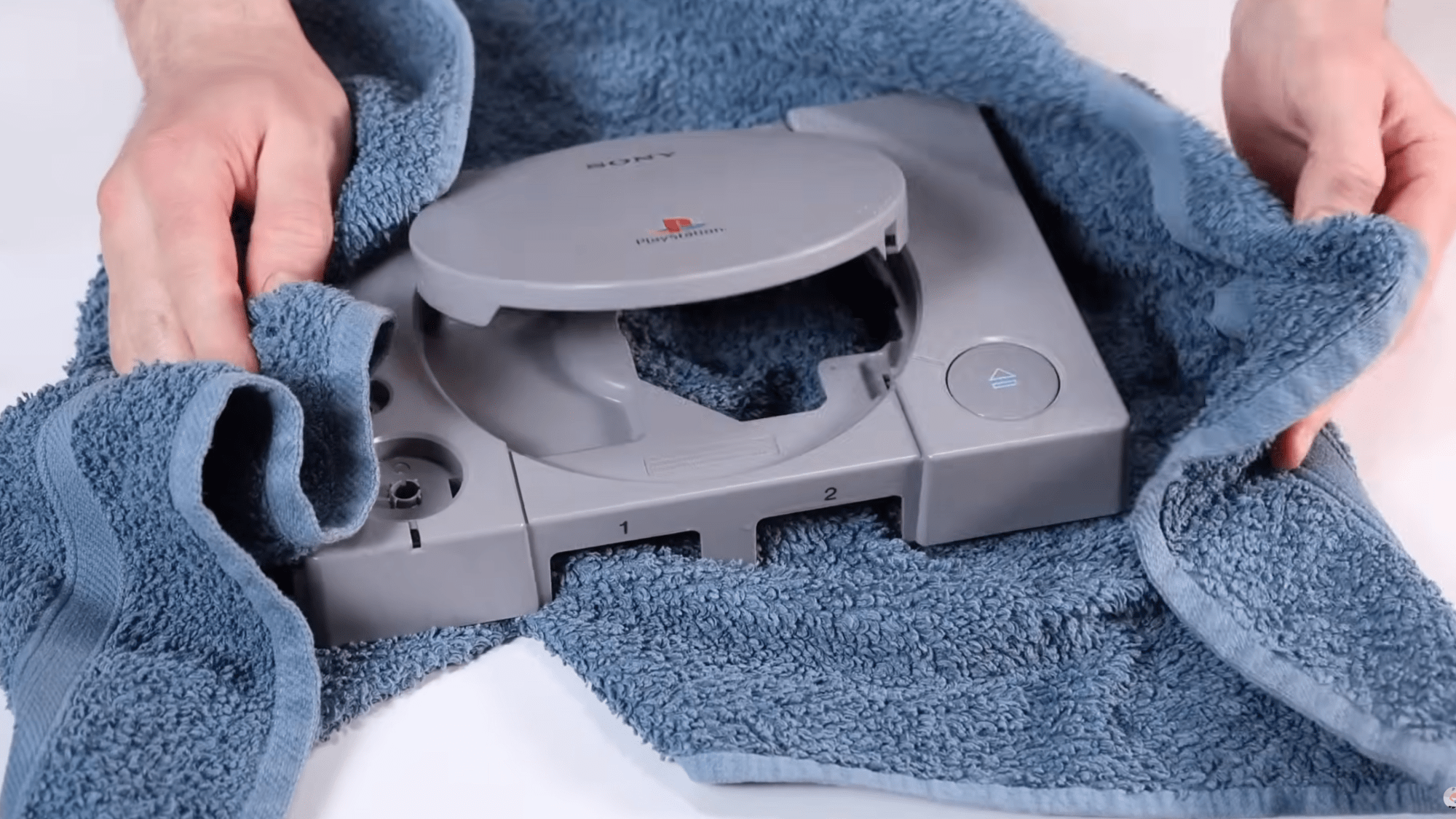
The restoration began with a fundamental assessment of the hardware’s condition. Upon initial inspection, the console failed to power on or boot software. The exterior shell was caked in decades of grime, requiring a complete teardown. Unlike modern consoles, which often utilize proprietary screws and excessive adhesives to discourage user interference, the original PlayStation was built with a modular internal structure. This allowed Coll to easily remove the outer casing for a deep-cleaning process involving hot, soapy water—a necessary first step to ensure the longevity of the plastic and the hygiene of the internal components.
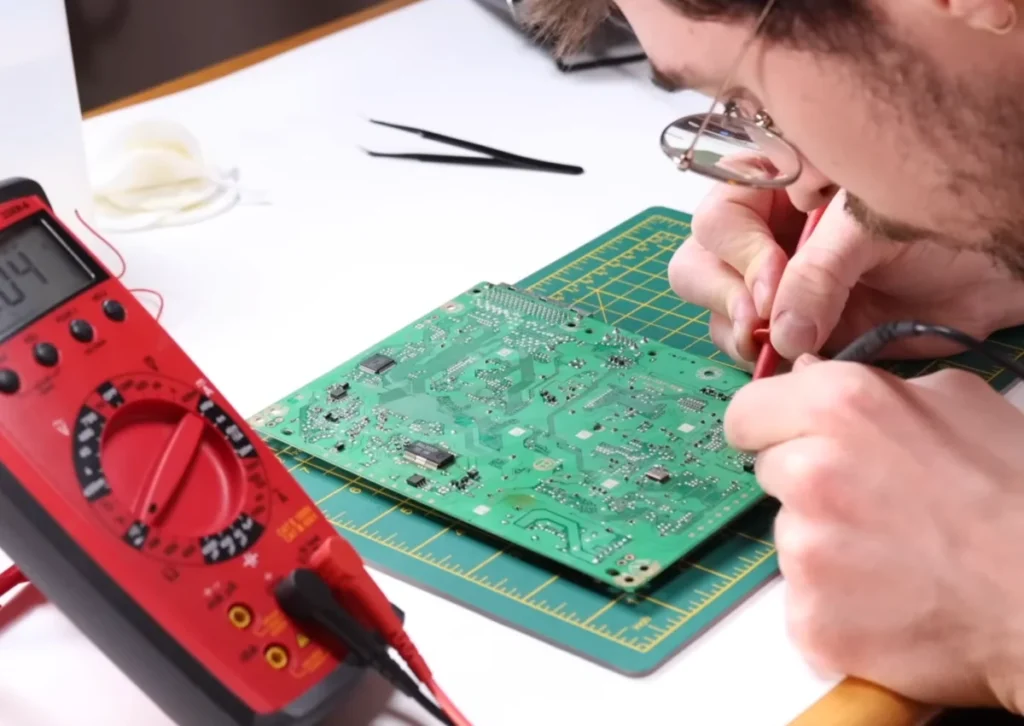
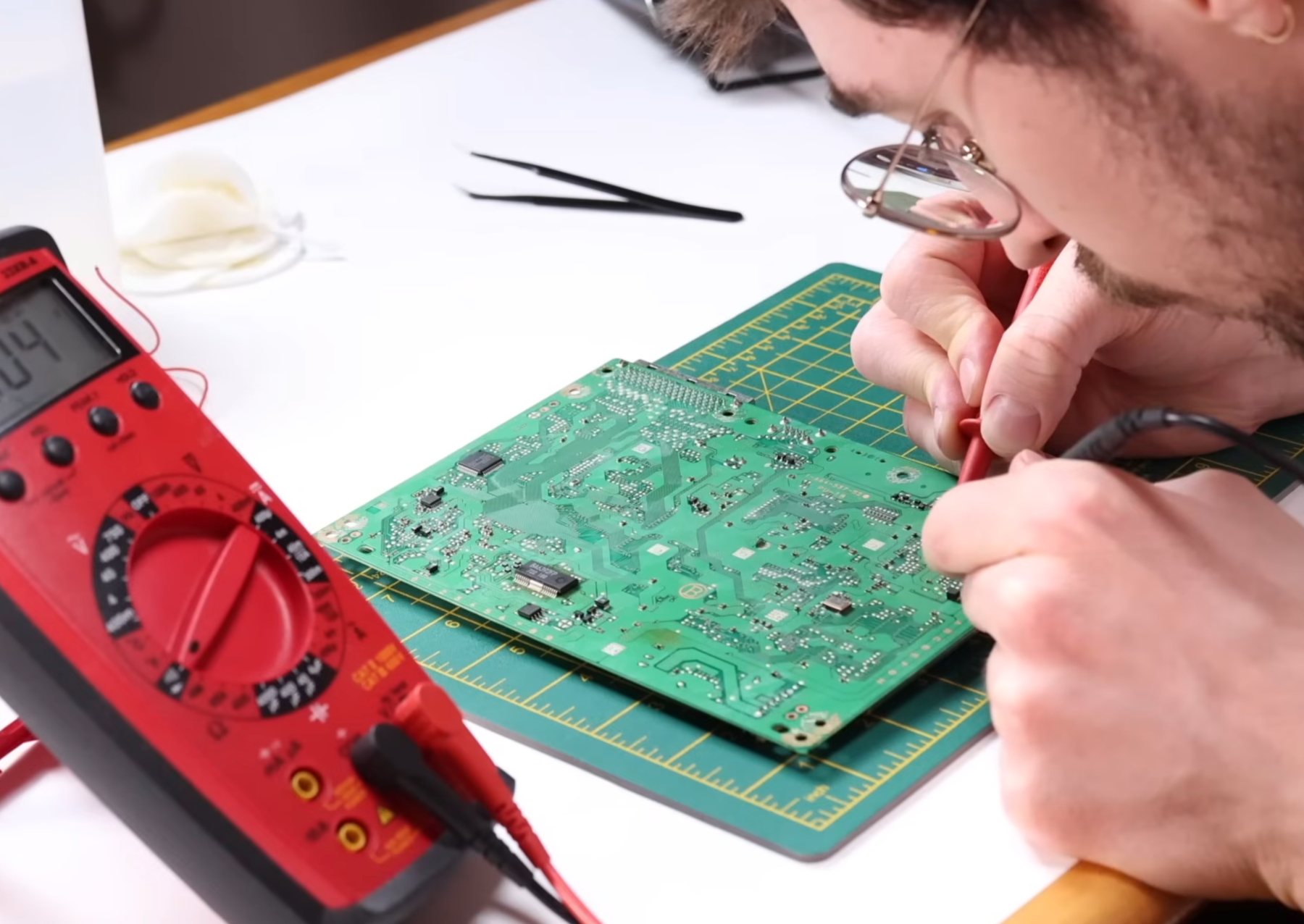
During the disassembly, Coll discovered that the unit had been previously modified. He identified a soldered metal rectangle on the motherboard, which he determined was an aftermarket modification intended to bypass regional lockout codes. This "mod-chipping" was a common practice in the late 1990s, allowing users to play imported games or unofficial backups. Additionally, a second modification was found that permitted the console to read games burned onto recordable compact discs (CD-Rs).
The discovery of these legacy mods serves as a historical record of the "grey market" that flourished during the PlayStation’s peak years. Coll opted to remove these outdated components to return the motherboard to a "clean slate" before installing a suite of modern enhancements designed to improve performance and reliability.
Technical Specifications of the Modernized PlayStation
To achieve what he termed the "ultimate PS1," Coll implemented four primary hardware upgrades that bridge the gap between 1994 and 2024.
1. Optical Drive Emulation (ODE) via PicoStation
The most significant point of failure in aging consoles is the optical laser assembly. Over time, the moving parts and the laser diode itself degrade, leading to "disc read errors." Coll bypassed this entirely by installing a PicoStation ZeroWire mod board. This Optical Drive Emulator (ODE) allows the console to boot games directly from an SD card. By removing the mechanical drive, the console becomes more reliable, generates less heat, and offers near-instant loading times compared to the original 2x speed CD-ROM drive.
2. High-Definition Multimedia Interface (HDMI) Output
The original PlayStation outputted an analog signal, typically 240p or 480i, which was designed for cathode-ray tube (CRT) televisions. On modern 4K or 1080p flat screens, this signal often appears blurry or distorted. Coll installed an internal HDMI adapter that upscales the native signal to a crisp 1080p resolution. This modification ensures that the console remains compatible with modern display standards without the need for expensive external upscalers or converters.
3. Bluetooth and Wireless Controller Support
While the original PlayStation popularized the iconic DualShock controller, it was tethered to the console by a cord. Coll integrated a Bluetooth modification that allows the 1994 hardware to sync with modern wireless controllers, including the PlayStation 5’s DualSense. This adds a layer of modern convenience and accessibility, allowing for a "couch-friendly" experience that was not possible during the fifth generation of gaming.

4. Power Supply and Charging Modernization
To replace the aging internal power brick, which can be a fire hazard due to failing capacitors, the project included a USB-C power delivery modification. This allows the console to be powered by a standard modern phone charger or laptop power bank, significantly reducing the unit’s internal heat and footprint.
The Aesthetic Overhaul: A Tribute to PlayStation History
The final phase of the project focused on the console’s visual identity. Coll commissioned a custom paint job in "dev kit blue," a specific shade of dark blue that was used for the PlayStation’s early development units (specifically the DTL-H1000 series). These blue consoles were never sold to the general public; they were sent to game developers so they could test software in various regions. By applying this color scheme to his restored unit, Coll created a piece of hardware that pays homage to the professional history of the platform while standing out as a unique collector’s item.
The project concluded with a successful stress test using "Tony Hawk’s Pro Skater," a title that defined the platform’s cultural impact in the late 1990s. The console performed flawlessly, demonstrating that with the right expertise, "e-waste" can be transformed into high-end enthusiast hardware.
Broader Implications: The Right to Repair and Digital Preservation
Coll’s project arrives at a time when the "Right to Repair" movement is gaining legislative momentum in the United States and Europe. Industry analysts suggest that the longevity of 1990s consoles compared to modern machines is a direct result of their repairable design.
"Modern consoles are increasingly becoming ‘black boxes’ for the average consumer," says hardware historian Marcus Thorne. "Between the use of heavy adhesives, serialized components that are software-locked to a specific motherboard, and the decline of physical media, we are seeing a trend where hardware is treated as disposable. Projects like the ‘Ultimate PS1’ remind us that technology can and should be built to last."
Furthermore, the shift toward SD card loading (ODEs) addresses a critical issue in digital preservation. As physical discs succumb to "disc rot"—a chemical degradation of the data layer—the ability to run software from solid-state storage becomes the only way to ensure that gaming history remains playable for future generations.
Economic and Environmental Impact
The restoration of legacy hardware also carries significant environmental weight. According to the Global E-waste Monitor, the world generated 62 million metric tonnes of electronic waste in 2022, a figure that is projected to rise by 33% by 2030. By refurbishing a console that was destined for a landfill, hobbyists like Coll are demonstrating a form of "upcycling" that reduces the demand for new plastic and rare-earth minerals.
From an economic perspective, the retro gaming market has seen an explosion in value. Original PlayStation consoles that sold for $20 at flea markets a decade ago are now commanding higher prices as nostalgia drives demand. Modified consoles, which offer "plug-and-play" compatibility with modern TVs, have created a niche secondary market where restored units can sell for several hundred dollars, reflecting the value consumers place on the intersection of vintage charm and modern reliability.
Conclusion
The "Ultimate PS1" project by Retro Future is more than a simple DIY hobbyist video; it is a proof of concept for the future of legacy technology. By combining the modular strengths of the past with the digital efficiencies of the present, Elliot Coll has provided a blueprint for how society can maintain its technological heritage. As the gaming industry continues to move toward all-digital, cloud-based ecosystems, the preservation of physical hardware through modern modification remains a vital safeguard for the medium’s history. The success of this restoration serves as a reminder that with a soldering iron, a soapy bath, and a vision for sustainability, yesterday’s junk can indeed become tomorrow’s treasure.