



In the persistent quest to elevate educational standards, particularly within the United States, a critical element—student voice—has become increasingly marginalized. The prevailing focus on standardized test scores, top-down curriculum mandates, and metrics of success that often fail to capture the holistic development and intrinsic humanity of students has led to a paradoxical decline in educational efficacy and satisfaction. This narrow approach has not only fallen short in its primary goal of raising test scores, as evidenced by recent data showing reading scores plummeting to new lows on the National Assessment of Educational Progress (NAEP), exacerbated by significant declines among struggling students (Schwartz, 2025), but has also engendered a palpable sense of disillusionment among educators. A recent survey revealed that nearly half of all educators reported student behavior had worsened since before the pandemic, a figure that continued to climb in the two years preceding the survey (Stephens, 2025). While pockets of excellence undeniably exist, a vast number of educational institutions continue to miss the mark, persistently attempting to resolve these multifaceted challenges without genuinely engaging with the very individuals most profoundly affected: the students themselves.
The Crisis in Education: Why Student Voice Matters
The current state of education in the U.S. reflects a system grappling with profound challenges. Decades of reform efforts, often characterized by a "test-and-punish" mentality, have inadvertently created an environment where the unique experiences, insights, and aspirations of students are overshadowed by data points and performance indicators. This reductionist view of education overlooks the critical role of student agency and belonging in fostering a robust learning environment. When students feel unheard, disengaged, or undervalued, the consequences ripple through the entire school community, manifesting as behavioral issues, decreased motivation, and a general decline in overall well-being.
The persistent decline in NAEP scores, often referred to as "the nation’s report card," is a stark indicator of the systemic issues at play. These scores, which measure student achievement in various subjects across the country, highlight a widening achievement gap and a struggle to provide equitable, effective education for all learners. Simultaneously, the alarming statistics regarding student behavior underscore a crisis in school culture and climate. Educators report grappling with increased instances of disrespect, apathy, and disengagement, phenomena that cannot be adequately addressed without understanding their root causes from the student perspective. These intertwined challenges suggest that traditional, externally imposed solutions are insufficient and that a more human-centered, inside-out approach is urgently needed.
"Street Data": A New Paradigm for School Improvement
Against this backdrop of conventional reform faltering, a groundbreaking methodology known as "Street Data" emerged as a compelling alternative. Introduced four years prior, this approach, detailed in the seminal book Street Data: A Pathway Toward Equitable, Anti-Racist Schools by Shane Safir and Jamila Dugan, proposed a radical departure from the prevailing data-driven models. Unlike systems that prioritize quantitative metrics and top-down directives, Street Data advocates for a "slow, thoughtful listening" process, specifically targeting students at the margins—those whose voices are historically silenced and whose needs are consistently unmet within the existing educational framework.
The core philosophy of Street Data is rooted in the belief that genuine school improvement cannot occur without deep empathy and an authentic understanding of the lived experiences of students. By engaging in qualitative, relational data collection—through interviews, observations, and deep conversations—educators can uncover invaluable insights that traditional assessments often miss. These insights, referred to as "street data," then serve as the foundation for developing, piloting, and iteratively refining new solutions. This cyclical process, guided by continuous listening, ensures that interventions are responsive, relevant, and genuinely impactful, directly addressing the specific challenges identified by students themselves. This stands in stark contrast to many expensive, off-the-shelf programs that often fail to resonate with the unique contexts of individual school communities.
From Theory to Practice: The Evolution of the "Street Data" Initiative

The journey of Street Data from a theoretical framework to a widely recognized pedagogical movement illustrates a commitment to practical application and continuous engagement. Following the publication of their influential book, authors Shane Safir and Jamila Dugan were invited to discuss their innovative approach on episode 178 of a prominent educational podcast, marking a significant step in disseminating their ideas to a broader audience of educators and school leaders.
Recognizing the need for tangible demonstrations of the methodology in action, a mini-documentary was subsequently produced. This visual resource allowed educators to witness firsthand the Street Data process unfolding in two distinct school environments, providing an invaluable "up-close look" at its implementation. This initiative bridged the gap between theoretical understanding and practical application, offering concrete examples of how listening sessions with marginalized students could lead to actionable insights and meaningful change.
A year later, an ambitious eight-episode video series further deepened this engagement, offering more comprehensive guidance and showcasing a wider array of scenarios. Participants from this series later joined a follow-up podcast discussion (episode 203), sharing their experiences and insights, thereby creating a community of practice around the Street Data methodology. This phased rollout—from initial conceptualization to illustrative case studies and ongoing dialogue—underscored the iterative and collaborative nature of effective educational reform, building momentum and a robust evidence base for the approach.
Introducing "Pedagogies of Voice": Bridging "Street Data" to the Classroom
As the Street Data methodology gained traction and its principles began to permeate more school cultures, a critical question emerged: What does it look like when teachers center student voice and student agency in their daily pedagogical practices? While Street Data provided a robust framework for systemic improvement, educators sought practical, classroom-level strategies that aligned with its core tenets.
To address this vital inquiry, Shane Safir collaborated with three distinguished educators: Marlo Bagsik, Crystal Watson, and Sawsan Jaber. Their collective expertise culminated in the new book, Pedagogies of Voice: Street Data and the Path to Student Agency. This publication serves as a vital bridge, translating the overarching principles of Street Data into concrete, actionable classroom practices. Instead of prescribing a monolithic curriculum or a rigid instructional model, the book is conceived as a "seed store" of practices—a diverse collection of adaptable, replicable strategies designed to empower educators to cultivate student voice, nurture agency, and foster environments conducive to deep, meaningful learning.
The book’s timely release is particularly significant given the current socio-political climate. In an era marked by increasing efforts to marginalize diverse perspectives, with widespread book bans, censorship of educators, and threats to democratic principles, Pedagogies of Voice offers a powerful counter-narrative. It provides educators with a clear mandate and practical tools to channel their energy into teaching methods that actively amplify student voices. By creating spaces where students can engage in reflection, articulate their thoughts, challenge differing opinions, collaborate effectively, and take meaningful action, the book equips them to develop into engaged citizens capable of shaping a more equitable and just world. This proactive approach to pedagogy becomes a bulwark against forces seeking to stifle critical thinking and diverse expression.
The Four Pillars of Agency: Identity, Belonging, Inquiry, and Efficacy
Pedagogies of Voice organizes its wealth of classroom practices within an "Agency framework," structured around four interconnected domains: Identity, Belonging, Inquiry, and Efficacy. This framework provides a holistic lens through which educators can systematically cultivate student agency.

1. Practices that Awaken Identity:
This domain focuses on creating learning environments where every student genuinely feels that "My ways of being, knowing, and learning are valued here." It emphasizes the importance of affirming students’ cultural backgrounds, personal histories, and unique perspectives as integral components of their educational journey. Sawsan Jaber, a co-author, highlights the practice of storientation, which leverages personal and collective narratives as a powerful springboard for learning and identity development.
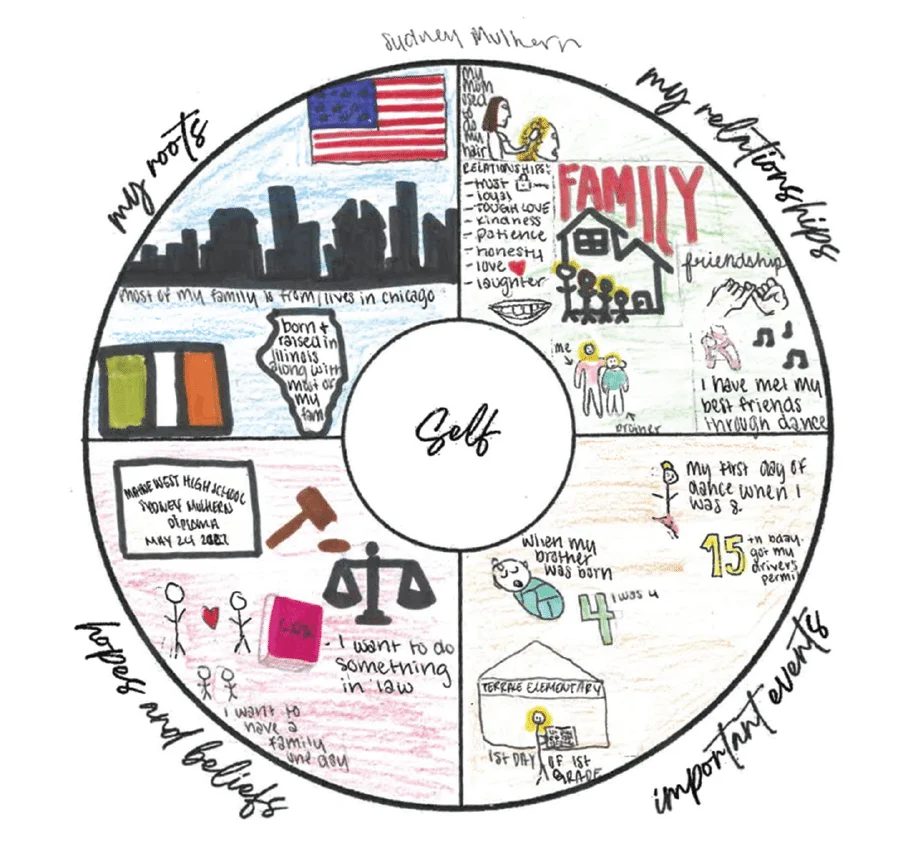
Storientation moves beyond conventional storytelling; it’s a structured approach to integrating personal and cultural narratives into the curriculum, allowing students to explore their own identities and connect them to broader academic concepts. For example, an "Identity Mandala" exercise, as used in Jaber’s classroom, provides a visual and reflective way for students to map out the various facets of their identity—family, culture, passions, beliefs—and share these with their peers. This process not only validates individual experiences but also builds empathy and understanding within the classroom community. By explicitly valuing and integrating student stories, educators can transform abstract lessons into deeply personal and resonant learning experiences, making the curriculum more relevant and accessible to all learners.
2. Practices that Awaken Belonging:
The Belonging domain centers on practices that foster a sense of being seen, accepted, and cherished within the classroom community. Crystal Watson, another co-author, champions the simple yet profoundly impactful practice of circling up. This involves arranging classroom seating in a circle for various activities, a deliberate spatial reorientation that fundamentally alters classroom dynamics.
Watson articulates the power of this arrangement: "I just love the fact that when you circle up, you’re all equidistant from the center. At any given time, an identity, an idea, a person can be centered. We’re not centering one or two identities or thoughts or ideals. We can center them all at any given time in our time together." This physical arrangement promotes equity in participation, breaks down traditional teacher-centric hierarchies, and encourages more authentic dialogue. In a circular setup, every voice is equally accessible, fostering a shared sense of responsibility for the conversation. Watson specifically highlights its transformative potential in math education, a subject often perceived as rigid and isolating. By creating space for "argumentation" and conversational learning, circling up challenges the notion that math is merely about "sitting there and doing problems," instead framing it as a collaborative, inquiry-driven discipline where diverse approaches are valued.
3. Practices that Awaken Inquiry:
This domain empowers students to ask profound questions, engage in critical thinking, and construct knowledge through increasingly complex processes. Shane Safir underscores the urgency of reinstating inquiry into learning environments: "Inquiry has been stripped from the learning environments, so many places. The ability for young people to wrestle with big questions about the world, to be curious, to stay curious, to develop not just literacy, but critical literacy about text, about media, about the world."
Practices within this domain encourage students to move beyond passive reception of information to active investigation. This might involve developing "wonder walls" where students post questions stemming from their observations, engaging in "Socratic seminars" to delve into complex texts, or designing "problem-based learning" units where students identify real-world issues and devise solutions. The emphasis is on fostering intellectual curiosity, developing research skills, and cultivating the capacity for critical analysis of information from various sources, preparing students to navigate an increasingly complex information landscape. These practices aim to re-ignite the intrinsic motivation to learn by allowing students to drive their own intellectual explorations.
4. Practices that Awaken Efficacy:
The Efficacy domain focuses on cultivating learning spaces where every student believes in their capacity to effect positive change on issues that matter to them. It moves beyond academic understanding to empower students as agents of change within their communities and the wider world. Marlo Bagsik, a co-author, shared two complementary practices that effectively bookend the instructional week, fostering a continuous cycle of reflection and action:
- "What’s on My Mind" Check-in: This practice initiates the week, providing a structured opportunity for students to voice their thoughts, concerns, and aspirations. It can be a quick verbal share, a written reflection, or a creative expression. This ritual establishes a foundation of psychological safety and validates students’ inner worlds before diving into academic content. By acknowledging and addressing what’s "on their minds," educators create an empathetic starting point, ensuring students feel heard and prepared for learning.
- "Small Actions, Big Impact" Exit Ticket: This practice concludes the week, prompting students to identify a small, concrete action they can take to apply their learning, address a classroom or school issue, or contribute positively to their community. This could be as simple as helping a peer, organizing their workspace, or suggesting an improvement to a classroom process. This exit ticket transforms passive learning into active engagement, reinforcing the idea that even seemingly minor actions can collectively lead to significant change. It connects academic learning to real-world impact, fostering a sense of responsibility and empowering students to see themselves as contributors.
These two practices, working in tandem, create a pedagogical rhythm that prioritizes student well-being, encourages thoughtful engagement, and cultivates a proactive mindset, demonstrating that efficacy is built through consistent opportunities for voice and action.
Addressing Contemporary Challenges: Fostering Democratic Values
The principles embedded within Pedagogies of Voice extend beyond the classroom, offering a vital framework for cultivating democratic citizenship, especially in the current social and political landscape. The rise of censorship, the erosion of free speech, and the increasing polarization of public discourse underscore the urgent need for educational practices that actively foster critical thinking, respectful dialogue, and civic engagement.
By amplifying student voice and nurturing agency, educators are not merely improving academic outcomes; they are actively shaping future citizens who are articulate, empathetic, and capable of navigating complex societal challenges. Creating spaces where students are encouraged to reflect, speak their truths, respectfully challenge differing opinions, and collaborate on shared goals directly models and reinforces democratic practices. This approach equips students with the essential skills to participate meaningfully in a pluralistic society, to advocate for justice, and to contribute to the collective good. In an era where the foundations of democracy are perceived to be under threat, Pedagogies of Voice offers a powerful, pedagogical antidote, preparing young people to be active, informed, and resilient participants in shaping their world.
Implementation and Impact: A Path Forward
The implementation of practices outlined in Pedagogies of Voice requires a shift in mindset from both educators and school leaders. It necessitates a commitment to de-centering traditional authority structures and genuinely embracing students as co-creators of their learning environments. While the practices themselves are often "small, replicable moves," their cumulative impact can be transformative, leading to more inclusive, equitable, and engaging schools.
The broader implications of widespread adoption of the Street Data and Pedagogies of Voice approach are significant. It promises not only improved student engagement and academic outcomes but also a more positive school climate, reduced behavioral issues, and enhanced teacher satisfaction through more meaningful interactions with students. By fostering deep connections and empowering student agency, these methodologies offer a sustainable path toward systemic educational reform that prioritates humanity, equity, and the cultivation of engaged, critical thinkers.
In conclusion, the movement spearheaded by Shane Safir, Jamila Dugan, Marlo Bagsik, Crystal Watson, and Sawsan Jaber represents a powerful recalibration of educational priorities. By steadfastly placing student voice at the heart of school improvement and classroom pedagogy, they offer a compelling vision for education that transcends test scores and embraces the full spectrum of human potential, preparing a generation to not just adapt to the world, but to actively reshape it for the better.