

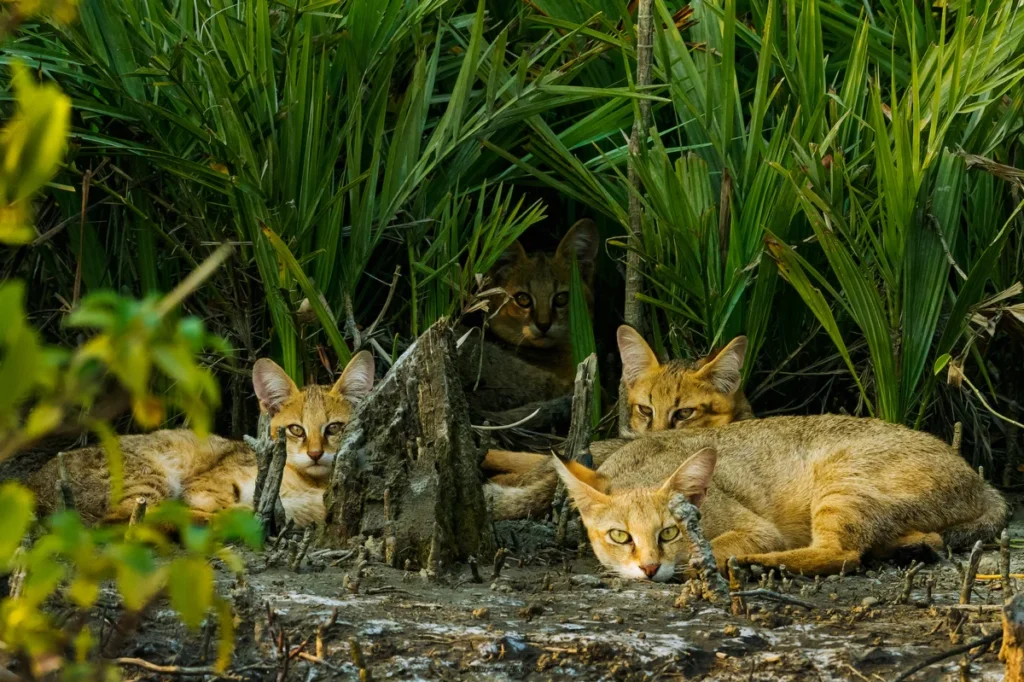
The Mangrove Action Project (MAP) has officially opened the call for entries for the 2026 Mangrove Photography Awards, an international competition designed to illuminate the biological complexity and ecological necessity of mangrove forests. Now in its twelfth year, the competition serves as a global platform for both professional and amateur photographers to document the "ecological superheroes" of the coastline. By capturing the intricate beauty of these intertidal habitats, the awards aim to catalyze conservation efforts and foster a deeper public understanding of the threats facing these unique ecosystems. Submissions for the 2026 cycle are being accepted through June 1, 2026, with the final winners expected to be announced in the latter half of the year.
This annual event has seen exponential growth in recent years, reflecting a burgeoning global interest in "blue carbon" ecosystems. In the 2025 edition, the competition received more than 3,300 entries representing 78 different countries. This diversity of perspectives provides a comprehensive visual record of mangrove health across various regions, from the dense Sundarbans of India and Bangladesh to the Caribbean coastlines and the remote inlets of Southeast Asia. The imagery submitted serves a dual purpose: it celebrates the aesthetic majesty of the natural world while acting as a sobering reminder of the environmental pressures exerted by climate change, coastal development, and industrial aquaculture.
The Strategic Importance of Mangrove Ecosystems
Mangroves are among the most productive and complex ecosystems on Earth, yet they occupy less than 1% of the world’s tropical forest area. Their role in maintaining global environmental stability is disproportionate to their physical footprint. One of the primary functions of mangroves is their ability to act as a natural buffer against extreme weather events. The dense, interlocking root systems of mangrove trees dissipate wave energy and reduce the impact of storm surges, which are becoming increasingly frequent and severe due to rising sea levels and climate change. Research indicates that a healthy mangrove belt can reduce the height of wind-generated waves by up to 66% over a distance of 100 meters, providing critical protection to inland human settlements.
Beyond physical protection, mangroves are powerhouse carbon sinks. They are central to the concept of "blue carbon"—carbon captured by the world’s ocean and coastal ecosystems. Mangroves can sequester carbon at rates up to four times greater than mature tropical upland forests. Much of this carbon is stored in the anaerobic soil beneath the trees, where it can remain for centuries if left undisturbed. However, when these forests are cleared or degraded, this stored carbon is released back into the atmosphere as carbon dioxide, turning a vital carbon sink into a significant source of greenhouse gas emissions.
The biological diversity supported by mangroves is equally critical. These forests serve as nurseries for approximately 75% of tropical commercial fish species. The labyrinthine root structures provide a safe haven for juvenile fish, crustaceans, and mollusks, protecting them from larger predators during their most vulnerable life stages. Consequently, the health of mangrove forests is directly linked to the food security and livelihoods of millions of coastal residents worldwide.
Chronology and Evolution of the Mangrove Photography Awards
The Mangrove Photography Awards were established by the Mangrove Action Project, an organization founded in 1992 to address the systemic causes of mangrove forest loss. For over three decades, MAP has worked with local communities, scientists, and policymakers to promote the sustainable management and restoration of mangrove ecosystems. The photography competition was launched as a creative outreach tool to bridge the gap between scientific data and public engagement.
The timeline of the competition has evolved to align with international environmental milestones.
- 1992–2014: MAP focuses primarily on community-based restoration and policy advocacy.
- 2015: The photography awards are formalized to celebrate the International Day for the Conservation of the Mangrove Ecosystem, adopted by UNESCO and celebrated annually on July 26.
- 2020–2024: The competition sees a surge in participation, with entries doubling as drone photography and underwater housing technology become more accessible to conservation photographers.
- 2025: The contest records its highest participation rate to date, with 3,300 entries.
- 2026: The current cycle opens, emphasizing the "Decade on Ecosystem Restoration" as declared by the United Nations.
The competition typically features several categories, including Wildlife, Landscapes, People, Underwater, and Threats. This categorical approach ensures that the awards cover the full spectrum of the mangrove story—from the charismatic megafauna that inhabit the canopy to the human communities that depend on the water, and finally, the industrial forces that threaten their existence.
Analysis of Visual Narratives: Past Winners and Featured Imagery
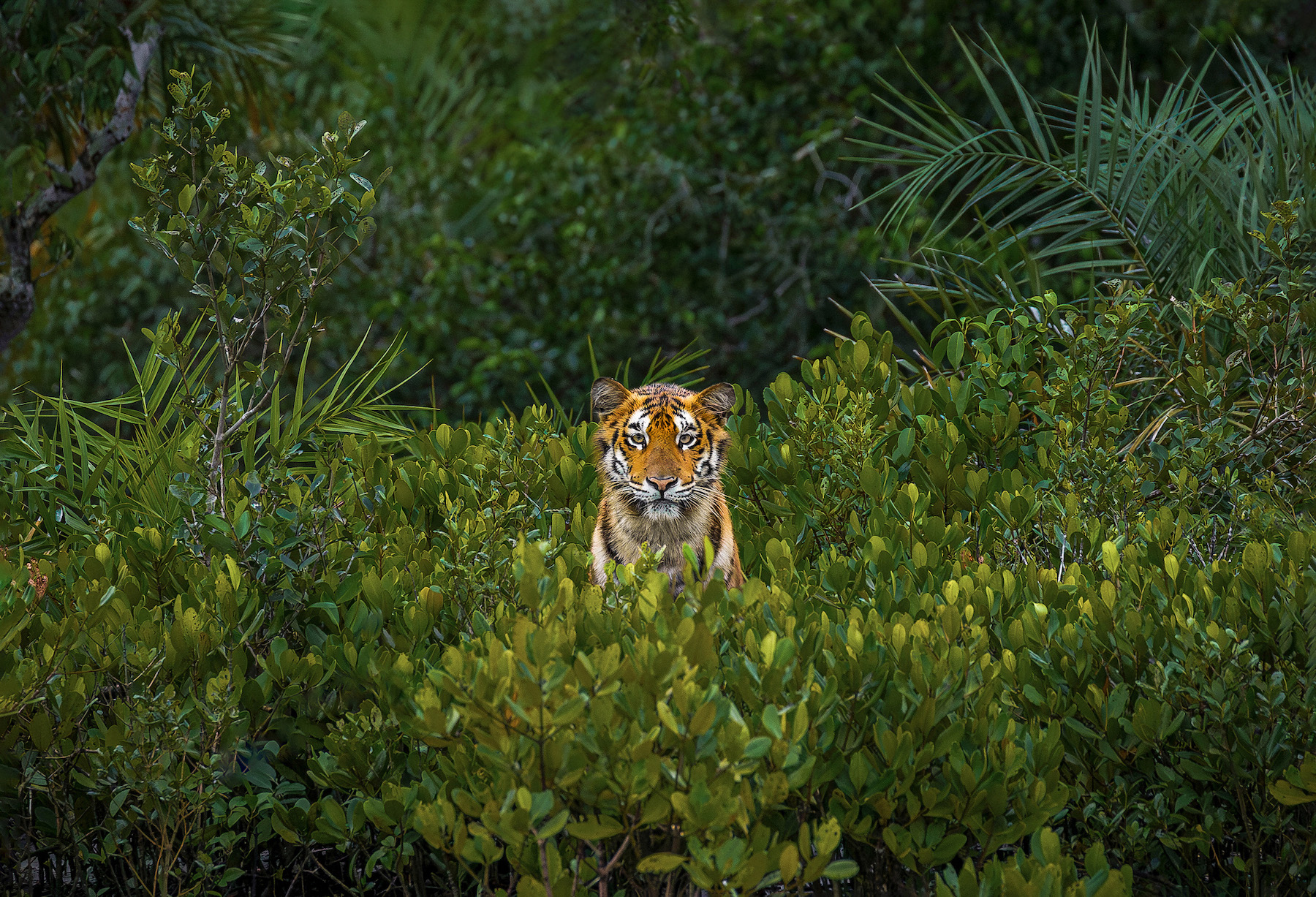
The power of the Mangrove Photography Awards lies in the specific stories told through the lens. Previous winning entries have highlighted the extraordinary adaptability of life within the mangroves. For instance, Soham Bhattacharyya’s "The Finest Flower of the Mangroves" captured a rare and intimate view of a tiger navigating the dense thickets of the Sundarbans. This image underscores the fact that mangroves are not merely "swamps" but are essential habitats for endangered species that are often associated with terrestrial forests.
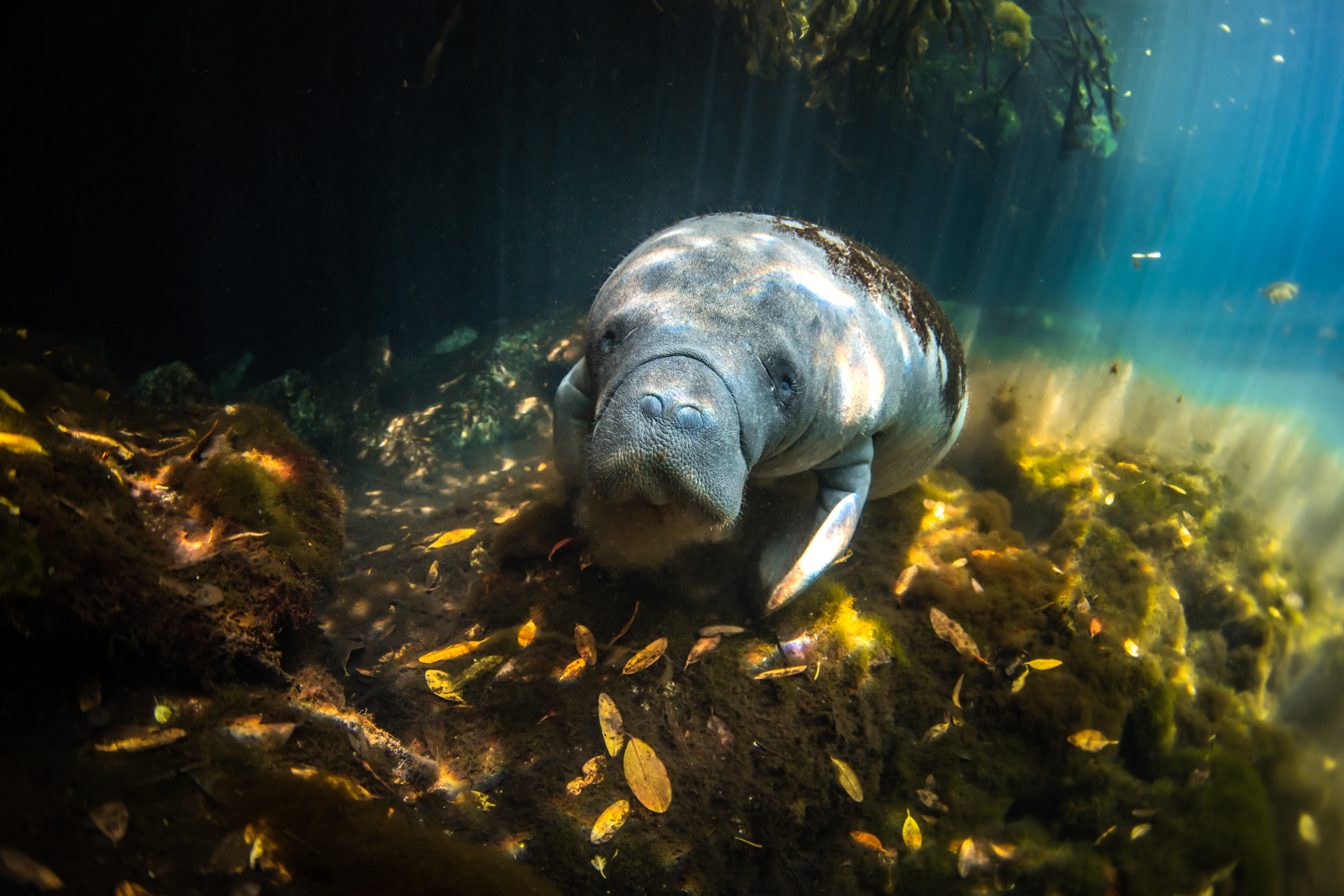
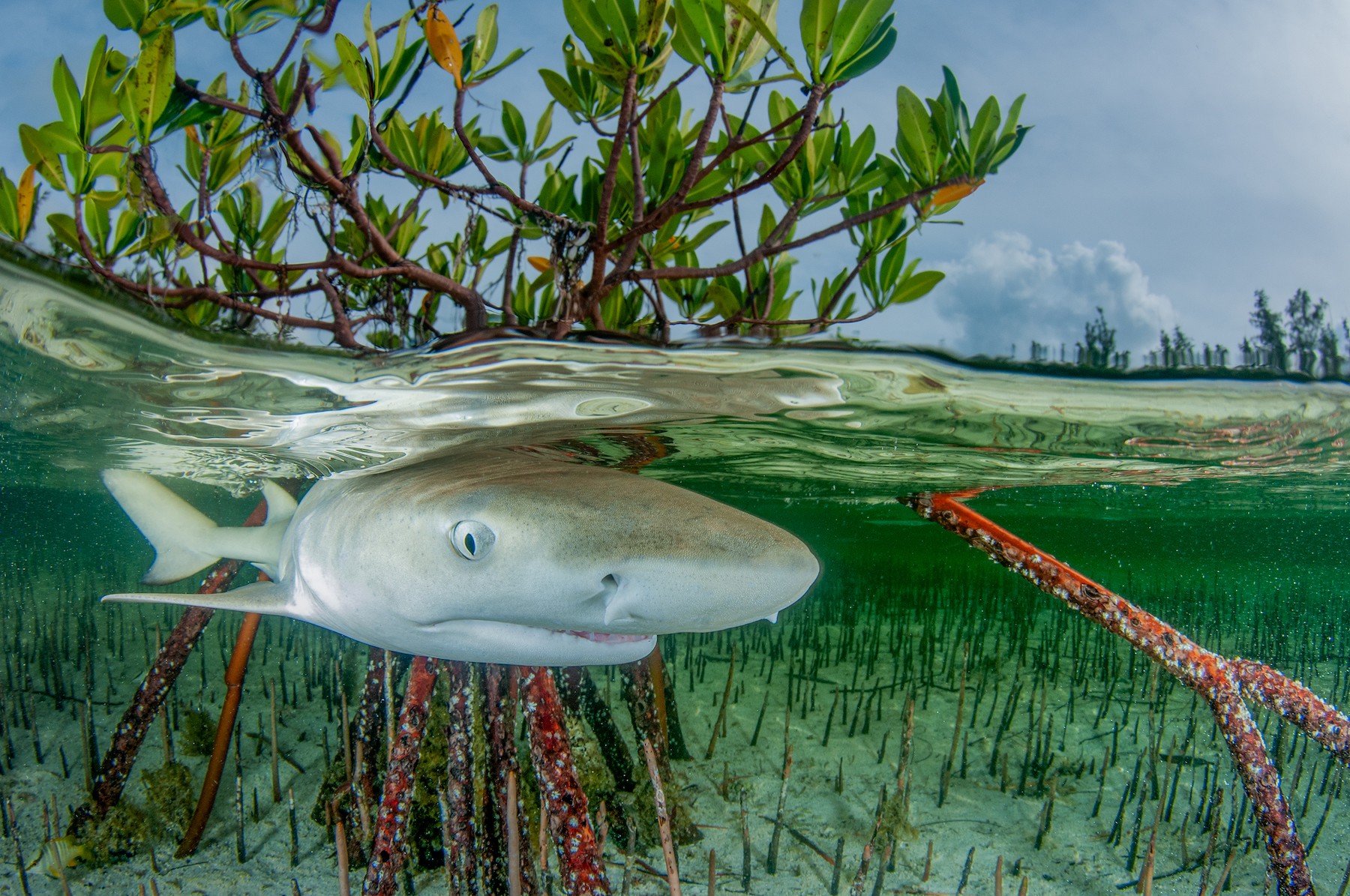
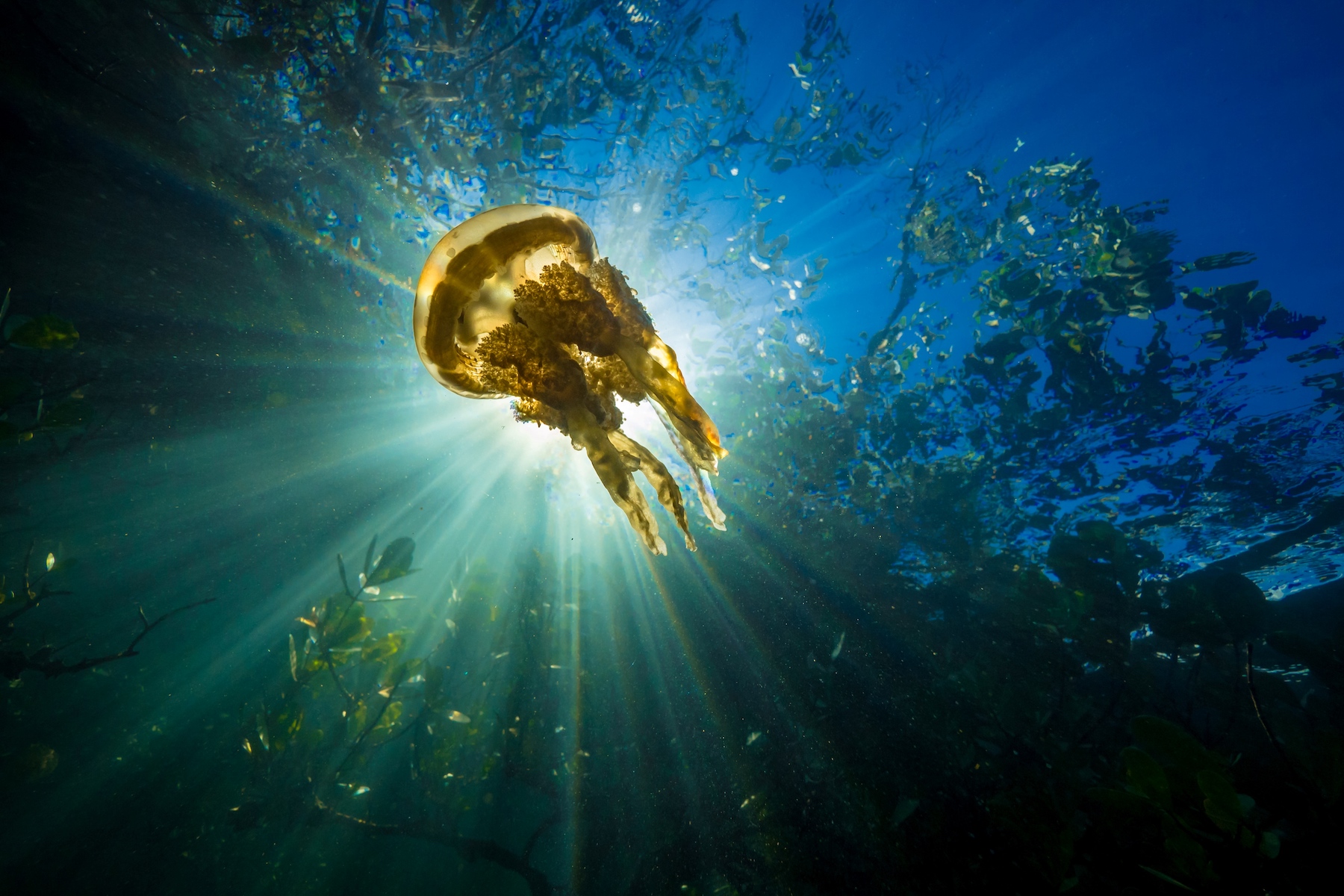
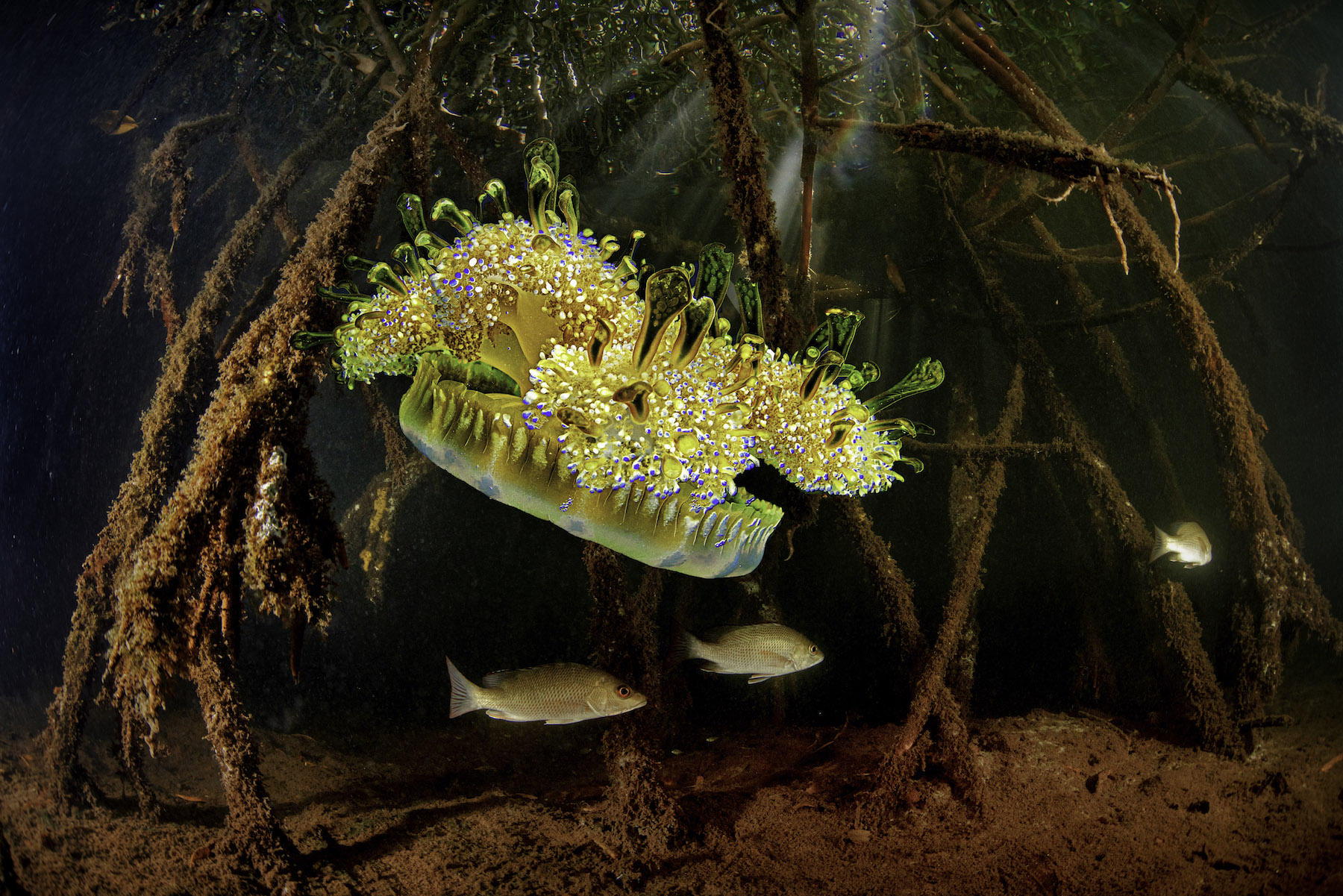
Underwater photography also plays a pivotal role in the competition. Images such as Anita Kainrath’s depiction of a lemon shark in the Bahamas or Valentina Cucchiara’s "Face to Face" manatee portrait reveal the hidden world beneath the waterline. These photographs demonstrate how mangrove roots create a complex subterranean architecture that supports a vast array of marine life. Chris Rohner’s "Jellyfish in the Sun" and Lorenzo Mittiga’s study of the upside-down jellyfish (Cassiopea) illustrate the unique biological niches found in these environments, where sunlight and nutrient-rich waters create ideal conditions for specialized species.
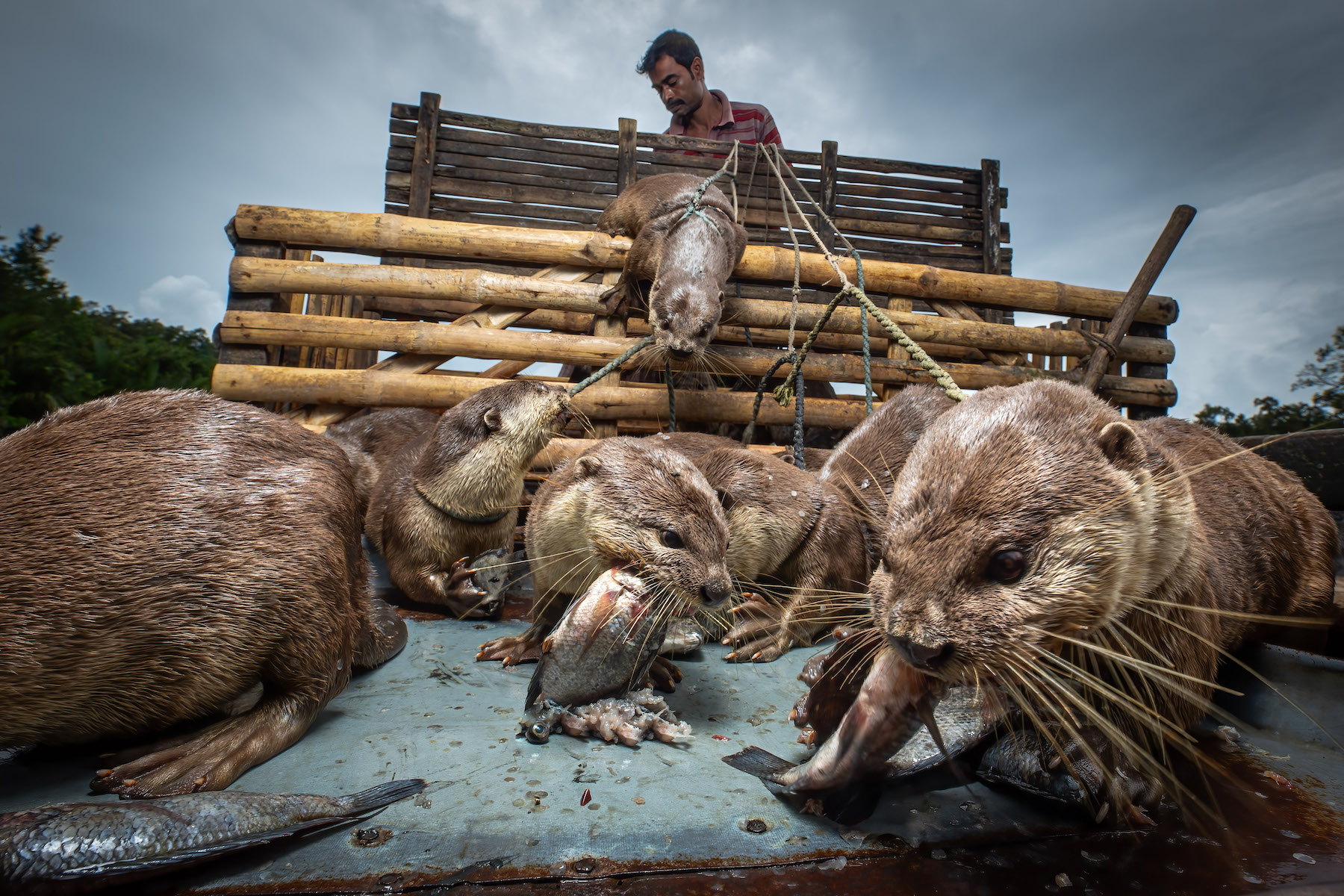
Furthermore, the competition highlights the human element of conservation. Freddie Claire’s "Bhoben Biseash and His Otters" provides a poignant look at the traditional relationships between local populations and mangrove wildlife. Such images are vital for showing that conservation is not just about excluding humans from nature, but about fostering sustainable co-existence. Conversely, the "Threats" category often features stark imagery of plastic pollution, oil spills, and clear-cutting for shrimp farms, providing the necessary friction to move viewers from admiration to action.
Supporting Data: The Economic and Ecological Value of Mangroves
To understand the stakes of the 2026 competition, it is necessary to examine the current state of global mangrove cover. While the rate of loss has slowed in the last decade, it remains alarmingly high in certain hotspots.
- Global Coverage: As of the latest Global Mangrove Alliance report, there are approximately 14.7 million hectares of mangroves remaining worldwide.
- Economic Value: The United Nations Environment Programme (UNEP) estimates that mangroves provide ecosystem services valued at $33,000 to $57,000 per hectare per year.
- Fisheries Impact: In regions like the Gulf of California, it is estimated that one hectare of mangrove fringe provides an annual median value of $37,500 to local fisheries.
- Loss Rates: Between 1980 and 2000, it was estimated that 35% of the world’s mangroves were lost. Current loss rates have dropped to approximately 0.04% annually, but degradation—where the forest remains but its ecological function is impaired—is a growing concern.
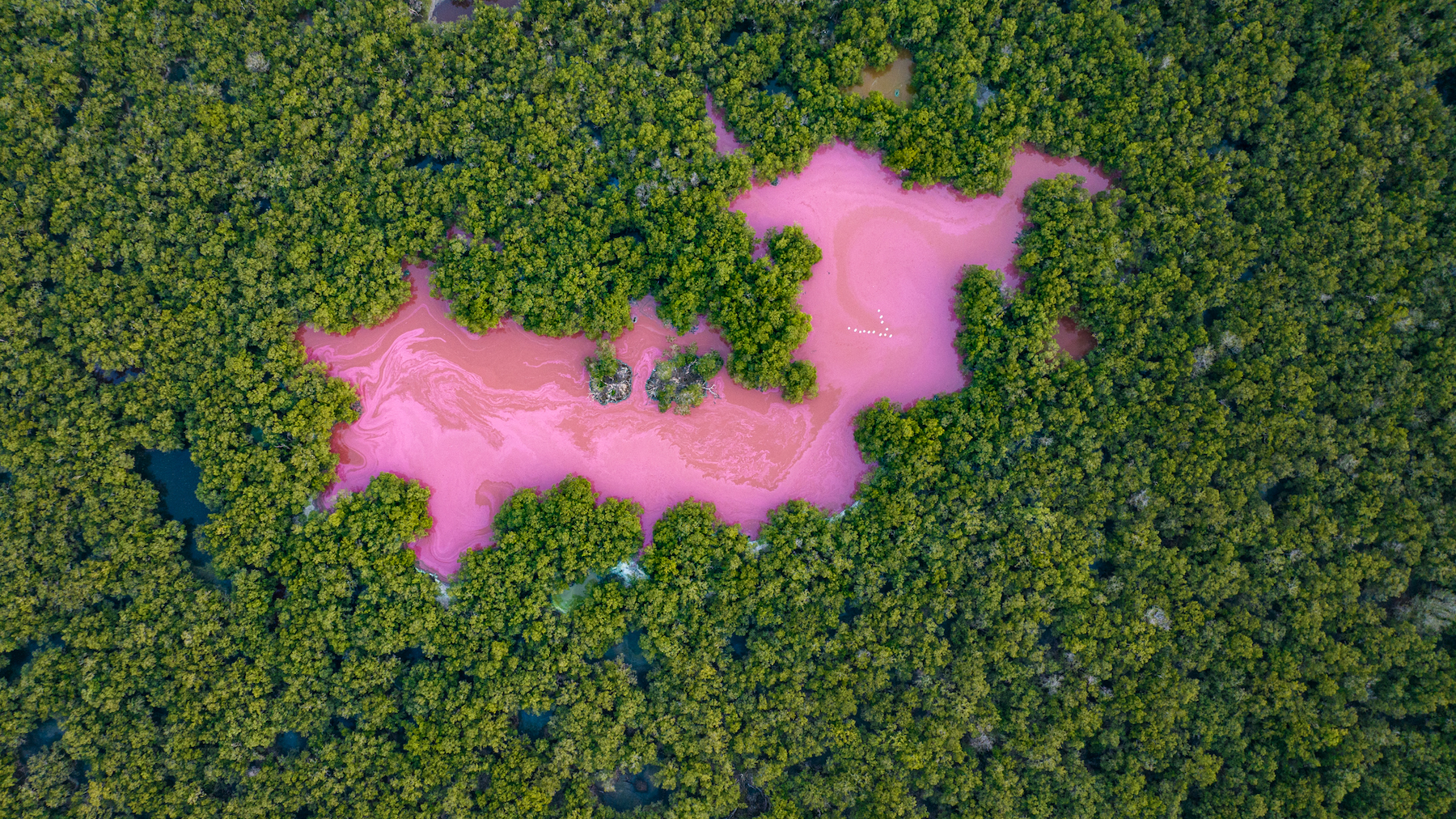
The Mangrove Action Project utilizes the photography awards to highlight these statistics by putting a "face" on the data. When a photographer captures a "Pink Mangrove Lagoon," as seen in the work of Camilo Felipe Santander Endell, it allows scientists to discuss the hypersalinity or microbial shifts that lead to such phenomena, making the science accessible to a lay audience.
Official Responses and Broader Implications for Conservation
The Mangrove Action Project has consistently emphasized that the awards are more than a beauty pageant for nature. In statements regarding the competition’s goals, MAP representatives have noted that the imagery is frequently used in educational materials, advocacy campaigns, and scientific publications. By providing a high-quality open-access library of mangrove imagery, the competition assists smaller NGOs and community groups who may not have the resources to commission professional photography for their local conservation needs.
The 2026 competition comes at a critical juncture in international environmental policy. As nations strive to meet their commitments under the Paris Agreement and the Kunming-Montreal Global Biodiversity Framework, the restoration of coastal wetlands has moved to the forefront of the agenda. The "Mangrove Breakthrough," a global initiative launched at COP27, aims to secure the future of 15 million hectares of mangroves globally by 2030 through a collective investment of $4 billion. The imagery generated by the 2026 awards will likely play a role in the visual storytelling required to secure this funding and maintain political momentum.
Future Outlook: The Role of the Photographer in Restoration
As the June 1, 2026, deadline approaches, the Mangrove Action Project is calling for images that not only show what is being lost but also what is being found and restored. There is a growing emphasis on "Restoration in Action," a sub-theme that encourages photographers to document successful community-led replanting efforts and the return of biodiversity to formerly degraded sites.
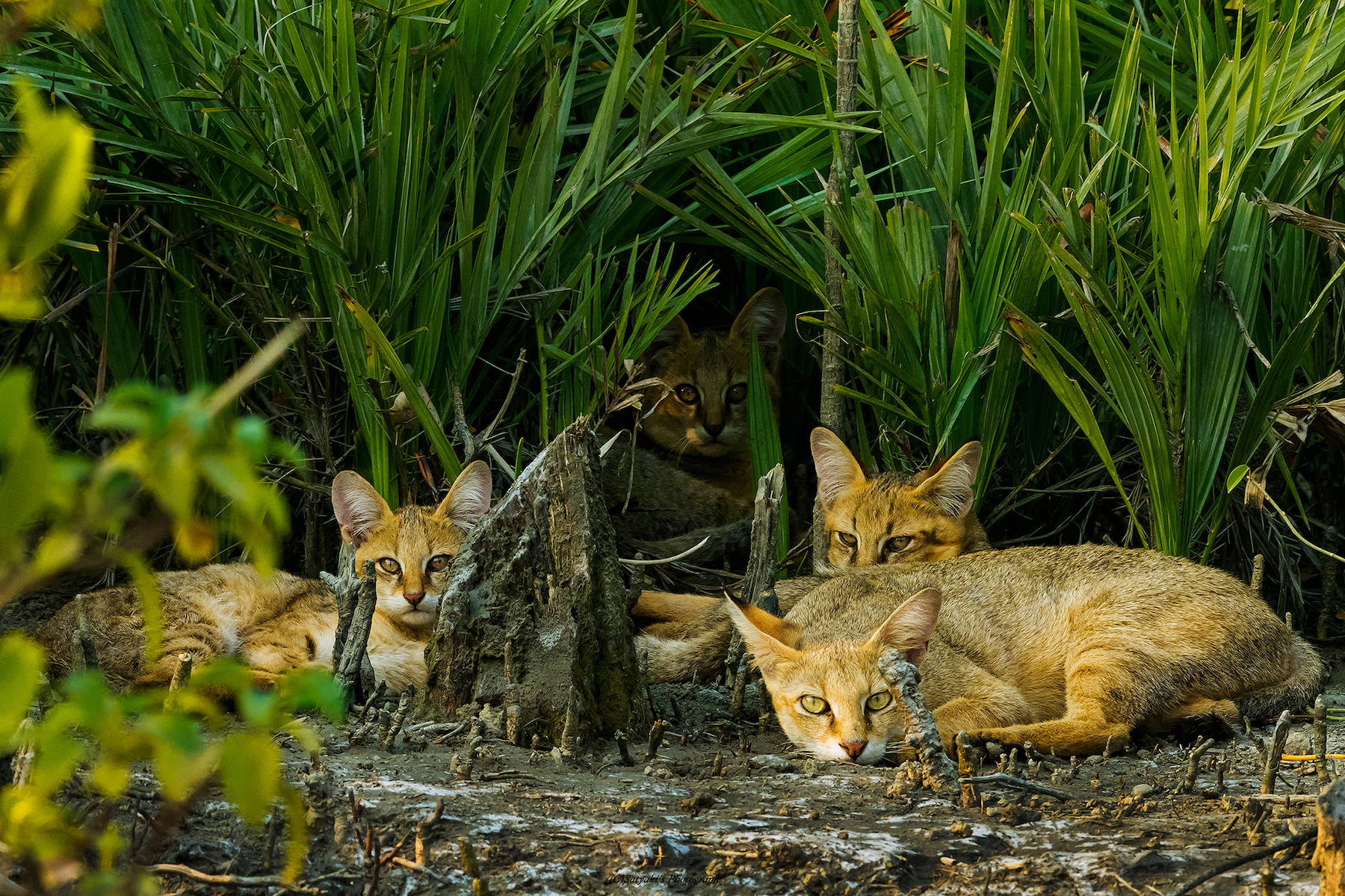
The 2026 Mangrove Photography Awards represent a unique intersection of art, science, and activism. By documenting the "Finest Flower of the Mangroves" and the "Cats Eye" of the wild, photographers are contributing to a global archive that may one day serve as a blueprint for restoration. In a world where environmental news is often dominated by narratives of decline, these awards provide a necessary counter-narrative of resilience, highlighting the enduring strength of an ecosystem that stands firmly between the land and the sea. The winners of the 2026 competition will be tasked with carrying this message forward, ensuring that the ecological superheroes of the coast are never again overlooked.