



In an educational landscape increasingly grappling with student disengagement, particularly within text-heavy subjects like English Language Arts (ELA), veteran high school teachers Brian Sztabnik and Susan Barber have launched a significant initiative aimed at revitalizing classroom participation. Their new book, "100% Engagement: 33 Lessons to Promote Participation, Beat Boredom, and Deepen Learning in the ELA Classroom," offers a practical compendium of strategies designed to transform passive reading into dynamic, interactive learning experiences. This publication stems from over a decade of the duo’s collaborative work in building an online community for ELA educators, identifying and addressing common pedagogical challenges.
The Enduring Challenge of Student Engagement in ELA
For generations, the ELA classroom has been a cornerstone of academic development, heavily relying on students’ ability to read, analyze, and interpret complex texts ranging from classic literature to contemporary articles and poetry. While foundational, this traditional approach can often lead to what many educators observe as "glazed-over eyes" and a perceptible lack of enthusiasm among students. The sheer volume of required reading, coupled with the cognitive demands of textual analysis, frequently contributes to disengagement, particularly in an era dominated by digital media and instant gratification.

Educational research consistently highlights the critical need for active learning strategies to combat this trend. Studies from organizations like the National Survey of Student Engagement (NSSE) frequently point to a correlation between active learning and improved academic outcomes, including higher-order thinking skills and deeper understanding. Data from sources such as The Education Trust also underscore disparities in engagement, often linked to the relevance students perceive in their curriculum and the methods used for instruction. In ELA, where abstract concepts and historical contexts are common, making texts relatable and the learning process dynamic becomes paramount. The shift from rote memorization and passive reception of information to active construction of knowledge is not merely a pedagogical preference but an evidence-based imperative for effective learning.
A Decade of Community Building: Much Ado About Teaching
The journey for Sztabnik and Barber towards compiling "100% Engagement" is rooted in their shared experience as frontline educators and their proactive engagement with the broader teaching community. Approximately a decade ago, both teachers recognized a pervasive struggle among their peers: how to consistently design lessons that genuinely captivated students’ attention and fostered deep learning, especially when interacting with potentially "dry" or challenging texts.
Their response was to leverage the burgeoning power of online platforms to forge connections. They co-founded "Much Ado About Teaching," a blog that quickly became a hub for ELA educators to share insights, challenges, and successful strategies. This was complemented by their active participation in and leadership of social media chats, creating a vibrant, virtual professional learning community. Through these interactions, Sztabnik and Barber gained an intimate understanding of the collective needs and frustrations of ELA teachers. The recurring theme was a demand for practical, replicable methods to enhance student participation and combat classroom boredom. This extensive, informal needs assessment directly informed the curation of strategies that would eventually form the backbone of their published work. The book, released earlier this year, therefore represents a distillation of years of collaborative inquiry and shared pedagogical wisdom within the ELA teaching community.
"100% Engagement": Strategies for a Dynamic ELA Classroom
The philosophy underpinning "100% Engagement" is simple yet profound: learning should be active, engaging, and often, physical. The book champions low-tech, accessible methods that encourage students to move, discuss, and manipulate materials, thereby transforming abstract textual analysis into a tangible experience. During a recent podcast interview, Sztabnik and Barber highlighted three exemplar strategies from their book, each designed to break the monotony of traditional classroom settings and foster genuine interaction with course material.
Strategy 1: Cutting Up Poems – Deconstructing for Deeper Understanding
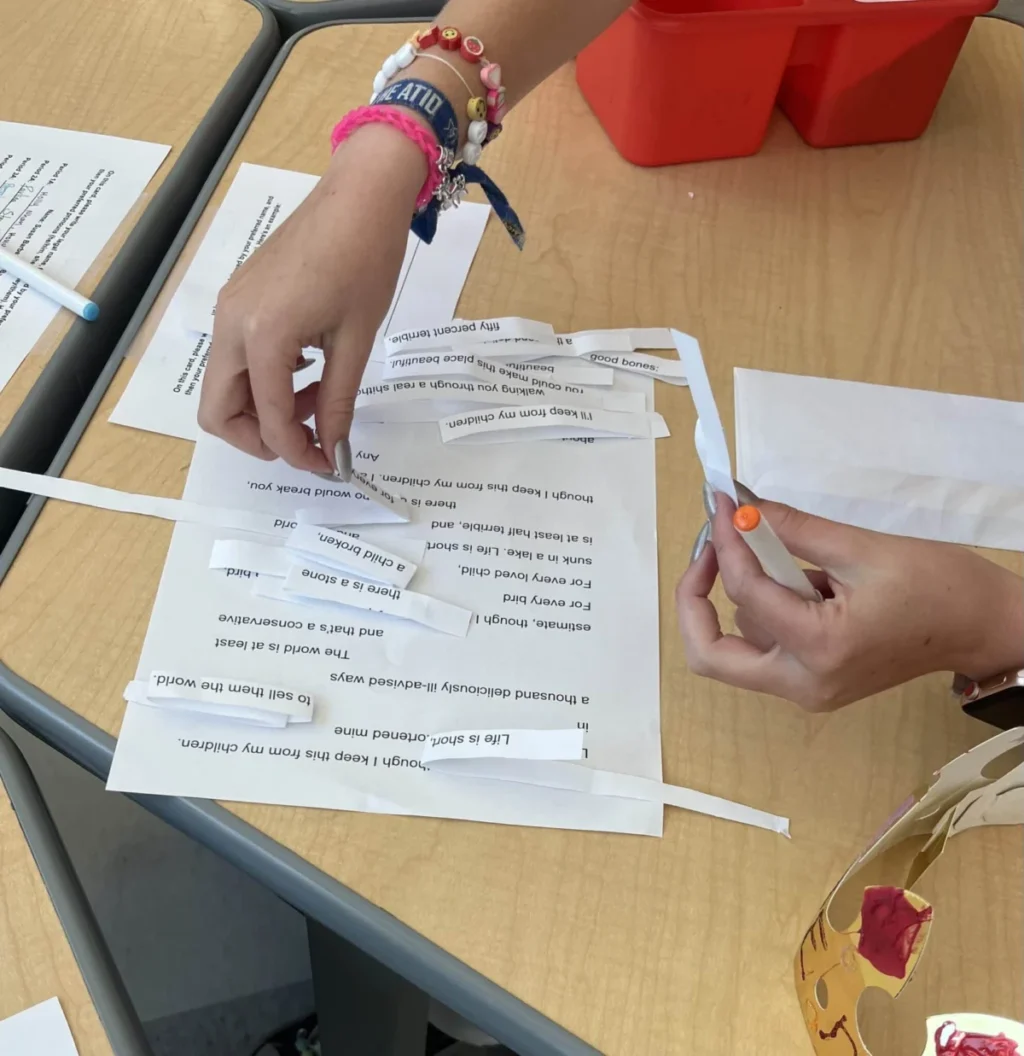
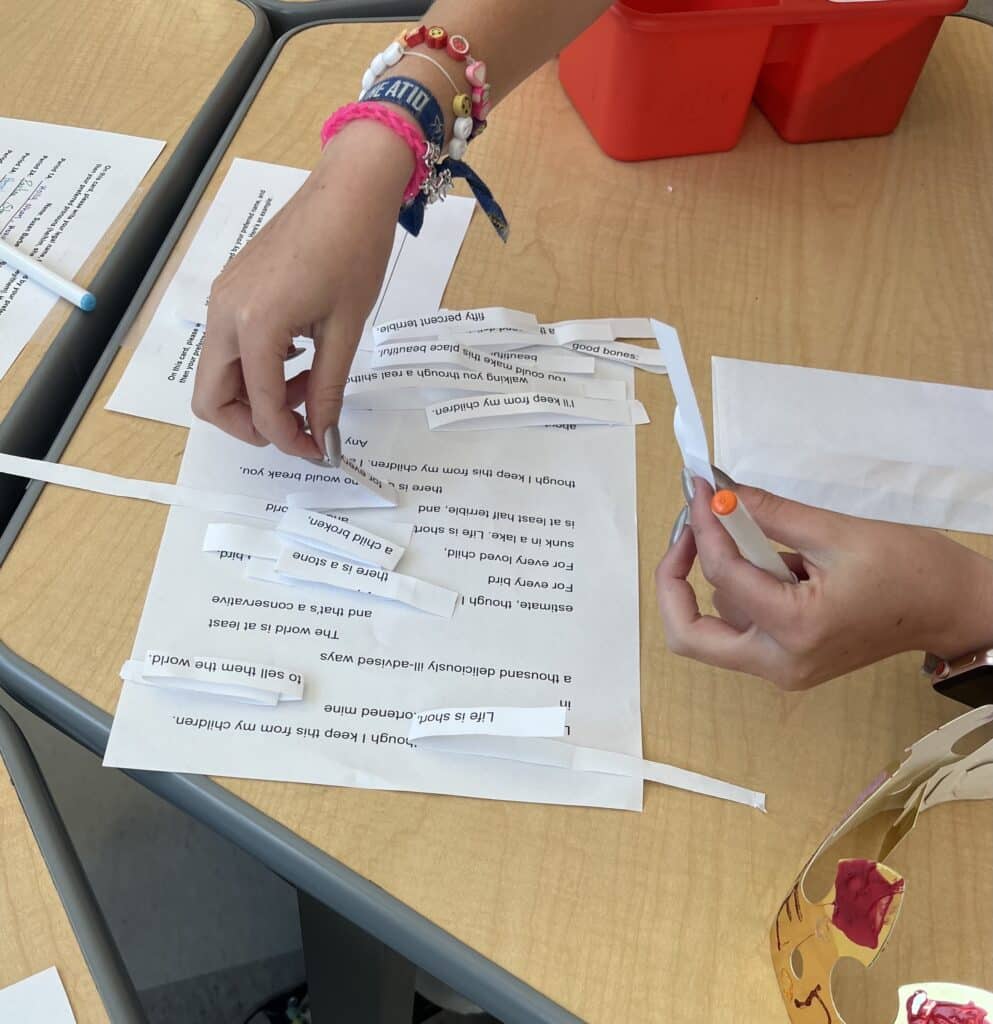
One of the standout techniques presented is "Cutting Up Poems," an ingenious method that physically deconstructs a poem to facilitate intensive close reading and analytical discussion. In this lesson, a poem is transcribed onto paper and then meticulously cut into individual words, phrases, or lines. Students are then tasked with reconstructing the poem to the best of their ability, often working in small groups. Following their reconstruction, they are required to annotate their version, explaining their structural choices, before finally comparing it to the original poem.

Susan Barber elucidates the power of this strategy: "It’s forcing the students to do a close reading of the poem. If I would have passed out this poem and said, ‘I want you to do a close reading,’ their eyes would be glazed over." She further elaborates on the cognitive processes involved: "They’re having to consider, ‘Does this make sense if it goes here? Well, this is a capital letter, so it may not go in the middle of those sentences, or this is a comma here, that may not fit right there.’ And so students are already thinking about this poem analytically, and having really good discussion. They’re reading closely." This hands-on, problem-solving approach covertly guides students through a rigorous textual analysis, transforming a potentially daunting task into an engaging puzzle. The immediate, tangible feedback loop of seeing their choices compared to the original solidifies their understanding of poetic structure, syntax, and meaning. It’s a prime example of what Barber playfully terms a "teacher trick"—a method that subtly yet effectively drives sophisticated learning outcomes.
Strategy 2: Inferential Timeline – Charting Narrative Significance
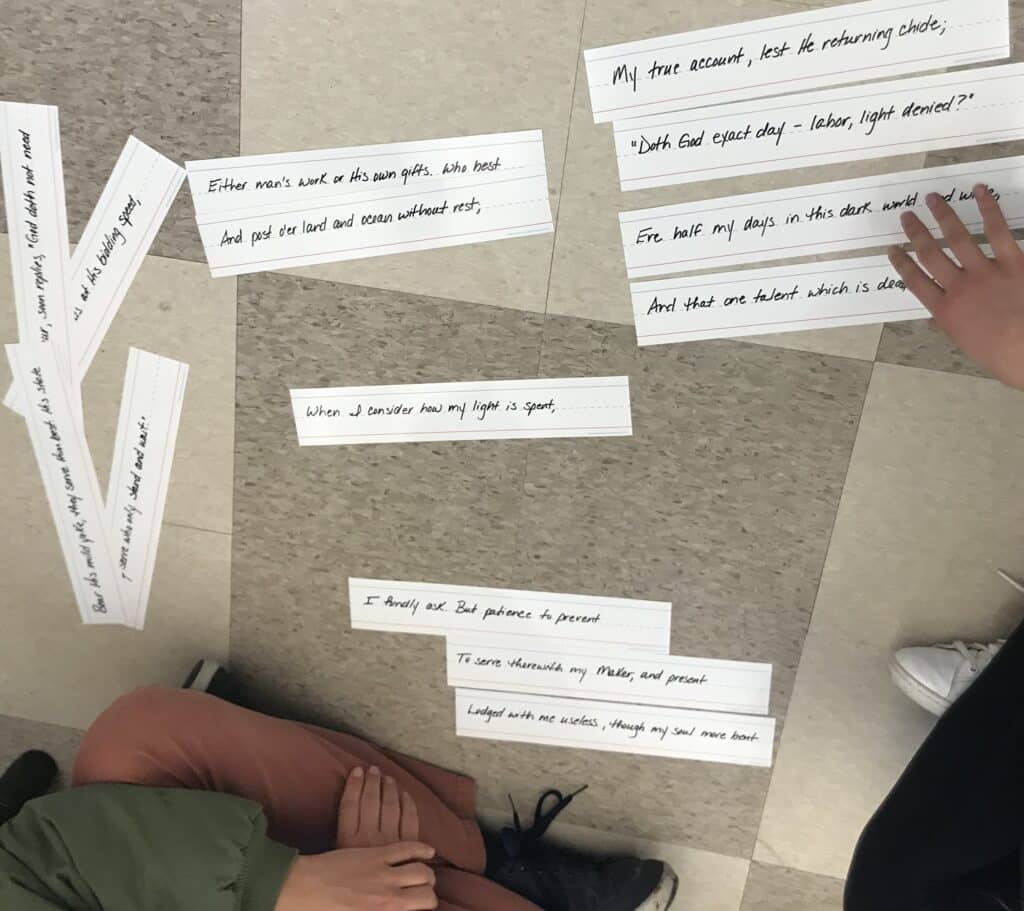
The "Inferential Timeline" strategy is designed to enhance students’ comprehension and analytical skills when engaging with longer narrative texts, such as novels. For a given section of a novel, each student is assigned a few pages and provided with an index card or post-it note. On this card, students are instructed to distill the most pivotal event or development from their assigned pages into one or two sentences, accompanied by a direct quote that exemplifies this moment. These cards form the top tier of a chronological timeline displayed prominently in the classroom.
Brian Sztabnik explains the initial phase: "What I’m really asking is to summarize the plot and boil it down to one or two sentences. So this is all about decision-making and cutting out the extraneous details and just focusing on what’s really important. And often it’s either character development or increasing conflict or maybe a symbol finally emerges." This initial step compels students to practice summarization and identify key narrative drivers.
The second tier of the timeline introduces a layer of inferential thinking and peer collaboration. Students select a classmate’s card from the top row and, beneath it, add a new card explaining the significance of that particular event within the broader context of the chapters. Sztabnik highlights the collaborative yet mentally independent nature of this phase: "It’s collaborative without being collaborative physically. It’s collaborative mentally: They have to look at their classmate’s card, determine what happened, and make an inference about why that event was so important in the grand scheme of those chapters. So here’s where we’re getting to the higher level thinking – we can understand the plot; now we need to draw conclusions." The lesson culminates in a "gallery walk," where students tour the completed timeline, taking notes on the various interpretations and inferences made by their peers, thereby enriching their collective understanding of the narrative arc and its underlying themes.
Strategy 3: Text Rendering – Precision in Meaning-Making
"Text Rendering" is a powerful technique for cultivating analytical precision and focusing students on the nuanced meaning within a passage. This strategy begins with students examining a specific passage of text. Their task is to progressively narrow their focus, first by identifying the single most important sentence or line within that passage. From that chosen sentence, they then select the most crucial phrase or clause. Finally, they isolate the single most impactful word from that phrase.
Following these individual selections, students are asked to defend their choices to their classmates, articulating their rationale for each progressive reduction. Subsequently, small groups collaborate to synthesize these individual insights and draw collective conclusions about the passage’s overarching meaning and significance.
Barber developed this lesson to address a common academic hurdle: "I have trouble every year getting students to narrow their focus when they’re making meaning from the text. They talk in these really big, general ideas, and I would be like, ‘Where did this come from?’ And they’re like, ‘You know, it’s just there.’ It has to come from someplace specific in the text. I had to find some activity to get them to take the big ideas to the small." This method directly targets the development of analytical precision, forcing students to anchor their interpretations in specific textual evidence and move from broad impressions to granular understanding. It refines their ability to identify core ideas, understand authorial intent, and articulate their interpretations with clarity and supporting evidence.
Broader Impact and Educational Implications
The strategies championed by Sztabnik and Barber in "100% Engagement" resonate with a broader pedagogical shift towards active, student-centered learning that extends beyond the ELA classroom. These low-tech, highly interactive methods offer significant implications for educational practice:
- Enhanced Student Outcomes: By actively engaging with texts, students are more likely to develop deeper comprehension, critical thinking skills, and the ability to articulate complex ideas. This moves beyond surface-level understanding to a more profound cognitive engagement with the material.
- Increased Motivation and Engagement: The novelty and collaborative nature of these lessons can significantly boost student interest and intrinsic motivation, transforming potentially tedious tasks into enjoyable intellectual challenges. This is crucial for maintaining student attention in an increasingly competitive information environment.
- Development of Transferable Skills: Beyond ELA-specific competencies, these strategies cultivate essential 21st-century skills such as critical analysis, problem-solving, collaboration, communication, and decision-making—skills vital for success in any academic or professional field.
- Accessibility and Equity: The low-tech design of these strategies ensures they are accessible to a wide range of schools, regardless of their technological resources. This promotes educational equity by providing effective engagement tools that do not rely on expensive digital infrastructure.
- Teacher Empowerment and Professional Development: The book and the authors’ associated online community (including their "100% Engagement" Facebook group and "Much Ado About Teaching" blog) provide invaluable resources for educators. They offer concrete, ready-to-implement lessons that can be adapted to various texts and grade levels, empowering teachers to innovate and revitalize their instructional practices. This model of teacher-led innovation and peer-to-peer support is increasingly recognized as a powerful form of professional development.
In an era where educators are continually seeking innovative ways to captivate and educate, "100% Engagement" provides a timely and practical toolkit. Sztabnik and Barber’s work not only addresses a critical need in ELA instruction but also exemplifies the power of teacher collaboration in driving pedagogical advancement and fostering a more dynamic, participatory learning environment for all students. Their contributions underscore a commitment to making literary analysis an active, rather than passive, pursuit, ultimately enriching the educational journey for both students and teachers.