



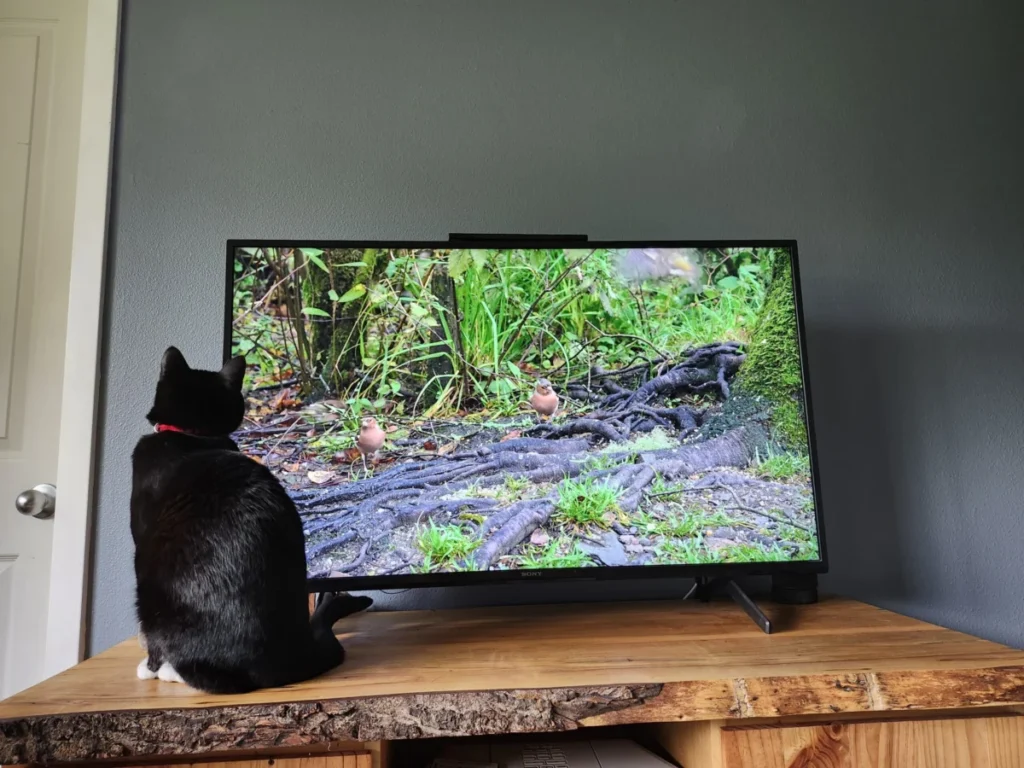
The integration of digital media into the domestic environment has extended beyond human consumption, giving rise to a burgeoning niche of entertainment specifically designed for Felis catus. While pet owners have long observed their feline companions reacting to movement on television screens, recent scientific inquiry and the proliferation of high-definition streaming content have transformed "Cat TV" from a domestic curiosity into a recognized tool for environmental enrichment. The phenomenon is rooted in the predatory biology of the domestic cat, utilizing visual and auditory stimuli to mimic the naturalistic behaviors of prey species. As digital platforms like YouTube host thousands of hours of content tailored to feline vision and instinct, researchers and animal behaviorists are increasingly examining the efficacy, benefits, and potential drawbacks of using screens as a primary source of stimulation for indoor pets.
The Foundations of Feline Visual Perception and Media Engagement
To understand why cats engage with digital media, it is necessary to examine the physiological mechanics of feline vision. Domestic cats are highly specialized crepuscular hunters, meaning their eyes are evolved for detecting rapid movement in low-light conditions. A critical factor in a cat’s ability to "watch" television is the flicker fusion frequency—the speed at which individual frames of light appear as a continuous image. While humans generally perceive fluid motion at approximately 50 to 60 hertz (Hz), cats require a higher refresh rate, often exceeding 70 to 80 Hz, to see a seamless image rather than a series of flickering lights.
The transition from older Cathode Ray Tube (CRT) televisions to modern Liquid Crystal Display (LCD) and Organic Light Emitting Diode (OLED) screens has significantly enhanced the accessibility of television for cats. Older monitors often appeared as strobing lights to felines, whereas modern high-refresh-rate screens provide the visual clarity necessary for a cat to track a digital bird or mouse with the same precision they would use in the wild. This technological shift has laid the groundwork for the current explosion in feline-specific programming.
Chronology of Feline Media: From Video Catnip to Global Streaming
The concept of entertaining cats via screens is not a modern invention of the internet age, though its delivery systems have evolved significantly.
- The Analog Era (1980s–1990s): The first commercial attempts at feline entertainment appeared in the form of VHS tapes. Titles such as "Video Catnip," released in the late 1980s, featured looped footage of birds and squirrels at feeders. These were marketed as "babysitters" for indoor cats, providing visual stimulation during the workday.
- The Digital Transition (2000s): With the advent of DVDs, content became more accessible and durable. In 2008, the scientific community began formalizing the study of these interactions, most notably with research conducted at Queen’s University Belfast.
- The YouTube and Streaming Explosion (2010s–Present): The rise of high-bandwidth internet allowed creators like Paul Dinning and channels such as "Birder King" to reach a global audience. Content shifted from simple loops to 4K ultra-high-definition broadcasts, some lasting over ten hours, designed to provide continuous enrichment for cats left alone in urban environments.
The 2008 Queen’s University Study: Empirical Evidence for Content Preference
A pivotal moment in the history of feline media was the publication of a study in the journal Applied Animal Behaviour Science by researchers at Queen’s University Belfast. The study sought to determine whether television could serve as an effective form of environmental enrichment for cats in confined or stressful environments, such as animal shelters.
The researchers observed 125 cats—67 males and 58 females—all of which were housed in a rescue shelter. The methodology involved exposing the cats to different types of visual stimuli on monitors. The researchers categorized the content into three distinct types:
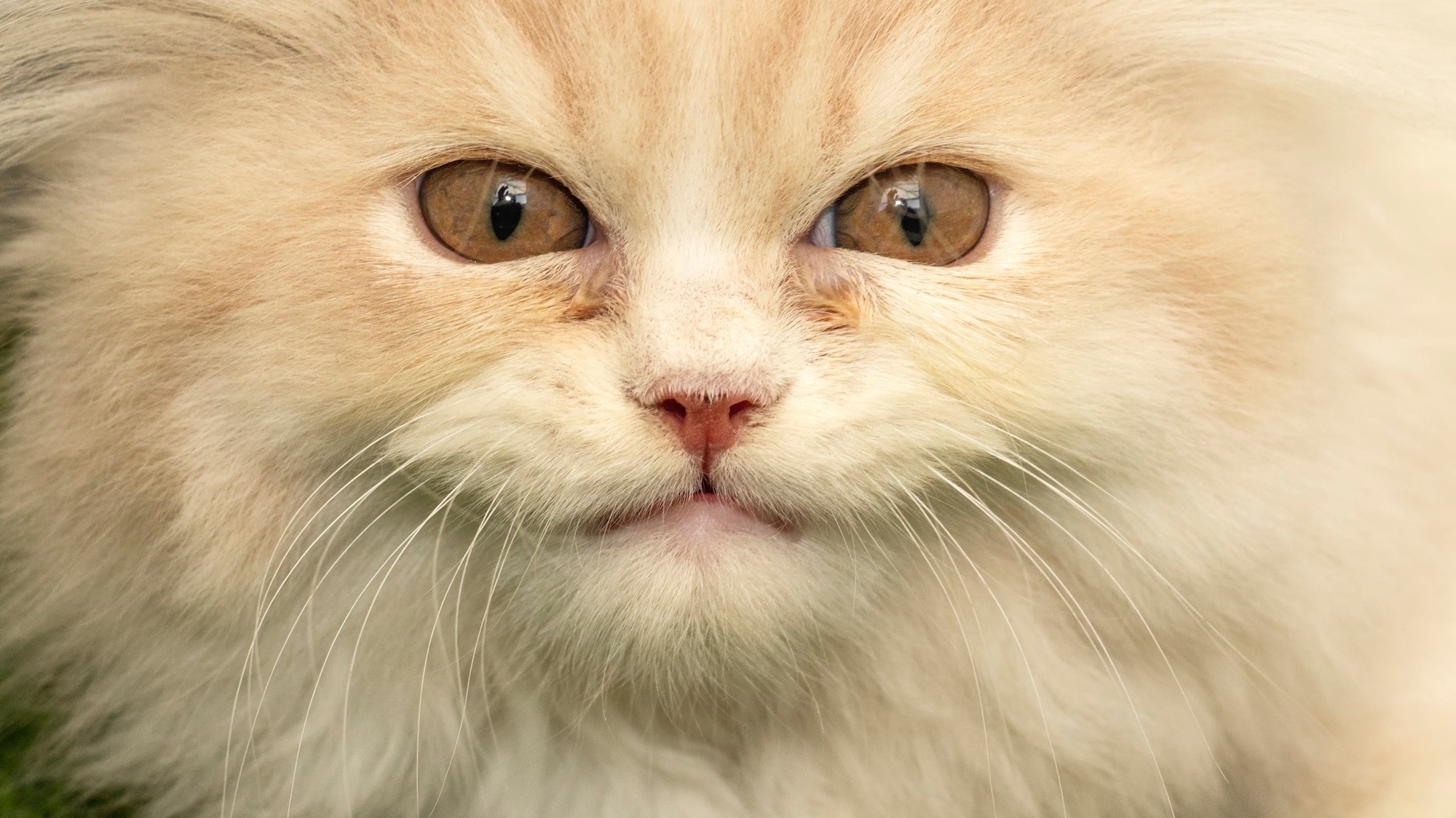
- Human-Centric Content: Footage of humans performing everyday tasks.
- Inanimate Motion: Abstract objects, such as billiard balls, moving across the screen.
- Biological/Prey Content: Naturalistic footage of traditional feline prey, including birds, rodents, and fish.
The results provided a clear hierarchy of interest. The "human-centric" videos were largely ignored, with cats showing no more interest in them than they did in a blank control screen. Inanimate objects moving across the screen garnered moderate attention. However, the "biological" content—specifically prey animals moving and feeding—was the overwhelming favorite. The study concluded that these images are "inherently interesting" to a predatory species, suggesting that such programming could alleviate boredom and stress in shelter environments.
However, the study also identified a significant behavioral trend: the "binge-watching" limit. Interest in the screens peaked during the first hour of exposure and declined sharply thereafter. By the three-hour mark, the majority of the subjects had disengaged, indicating that while digital media is an effective short-term stimulant, it cannot replace physical interaction or complex environmental variety.
Analyzing Current Content Trends: Nature vs. Animation
The current market for feline media is divided into two primary genres: naturalistic footage and stylized animation.
Naturalistic Cinematography
Channels like those managed by Paul Dinning or the "Handsome Nature" series focus on high-definition, long-form footage of wildlife. These videos are often shot in gardens or forests, featuring close-ups of birds, squirrels, and mice. The appeal of this content lies in its realism; the sounds of chirping and the erratic, high-frequency movements of the animals trigger the cat’s "seeking" system in the brain. For many indoor cats, these videos serve as a "digital window," providing a safe way to observe the outside world without the risks of outdoor predation or traffic.
Synthetic and Animated Stimulation
Conversely, channels such as "TV Bini" and "Cat Games" utilize bright, high-contrast animations. These often involve digital laser pointers, bouncing balls, or cartoon insects moving rapidly across a plain background. While these are designed to elicit a high-intensity chase response, some animal behaviorists express concern over this style of content. The "frantic" nature of the animation can sometimes lead to overstimulation or frustration, as the cat is unable to physically capture the "prey" on the screen.
Behavioral Implications: Enrichment or Frustration?
The use of "Cat TV" is not without controversy among veterinary professionals. The primary concern is the "predatory loop"—the sequence of stalking, pouncing, and capturing. When a cat engages with a screen, the final stage of the loop—the physical catch—is impossible.
Some behaviorists argue that long-term exposure to digital prey without a physical reward can lead to a state of chronic frustration. To mitigate this, experts often recommend "interactive feeding" or "treat-rewarded play" in conjunction with screen time. For example, a pet owner might hide treats around the room or provide a physical toy immediately after the cat finishes watching a video to provide a sense of completion to the hunting instinct.
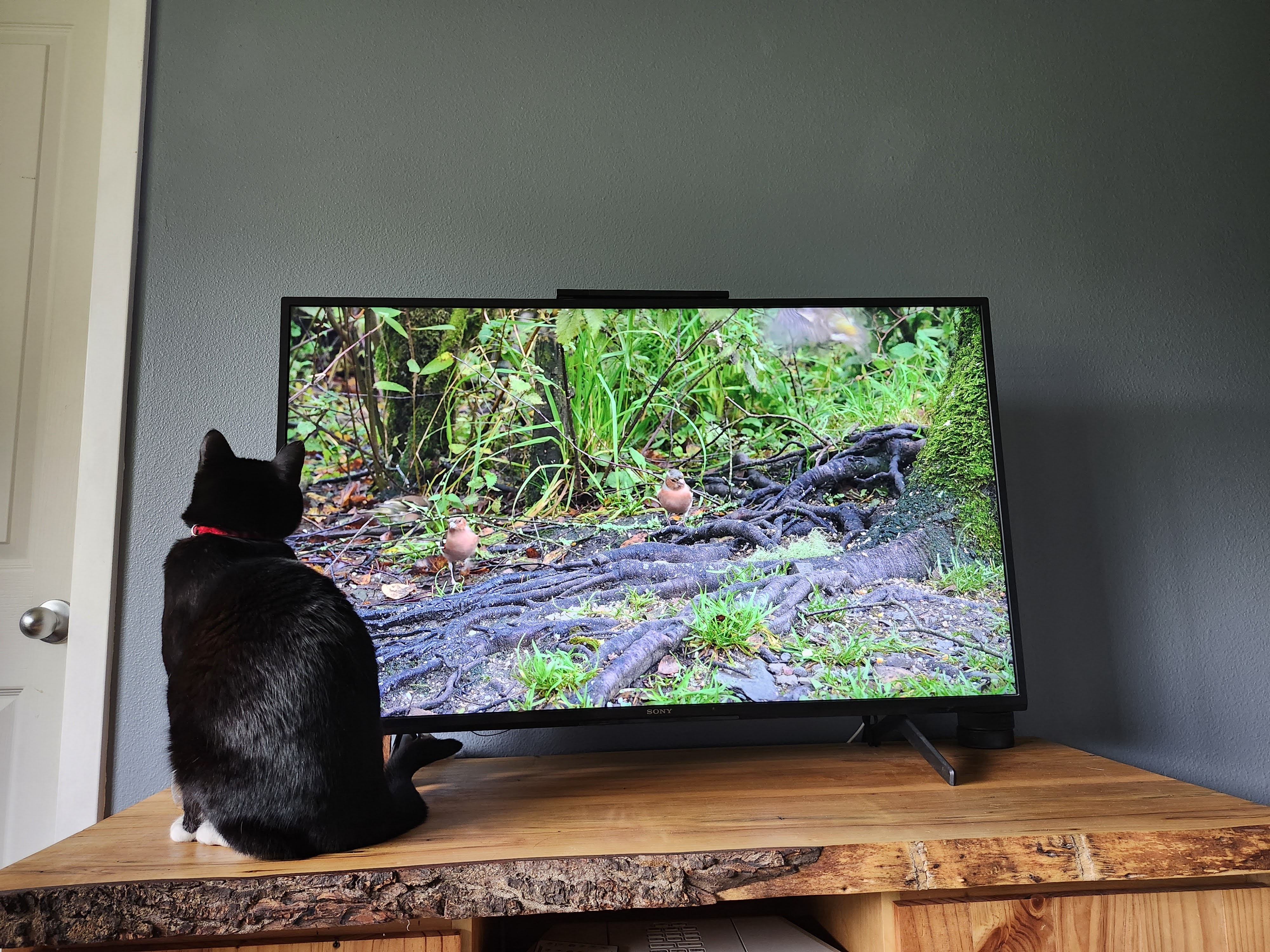
Despite these concerns, the broader consensus is that for the millions of indoor cats living in small apartments, digital media provides a vital "sensory bridge." It prevents the cognitive decline associated with under-stimulated environments, which can manifest as destructive behavior, over-grooming, or lethargy.
The Broader Impact on the Pet Tech Industry
The rise of feline media is a subset of a larger trend in the "Pet Tech" industry, which is projected to reach billions of dollars in global valuation by the end of the decade. Companies are now developing specialized hardware, including tablet covers designed to withstand claws and "smart" televisions with built-in "pet modes" that adjust color and frame rates for animal vision.
The data gathered from streaming platforms indicates a massive demand. Top feline-centric YouTube channels boast millions of subscribers and hundreds of millions of views, suggesting that "Cat TV" has become a standard tool in the modern pet owner’s toolkit. This has also created a new economy for wildlife cinematographers, who now find a secondary market for their footage among feline audiences.
Conclusion: The Future of Interspecies Media
As our understanding of feline cognition and sensory perception advances, the content produced for cats is likely to become even more sophisticated. Future developments may include "smell-o-vision" components through scent-releasing devices synced with visual content or interactive screens that respond to a cat’s paw movements.
Ultimately, the science of cat television confirms that while domestic cats have lived alongside humans for millennia, their fundamental predatory instincts remain sharp. Digital media, when used responsibly and as part of a balanced environment, offers a powerful means of honoring those instincts within the confines of the modern home. The 2008 Belfast study was a landmark in acknowledging that the animals in our care have complex psychological needs that can be addressed through thoughtful, science-based media design. As we move forward, the screen will continue to serve as a fascinating intersection between human technology and feline biology.