

The Nikon Comedy Wildlife Awards have officially announced the winner of the Sterna People’s Choice Award, honoring Alison Tuck for her impeccably timed photograph of a gannet struggling against the high winds of the Yorkshire coast. The image, titled "Now which direction is my nest?", resonates with a global audience by capturing a moment of avian disorientation that mirrors human frustration. Selected from a competitive pool of forty finalists, Tuck’s victory highlights the growing influence of the competition, which seeks to blend high-level wildlife photography with a lighthearted approach to environmental conservation.
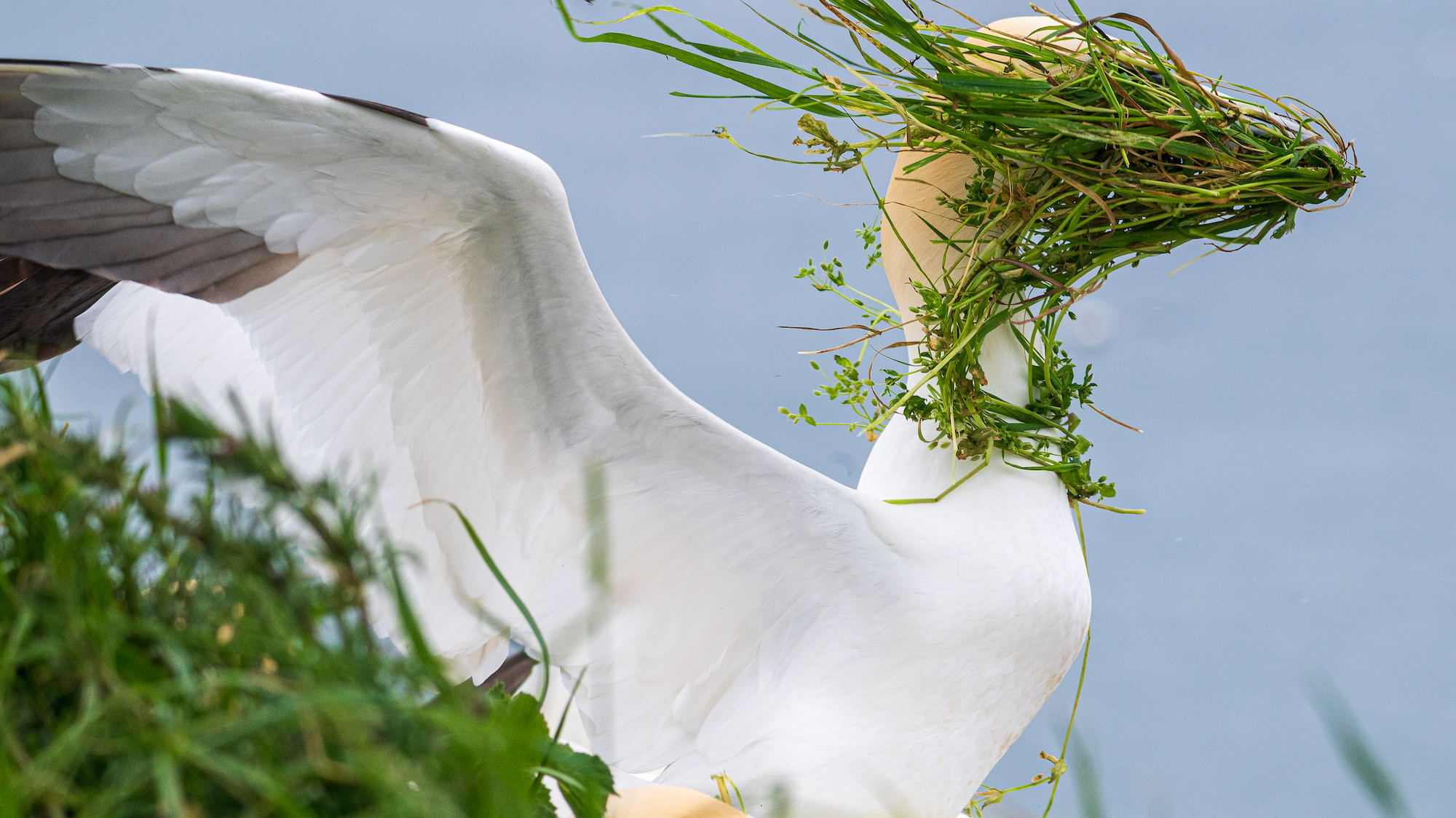
The photograph was captured at Bempton Cliffs, a site renowned for its massive seabird colonies. On a day characterized by particularly gusty conditions, Tuck managed to frame a gannet whose feathers and surroundings were whipped into a chaotic blur, effectively obscuring its vision and direction. This win marks a significant milestone for Tuck, an amateur photographer whose work emphasizes the narrative potential of the natural world.
The Triumph of the Disoriented Gannet
In an official statement following the announcement, Alison Tuck reflected on the circumstances that led to the award-winning shot. She noted that the image was taken during the peak of the nesting season, a time when the cliffs are a hive of activity and the birds are under significant pressure to provide for their young. The breezy conditions, while challenging for the birds, provided the perfect atmospheric backdrop for a comedic composition.
Tuck’s philosophy toward photography is rooted in a deep-seated respect for all living creatures. She expressed a passion for documenting wildlife of all scales, from minute insects to apex predators. For Tuck, every animal tells a story, and the role of the photographer is to act as a silent biographer of the natural world. The "People’s Choice" designation is particularly prestigious within the context of this competition, as it reflects a direct connection between the photographer’s timing and the public’s sense of humor.
The gannet (Morus bassanus) is the largest seabird in the North Atlantic, known for its striking white plumage and its ability to dive from great heights into the sea to catch fish. While they are typically seen as masters of the air and sea, Tuck’s photo humanizes the species by showing a moment of vulnerability and confusion.
A Decade of Conservation Through Comedy
The Nikon Comedy Wildlife Awards, formerly known simply as the Comedy Wildlife Photography Awards, was co-founded in 2015 by professional photographers Paul Joynson-Hicks and Tom Sullam. The initiative was born out of a desire to create a photography competition that was accessible, engaging, and focused on a serious underlying message: the need for global wildlife conservation.
By showcasing the humorous side of nature, the organizers aim to foster a sense of empathy and connection that traditional, more somber wildlife documentaries might miss. The competition has grown exponentially over the last decade, attracting thousands of entries from over 150 countries. The partnership with Nikon has further elevated the technical standards of the competition, ensuring that while the subjects are funny, the photographic quality remains world-class.
A core component of the awards is its support for conservation charities. In recent years, the competition has partnered with the Whitley Fund for Nature (WFN), a UK-based charity that provides funding and support to conservation leaders across the Global South. A portion of the proceeds from the competition’s books and exhibitions goes directly toward these efforts, proving that laughter can indeed lead to tangible environmental protection.
Detailed Analysis of the 2025 Finalists
The 2025 cohort of finalists represented a diverse array of species and geographical locations, each capturing a unique behavioral quirk. While Alison Tuck took home the People’s Choice Award, several other photographers received high praise for their contributions to the field of comedic ethology.
Mammalian Humor: From Bears to Primates
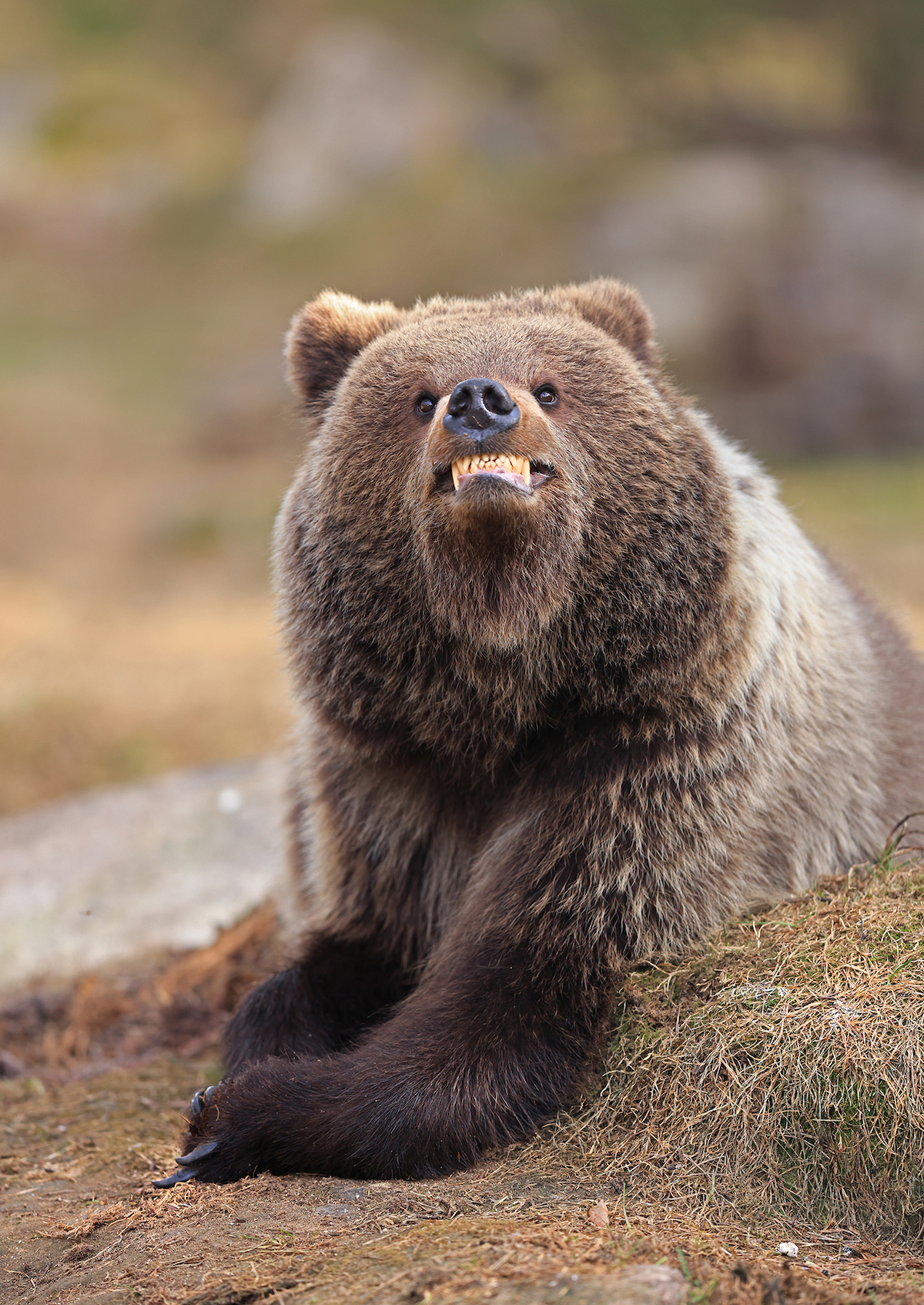
One of the standout entries was "Smile, you’re being photographed" by Valtteri Mulkahainen. Captured in the Suomussalmi district of Finland, the image features a one-year-old brown bear cub that appears to be grinning directly at the camera. Mulkahainen noted that the cub seemed accustomed to the presence of photographers, striking a pose that felt almost practiced.
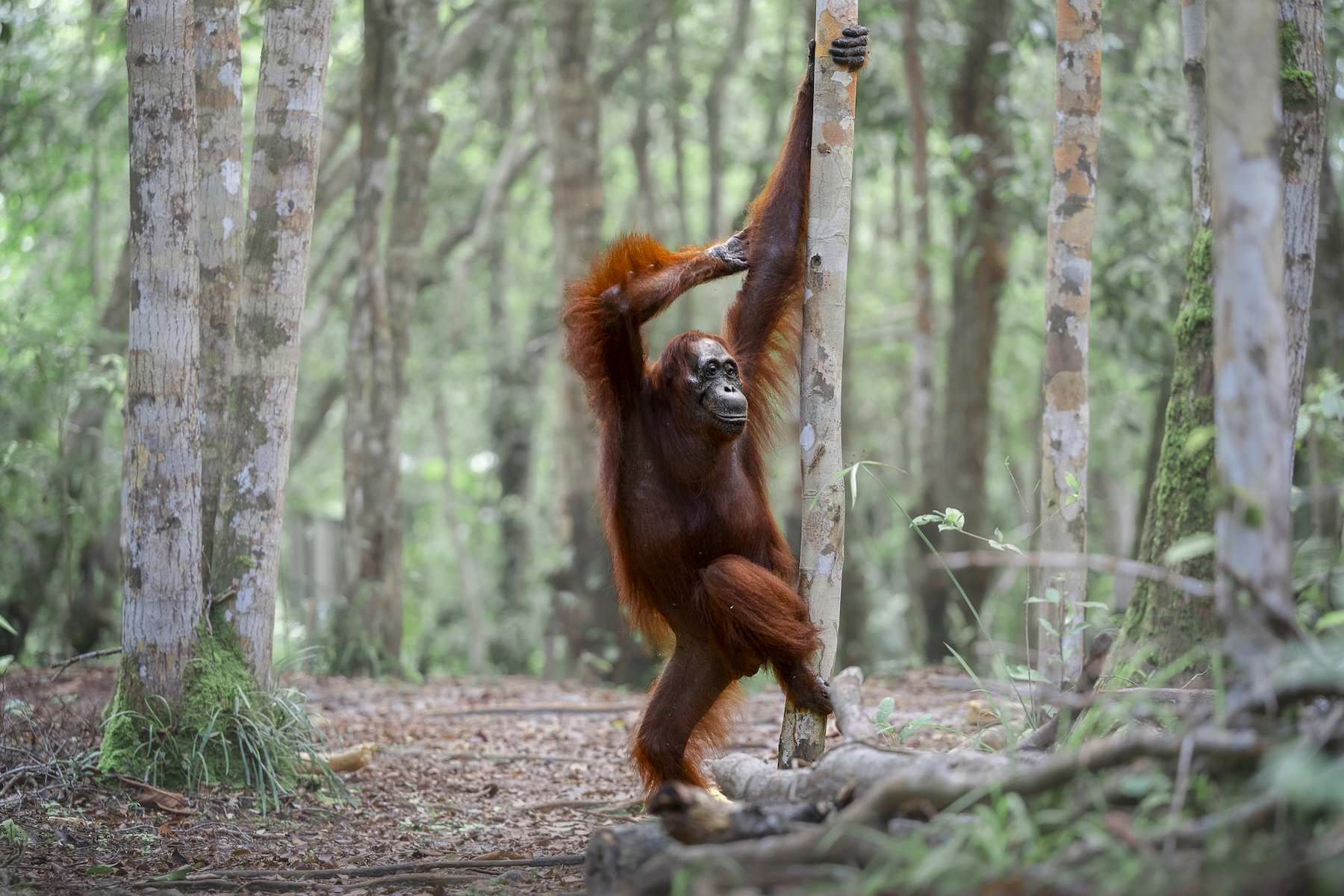
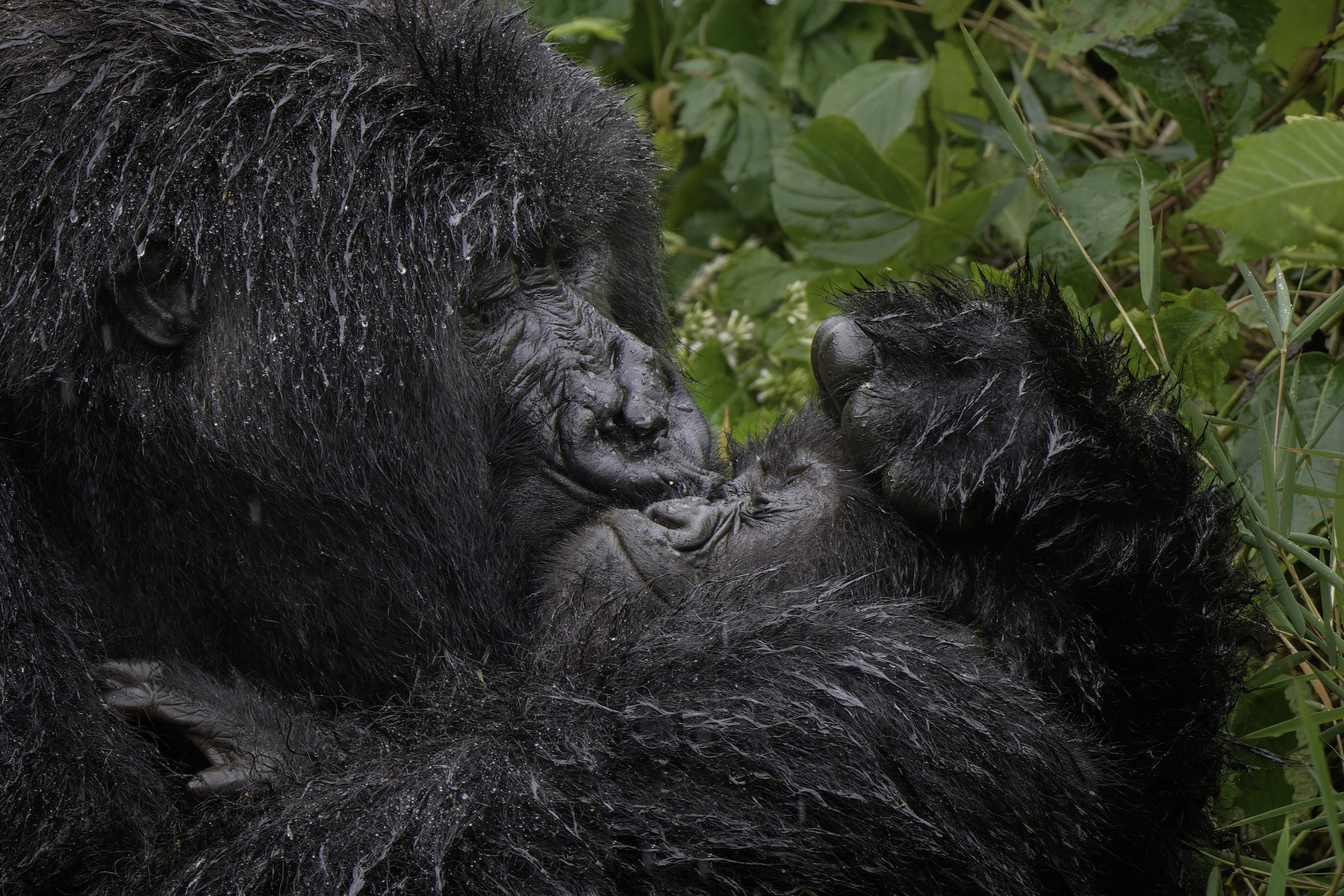
In the forests of Borneo, Michael Stavrakakis captured a female orangutan in a pose reminiscent of a classic cinematic scene. Titled "Paint Me Like One of Your Forest Girls," the photo shows the primate lounging with a dramatic flair, catching the sunlight in a way that suggests a self-aware theatricality. Similarly, Mark Meth-Cohn’s "Aaaaaww Mum!" from Rwanda depicts a mountain gorilla mother giving her infant a "sloppy kiss," a poignant and humorous reminder of the maternal bonds shared by primates.
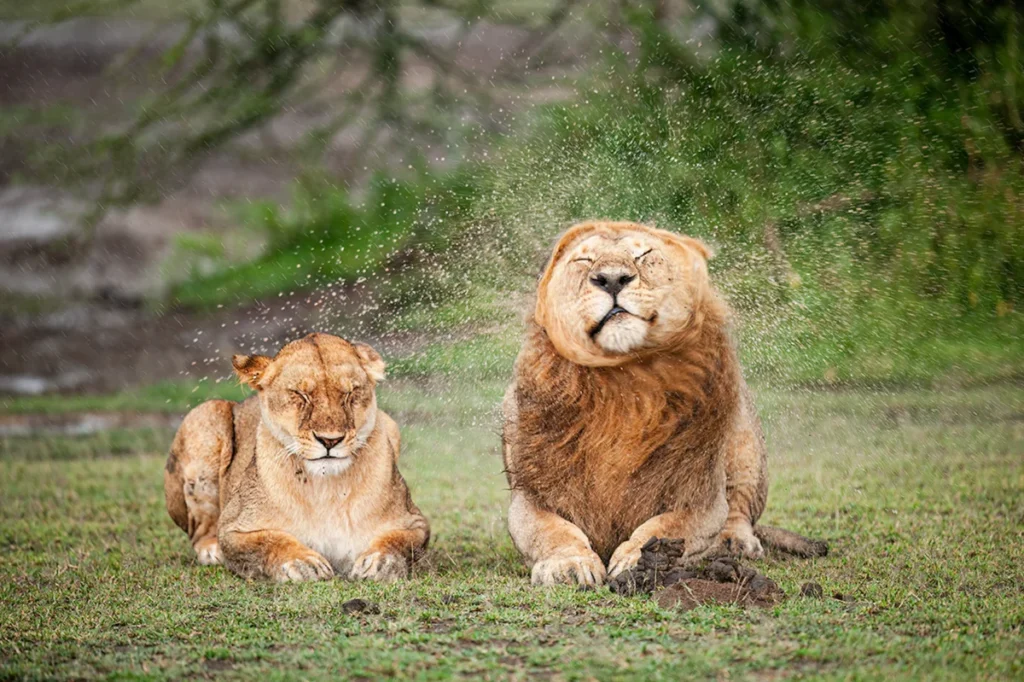
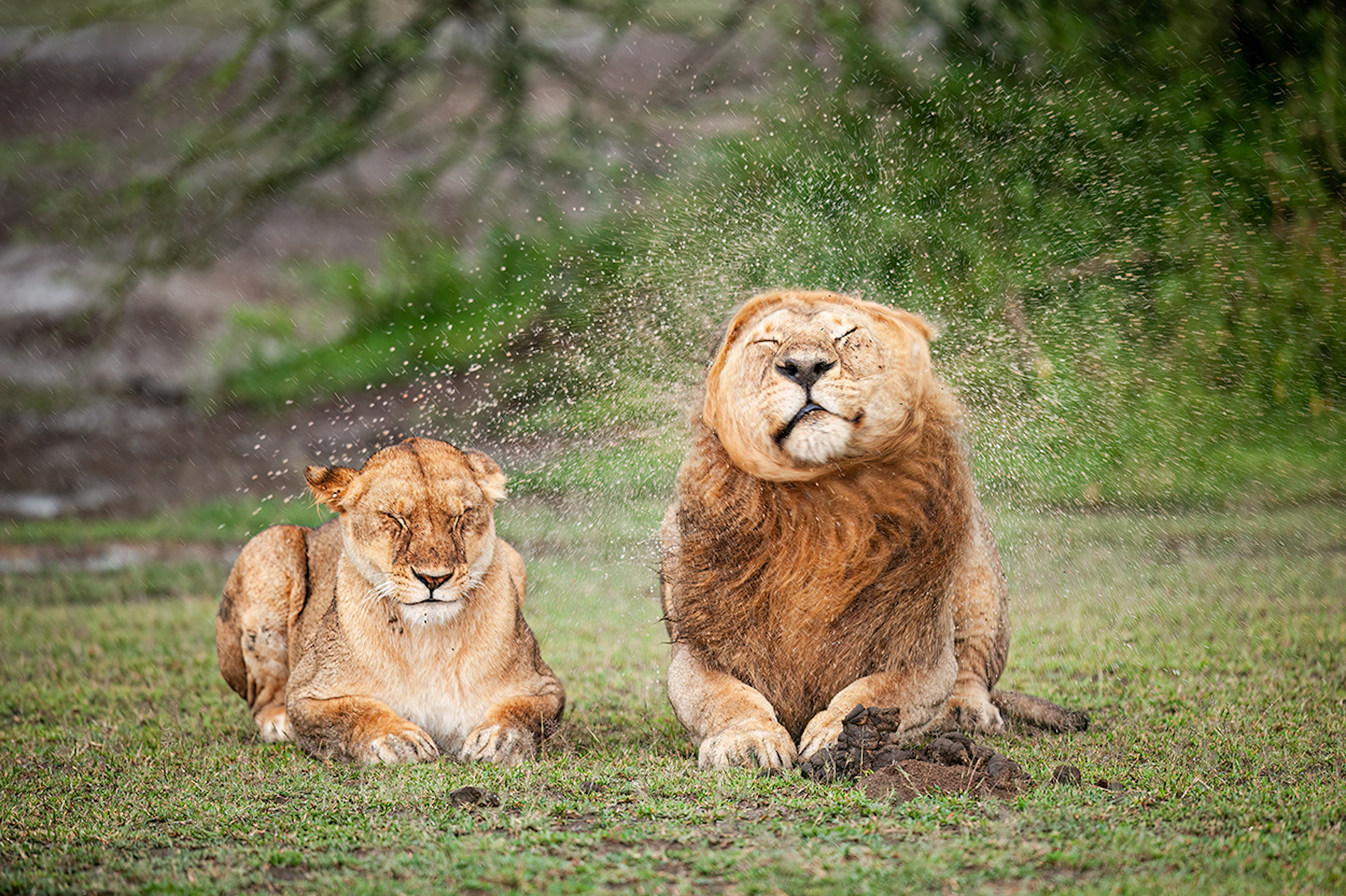
The Serengeti National Park in Tanzania provided the backdrop for two other notable mammal entries. Massimo Felici’s "Darling, please stop!" captures a lioness looking visibly annoyed as her mate shakes his rain-soaked mane over her. Meanwhile, Bret Saalwaechter’s "I Just Can’t Wait To Be King" documents a group of lion cubs engaged in a "toddler tantrum," relentlessly pestering their mother for attention during the heat of the dry season.
Avian and Reptilian Antics
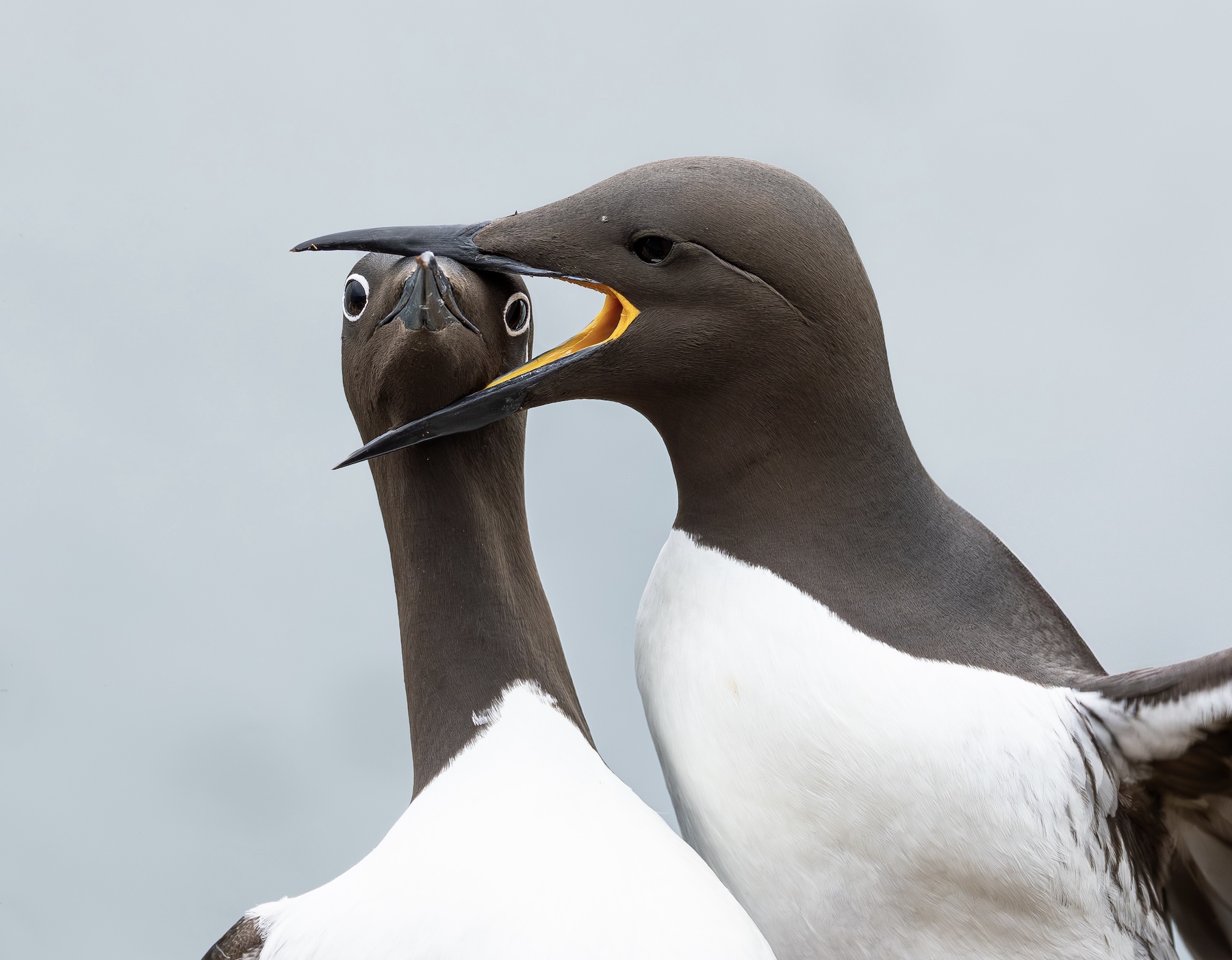
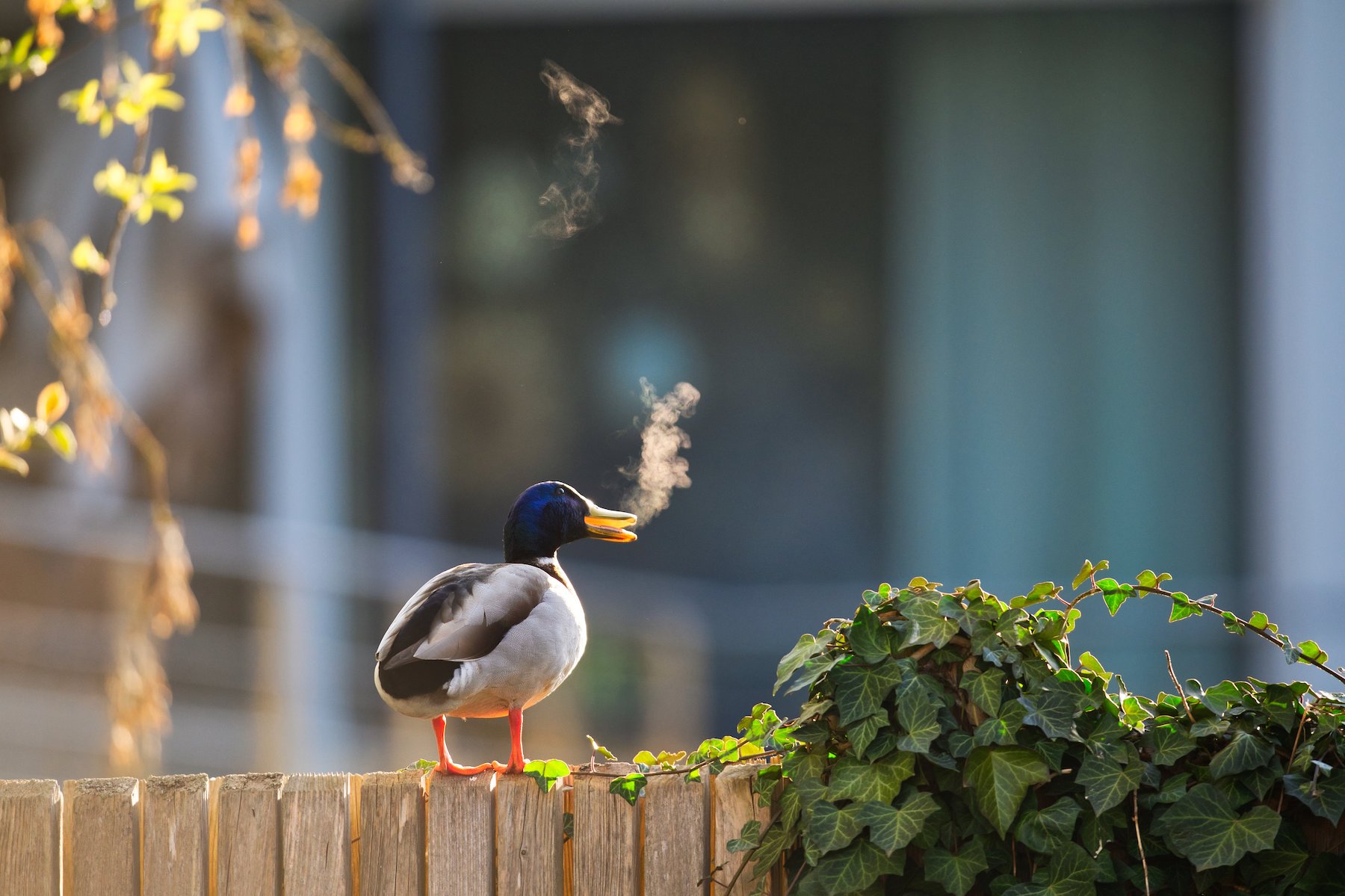
The avian category was particularly strong this year. Beyond Tuck’s winning gannet, Lars Beygang submitted "Outdoor smoking zone," a photograph of a mallard in Bavaria. On a freezing morning, the duck’s breath condensed in the air in such a way that it appeared to be holding a cigarette. In Norway, Warren Price captured two Bridled Guillemots in a "domestic dispute," with one bird appearing to put the other in a literal headlock.
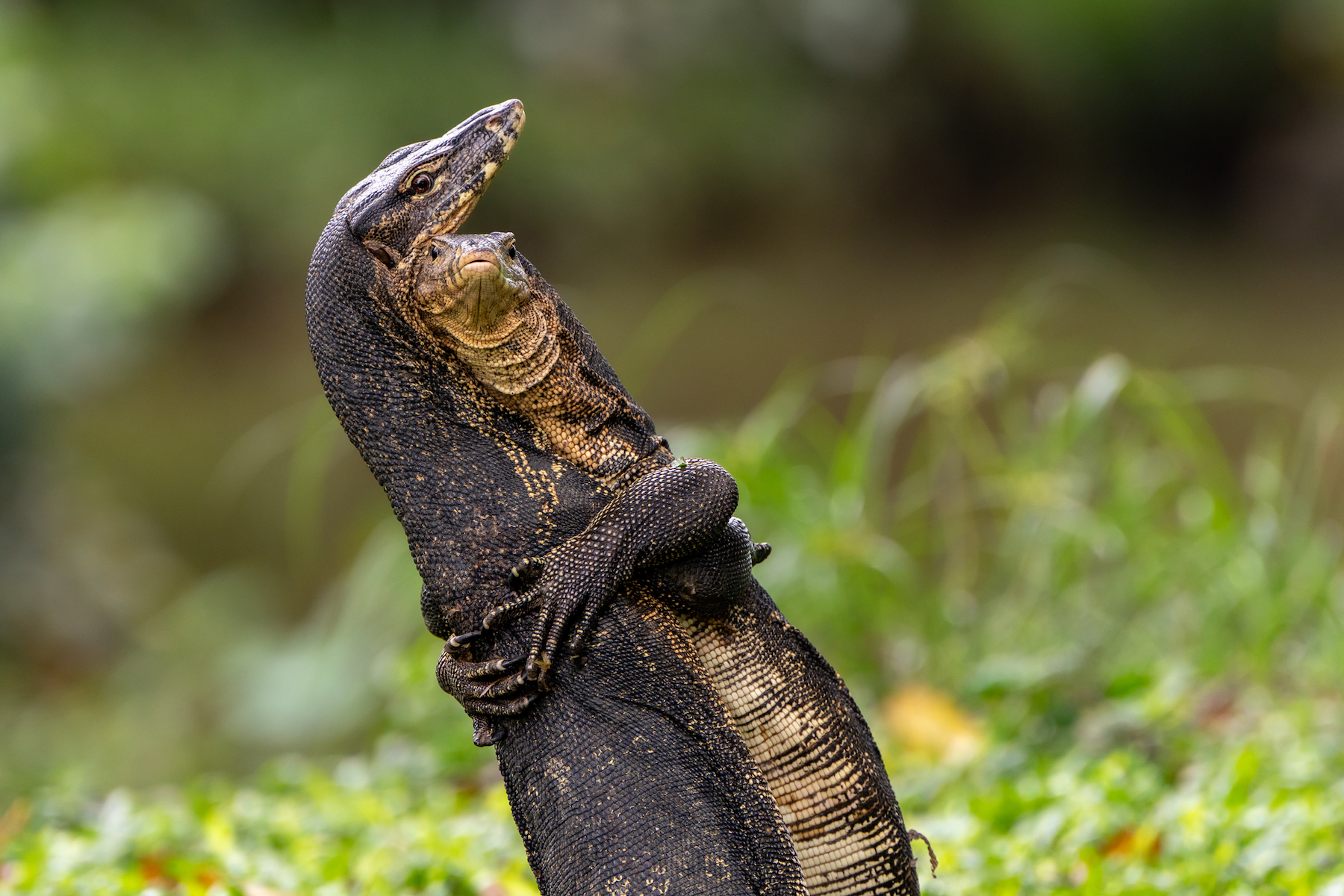
In the realm of reptiles, Jessica Emmett’s "Battle Hug" from Singapore shows two Asian water monitors engaged in a territorial struggle. Due to the way the lizards were entwined, the aggressive encounter appeared more like an affectionate embrace. Another notable entry came from Grayson Bell in Maine, whose photo "Baptism Of The Unwilling Convert" depicts one green frog pushing another under the water during a territorial fight, creating a scene that looked hilariously liturgical.
The Role of Anthropomorphism in Wildlife Engagement
The success of the Nikon Comedy Wildlife Awards relies heavily on anthropomorphism—the attribution of human traits, emotions, or intentions to non-human entities. While scientific purists often caution against this practice in formal research, the awards demonstrate its power as a tool for public engagement.
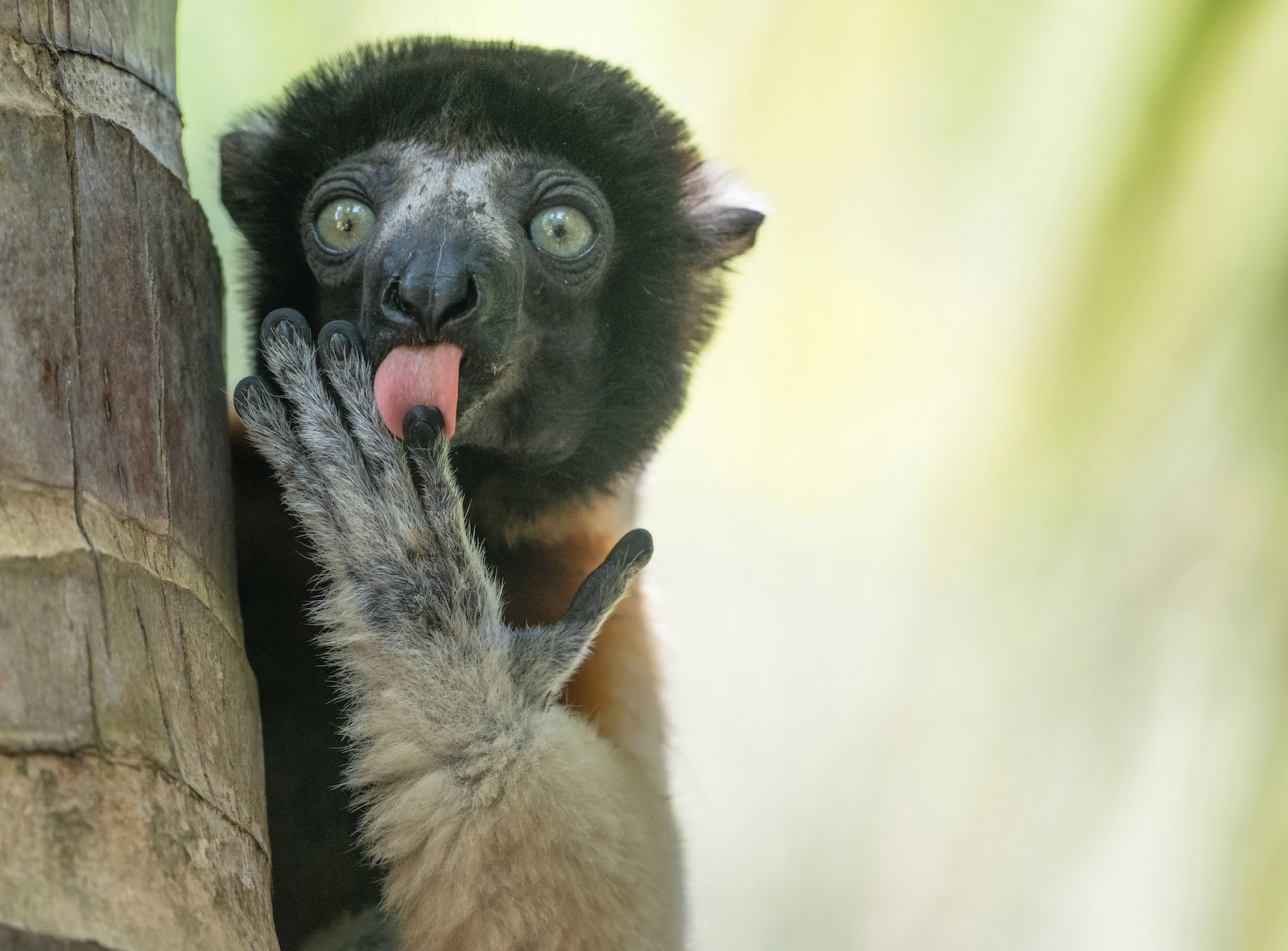
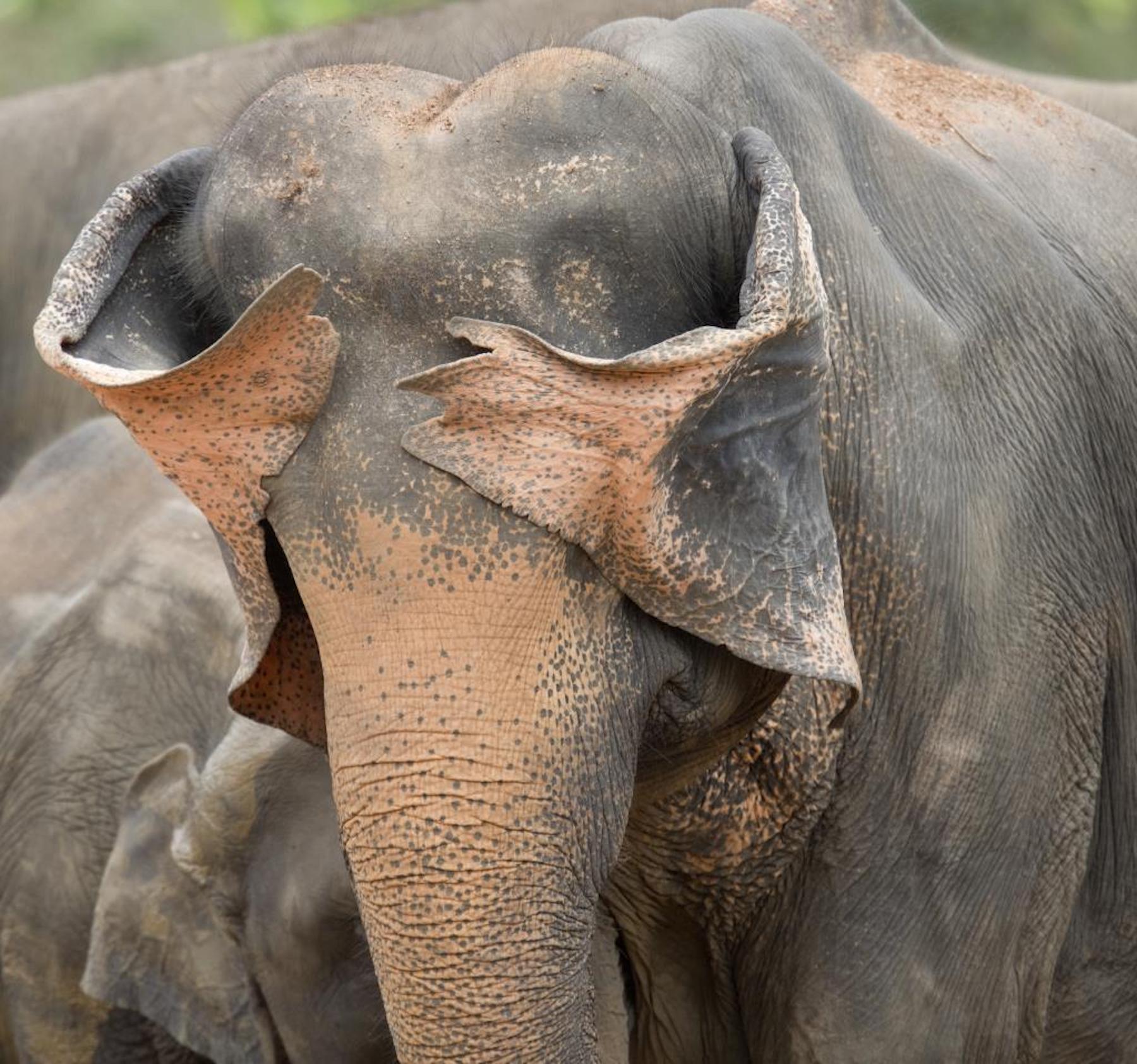
When a viewer sees a lemur "practicing yoga" (as seen in Andrey Giljov’s entry from Madagascar) or an elephant playing "peek-a-boo" (captured by Henry Szwinto in Sri Lanka), it breaks down the perceived barriers between humans and the natural world. This emotional bridge is essential for conservation. Psychologically, humans are more likely to support the protection of species they feel they "know" or understand. The humor serves as an entry point, leading the viewer to learn more about the species’ actual behaviors, habitats, and the threats they face.
Timeline and Competition Logistics
The Nikon Comedy Wildlife Awards follow a rigorous annual schedule that culminates in the announcement of winners across various categories, including the overall winner, category winners (Land, Air, Sea, Junior), and the People’s Choice Award.
- Call for Entries: Typically opens in the first quarter of the year. The competition is free to enter, encouraging participation from both professional photographers and hobbyists.
- Submission Deadline: For the current 2026 cycle, the deadline for video and photo entries is June 30.
- Shortlisting Process: A panel of expert judges, including renowned photographers and naturalists, narrows down the thousands of entries to a top 40.
- Public Voting: Once the finalists are announced, the Sterna People’s Choice Award voting opens to the public, allowing fans worldwide to choose their favorite.
- Final Announcement: The winners are traditionally announced toward the end of the year, followed by global media coverage and touring exhibitions.
The 2025 competition saw a record number of public votes, indicating a rising interest in wildlife content that prioritizes joy and curiosity over shock value.
Supporting Supporting Data and Economic Impact
Wildlife photography is more than just an art form; it is a significant driver of eco-tourism and local economies. Bempton Cliffs, where Alison Tuck took her winning photo, is managed by the Royal Society for the Protection of Birds (RSPB). The site attracts over 100,000 visitors annually, contributing significantly to the regional economy of East Yorkshire.
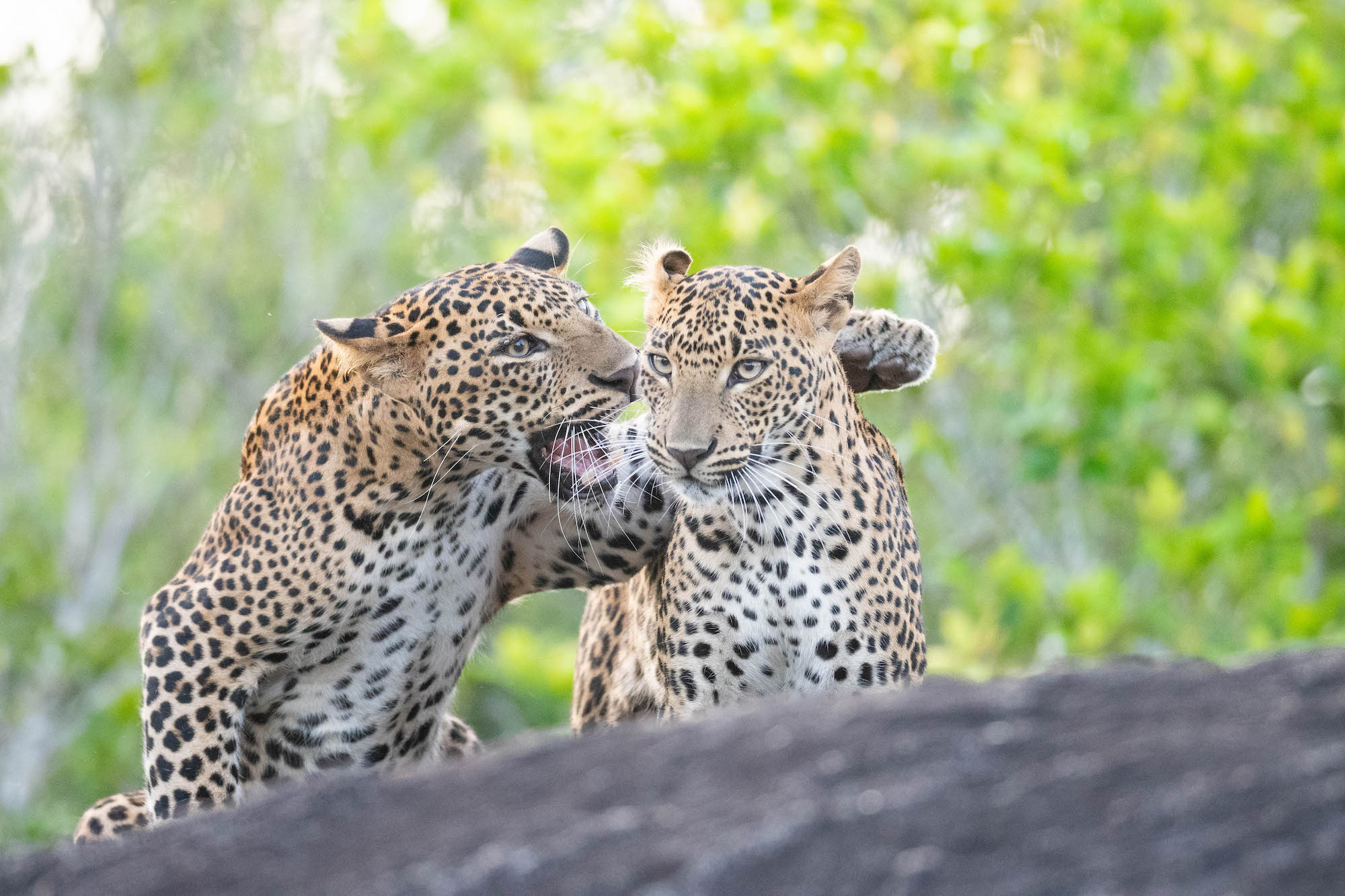
Globally, the wildlife photography industry is valued in the billions, encompassing equipment sales, travel, and media licensing. Competitions like the Nikon Comedy Wildlife Awards provide a platform for photographers to gain international visibility, which can lead to professional opportunities and increased funding for the conservation areas where they work. By highlighting specific locations—such as Cat Tien National Park in Vietnam or Yala National Park in Sri Lanka—the competition helps promote these regions as vital destinations for sustainable tourism.
Broader Implications for Environmental Advocacy
The win by Alison Tuck and the widespread popularity of the 2025 finalists underscore a shift in how environmental messages are delivered. As the world faces mounting challenges regarding biodiversity loss and climate change, "compassion fatigue" has become a real obstacle for conservationists. Constant news of habitat destruction can lead to apathy.
The Comedy Wildlife Awards offer a necessary counter-narrative. They remind the public that the natural world is full of personality, resilience, and humor worth saving. The awards prove that an image of a gannet confused by the wind or a lemur licking its fingers can be just as effective at sparking a conversation about habitat preservation as a graph of declining population numbers.
As the 2026 competition cycle approaches, the organizers are calling for more entries that capture the "unseen" side of nature. With the deadline set for June 30, photographers around the world have the opportunity to follow in the footsteps of Alison Tuck, using their lenses to capture the stories that make us laugh, think, and ultimately, act to protect the planet’s diverse inhabitants.