



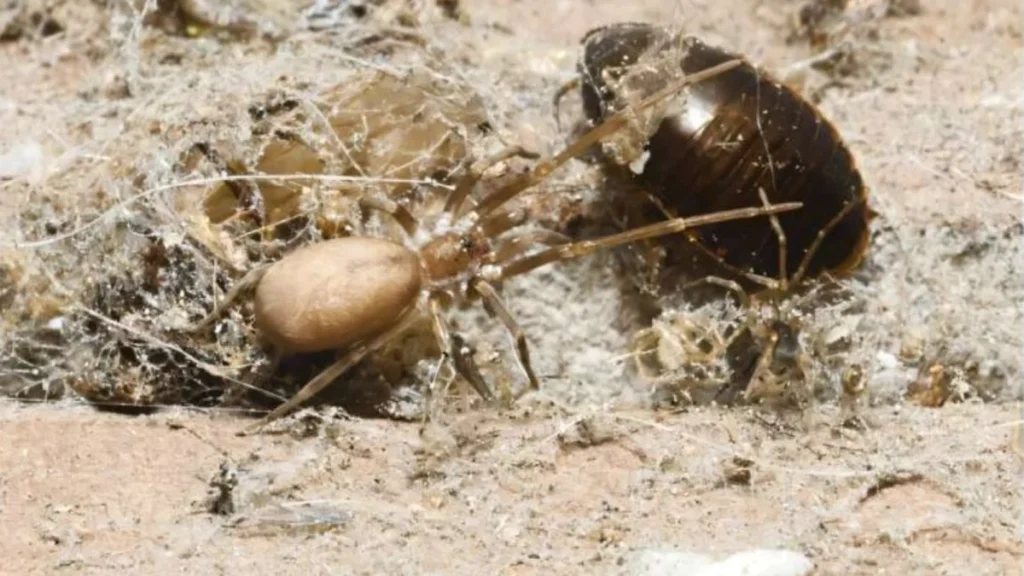
The discovery of a new arachnid species in the heart of Colombia has bridged the gap between the world of systemic biology and legendary progressive rock. Scientists conducting surveys in the urban and suburban landscapes of the Quindío department have officially identified and described Pikelinia floydmuraria, a species of crevice weaver spider whose name pays a dual tribute to its unique habitat and the musical legacy of the English rock band Pink Floyd. The findings, recently published in the peer-reviewed journal Zoosystematics and Evolution (ZSE), highlight the surprising biodiversity that persists within human-dominated environments and underscore the sophisticated hunting mechanisms of even the most diminutive urban predators.
The nomenclature of the new species is a deliberate nod to Pink Floyd’s 1979 multi-platinum masterpiece, The Wall. The specific epithet "muraria" is derived from the Latin word for "wall," referencing the spider’s propensity for establishing its home within the cracks and crevices of man-made structures. This linguistic and cultural synthesis serves as more than just a novelty; it reflects the spider’s fundamental biology as a synanthropic organism—one that has evolved to thrive in close proximity to human settlements.
Taxonomic Classification and the Pink Floyd Connection
The research team, led by arachnologists including Leonardo Delgado-Santa and Julio C. González-Gómez, discovered the species while examining the external surfaces of buildings in Colombia. In one particularly evocative instance, a specimen was found residing on a vibrant public mural, literally becoming "another brick in the wall." This intersection of urban art and natural science provided the impetus for the creative naming convention.
Pikelinia floydmuraria belongs to the family Filistatidae, commonly known as crevice weavers. This family is characterized by its primitive features and its distinctive method of web construction. Unlike the circular, symmetrical webs of orb-weavers, filistatids create tube-like retreats in narrow openings, with silk radiating outward to detect the vibrations of passing prey. The identification of P. floydmuraria adds a significant entry to the genus Pikelinia, which is primarily distributed across South and Central America.
Morphological Characteristics and Biological Markers
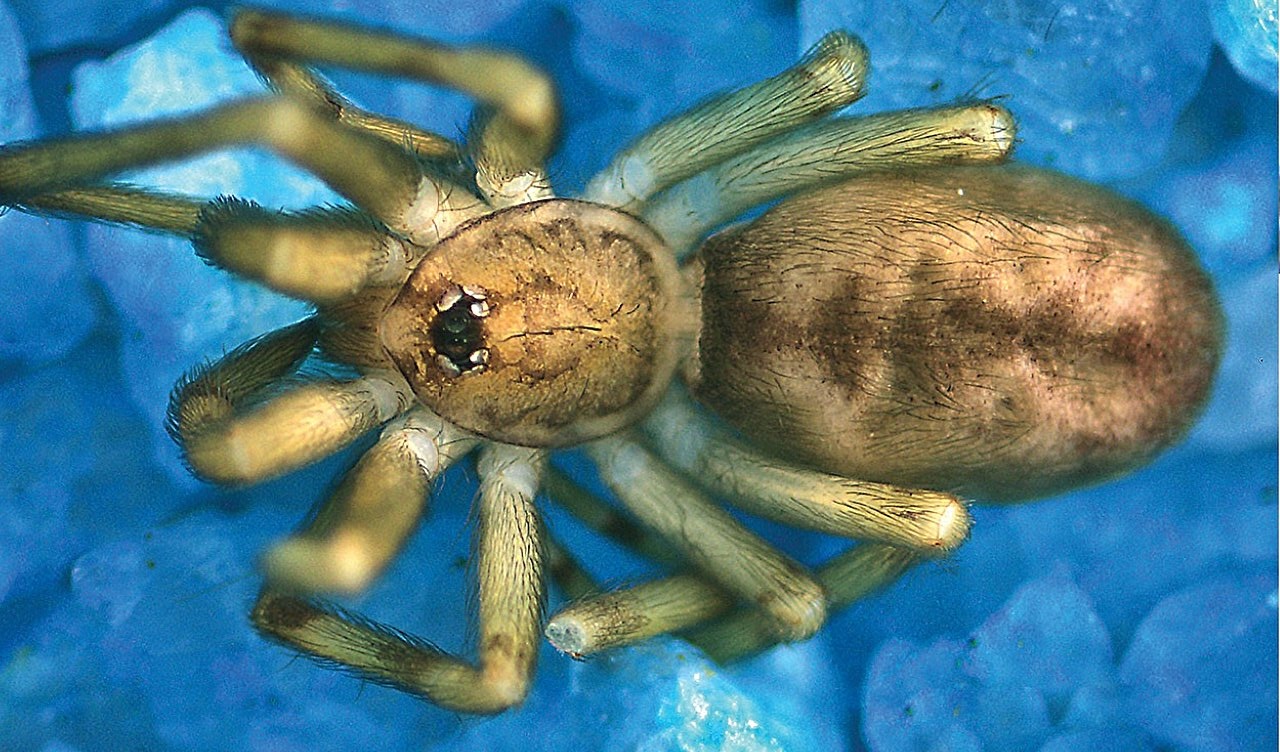
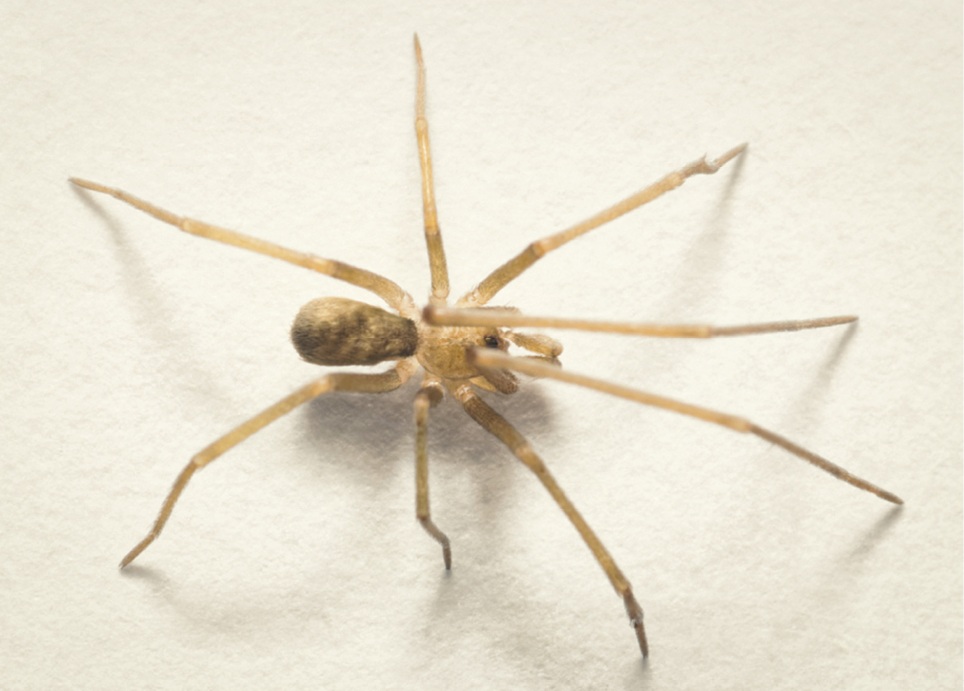
Despite its intimidating name, Pikelinia floydmuraria is an exceptionally small creature. Mature specimens typically measure between 3 and 4 millimeters in length, approximately one-tenth of an inch. However, what the species lacks in physical stature, it makes up for in anatomical complexity.
One of the primary diagnostic features used by the researchers to distinguish P. floydmuraria from its close relatives is the structure of the female reproductive system. The species possesses spermathecae—organs used for sperm storage—that consist of long, slender, S-shaped tubes. This specific morphology is a critical marker for taxonomists, as it allows for the precise differentiation of species within a genus where outward appearances can be deceptively similar.
The spiders exhibit a cryptic coloration, typically featuring shades of brown and tan that provide effective camouflage against the concrete, brick, and stone surfaces they inhabit. This evolutionary adaptation allows them to remain undetected by both potential predators and unsuspecting prey.
The Synanthropic Nature of Urban Arachnids
The classification of Pikelinia floydmuraria as a synanthropic species is a focal point of the study. Synanthropes are wild animals that benefit from living in environments modified by humans. For this new spider, the urban landscape of Colombia offers a stable microclimate and an abundance of architectural niches that mimic the rocky fissures of its ancestral habitats.
The research team noted that the spiders are frequently found near artificial light sources. While the spiders themselves are not necessarily attracted to light, they have learned to exploit the behavior of other insects. Streetlights and building exterior lights serve as massive magnets for nocturnal insects such as flies, moths, and small beetles. By building their webs in the shadows of these lights, P. floydmuraria gains access to a concentrated and consistent food supply.
This behavior demonstrates a high level of ecological plasticity. The ability to pivot from natural environments to the vertical planes of a modern city is a testament to the resilience of the Filistatidae family. The researchers observed that the spiders are particularly fond of the gaps between bricks and the weathered cracks in older plaster walls, where they can retreat deep into the structure for protection against weather and predators.
Predatory Behavior and Ecological Contributions
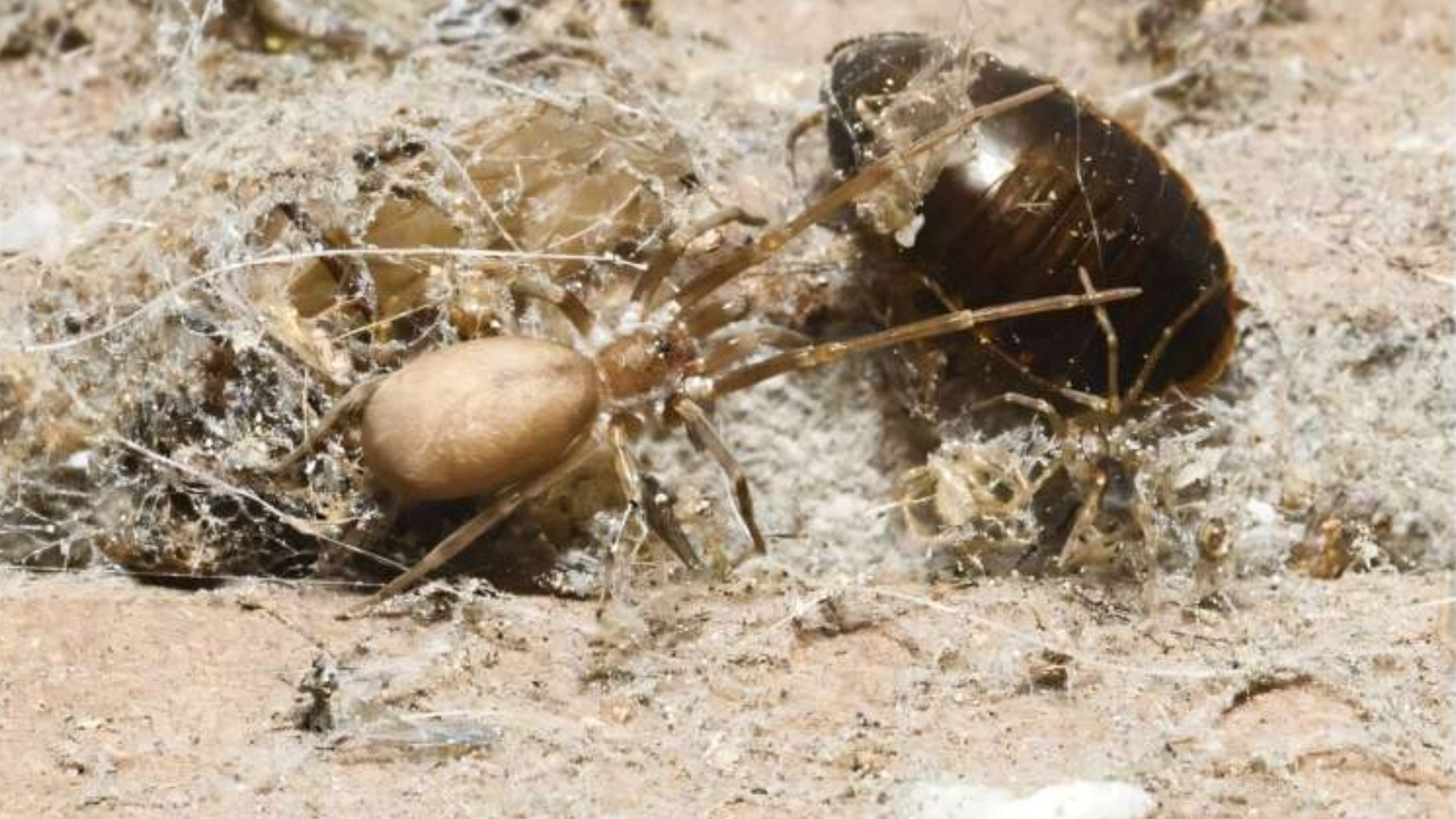
One of the most striking revelations of the study involves the predatory efficiency of Pikelinia floydmuraria. Despite its minuscule size, the spider is a formidable hunter. Field observations and laboratory analysis revealed that these spiders are capable of taking down prey up to six times their own body mass.
The spider’s diet is diverse, consisting largely of common urban pests including ants, beetles, and various species of flies. The hunting process relies on the specialized "cribellate" silk produced by crevice weavers. Unlike the sticky silk of many other spiders, cribellate silk is composed of thousands of extremely fine, tangled fibers that act like a microscopic hook-and-loop fastener, snagging the legs and wings of insects through physical entanglement rather than chemical adhesion.
When an insect triggers the radiating silk lines outside the spider’s crevice, P. floydmuraria emerges with remarkable speed to envenomate the prey. By controlling the populations of these insects, the spider plays a vital, though often invisible, role in maintaining the balance of urban ecosystems. Their presence helps suppress the numbers of potential disease vectors and agricultural pests that often congregate in human centers.
The Evolutionary Link to the Galápagos Islands
Perhaps the most intriguing scientific puzzle presented by the discovery of Pikelinia floydmuraria is its close relationship with Pikelinia fasciata, a species native to the Galápagos Islands. The two species are morphologically almost identical, yet they are separated by a vast geographical distance of over 1,000 miles, including the formidable barrier of the Andes Mountains and a significant stretch of the Pacific Ocean.
This disjunct distribution raises important questions regarding the evolutionary history of the genus. Scientists are currently weighing several hypotheses to explain how such similar species came to exist in such disparate locations. One possibility is "long-distance dispersal," where ancestors of the spiders may have been carried across the ocean on "rafts" of vegetation or through "ballooning"—a process where spiders use silk threads to catch the wind and travel long distances.
Another theory suggests that these populations were once part of a much larger, continuous range that was fragmented by geological shifts or climate changes over millions of years. The researchers have emphasized that further investigation, particularly through DNA barcoding and molecular phylogenetics, will be necessary to unravel the ancestral timeline connecting the Colombian mainland species to its island-dwelling cousins.
Methodology and the Future of Arachnological Research
The discovery of Pikelinia floydmuraria was the result of meticulous fieldwork and laboratory analysis. The researchers employed high-resolution microscopy to document the intricate details of the spider’s anatomy, particularly the male pedipalps and female internal genitalia, which are the "gold standard" for species identification in arachnology.
The study also highlights a broader trend in biological sciences: the realization that many undiscovered species are hiding in plain sight within our cities. While traditional expeditions often focus on remote rainforests or deep-sea vents, the urban environment remains a "frontier" of sorts for taxonomy.
The researchers have called for increased efforts in "urban taxonomy," arguing that understanding the species that live alongside us is crucial for biodiversity conservation and public health. As urban sprawl continues to expand globally, identifying how species adapt to or are threatened by human infrastructure is essential for developing sustainable urban planning strategies.
Broader Impact and Implications
The naming of Pikelinia floydmuraria has successfully captured public interest, illustrating how cultural touchstones like Pink Floyd can be used to bring attention to the often-overlooked field of invertebrate zoology. By naming the spider after a globally recognized album, the scientists have made the discovery accessible to a wider audience, fostering a greater appreciation for the complexity of the natural world.
From a scientific perspective, the discovery reinforces the importance of the Neotropical region as a global hotspot for biodiversity. Colombia, in particular, is known for its immense variety of life forms, yet its arachnid fauna remains understudied compared to its birds or mammals. Each new species described is a piece of a larger puzzle, helping scientists understand the health of ecosystems and the impacts of climate change on species distribution.
As the scientific community continues to analyze the data provided by this discovery, the focus will turn toward the genetic mapping of the Pikelinia genus. The goal is to determine if P. floydmuraria is a relatively recent arrival in the urban landscape or if it has been a silent resident of the region for millennia, only now being recognized by the human inhabitants of its "wall."
In the final analysis, Pikelinia floydmuraria stands as a symbol of the endurance of nature. In an era of rapid urbanization and habitat loss, this tiny spider has not only survived but has carved out a niche within the very walls we build to keep the wild at bay. Its presence serves as a reminder that even in the most sterile concrete environments, life finds a way to weave its intricate patterns, much like the psychedelic melodies of the band that inspired its name. More research will undoubtedly follow, but for now, this Colombian crevice weaver has secured its place in the annals of both science and rock history.