



The U.S. Department of Health and Human Services (HHS) is actively working to reinstate a vital suicide prevention hotline specifically tailored for LGBTQ+ youth, a service that was discontinued less than a year prior under the previous presidential administration. This initiative marks a significant step in addressing the critical mental health needs of a vulnerable demographic, aiming to restore a crucial lifeline that advocates and lawmakers emphasize is indispensable.
The specialized hotline, often referred to as the "Press 3 Option" within the broader 988 Lifeline network, provides targeted support for LGBTQ+ individuals facing mental health crises. The 988 Lifeline itself is a national network of crisis support and suicide prevention hotlines established by Congress in 2020, with its implementation beginning in July 2022. This move replaced the previous 10-digit National Suicide Prevention Lifeline number (1-800-273-TALK). The dedicated "Press 3 Option" for LGBTQ+ support was subsequently launched in 2023, both under the Biden administration, underscoring a commitment to providing specialized resources.
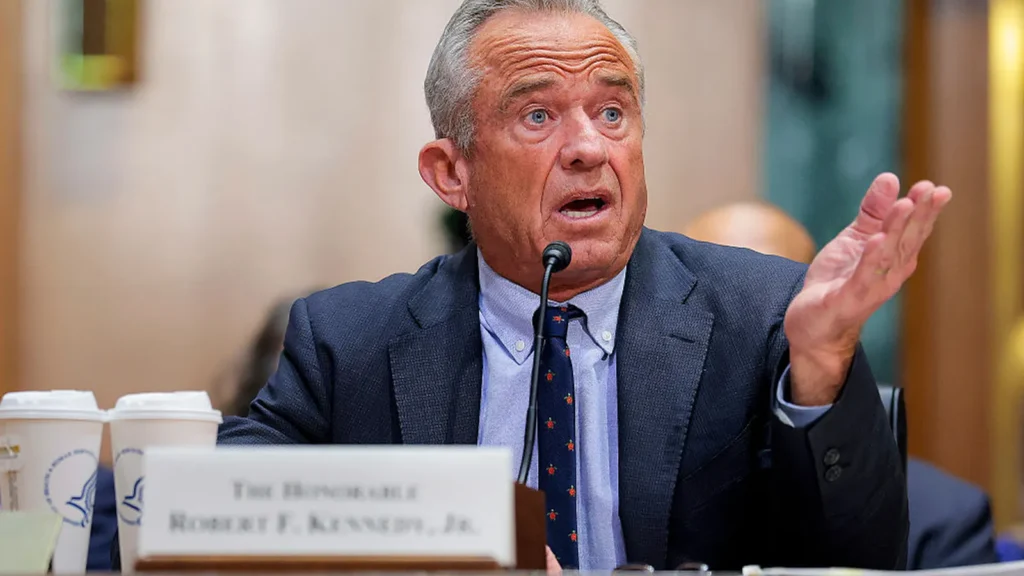
The commitment to restarting this critical service was publicly affirmed by U.S. Secretary of Health and Human Services Robert F. Kennedy Jr. during a Senate Appropriations Subcommittee hearing on April 21. His pledge came in response to pointed questioning from lawmakers who highlighted the urgent need for this specialized support.
Legislative Mandate and Funding
Senator Tammy Baldwin, a Democrat from Wisconsin, emphasized the importance of the hotline during the hearing, characterizing its reinstatement as a "legal requirement" stipulated in the fiscal year 2026 funding bill for HHS. This legislation not only increased the overall funding for the 988 Lifeline by $15 million but also specifically directed HHS to allocate $33.1 million towards the "Press 3" specialized services. This directive was further reinforced by a bipartisan letter sent to Secretary Kennedy on February 11, signed by numerous members of Congress, urging immediate action to revive these critical services. The letter implored Kennedy to "take immediate, concrete steps to restart specialized services for LGBTQ+ youth" and ensure their "full operational status" by February 28.
In his remarks, Secretary Kennedy expressed his administration’s philosophy of inclusivity. "Though I want to say that President Trump has a philosophy that we shouldn’t be dividing people, that we should be being inclusive," Kennedy stated, referring to the previous administration’s decision to discontinue the service, before adding, "We are working on getting it up now." This statement suggests a recognition of the service’s importance and a commitment to rectifying its previous absence.
Evidence of Impact: Declining Youth Suicide Rates
The renewed focus on the LGBTQ+ youth hotline coincides with compelling new research demonstrating a positive correlation between the broader 988 Lifeline and a reduction in youth suicide rates. A study published in JAMA on April 22, the day after Secretary Kennedy’s testimony, revealed that suicide rates among individuals aged 15 to 34 were 11% lower than projected between the launch of the 988 Lifeline in July 2022 and December 2024. This translates to an estimated 4,400 fewer suicides among U.S. teens and young adults during the initial 2.5 years of the hotline’s operation.
While this JAMA study focused on the general population, the specific "Press 3 Option" for LGBTQ+ youth was a significant component of the 988 Lifeline’s early operations. Prior to its discontinuation, this specialized line handled an impressive volume of contacts, averaging approximately 2,100 calls, texts, and chats per day, totaling nearly 1.6 million interactions. Lawmakers highlighted these figures in their February 11 letter, asserting that they "underscore the ongoing and urgent need for competent, specialized crisis intervention." They further articulated the profound impact of such services, stating, "For a young person feeling isolated or unsafe, access to a trained counselor who understands their lived experience can be the difference between life and death."
The Discontinuation and Its Repercussions
The decision to discontinue the "Press 3 Option" last summer drew sharp criticism from LGBTQ+ rights advocates. They warned that its removal would represent "a major hit" to LGBTQ+ youth, particularly those with limited access to resources. This is especially true for young people in rural areas or those who may not have supportive environments at home or school. Such individuals often rely on specialized services that can bridge gaps in community and institutional support.
The types of resources that LGBTQ+ youth might typically access include school-based supports such as gender support plans, inclusive classroom materials, and school counselors trained in LGBTQ+ issues. However, the landscape of these school services has become increasingly contested. The Trump administration, in particular, intensified efforts against what it termed "gender ideology," a stance that has been mirrored by some conservative lawmakers and the "parental rights" movement. This has led to numerous lawsuits challenging school policies and programs aimed at supporting LGBTQ+ students, with some cases progressing towards the U.S. Supreme Court.
A recent development in this ongoing legal battle occurred on Monday, when the Supreme Court declined to hear the case of Littlejohn v. School Board of Leon County. This case, similar to other pending litigation, involved parents who sued their Florida school board after a "student support plan" was created for their child’s gender identity in 2021 without their consent. The family appealed to the Supreme Court after lower federal courts dismissed their claims, reasoning that the school district’s actions were based on a past policy and did not meet the threshold of "shocking the conscience." The Supreme Court’s refusal to hear this case signals a temporary pause in the legal challenges to such school-based support plans, potentially creating a more stable environment for these initiatives, though the broader legal and political climate remains fluid.
Broader Context and Future Implications
The reinstatement of the LGBTQ+ youth hotline is occurring against a backdrop of increasing awareness of the disproportionate mental health challenges faced by LGBTQ+ individuals, particularly youth. Factors contributing to these challenges include societal stigma, discrimination, lack of acceptance, and higher rates of bullying and harassment. Suicide attempts and ideation are significantly higher among LGBTQ+ youth compared to their heterosexual and cisgender peers. Therefore, accessible and affirming crisis support is not merely a convenience but a critical public health imperative.
The 988 Lifeline’s overall success, as indicated by the JAMA study, suggests that readily available crisis intervention can indeed have a tangible impact on reducing suicide rates. The specialized "Press 3 Option" aims to build upon this by ensuring that callers receive support from counselors who are specifically trained to understand the unique stressors and experiences of LGBTQ+ youth. This includes issues related to identity development, coming out, family acceptance, discrimination, and access to affirming healthcare.
The renewed commitment from HHS, coupled with legislative support and funding, signals a bipartisan understanding of the gravity of the situation. The fact that the initiative is being driven by the current administration, even as it acknowledges the previous administration’s discontinuation of the service, highlights a pragmatic approach to addressing a pressing need.
The implications of fully restoring and potentially expanding the "Press 3 Option" are far-reaching. It promises to provide a much-needed safety net for LGBTQ+ youth who may feel isolated and without support. By offering a confidential and understanding ear, the hotline can help de-escalate crises, connect individuals with further resources, and ultimately save lives. Furthermore, its operational status could serve as a counterpoint to the increasing political and legal challenges faced by LGBTQ+ inclusive initiatives in educational settings, reinforcing the message that support systems are available and vital.
As HHS works to bring the specialized hotline back online, ongoing monitoring and evaluation will be crucial. Ensuring adequate staffing, comprehensive training for counselors, and effective outreach to the LGBTQ+ youth community will be paramount to its success. The ultimate goal is to create a sustainable and robust system of support that addresses the mental health needs of all young people, with particular attention to those who are most vulnerable. The swift action being taken by HHS, driven by legislative pressure and evidential data, suggests a strong resolve to mend a critical gap in mental health services for LGBTQ+ youth.