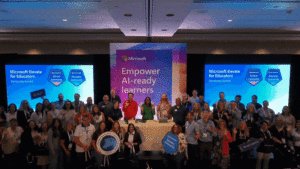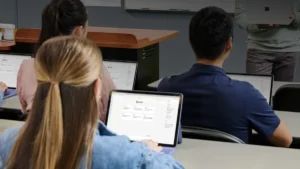




In a major strategic expansion of its educational ecosystem, Microsoft has unveiled "Microsoft Elevate for Educators," a comprehensive initiative designed to integrate artificial intelligence into the global classroom framework. Announced during the Bett UK 2026 conference in London, the program represents a significant pivot toward AI-driven pedagogical support, combining hardware innovation, software tools, and professional development resources. This launch comes as education systems worldwide grapple with the rapid integration of generative AI, seeking a balance between technological efficiency and human-centric instruction.
The centerpiece of the announcement is the Microsoft Elevate for Educators program, which aims to provide a centralized hub for teachers to access community support, specialized training, and a suite of AI-powered applications. This initiative is part of a broader corporate commitment to equip 20 million people with essential AI skills over the next two years. By focusing on the K-12 and higher education sectors, Microsoft is positioning itself as a foundational partner for schools navigating the "AI era," promising tools that reduce administrative burdens while enhancing student engagement.
A Chronology of Technological Evolution in the Classroom
Microsoft’s involvement in education spans more than five decades, beginning with the introduction of early computing resources in the 1970s and 1980s. The trajectory from basic word processing and spreadsheets to cloud-based collaboration through Microsoft Teams has now reached its latest milestone: the integration of large language models (LLMs) and on-device intelligence.
The development of Elevate for Educators follows a multi-year period of pilot programs and feedback loops from early adopters in districts such as Broward County Schools in the United States and the Coquitlam School District in Canada. These institutions served as testing grounds for how AI could be deployed responsibly. In 2024 and 2025, the focus shifted toward "Copilot," Microsoft’s AI assistant, which has now been refined into education-specific iterations. The current rollout signifies the transition from experimental AI usage to a standardized, institutional framework for global school systems.
Precision Tools for Modern Instruction: Teach and Learning Zone
The technological core of the new announcement features two primary applications: "Teach" and the "Microsoft Learning Zone." Both are designed to address the specific pain points of modern educators, namely the time-consuming nature of lesson preparation and the difficulty of personalizing instruction for diverse student needs.

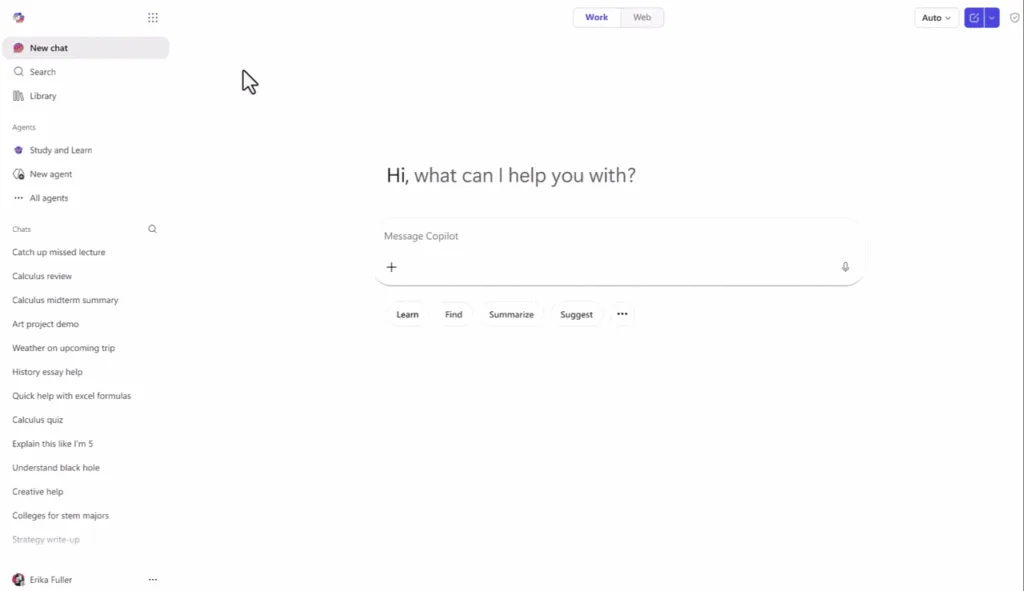
Teach is an AI assistant integrated directly into the Microsoft 365 Copilot app. It allows educators to generate comprehensive lesson plans aligned with regional educational standards through simple natural language prompts. Beyond basic planning, the tool can create quizzes, develop grading rubrics, and—perhaps most significantly—adjust the reading level of instructional materials. This capability allows a single teacher to provide multiple versions of the same text to a classroom of students with varying literacy levels, ensuring that no learner is left behind due to comprehension barriers.
Parallel to this, the Microsoft Learning Zone leverages the specialized hardware of Copilot+ PCs. Unlike traditional cloud-based AI, this application utilizes on-device intelligence to provide interactive learning experiences. The app has notably received the International Society for Technology in Education (ISTE) Seal of Alignment, a rigorous certification indicating that the tool’s design is rooted in research-backed teaching practices.
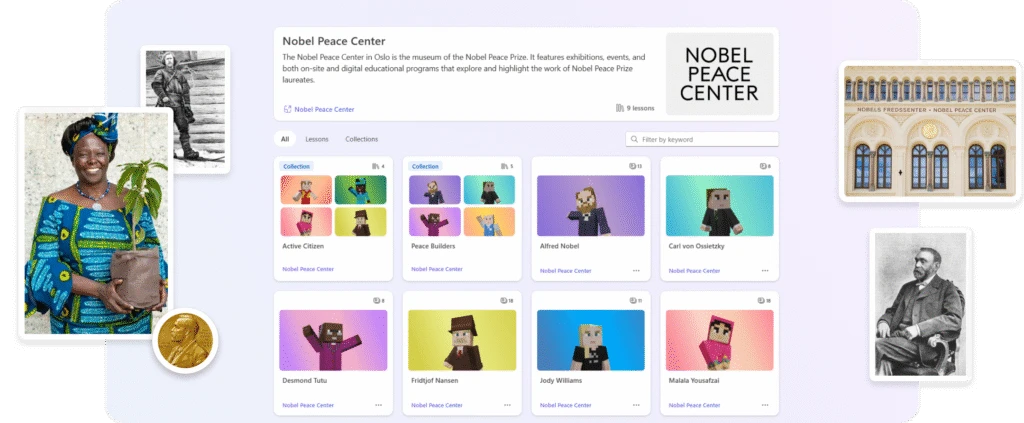
The Learning Zone incorporates content from a prestigious roster of partners, including NASA, the Nobel Peace Center, and the World Wildlife Fund. For instance, the Nobel Peace Center collection allows students to explore the lives of laureates like Malala Yousafzai through interactive narratives. These experiences are further augmented by Minecraft Education, creating a gamified environment where students can apply theoretical concepts of justice and human rights in a virtual world.
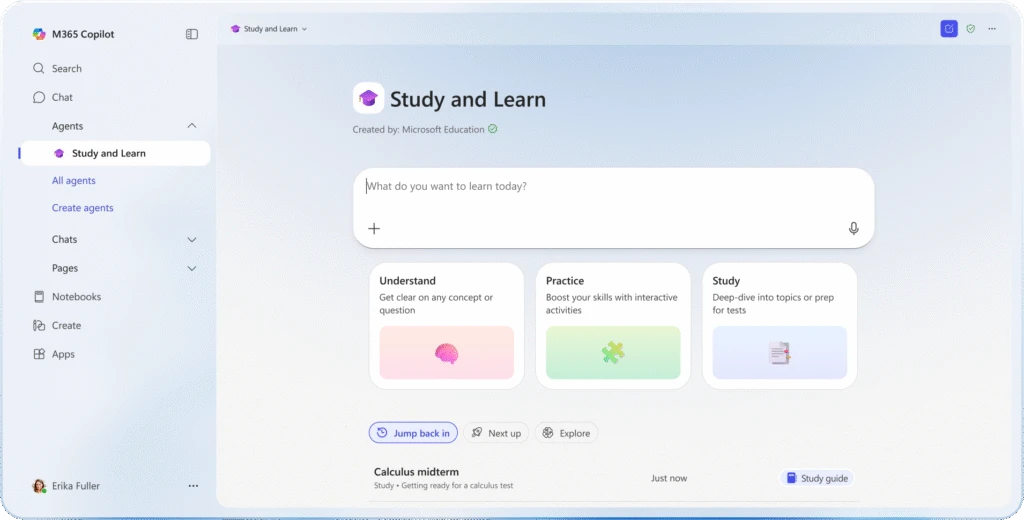
Supporting Student Autonomy with the Study and Learn Agent
Recognizing that students also require sophisticated tools to navigate the AI era, Microsoft introduced the "Study and Learn Agent." Designed for learners aged 13 and older, this AI companion is built on established learning science principles. Rather than simply providing answers—a common criticism of early generative AI—the agent acts as a tutor. It guides students through complex concepts, offers adaptive exercises, and provides instant feedback on matching exercises and flashcards.
This shift toward "guided study" is a deliberate attempt to foster critical thinking. By encouraging students to engage in reflective practices, the tool aims to prevent over-reliance on AI for automated output, instead using the technology to stimulate cognitive development and independent problem-solving.
Bridging the Gap to Career Readiness in Higher Education
The announcement also detailed a significant temporary offer for the higher education sector. Eligible students can now access 12 months of Microsoft 365 Premium and LinkedIn Premium Career at no additional cost. This strategic pairing is intended to support the entire lifecycle of the university experience, from the academic rigors of research and presentation to the professional challenges of job hunting.
LinkedIn Premium Career provides students with data-driven insights into hiring trends and the ability to see how they compare to other applicants for internships and entry-level positions. When combined with the AI-powered productivity tools in Microsoft 365, the package represents a "career-ready" toolkit. This move is seen as a direct response to the growing demand for "AI-fluent" graduates in the global workforce, where familiarity with these tools is increasingly becoming a prerequisite for employment.
Strategic Frameworks and Security Posture
As schools integrate these tools, the primary concern for administrators remains security and data privacy. To address this, Microsoft released the "Microsoft Education Security Toolkit." This resource provides a blueprint for institutions to strengthen their cybersecurity posture, covering strategic planning, compliance with international data protection laws, and real-world case studies on mitigating digital threats.
Furthermore, a new white paper sponsored by Microsoft and conducted by IDC, titled "A Blueprint for AI-Ready Schools," offers data-driven guidance for K-12 leadership. The research highlights that successful AI adoption is not merely about purchasing hardware but about "building capacity" within the teaching staff. The paper outlines how early adopters have restructured their professional development hours to include AI skilling, leading to measurable improvements in teacher retention and student outcomes.
Supporting Data and Market Context
The scale of this rollout is underscored by the current state of the global EdTech market. According to industry reports, the demand for AI in education is expected to grow at a compound annual growth rate (CAGR) of over 35% through 2030. Microsoft’s commitment to training 20 million people reflects the urgency of this transition.
Data from the IDC white paper suggests that teachers using AI tools for administrative tasks can reclaim up to 20% of their work week. In a profession plagued by burnout and staffing shortages, the ability to automate "the business of teaching"—grading, scheduling, and basic content generation—is viewed by many analysts as a necessary evolution to keep the profession sustainable.
Industry Reactions and Pedagogical Implications
Educational experts have generally reacted with cautious optimism to the news. Dr. Aris Warren, a senior analyst in digital pedagogy, noted that "The success of Elevate for Educators will depend on the quality of the ‘human-in-the-loop.’ While the AI can generate a lesson plan in seconds, the teacher’s role in contextualizing that plan for their specific community remains irreplaceable."
Representatives from Brisbane Catholic Education, an early participant in Microsoft’s AI pilot programs, stated that the integration of Copilot has allowed their staff to focus more on the socio-emotional needs of students. "By reducing the time spent on the mechanical aspects of lesson design, our educators are back to doing what they love: mentoring and connecting with their students," a spokesperson for the district commented.
However, some advocacy groups have pointed out the "digital divide" that could be exacerbated by hardware-dependent tools like those requiring Copilot+ PCs. While Microsoft has ensured that many tools, such as Teach, are available across standard Microsoft 365 Education accounts, the most advanced interactive features remain tied to next-generation hardware.
The Path Forward: Integration and Global Expansion
Looking ahead, Microsoft plans to expand the linguistic and technical reach of these tools. While the Learning Zone currently supports English and Spanish, the company has confirmed that Portuguese, French, and German will be added by 2026. Furthermore, integration with major Learning Management Systems (LMS) is slated for later next year, allowing schools to sync Microsoft’s AI tools with their existing digital infrastructure.
The Bett UK 2026 conference serves as the launchpad for this global rollout. As educators and leaders from around the world gather to observe these technologies in action, the narrative has shifted from whether AI should be in the classroom to how it can be deployed most effectively and ethically.
Microsoft’s Elevate for Educators is more than a software update; it is an attempt to define the standard operating procedure for the modern school. By linking community, professional development, and specialized AI agents, the initiative seeks to create a self-sustaining ecosystem where technology serves the educator, rather than the other way around. As these tools move from the convention floor to the classroom, the long-term impact on global literacy and workforce readiness will be closely monitored by governments and educational institutions alike.