


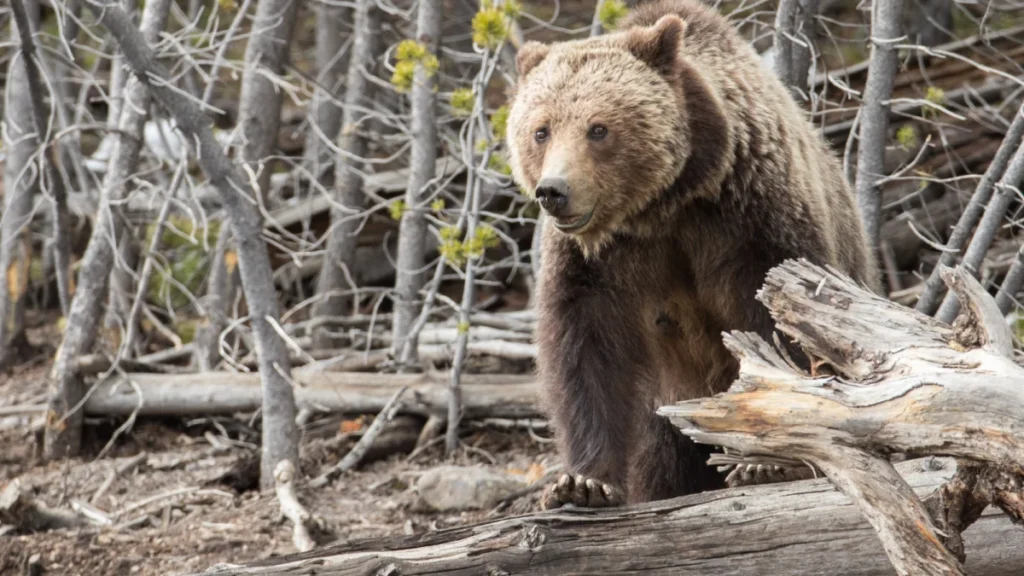
Yellowstone National Park officials have announced the commencement of annual grizzly bear research and capture operations, a critical scientific initiative aimed at monitoring the recovery and health of one of the most iconic species in the American West. From May 1 through October 15, biologists with the Interagency Grizzly Bear Study Team (IGBST) will be active throughout the park, employing specialized techniques to track the movements, reproductive rates, and overall population trends of the grizzly bear (Ursus arctos horribilis). This period marks a vital window for data collection, but it also necessitates heightened public awareness and strict adherence to safety protocols to prevent dangerous human-wildlife encounters.
The National Park Service (NPS) issued a stern reminder that the public must heed all posted warning signs during this period. These signs, typically brightly colored and placed at major access points to capture sites, serve as the primary line of defense between curious hikers and the intensive scientific work being conducted in the backcountry. The operation is part of a long-standing effort to fulfill federal requirements under the Endangered Species Act, ensuring that the grizzly bear population remains on a stable trajectory toward long-term sustainability.
The Science of Grizzly Bear Monitoring and Capture
The Interagency Grizzly Bear Study Team, established in 1973, is an interdisciplinary group of scientists from the U.S. Geological Survey (USGS), the National Park Service, the U.S. Fish and Wildlife Service, the U.S. Forest Service, and the state wildlife agencies of Idaho, Montana, and Wyoming. For over half a century, this team has been responsible for the long-term monitoring of the grizzly bear population in the Greater Yellowstone Ecosystem (GYE).
The capture process is a meticulous operation designed to minimize stress on the animals while maximizing the quality of data collected. Biologists begin by identifying areas with high bear activity, often using "pre-baiting" techniques. This involves placing natural food sources, such as road-killed elk or deer, in remote locations to attract bears to a specific site. Once a bear is identified in the vicinity, the team utilizes one of two primary capture methods: culvert traps or foot snares.
Culvert traps are large, trailer-mounted metal cylinders that allow a bear to enter and trigger a door mechanism. Foot snares, conversely, are cable devices designed to safely hold a bear by the leg until biologists arrive. Once a bear is successfully restrained, it is sedated by trained professionals. During the sedation period, scientists perform a comprehensive physical examination, recording the bear’s weight, age, and general health status. Biological samples, including blood, hair, and skin biopsies, are collected for genetic analysis and disease screening.
One of the most critical components of the capture operation is the fitting of radio collars. These collars, equipped with GPS technology, allow researchers to track a bear’s movements in real-time. This data provides invaluable insights into habitat selection, seasonal migration patterns, and the frequency of human-bear interactions. To ensure the welfare of the animal, these collars are designed with a "blow-off" mechanism that allows them to fall off after a predetermined period, usually two to three years.
A Historical Perspective: The Road to Recovery
The grizzly bear’s presence in Yellowstone is a profound success story in the history of American conservation. In the mid-20th century, the population was in a state of precipitous decline due to habitat loss, unregulated hunting, and conflicts with livestock. By 1975, when the grizzly bear was officially listed as a threatened species under the Endangered Species Act, the estimated population in the Greater Yellowstone Ecosystem had dwindled to as few as 136 individuals.
The subsequent decades saw a concerted effort to restore the species through habitat protection, the closure of open-pit garbage dumps that led to bear habituation, and the implementation of strict law enforcement against poaching. The results of these efforts have been transformative. By 2024, the IGBST estimated that the grizzly population in the GYE had grown to approximately 1,030 bears. Within the borders of Yellowstone National Park itself, an estimated 150 to 200 grizzlies are believed to reside or spend significant portions of their time.
Despite this recovery, the grizzly remains a federally protected species. The debate over whether to "delist" the grizzly—removing it from the Endangered Species List and handing management back to the states—remains a contentious issue among policymakers, conservationists, and the public. Continued monitoring through the capture program is essential for providing the empirical evidence needed to inform these high-stakes legal and ecological decisions.
Public Safety and the Significance of Warning Signs
As the research season begins, the National Park Service emphasizes that public cooperation is not merely a request but a requirement for the safety of both visitors and staff. The capture sites are often located in areas that may be frequented by hikers or backcountry enthusiasts. To mitigate risk, the NPS employs a rigorous signage protocol.
"Whenever bear capture activities are being conducted for scientific purposes, the area around the site will be posted with brightly colored warning signs to inform the public of the activities occurring," the NPS stated in its official announcement. These signs are strategically placed at trailheads and access points leading to the capture zones.
Venturing into a marked area is extremely hazardous. A bear that is caught in a snare or a trap is under significant stress and can be highly aggressive. Furthermore, the bait used to attract bears—carcasses of large ungulates—can attract multiple bears to a single location, creating a high-density zone of predator activity. The NPS has made it clear that "it is critical that all members of the public heed these signs" to avoid potentially fatal encounters.
Grizzly vs. Black Bear: Understanding the Yellowstone Residents
Yellowstone is one of the few places in the lower 48 states where both grizzly bears and black bears (Ursus americanus) coexist in significant numbers. Distinguishing between the two is vital for visitor safety and for understanding the ecological dynamics of the park.
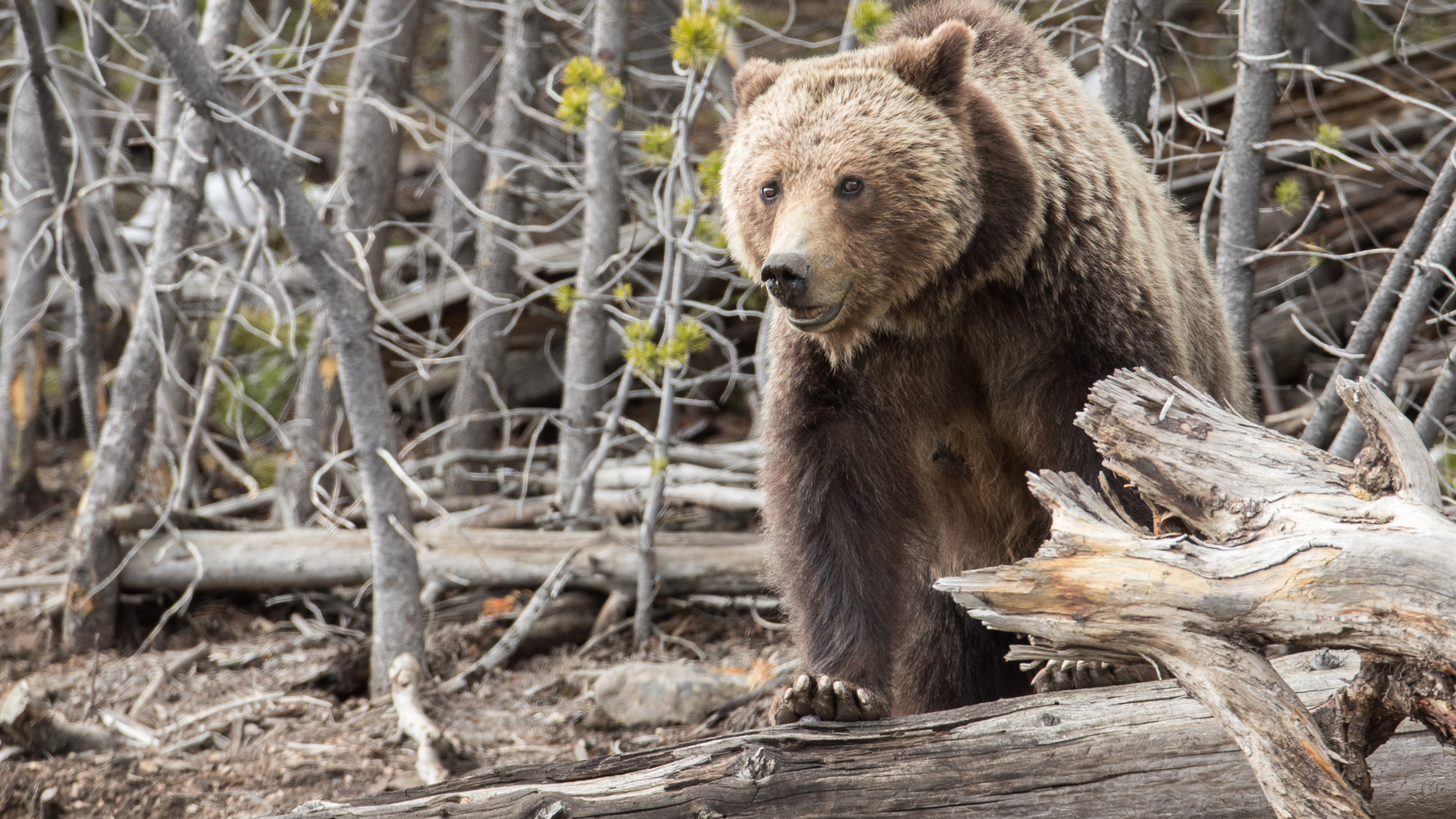
While the names suggest a color difference, color is often an unreliable indicator. Black bears can be brown, cinnamon, or even blonde, while grizzlies can range from nearly black to light brown. The most reliable physical markers for a grizzly bear include:
- The Hump: Grizzlies possess a pronounced hump of muscle on their shoulders, used for digging.
- The Facial Profile: Grizzlies have a "dished-in" or concave facial profile, whereas black bears have a straighter "Roman nose."
- The Ears: Grizzly ears are typically short and rounded, while black bear ears are taller and more pointed.
- The Claws: Grizzly claws are long (2 to 4 inches) and often light-colored, adapted for digging roots and bulbs.
Grizzlies are generally larger and more aggressive than black bears. While black bears often flee or climb trees when threatened, grizzlies are more likely to stand their ground or charge if they perceive a threat to their cubs or food source. This behavioral difference is why the scientific monitoring of grizzlies is treated with such a high degree of caution and specialized training.
The Broader Impact: Ecosystem Health and Climate Change
The data gathered during the May to October research window extends far beyond simple population counts. Grizzly bears are considered an "umbrella species" and an "indicator species" for the health of the Greater Yellowstone Ecosystem. Because they require vast, undisturbed territories and have a diverse diet, their well-being reflects the health of the entire landscape.
Researchers are particularly interested in how climate change is affecting grizzly food sources. Traditionally, Yellowstone grizzlies relied heavily on four key food items: cutthroat trout, army cutworm moths, elk calves, and the seeds of the whitebark pine. However, whitebark pine populations have been decimated by the mountain pine beetle and blister rust—both of which have been exacerbated by warming temperatures.
By tracking collared bears, scientists can observe how the bears are adapting to these losses. Are they moving to higher elevations? Are they shifting their diet toward more meat-based sources, and does this lead to more frequent conflicts with humans or livestock outside park boundaries? The capture and monitoring program provides the only reliable way to answer these questions with scientific certainty.
Conclusion and Visitor Guidelines
As Yellowstone National Park moves into its busiest season, the start of the grizzly capture program serves as a reminder of the wild nature of the landscape. The park is not merely a scenic destination but a complex, functioning ecosystem where scientific research is ongoing.
Visitors are reminded to practice "Bear Aware" protocols at all times, regardless of whether they are near a capture site. This includes:
- Carrying bear spray and knowing how to use it.
- Staying at least 100 yards away from bears at all times.
- Hiking in groups and making noise to avoid surprising a bear.
- Storing food, trash, and scented items in bear-resistant containers.
The efforts of the Interagency Grizzly Bear Study Team ensure that the grizzly bear remains a fixture of the American wilderness for generations to come. By respecting the warning signs and the scientific process, the public plays a vital role in the continued success of one of the world’s most significant wildlife recovery programs. The results of this year’s monitoring will eventually contribute to a broader understanding of how to manage the intersection of human recreation and wildlife preservation in the 21st century.