



In recent years, the landscape of education, particularly within the United States, has grappled with persistent challenges, often characterized by a singular focus on quantifiable metrics such as standardized test scores and top-down curriculum mandates. This narrow approach has inadvertently marginalized the invaluable perspective of students themselves, leading to a system that frequently overlooks the inherent humanity and diverse experiences of its learners. Evidence suggests that these conventional strategies have fallen short of their intended goals, failing to significantly elevate academic performance and, in many instances, exacerbating issues within the school environment. A January 2025 report by Schwartz in EdWeek highlighted a concerning decline in reading scores on the National Assessment of Educational Progress (NAEP), reaching new lows and particularly impacting struggling students. Concurrently, an EdWeek survey from the same month, detailed by Stephens, revealed that nearly half of educators perceived student behavior as worse than pre-pandemic levels, an increase from just two years prior. These findings underscore a growing dissatisfaction within the educational community and a clear indication that current improvement efforts are not adequately addressing the core issues. While isolated instances of excellence undoubtedly exist, a systemic failure to engage with and learn from the most affected stakeholders – the students – continues to plague numerous institutions.
The Foundational Shift: Introducing Street Data
Against this backdrop of unmet expectations and growing disengagement, an alternative paradigm for school improvement emerged four years ago with the publication of Street Data: A Pathway Toward Equitable, Anti-Racist Schools by Shane Safir and Jamila Dugan. This seminal work proposed a radical departure from traditional data collection, advocating for a qualitative, human-centered approach. Instead of relying solely on quantitative metrics that often fail to capture the nuances of student experience, Street Data championed "slow, thoughtful listening sessions" with students, particularly those at the margins whose voices are historically underrepresented and whose needs are often unmet. The premise was simple yet profound: true and sustainable solutions to educational challenges must be co-created with the individuals most impacted. By gathering rich, qualitative insights directly from students, schools could then develop, pilot, and iteratively refine new solutions, with subsequent listening sessions guiding further improvements. This methodology stood in stark contrast to many existing school improvement programs, which are frequently cost-prohibitive and prescriptive, offering a seemingly more accessible and effective pathway to genuine transformation.
The initial reception to Street Data within the educational community was robust, signaling a widespread appetite for more empathetic and effective approaches. To further disseminate this innovative framework, the book’s authors, Shane Safir and Jamila Dugan, were featured on episode 178 of the Cult of Pedagogy podcast. This was followed by a mini-documentary produced by the same platform, which visually chronicled Safir and Dugan as they guided two schools through the Street Data process. This immersive visual resource allowed educators to observe the methodology in action, providing a practical understanding of its implementation. A year later, an eight-episode video series delved deeper into the process, with participants joining a subsequent podcast episode (episode 203) to share their experiences and insights. This progressive rollout of resources helped build a comprehensive understanding of Street Data, moving it from a theoretical concept to a tangible, implementable strategy for school leaders and teachers.
From Systemic Listening to Classroom Practice: The Genesis of Pedagogies of Voice
As the Street Data methodology gained traction and began to be adopted in more schools across the country, a crucial question consistently arose: "What does it look like when teachers center student voice and student agency in their pedagogy?" While Street Data provided a framework for systemic listening and improvement at the institutional level, educators sought concrete classroom practices that would translate this philosophy into daily instructional routines. This need for practical, classroom-level application spurred the development of a new resource designed to bridge the gap between systemic reform and individual teaching practices.

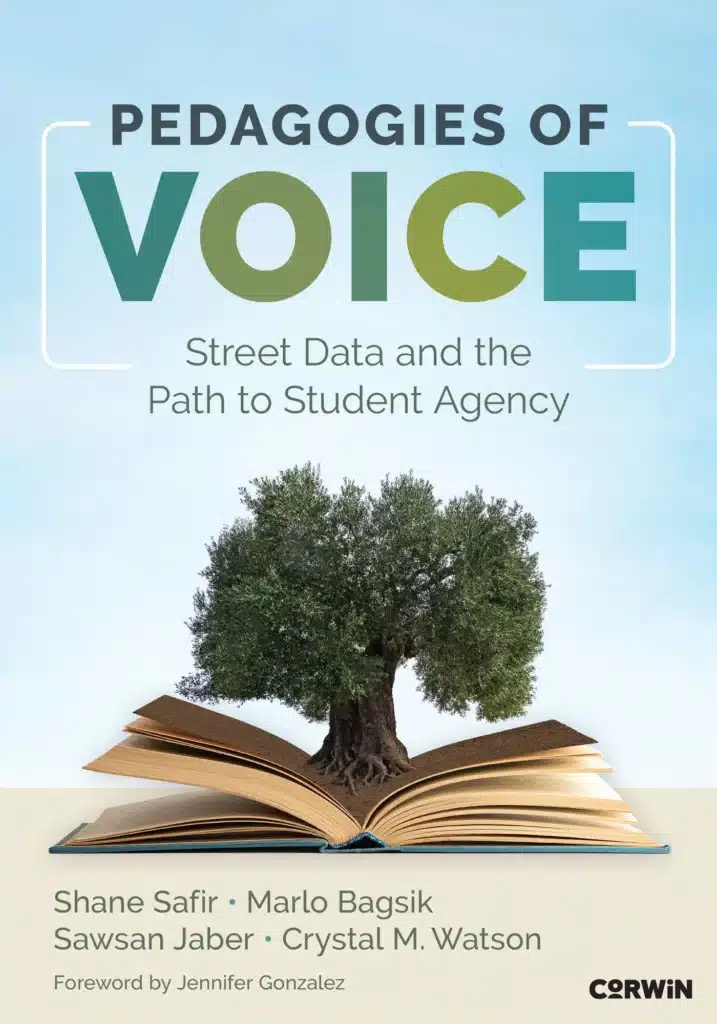
To address this critical demand, Shane Safir collaborated with three distinguished educators: Marlo Bagsik, Crystal Watson, and Sawsan Jaber. Together, they authored the new book, Pedagogies of Voice: Street Data and the Path to Student Agency. This book is not intended as a rigid instructional manual but rather as a "seed store" of practices – a rich compilation of adaptable strategies that educators can readily integrate into their teaching. The aim is to empower teachers to effectively center student voice, cultivate agency, and foster environments conducive to deep, meaningful learning.
Contextual Urgency: Amplifying Marginalized Voices in Challenging Times
The publication of Pedagogies of Voice arrives at a particularly critical juncture in American education and society. In an era marked by increasing polarization and attempts to suppress diverse perspectives, the book’s emphasis on amplifying student voice takes on heightened significance. Across the nation, educational institutions are contending with challenges such as book bans, censorship of teachers, and broader threats to democratic principles. In this climate of frustration and uncertainty, Pedagogies of Voice offers a compelling and actionable response for educators: to teach in ways that actively elevate student voice. By creating spaces where students can reflect critically, articulate their thoughts, and engage in meaningful action, the book advocates for the cultivation of democratic practices within the classroom, including active listening, respectful challenging of differing opinions, and collaborative problem-solving. This approach is designed to nurture individuals who are not only academically proficient but also empowered to positively reshape the world around them.
The book’s four authors recently shared insights into their work on a podcast interview, discussing specific, actionable classroom strategies drawn from Pedagogies of Voice. These strategies are designed for immediate implementation, offering practical tools for teachers seeking to embed student voice and agency into their daily routines.
The Agency Framework: Four Domains for Empowerment
Pedagogies of Voice organizes its myriad classroom practices into an innovative "Agency framework," structured around four interconnected domains: Identity, Belonging, Inquiry, and Efficacy. This framework provides a holistic approach to student empowerment, ensuring that diverse aspects of a student’s development are nurtured.
1. Practices that Awaken Identity
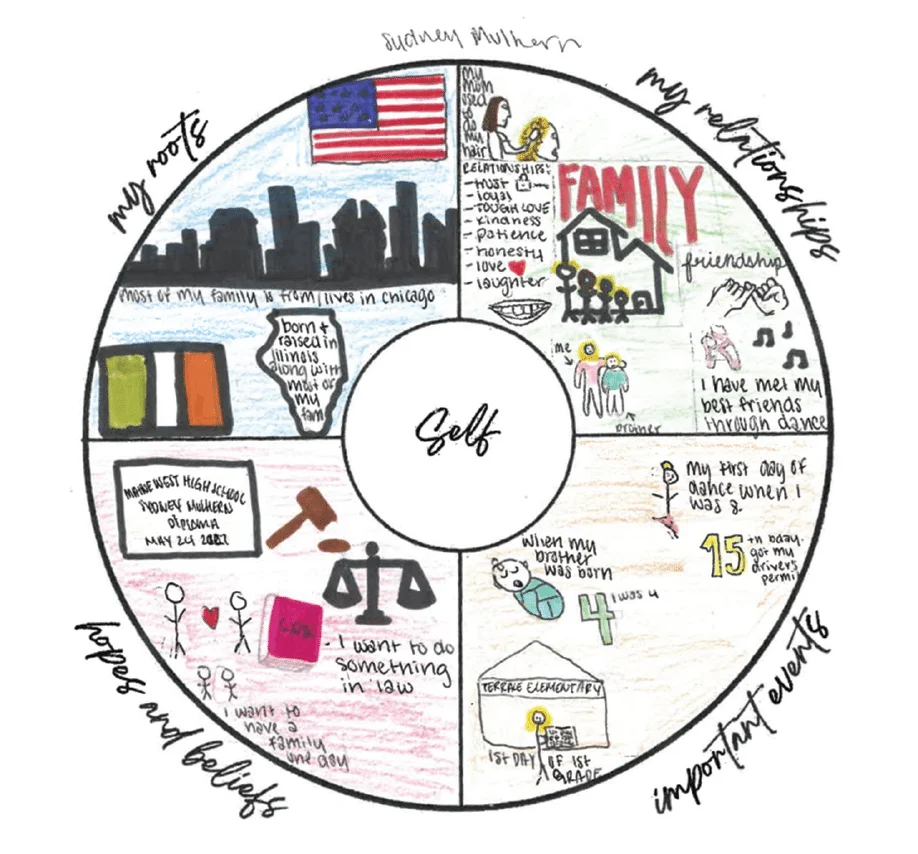
The domain of Identity focuses on creating learning environments where every student genuinely feels that their unique "ways of being, knowing, and learning are valued here." This foundational domain recognizes that a strong sense of self is crucial for engagement and learning. Sawsan Jaber, one of the co-authors, emphasizes the power of "storientation" – the strategic use of stories as a springboard for both learning content and fostering personal identity development. Storientation encourages students to connect their personal narratives and cultural backgrounds to the curriculum, making learning more relevant and affirming. An illustrative example from Jaber’s classroom is the "Identity Mandala," a visual representation where students depict various facets of their identity, such as family heritage, hobbies, values, and aspirations. This activity allows students to explore and share their multifaceted selves, building a classroom culture where diversity is celebrated as a strength. By integrating personal stories, whether through written reflections, oral presentations, or artistic expressions, educators can ensure that the curriculum resonates with students’ lived experiences, making learning a process of self-discovery as much as knowledge acquisition.
2. Practices that Awaken Belonging
The Belonging domain centers on cultivating practices that make each student feel genuinely seen, appreciated, and emotionally connected within the classroom community. Crystal Watson, another co-author, highlights the simple yet profoundly impactful practice of "circling up." This involves arranging classroom seating in a circle for various activities, a deliberate spatial reorientation that fosters equity and connection. Watson eloquently explains, "I just love the fact that when you circle up, you’re all equidistant from the center. At any given time, an identity, an idea, a person can be centered. We’re not centering one or two identities or thoughts or ideals. We can center them all at any given time in our time together." This physical arrangement inherently promotes equal participation and visibility, breaking down traditional hierarchies often present in rows of desks.
Watson, whose work often focuses on math education, finds circling up particularly transformative in this subject area. She notes that many individuals who express a dislike for math often describe it as a solitary, rote activity: "You just sit there and do problems. That’s the problem. It should be more conversational. Argumentation should be a part of the math classroom." Circling up facilitates rich discussions, allowing students to articulate their problem-solving processes, debate strategies, and collaboratively construct understanding. This shifts math from an individualistic, often intimidating endeavor to a communal, discursive practice where diverse thinking is welcomed and valued, thereby significantly enhancing students’ sense of belonging and competence.
3. Practices that Awaken Inquiry
The Inquiry domain empowers students to actively ask questions, investigate phenomena, and construct knowledge through increasingly complex processes. Shane Safir notes that "Inquiry has been stripped from the learning environments, so many places." She laments the lost opportunity for young people "to wrestle with big questions about the world, to be curious, to stay curious, to develop not just literacy, but critical literacy about text, about media, about the world." This domain aims to reverse this trend by re-establishing curiosity and critical thinking at the heart of learning. Practices in this domain encourage students to move beyond passive reception of information to active exploration, questioning assumptions, and engaging with complex ideas. This could involve designing student-led research projects, fostering Socratic seminars, or implementing problem-based learning scenarios where students identify real-world problems and devise solutions. By empowering students to drive their own learning through inquiry, educators cultivate intellectual independence and a lifelong love of learning.
4. Practices that Awaken Efficacy
The final domain, Efficacy, focuses on creating learning spaces where every student develops a profound belief in their capacity to effect change on issues that hold personal significance for them. This domain is about translating learning into action and fostering a sense of agency in the world. Marlo Bagsik shared two complementary practices that effectively bookend a week, cultivating a continuous cycle of reflection and action:
- "What’s on My Heart and Mind" (Monday): This practice typically initiates the week. Students are given a dedicated space and time to share what is weighing on them, what they are passionate about, or what current events are impacting their thoughts. This could be a brief written reflection, a quick sharing circle, or an anonymous submission. The purpose is to acknowledge students’ inner worlds and connect their personal concerns to the broader learning environment. By validating their emotions and thoughts, teachers demonstrate that students are seen as whole individuals, not just learners of content. This also provides valuable "street data" for the teacher, offering insights into the students’ emotional states and areas of concern, which can then inform instructional decisions or classroom support.
- "Small Actions for Big Change" (Friday): This practice concludes the week, building upon the initial reflections. After a week of learning and discussions, students are prompted to consider how they can take "small actions" to address issues that emerged during the "What’s on My Heart and Mind" session or topics covered in class. These actions are not necessarily grand gestures but manageable steps within their sphere of influence – perhaps advocating for a peer, researching a topic further, creating a piece of art that expresses an idea, or even initiating a conversation with a family member. This practice instills the understanding that even minor, consistent efforts can contribute to larger, meaningful change, thereby bolstering their sense of personal and collective efficacy.
Broader Impact and Implications for a Democratic Society
The collective wisdom encapsulated in Pedagogies of Voice and the broader Street Data movement represents more than just a set of educational strategies; it embodies a philosophical commitment to democratic ideals within the classroom. In an era where political discourse is often fractured and civil engagement appears diminished, cultivating student voice and agency becomes an imperative for preparing citizens capable of navigating and improving a complex world. By fostering environments where listening, critical thinking, respectful disagreement, and collaborative action are practiced daily, schools can serve as vital training grounds for future leaders and engaged community members.
The implications extend beyond academic achievement. When students feel their identity is valued, they belong, their curiosity is ignited, and they believe their actions matter, they are more likely to be engaged, resilient, and proactive learners. This shift from passive recipients of knowledge to active co-creators of their educational journey has the potential to mitigate issues like disengagement and behavioral challenges, as students become invested stakeholders in their own learning and the health of their school community.
The call to action from Pedagogies of Voice is clear: educators have a powerful role to play in counteracting forces that seek to silence and marginalize. By intentionally centering student voice, they not only enhance learning outcomes but also cultivate a generation equipped with the critical thinking, empathy, and agency necessary to uphold and strengthen democratic values, ultimately reshaping the world for the better. This approach offers a hopeful and practical pathway forward for schools striving for genuine equity, engagement, and excellence in education.