


The global construction industry is currently facing a dual crisis: a massive demand for infrastructure and an increasingly urgent need to reduce its carbon footprint. Concrete, the most widely used man-made material on Earth, is at the center of this dilemma. Recent breakthroughs at Purdue University, however, suggest that the solution to making concrete both stronger and more sustainable may lie beneath the ocean waves. Researchers have successfully developed a new type of biomimetic cement inspired by the natural adhesive properties of oysters, a development that could fundamentally alter the chemistry of modern building materials.
The study, recently published in the journal Chemistry of Materials, outlines how a team led by chemist Jonathan Wilker has managed to replicate the organic-inorganic hybrid material that oysters use to build massive, resilient reef structures. By integrating these biological principles into traditional concrete mixes, the team has produced a material that is not only significantly stronger than standard cement but also cures faster and offers a more environmentally friendly alternative to the petroleum-based adhesives currently dominating the market.
The Environmental Imperative for Greener Concrete
To understand the significance of the Purdue discovery, one must first examine the environmental toll of traditional concrete production. Concrete is composed of water, aggregate (like sand or gravel), and cement, which acts as the "glue" holding the mixture together. The most common form, Portland cement, is responsible for approximately 8% of all global carbon dioxide emissions. If the cement industry were a country, it would be the third-largest emitter in the world, trailing only China and the United States.
The carbon intensity of cement stems from two primary sources. First, the production process requires extreme heat—reaching temperatures of up to 1,450 degrees Celsius (2,642 degrees Fahrenheit)—usually generated by burning fossil fuels. Second, the chemical reaction itself, known as calcination, occurs when limestone (calcium carbonate) is heated to produce lime (calcium oxide), releasing massive amounts of CO2 as a byproduct. As urbanization continues to accelerate in developing nations, the demand for concrete is expected to rise, making the search for "green" alternatives a top priority for material scientists and environmental policy makers alike.
The Biology of Marine Adhesion: How Oysters Build
For years, Jonathan Wilker and his team at Purdue University have looked toward the ocean to solve engineering challenges. Marine organisms like mussels, barnacles, and oysters have evolved to solve a problem that human engineers still struggle with: creating a permanent, high-strength bond in a wet, turbulent environment.
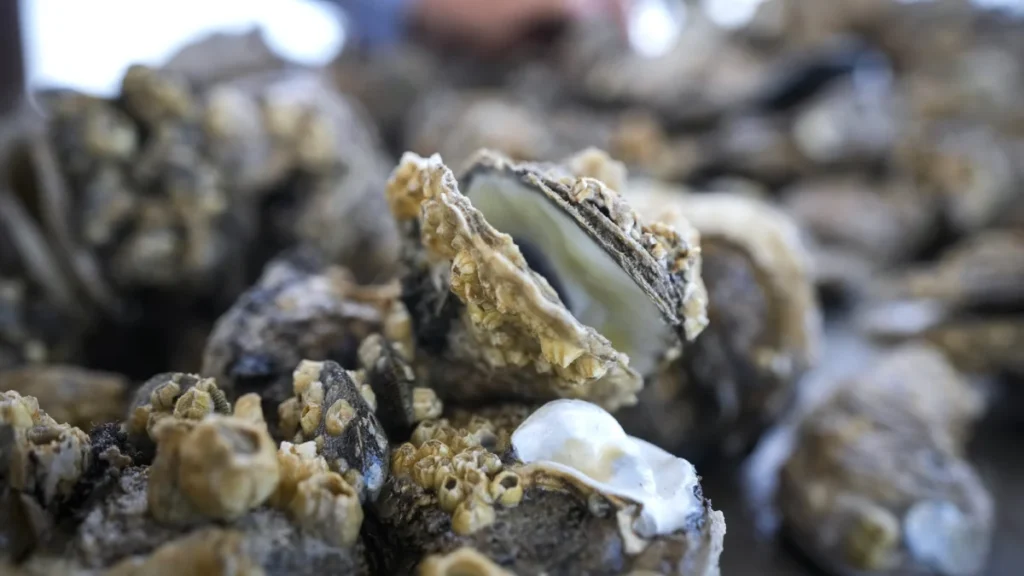
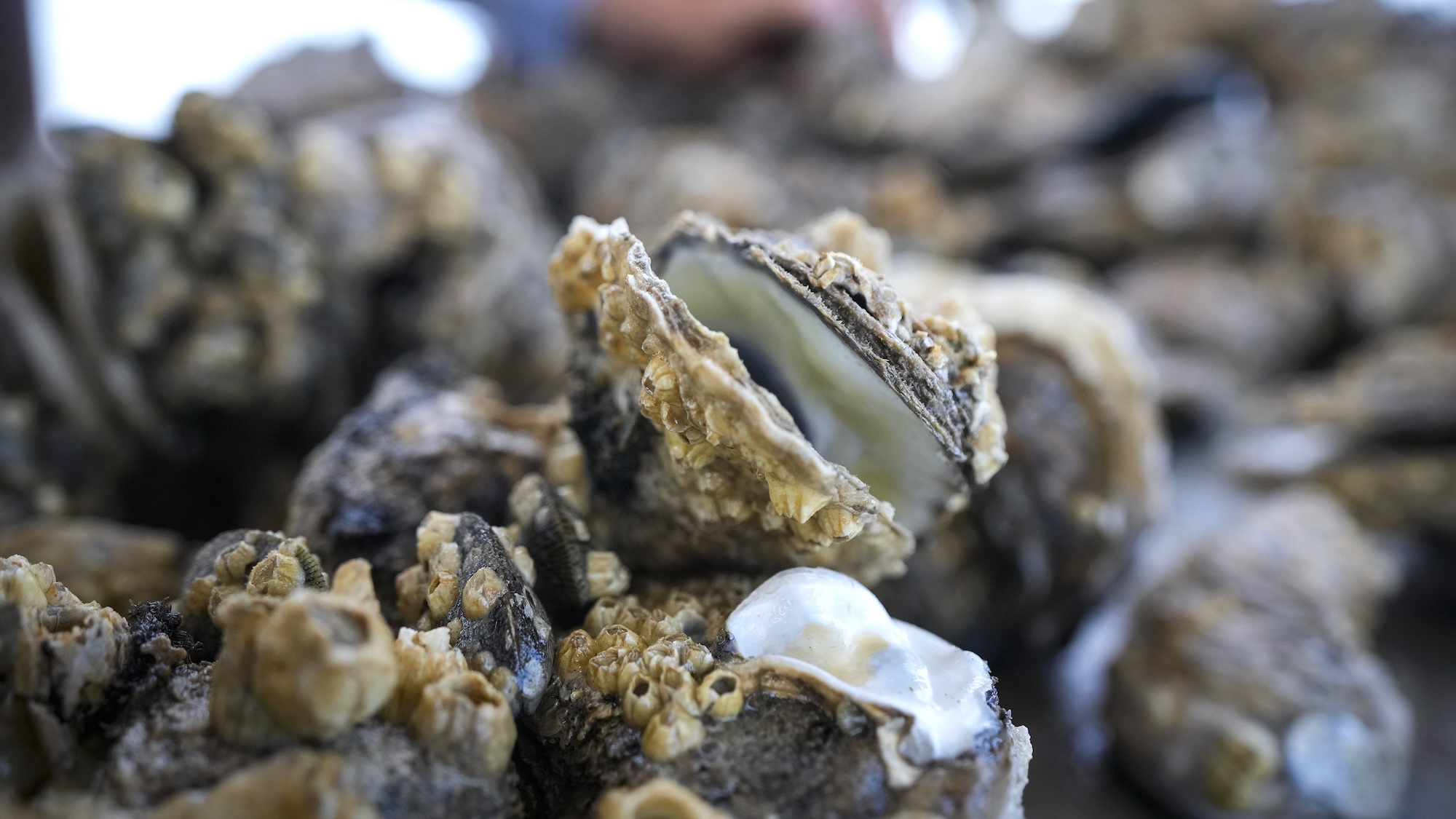
While mussels use flexible silken threads to tether themselves to rocks, oysters take a different approach. They produce a hard, cement-like substance that allows them to fuse directly to one another, forming dense reefs that can withstand the immense pressure of crashing waves and shifting tides. Through rigorous chemical analysis, the Purdue researchers determined that oyster cement is a complex mixture of inorganic and organic components.
The primary ingredient is calcium carbonate, essentially the same material found in common chalk or limestone. However, calcium carbonate alone is not an effective adhesive. The secret to the oyster’s success lies in its ability to secrete a small percentage of specialized organic materials, specifically phosphorylated proteins. These proteins act as a binder, organizing the calcium carbonate into a structured, crystalline lattice that remains stable and sticky even when submerged in saltwater.
Chronology of the Research and Laboratory Testing
The development of oyster-inspired concrete was the result of a multi-stage research project spanning several years. The process began with the chemical deconstruction of natural oyster shells to identify the exact ratios of proteins to minerals. Once the chemical "blueprint" was established, the team moved to the synthesis phase.
- Synthetic Replication: Using the data gathered from marine biology, the researchers created a synthetic polymer that mimicked the behavior of the oyster’s phosphorylated proteins.
- Substrate Testing: To test the efficacy of their new adhesive, the team selected limestone bathroom tiles. Limestone was chosen because its chemical composition—primarily calcium carbonate—is nearly identical to the mineral content of an oyster shell.
- The Bond Test: The researchers applied their biomimetic cement to stacks of these tiles and allowed them to cure. In subsequent stress tests, the results were startling: the bond created by the synthetic oyster cement was so strong that the limestone tiles themselves would shatter or crack before the adhesive joint gave way.
- Concrete Integration: The final stage involved incorporating the biomimetic polymer into a standard concrete mix. The researchers replaced a portion of the traditional binding agents with their oyster-inspired formula to observe the effects on structural integrity and curing time.
Data Analysis: Strength and Efficiency Metrics
The quantitative results of the Purdue study indicate that biomimetic additives could provide a significant leap in material performance. When the oyster-inspired polymer was added to commercial concrete, the researchers observed three major improvements:
- Bond Strength: The adhesive strength of the mixture increased by a factor of 10 compared to standard concrete without the additive. This suggests that structures built with this material would be far more resistant to shear forces and delamination.
- Compressive Strength: The material’s ability to withstand heavy loads—its compressive strength—was effectively doubled. This could allow architects to design thinner, more efficient structures without sacrificing safety.
- Curing Speed: One of the most practical benefits discovered was a significant reduction in curing time. Traditional concrete can take weeks to reach its full design strength, often delaying construction schedules. The biomimetic version reached its peak hardness much faster, potentially streamlining large-scale infrastructure projects.
Furthermore, the research highlighted a shift away from petroleum dependency. Most high-performance adhesives found in hardware stores today are derived from crude oil. By moving toward a mineral-based chemistry inspired by biology, the Purdue team is offering a pathway toward a "circular" construction economy.
Broader Context: The Race for Sustainable Building Materials
The Purdue research does not exist in a vacuum. It is part of a broader, global movement to reinvent concrete for the 21st century. In recent years, various institutions have proposed a range of unconventional additives to reduce the carbon footprint of the building industry:
- Recycled Materials: Some teams have experimented with adding shredded recycled diapers or glass powder to concrete mixes to reduce waste and lower the volume of cement required.
- Organic Waste: Researchers in Australia recently demonstrated that replacing a portion of sand with charred coffee grounds can increase concrete strength by nearly 30%.
- Self-Healing Concrete: Some labs are integrating specialized bacteria into concrete that can "wake up" when a crack forms, secreting limestone to fill the gap and extend the lifespan of the structure.
What sets the Purdue oyster-inspired concrete apart is its focus on the fundamental chemistry of the bond itself. By improving the efficiency of the cement "glue," the researchers are addressing the strongest point of failure in modern construction.
Implications for Marine and Coastal Infrastructure
The potential applications for this technology are particularly significant for coastal engineering. As sea levels rise and storm surges become more frequent due to climate change, the demand for resilient seawalls, piers, and offshore wind turbine foundations is increasing.
Traditional concrete often degrades in marine environments as saltwater penetrates the porous surface and corrodes the steel reinforcements within. A cement that is naturally "at home" in the water—and modeled after organisms that thrive in the surf zone—could lead to infrastructure that lasts decades longer than current designs. Moreover, if these materials can be made "bio-friendly," they might even encourage the growth of natural reefs on the surface of man-made structures, creating a hybrid of grey and green infrastructure that supports local biodiversity.
Official Responses and Future Outlook
While the research is currently in the "patent-pending" stage, the engineering community has expressed cautious optimism. Industry experts note that for any new concrete technology to achieve widespread adoption, it must be cost-competitive with Portland cement and capable of being produced at a massive scale.
Jonathan Wilker has emphasized that the team’s work is far from finished. "There is so much more that we can learn from nature," Wilker stated, noting that the team plans to continue refining the recipe to maximize both its ecological benefits and its structural properties. The next phase of research will likely involve long-term durability studies to ensure that the biomimetic bonds do not degrade over decades of exposure to the elements.
As the construction industry faces increasing pressure from regulators to meet net-zero emissions targets by 2050, breakthroughs like the oyster-inspired concrete at Purdue provide a necessary glimmer of hope. By looking to the ancient wisdom of bivalves, modern engineers may have finally found a way to build a world that is as resilient as it is sustainable. The transition from laboratory success to global implementation will require significant investment, but the data suggests that the "natural" path may indeed be the strongest one forward.