


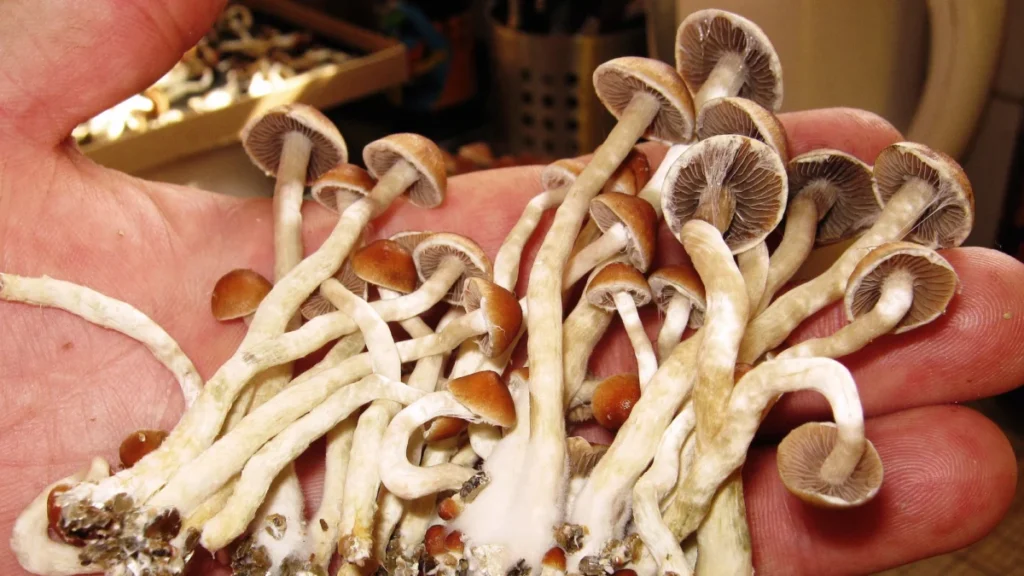
A groundbreaking study published in the journal Frontiers in Behavioral Neuroscience has revealed that psilocybin, the primary psychoactive compound found in "magic mushrooms," significantly alters the social and aggressive behaviors of the mangrove rivulus fish. Conducted by a collaborative team of researchers from Acadia University in Nova Scotia and the University of British Columbia, the study provides a unique window into how psychedelic substances interact with the vertebrate nervous system to modulate conflict. By observing the interactions of these notoriously territorial fish, scientists have identified a selective reduction in high-energy aggressive behaviors, a finding that could have profound implications for the development of future psychiatric treatments for human conditions such as depression, post-traumatic stress disorder (PTSD), and chronic anxiety.
The Evolutionary Context of Psilocybin Research
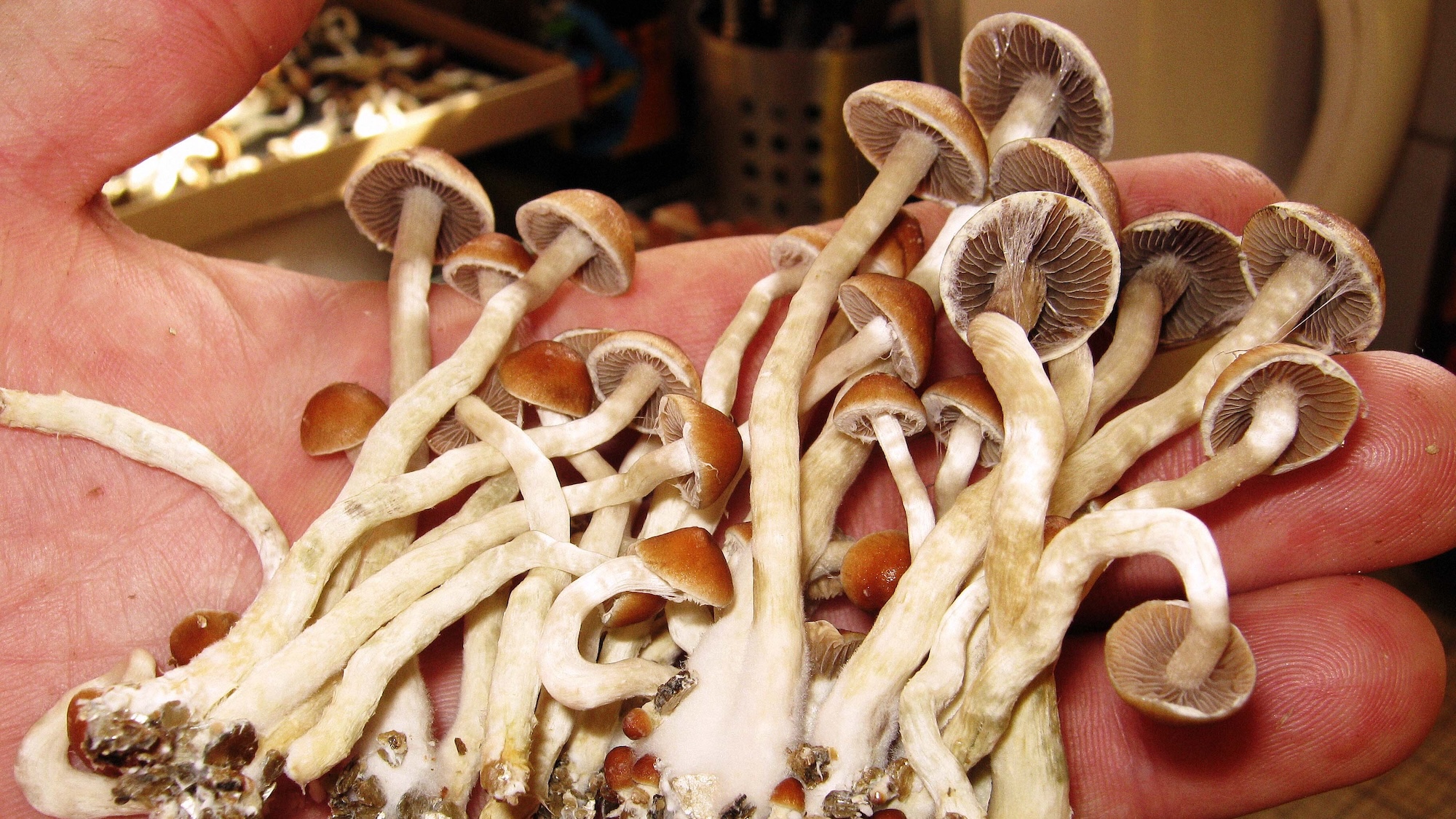
Psilocybin has been a subject of human fascination and spiritual practice for millennia, but its transition into the realm of rigorous clinical science is a relatively recent phenomenon. As a naturally occurring alkaloid produced by more than 200 species of fungi, most notably those in the genus Psilocybe, psilocybin acts as a prodrug. When ingested, the body converts it into psilocin, which then interacts primarily with serotonin receptors in the brain—specifically the 5-HT2A receptor. In humans, this interaction leads to profound changes in perception, mood, and cognition.
Over the last decade, a "psychedelic renaissance" in medical research has seen institutions like Johns Hopkins University and Imperial College London demonstrate psilocybin’s potential to "reset" neural pathways. However, while human clinical trials focus on subjective experiences and emotional breakthroughs, animal models allow researchers to isolate specific behavioral changes and neurobiological mechanisms. The use of the mangrove rivulus (Kryptolebias marmoratus) represents a sophisticated choice for such a model, offering a level of genetic and behavioral consistency that is rare in the animal kingdom.
The Unique Biology of the Mangrove Rivulus
The mangrove rivulus is not a typical laboratory animal. This 1.5-to-3-inch amphibious fish inhabits the brackish waters and mangrove swamps stretching from the Florida coast to Brazil. Its survival mechanisms are extraordinary; the species can live out of water for up to 60 days by breathing through its skin and hiding in damp logs. More importantly for science, the mangrove rivulus is one of the only known vertebrates to practice self-fertilization. Most individuals are hermaphrodites that produce genetically identical offspring, essentially creating natural "clones."
This genetic uniformity is invaluable to neuroscientists. It allows them to eliminate the "noise" of genetic variation that usually complicates behavioral studies. Furthermore, the rivulus is famously aggressive. They are highly territorial, frequently engaging in displays of dominance and physical combat to protect their space. This baseline of high aggression provided the perfect canvas for the researchers to test whether psilocybin could temper social hostility.
Methodology and Chronology of the Experiment
The research team, led by biologist Dayna Forsyth and co-author Suzie Currie, structured the experiment to measure both the intensity and the type of social interactions before and after psilocybin exposure. The study followed a strict chronological framework to ensure the validity of the data.
Phase One: Baseline Behavioral Mapping
The researchers bred three distinct genetic lines of the laboratory rivulus to ensure that the results were consistent across different "clones." In the initial phase, two fish were placed in a tank but separated by a clear mesh barrier. This allowed them to see and react to one another without physical contact. The researchers recorded their baseline behaviors, noting two specific types of aggression: "swimming bursts," which are high-speed, high-energy maneuvers intended to intimidate, and "head-on displays," which are lower-energy postural movements used to signal presence and intent.
Phase Two: The Dosing Protocol
On the second day of the study, one fish from each pair was subjected to a controlled dose of psilocybin. Rather than oral ingestion, the fish were placed in a specialized water tank containing dissolved psilocybin for exactly 20 minutes. This immersion method allowed the compound to be absorbed through the gills and skin, entering the bloodstream and eventually crossing the blood-brain barrier. A separate group of fish was used to analyze the concentration of psilocybin in the body tissues to confirm that the dosage was biologically significant but not toxic.
Phase Three: Post-Treatment Interaction
Following the 20-minute exposure, the "dosed" fish were returned to the observation tank to reunite with their original rivals. The researchers then filmed and analyzed the subsequent interactions, comparing them against the baseline data collected on the first day. This allowed the team to see exactly how the psychoactive compound modified the fish’s "personality" and social strategy.
Key Findings: The Selective Reduction of Aggression
The results of the study were striking. The researchers found that psilocybin did not simply sedate the fish or shut down their social drive entirely. Instead, it selectively reduced the most taxing forms of aggression.
The "swimming bursts"—the most energetically expensive and escalatory behaviors—saw a significant decline. The fish with psilocybin in their systems were far less likely to charge at the mesh barrier or engage in high-velocity displays of force. However, the "head-on displays"—the lower-energy social signals—remained largely unaffected. The fish were still aware of their rivals and still engaged in social signaling; they simply chose a less "violent" and less exhausting way to do so.
"Psilocybin’s calming effect appears to selectively reduce energetically costly, escalated behaviors while lower-energy social display behaviors remained largely unchanged," explained Dayna Forsyth in a statement following the publication. This distinction is critical in behavioral pharmacology. It suggests that psilocybin modulates the "volume" of a response rather than deleting the behavior from the animal’s repertoire.
Scientific Analysis and Supporting Data
The observation that the fish became "lazier" in their aggression is a significant data point for neurobiologists. In the wild, aggression is a trade-off. While it protects territory, it consumes vast amounts of metabolic energy and increases the risk of injury. By dampening the urge to escalate, psilocybin appears to shift the animal’s internal cost-benefit analysis.
From a neurochemical perspective, this likely involves the modulation of the serotonin system. Serotonin is a key regulator of mood and social hierarchy across almost all vertebrate species. In humans, low serotonin levels are often linked to increased impulsivity and aggression. By acting as an agonist (a substance that initiates a physiological response when combined with a receptor), psilocybin may be mimicking or enhancing the stabilizing effects of serotonin, leading to a more "equanimous" state of being.
The study also tracked the recovery time of the fish, noting that the effects were temporary and did not appear to cause long-term neurological or physical damage. This supports the growing body of evidence that psilocybin has a low toxicity profile when administered in controlled environments.
Implications for Human Psychiatry and Future Research
While the image of "magic mushroom fish" may seem whimsical, the implications for human medicine are profound. The ability of a compound to selectively reduce "escalated" social conflict without dampening social awareness is exactly what many psychiatrists look for in treatments for mood disorders.
Current pharmaceutical interventions for aggression or severe depression, such as traditional sedatives or high-dose antipsychotics, often have a "blunting" effect. They can reduce negative behaviors, but they often reduce positive social engagement and cognitive clarity as well. The rivulus study suggests that psilocybin might offer a more surgical approach—reducing the "peaks" of aggressive or impulsive energy while leaving the baseline of social interaction intact.
Suzie Currie, a co-author of the study from the University of British Columbia, emphasized the importance of these animal models. "These are questions that are difficult or impossible to answer directly in humans," she noted. By using the rivulus, researchers can explore the granular details of how a drug affects the "economy" of behavior—how an organism decides to spend its energy.
The Broader Impact on the Psychedelic Renaissance
The Acadia and UBC study adds a vital layer of behavioral data to the global effort to understand psychedelics. As jurisdictions like Oregon and Colorado in the United States, and countries like Australia, begin to decriminalize or legalize psilocybin for therapeutic use, the demand for high-quality, objective research is skyrocketing.
Critics of psychedelic therapy often point to the "subjectivity" of the experience as a barrier to medical standardization. However, behavioral studies in fish provide objective, measurable metrics—energy expenditure, frequency of bursts, and social orientation—that are not subject to human bias or placebo effects.
Looking forward, the research team hopes to expand their work to look at the long-term effects of microdosing versus single high doses. They also aim to investigate whether psilocybin affects the neuroplasticity of the fish—their ability to learn new social cues or adapt to changing environments.
The study of the mangrove rivulus serves as a reminder that the "magic" in magic mushrooms is deeply rooted in biological systems that we share with much of the natural world. By quieting the aggression of a tiny, territorial fish, psilocybin has provided a glimpse into a future where the chemical tools of nature might help humans find a more balanced and less "escalated" way of interacting with one another. As the scientific community continues to peel back the layers of psilocybin’s effects, the humble mangrove rivulus will likely remain a key ally in the quest to understand the complex relationship between brain chemistry and behavior.