


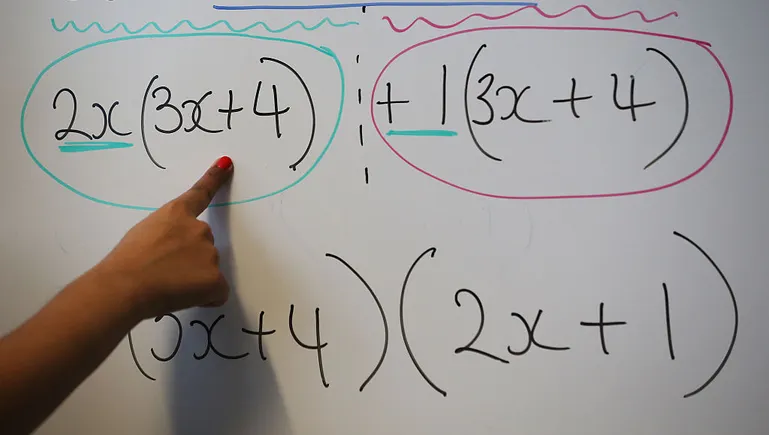
The San Francisco Unified School District (SFUSD) is set to reinstate Algebra I as an option for 8th-grade students, marking a significant pivot from its decade-old policy that aimed to promote equity by delaying access to advanced mathematics. This decision follows an extensive three-year review process, including independent research commissioned by the district and extensive community feedback, signaling a comprehensive re-evaluation of its middle school mathematics curriculum. The shift back to offering Algebra I in 8th grade is intended to provide accelerated pathways for students while addressing persistent concerns about equitable outcomes in higher-level mathematics.
A Decade of Change and Re-evaluation
The original decision in 2014 to phase out 8th-grade Algebra I was rooted in a philosophy of "detracking" mathematics education. The district’s policy at the time aimed to ensure all students, regardless of their perceived prior achievement, would receive a common mathematics curriculum in middle school, with Algebra I becoming the standard for all 9th graders. The underlying rationale was twofold: to foster greater equity by preventing a premature separation of students into perceived "tracks," and to potentially improve pedagogical approaches by focusing on a more inclusive middle school math experience. However, the effectiveness and unintended consequences of this policy have been subjects of intense debate and scrutiny over the past ten years.
Independent Research and Community Input
The district’s decision to revisit the 2014 policy was prompted by ongoing concerns about student achievement in mathematics and the persistent achievement gaps among different demographic groups. To inform its decision, SFUSD commissioned an independent study conducted by researchers from Stanford University. This comprehensive study examined enrollment patterns and academic outcomes related to the district’s math sequencing. Furthermore, the district engaged directly with its community, conducting a survey of families. The results of this survey indicated a strong desire for the return of 8th-grade Algebra I, with an overwhelming majority of respondents, nearly 99%, either supporting the offering or expressing keen interest in its implementation and understanding its potential benefits. This high level of engagement underscores the community’s deep investment in their children’s mathematical education and future academic trajectories.
The Stanford study, co-authored by Professor Tom Dee of the Stanford Graduate School of Education, provided critical data that influenced the district’s conclusion. According to board documents detailing the recommendations, the district found that the math approach adopted since 2014 had not yielded the desired improvements in overall student outcomes. Specifically, there was a noticeable decline in the number of students progressing to higher-level math classes, and importantly, the gains in enrollment for underrepresented students in these advanced courses had not been substantial enough to close existing gaps.
Professor Dee, in his analysis, acknowledged the controversial nature of the 2014 reform. "There was a great hue and cry among parents – many parents who didn’t like delaying access to algebra," he stated, recalling the initial reactions to the policy change. He also noted that the initial pedagogical argument for the detracking approach, which posited it as a superior teaching method, was met with skepticism.
Findings from Stanford Research
Stanford’s research delved into the impact of the 2014 Math Course Sequence Policy, which mandated Algebra I for all 9th graders and offered compression (taking two math courses simultaneously) or acceleration options for those aiming for advanced courses like AP Calculus by their senior year. The study’s findings indicated that while there was a modest increase in African American students enrolling in Pre-Calculus, the broader racial and ethnic disparities in access to advanced mathematics courses persisted. This outcome directly contradicted one of the primary equity goals of the original policy.
Dee articulated his perspective on the 2014 reform, stating, "One could characterize the 2014 reform as something that effectively lowered the [achievement] ceiling, whereas I would argue for an approach that raises the ceiling, and raises the floor." This statement suggests that while the policy might have aimed to lift the baseline for all students, it may have inadvertently limited the opportunities for high-achieving students to excel and reach their full potential in mathematics.
The research also examined a pilot program for the 2024-25 academic year, which involved offering Algebra I. The findings from this pilot were encouraging, revealing "substantial learning gains" for students who participated, whether they took Algebra I in addition to their regular Math 8 curriculum or instead of it. Dee expressed optimism about these results, remarking, "There’s much to celebrate here. It appears to be successful, and it will happen at scale next year. Making sure every qualified student is given a powerful signal that they’re ready for algebra can have important equity benefits." This suggests that providing early access to challenging coursework, coupled with appropriate support, can indeed benefit a broad range of students and reinforce their confidence and readiness for advanced academic pursuits.
Nuances and Lingering Concerns
However, the Stanford research also highlighted significant concerns that warrant careful attention from the district. Professor Dee pointed out that a considerable number of students are not adequately prepared for algebra, and critically, there are "clear inequities in who’s ready." This finding underscores the need for a multi-faceted approach that not only provides access to advanced courses but also ensures that students are equitably prepared to succeed in them.
"It’s imperative for the district to also focus on reforms and innovations in earlier grades to make algebra-readiness more equitable," Dee emphasized. This suggests that the district must invest in strengthening foundational math skills in elementary and early middle school to ensure that all students have the opportunity to develop the necessary prerequisites for Algebra I.
Furthermore, Dee raised concerns about the legacy of distrust among some parents stemming from the "controversial reforms of the last decade." The shift in math policy in 2014 was met with considerable parental opposition, and rebuilding that trust will be crucial for the successful implementation of the new approach. Transparency, clear communication, and consistent demonstration of positive outcomes will be essential to regain parental confidence and ensure broad support for the district’s educational strategies.
Angela Torres, a mathematics specialist at the nonprofit Student Achievement Partners and a former math content specialist at SFUSD from 2012 to 2021, offered a nuanced perspective on the district’s announcement. She stated that characterizing the current move as simply "bringing back" Algebra I might be "misleading." Torres pointed out that the district’s Common Core Math 8 course, implemented after 2014, already incorporated elements of the previous Algebra I curriculum, along with high school geometry concepts. This suggests that the curriculum has been evolving, and the current decision represents a more explicit offering of Algebra I as a distinct course in 8th grade.
The Path Forward: Pathways and Equity
The district’s stated aim for the revised math sequencing is to create a more flexible system that reduces the impact of traditional tracking. The goal is to "promote equitable representation of students, and mirror the demographics of the district across race, gender, language, economics and status." This indicates a commitment to ensuring that advanced mathematics opportunities are accessible to all students, reflecting the diverse makeup of the SFUSD student population.
The reintroduction of 8th-grade Algebra I is expected to have several implications:
- Increased Access to Advanced Math: More students will have the opportunity to complete Algebra I before high school, potentially enabling them to take higher-level math courses such as Geometry, Algebra II, Pre-Calculus, and Calculus during their high school careers.
- Potential for Closing Achievement Gaps: If implemented effectively with robust support systems, this change could help close achievement gaps by providing earlier access to challenging content for students who may have been previously underserved by the detracked system.
- Focus on Foundational Skills: The district will need to intensify its efforts to ensure that students entering 8th grade are adequately prepared for Algebra I. This may involve investing in stronger elementary and middle school math programs, targeted interventions, and professional development for teachers.
- Community Engagement: Continued dialogue and collaboration with parents and the wider community will be vital to ensure the success of this policy shift and to address any remaining concerns.
The SFUSD’s decision to reintroduce 8th-grade Algebra I represents a complex recalibration of its educational strategy. It acknowledges the limitations of a previous reform aimed at equity while seeking to achieve similar goals through a different approach. The success of this initiative will depend on the district’s ability to not only provide access to advanced mathematics but also to ensure equitable preparation and support for all students, thereby truly raising both the floor and the ceiling of mathematical achievement.