



A significant challenge facing educators today, particularly within English Language Arts (ELA) classrooms, is the persistent issue of student disengagement with core textual material. Despite the foundational role of literature, articles, poems, and textbooks in imparting knowledge and fostering critical thinking, traditional approaches can often leave students uninspired and passive. Addressing this critical pedagogical gap, veteran high school English teachers Brian Sztabnik and Susan Barber have curated and published a collection of innovative, low-tech strategies designed to dramatically boost student participation, alleviate boredom, and deepen learning. Their work, detailed in their new book, 100% Engagement: 33 Lessons to Promote Participation, Beat Boredom, and Deepen Learning in the ELA Classroom, offers practical solutions that encourage active, hands-on interaction with texts, moving students beyond rote comprehension to profound analytical engagement.
The imperative for such strategies is underscored by various educational reports and teacher feedback. Studies frequently indicate a decline in reading enjoyment and sustained attention among adolescents, often attributed to the pervasive influence of digital media and the perceived irrelevance of classic texts. For instance, data from organizations like the National Assessment of Educational Progress (NAEP) consistently highlight areas where reading comprehension and analytical skills could be improved across grade levels. Educators universally acknowledge that passive reception of information, a common byproduct of traditional lecture-based or individual worksheet-heavy instruction, fails to cultivate the deeper cognitive processes necessary for true textual mastery. In ELA classes, where the very act of reading and interpreting forms the bedrock of the curriculum, this disengagement can significantly impede the development of essential literacy skills, including inference, analysis, synthesis, and critical evaluation. Teachers often report "glazed over eyes" and a lack of enthusiasm when tasked with close reading or in-depth textual analysis, signaling a clear need for methodologies that can re-energize the learning environment.

Brian Sztabnik and Susan Barber, both seasoned high school English teachers, recognized this systemic issue firsthand. Over the past decade, they have cultivated a vibrant online community for ELA educators through social media discussions and their blog, "Much Ado About Teaching." This platform became a crucible for shared experiences and collective problem-solving, revealing a widespread struggle among their peers to design lessons that genuinely captivated students. It was through this extensive collaboration and the exchange of best practices that Sztabnik and Barber began to identify and refine a suite of strategies specifically aimed at fostering dynamic textual engagement. Their efforts culminated in the recent publication of 100% Engagement, a compendium of practical, classroom-tested lessons designed to transform the ELA learning experience. The book’s core philosophy centers on the belief that learning should be an active, physical, and collaborative process, even when dealing with complex literary concepts.
The authors recently shared three exemplary strategies from their book during an interview, emphasizing their low-tech nature and ability to get students actively involved with course material. These methods prioritize movement, peer interaction, and tangible manipulation of texts, providing a stark contrast to static, desk-bound activities.
Deconstructing Poetry: The "Cutting Up Poems" Strategy
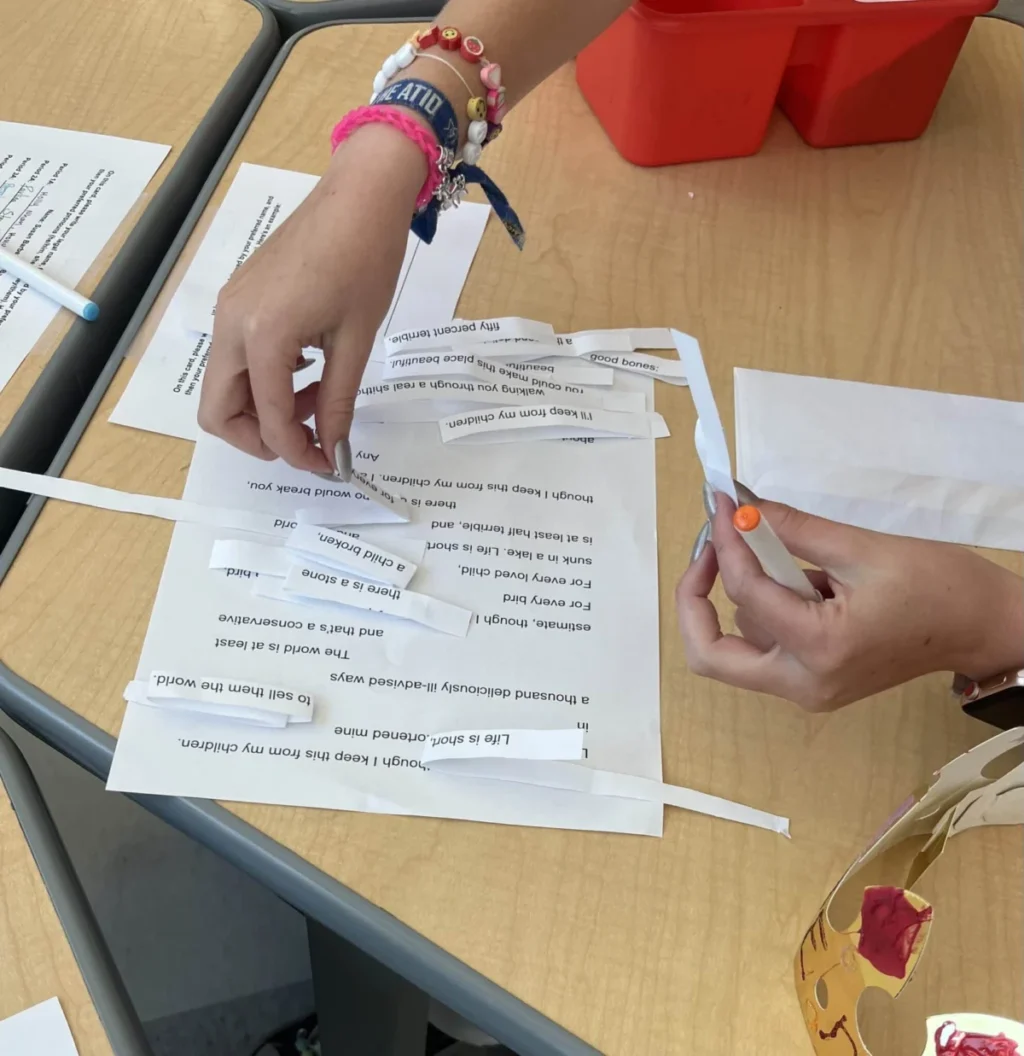
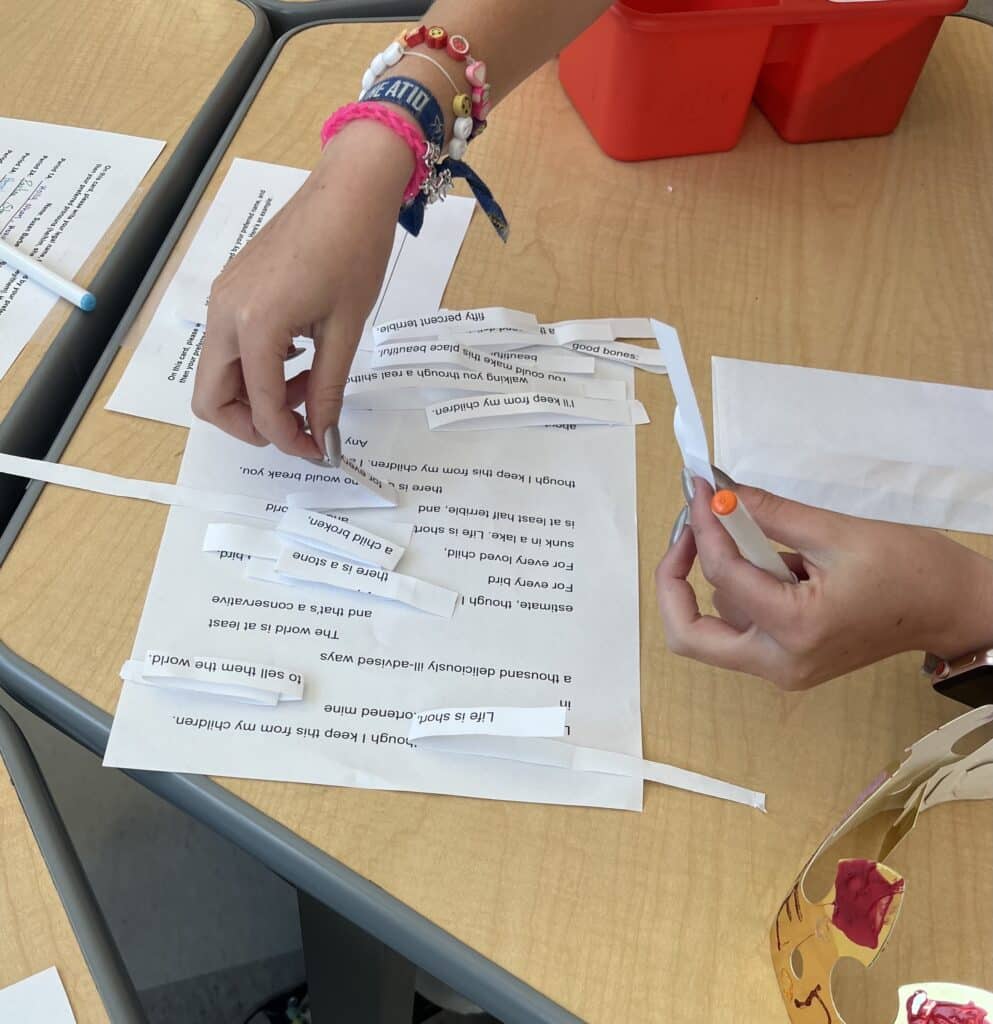
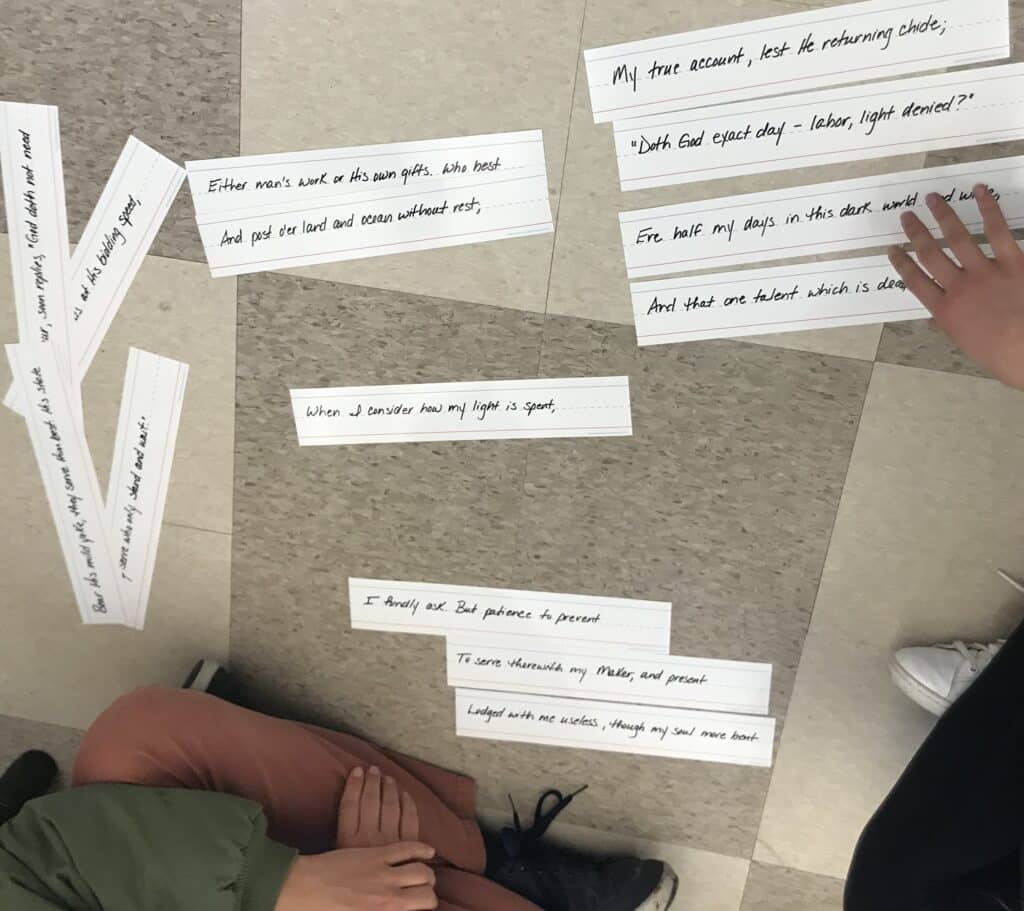
One particularly innovative approach is the "Cutting Up Poems" strategy, which transforms the often-intimidating task of poetry analysis into an interactive puzzle. In this lesson, a poem is meticulously dissected into individual words, phrases, or lines, each printed on a separate paper strip. Students are then challenged to reconstruct the poem, not necessarily into its original form, but into a version that makes logical and thematic sense to them. Following this reconstruction, students are required to annotate their unique rendition, articulating their interpretive choices, before finally comparing it to the original text.
Susan Barber elucidates the profound pedagogical impact of this method, stating, "It’s forcing the students to do a close reading of the poem. If I would have passed out this poem and said, ‘I want you to do a close reading,’ their eyes would be glazed over." She highlights how the physical act of arranging and rearranging fragments compels students to scrutinize grammatical structures, punctuation, capitalization, and semantic connections. "They’re having to consider, ‘Does this make sense if it goes here? Well, this is a capital letter, so it may not go in the middle of those sentences, or this is a comma here, that may not fit right there.’ And so students are already thinking about this poem analytically, and having really good discussion. They’re reading closely." This hands-on manipulation bypasses initial resistance to complex texts, fostering an organic process of analytical engagement that feels less like a chore and more like an intellectual discovery. The collaborative discussion that often accompanies this activity further enriches understanding, as students articulate their reasoning and learn from their peers’ perspectives, ultimately enhancing their metacognitive awareness of textual interpretation.
Visualizing Narrative Progress: The "Inferential Timeline"
Another highly effective strategy presented is the "Inferential Timeline," designed to deepen student comprehension and analytical skills when engaging with novels or longer narrative texts. This lesson assigns each student a specific segment of pages from a given section of a novel. On an index card or post-it note, each student must identify and summarize the single most important event or development within their assigned pages, supporting their claim with a direct quote from the text. These cards are then physically arranged sequentially along a classroom timeline, forming an upper tier that maps the plot’s progression.
Brian Sztabnik explains the initial objective: "What I’m really asking is to summarize the plot and boil it down to one or two sentences. So this is all about decision-making and cutting out the extraneous details and just focusing on what’s really important. And often it’s either character development or increasing conflict or maybe a symbol finally emerges." This initial phase sharpens students’ ability to discern main ideas and supporting evidence, a critical skill for academic writing and research.

The strategy then evolves into a more complex inferential exercise. Once the top tier of plot summaries is complete, students are instructed to select a classmate’s card from the timeline and, on a new card, add a second tier beneath it. On this new card, they must explain why the event identified by their classmate is significant within the broader narrative context. This requires drawing conclusions, identifying thematic connections, analyzing character motivation, or predicting future plot developments. Sztabnik emphasizes the collaborative yet intellectually independent nature of this stage: "It’s collaborative without being collaborative physically. It’s collaborative mentally: They have to look at their classmate’s card, determine what happened, and make an inference about why that event was so important in the grand scheme of those chapters. So here’s where we’re getting to the higher level thinking – we can understand the plot; now we need to draw conclusions." The lesson culminates in a "gallery walk," where students move along the complete two-tiered timeline, taking notes on the plot summaries and, crucially, on the inferences made by their peers. This provides a comprehensive overview of the text, enriched by multiple perspectives and layers of analysis, fostering a deeper, collective understanding of the narrative’s intricacies.
Distilling Meaning: The "Text Rendering" Technique
The third strategy, "Text Rendering," offers a potent method for guiding students to extract profound meaning from dense or complex passages by progressively narrowing their focus. This exercise begins with students engaging with a chosen passage of text. Their first task is to identify the single most important sentence or line within that passage. From that selected sentence, they then pinpoint the most crucial phrase or clause. Finally, from that phrase, they must isolate the single most important word.
This structured deconstruction compels students to engage in multiple layers of analytical decision-making. After individually making and defending their choices to the class, small groups collaborate to synthesize their findings and collectively draw overarching conclusions about the passage’s central message or significance.
Susan Barber developed this lesson out of a direct academic need. "I have trouble every year getting students to narrow their focus when they’re making meaning from the text," she explains. "They talk in these really big, general ideas, and I would be like, ‘Where did this come from?’ And they’re like, ‘You know, it’s just there.’ It has to come from someplace specific in the text. I had to find some activity to get them to take the big ideas to the small." This strategy directly addresses the common student tendency to grasp at broad, often unsubstantiated, interpretations. By forcing them to drill down from a macro (passage) to a micro (word) level, it teaches them how to identify textual evidence, understand the nuances of language, and build robust interpretations grounded in specific details. This systematic approach cultivates precision in analysis and strengthens the essential link between textual evidence and interpretative claims, a cornerstone of effective literary scholarship.
Broader Implications and The Future of ELA Engagement
The approaches championed by Sztabnik and Barber resonate deeply with contemporary educational philosophies that advocate for active learning, student-centered instruction, and the development of 21st-century skills. In an era where digital distractions are abundant, and passive consumption of information is prevalent, these low-tech, hands-on strategies provide a crucial counterpoint, re-emphasizing the value of physical interaction, collaborative discourse, and critical thought in the learning process. The success of these methods highlights that effective engagement does not necessarily require elaborate technological tools but rather thoughtful pedagogical design that taps into students’ natural curiosity and desire for agency.
Furthermore, the emphasis on peer collaboration and discussion within these strategies aligns with research on social learning, which suggests that students often construct deeper understanding when they articulate their thoughts, defend their interpretations, and engage in constructive debate with their classmates. This not only enhances academic outcomes but also develops vital communication and interpersonal skills.
The initiative by Sztabnik and Barber also underscores the power of teacher-led innovation and community building. Their "Much Ado About Teaching" blog and the dedicated "100% Engagement" Facebook group serve as vital hubs for professional development, allowing educators to share insights, refine practices, and collectively elevate the standard of ELA instruction. This grassroots movement reflects a broader trend in education where practitioners are increasingly leveraging online platforms to address shared challenges and disseminate effective teaching methodologies, fostering a culture of continuous improvement and collaborative learning among teachers.
In conclusion, the strategies outlined by Brian Sztabnik and Susan Barber offer a timely and effective response to the challenge of student disengagement in English Language Arts. By providing educators with practical, adaptable, and engaging methods for interacting with texts, their work not only enriches the classroom experience but also empowers students to become more active, analytical, and enthusiastic learners. Their commitment to fostering a vibrant teaching community further amplifies the potential impact of these strategies, promising a future where textual learning is anything but boring.