


The modern educational and professional landscape is increasingly reliant on digital learning platforms. While the promise of accessible, on-demand learning is powerful, a significant challenge persists: the inherent variability in learner experiences. A new initiative, spearheaded by Moodle, aims to address this by advocating for a more inclusive and human-centered approach to learning design, moving beyond the myth of the "average" learner. This approach, rooted in principles of Universal Design for Learning (UDL), seeks to ensure that all individuals, regardless of their digital literacy, access, or learning preferences, can thrive in online environments.
The imperative to create effective learning environments has never been more critical. As organizations invest heavily in upskilling and reskilling their workforce, and as educational institutions grapple with evolving pedagogical models, the design of Learning Management Systems (LMS) and individual courses becomes paramount. A project to launch a new learning platform or significantly overhaul an existing one is often a complex undertaking, involving numerous stakeholders, ambitious engagement targets, tight deadlines, and a multitude of expectations.
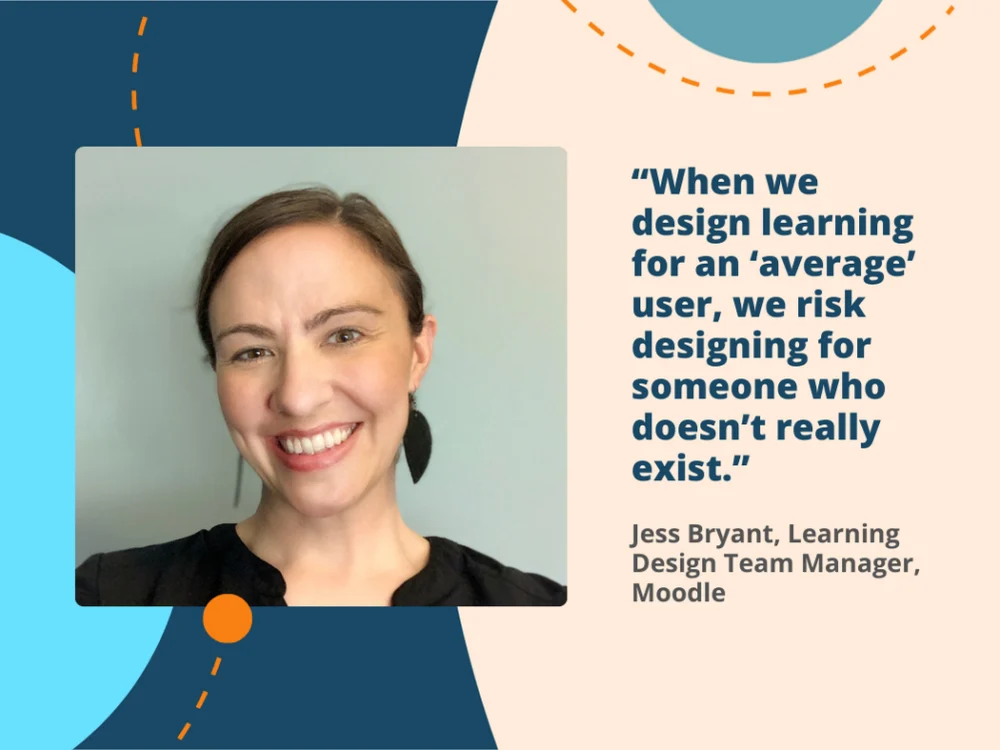
Jess Bryant, Learning Design Team Manager at Moodle, understands these pressures intimately. Her team works with organizations globally to cultivate learning spaces that are not only accessible but also relevant and valuable to learners. "We spend a considerable amount of time perfecting content," Bryant explains, "but content is not the sole determinant of a learner’s experience. To foster learner engagement, we must construct an environment that supports individuals with diverse levels of digital confidence and connectivity."
This sentiment echoes findings from previous research, which highlighted how course design directly impacts learner engagement in educational settings. However, the challenges extend significantly into enterprise environments, where differences in access and experience can create substantial barriers. The current focus is on translating these insights into actionable strategies for creating more inclusive and human-centered learning experiences within the workplace.
The Myth of the Universal Learner: Understanding Digital Capital
Online learning platforms often present an illusion of universal accessibility. Registered users are typically able to log in, locate courses, and engage with materials from virtually any location. However, this superficial availability does not guarantee a consistent or equitable learning experience. A stark reality emerges: some learners, particularly those already adept with virtual learning systems, progress rapidly, while others, facing limitations in technological access, prior online learning experience, or social support, fall behind.
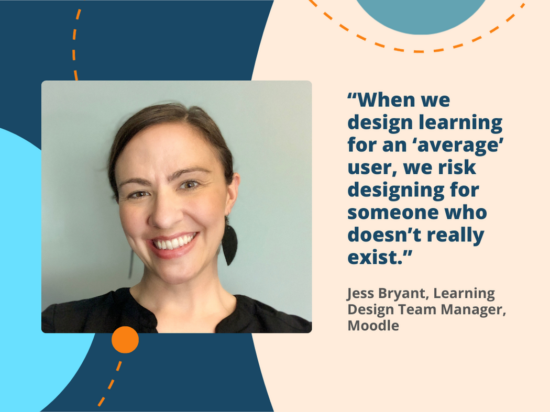
"When we design learning for an ‘average’ user, we risk designing for someone who doesn’t really exist," Bryant emphasizes. "People engage with learning in profoundly different ways, contingent on their unique circumstances." These disparities are often encapsulated by the concept of "digital capital," a multifaceted construct encompassing an individual’s access to technology, their prior experience with online learning, and the social support networks available to them within the learning context. Learners with lower levels of digital capital frequently exhibit diminished engagement and progress at a slower pace compared to their peers who possess higher digital capital.
The implications of this disparity are significant for organizations. A workforce that cannot effectively access or engage with training materials risks a widening skills gap, decreased productivity, and reduced innovation. Data from recent workforce surveys indicate that a substantial percentage of employees report feeling overwhelmed by new technology or lacking the necessary digital skills for their roles. This highlights a pressing need for learning solutions that actively mitigate these challenges rather than inadvertently exacerbating them.
Fortunately, the "learning gap" can be narrowed by re-evaluating traditional approaches to course design. While substantial LMS overhauls are sometimes necessary, transformative improvements to the learner experience can often be achieved through small, deliberate design choices that promote more inclusive participation. "Simple changes in how we design courses can yield surprisingly impactful results on learner engagement," Bryant notes. "When the learning environment feels intuitive and relevant, individuals are far more inclined to connect with the content and continue their engagement."
Practical examples of such changes include the implementation of clearer course structures, which assist busy employees in understanding expectations at a glance. Similarly, flexible course formats that are responsive across a range of devices enable learners to engage in ways that best suit their individual needs and schedules. Beyond these, the introduction of predictable navigation patterns throughout the learning environment and the provision of straightforward instructions for activities and assignments are often overlooked yet highly effective strategies. These elements collectively reduce ambiguity and empower learners to build confidence as they progress.
Bringing Universal Design for Learning into the Workplace
A robust framework for fostering more inclusive learning environments is Universal Design for Learning (UDL). Originally developed by CAST, UDL principles advocate for proactive flexibility in course creation. Instead of designing for a singular "typical" learner, UDL acknowledges the diverse backgrounds, motivations, and confidence levels that individuals bring to any learning experience. The core tenet of UDL is to provide learners with multiple means of engagement with content, multiple ways to comprehend information, and multiple avenues to demonstrate their acquired knowledge and skills.
"By keeping UDL in mind, we can design for variability from the outset," Bryant explains. "Rather than retroactively adapting a course for struggling learners, we create learning experiences that are inherently effective for a broader spectrum of individuals from day one."
While UDL was initially conceived for K-12 and higher education settings, its principles translate seamlessly into workplace learning environments. Importantly, applying UDL does not necessitate a complete deconstruction and rebuilding of an existing LMS. Instead, it involves integrating its core tenets into the design process.
For instance, offering learning materials in multiple formats—such as short videos alongside written summaries—allows learners to choose the modality that best suits their learning style and preferences. This empowers individuals to engage with content in ways that are most effective for them. Likewise, recognizing that learners demonstrate mastery through different means is crucial. Providing a variety of assessment options, such as quizzes, knowledge checks, reflective discussions, or applied tasks, ensures that all learners have opportunities to showcase their understanding in ways that align with their strengths. This inclusive approach not only supports diverse learning needs but can also lead to more accurate assessments of employee competency.
When Learning Works for Everyone, It Works Better: The Broader Impact
Returning to the initial challenge of launching or transforming a learning platform while meeting the diverse expectations of an entire organization, the UDL-informed approach shifts the focus from crafting a singular "perfect" course to cultivating an environment where success is attainable for all. This paradigm shift is not merely about accommodating individual needs; it is about optimizing the overall effectiveness and value of learning initiatives.
In response to the growing need for practical guidance in this area, Moodle has collaborated with a group of experts to develop a comprehensive resource titled "Bridging the hidden learning gap." This guide delves into how thoughtful learning design, a strong emphasis on accessibility, and human-centered methodologies can be leveraged to build learning environments that employees are eager to utilize. It offers expert insights, practical strategies, and actionable ideas applicable to both new platform rollouts and the refinement of existing systems.
The benefits of such an approach extend beyond individual learner satisfaction. When learning is designed with the real user in mind, it becomes more than just accessible; it becomes a more potent catalyst for organizational growth and development. A workforce that is consistently engaged and empowered through effective learning experiences is more likely to be innovative, adaptable, and productive. Furthermore, fostering an inclusive learning culture can significantly enhance employee morale and retention, as individuals feel valued and supported in their professional development.
The implications for organizations are profound. By investing in inclusive learning design, companies can unlock the full potential of their human capital, ensuring that training programs are not just a compliance checkbox but a strategic driver of business success. This approach aligns with broader trends in corporate social responsibility and employee well-being, demonstrating a commitment to supporting every individual’s growth.
For those seeking to strengthen learning initiatives within their organizations, the "Bridging the hidden learning gap" guide offers a tangible pathway forward. It provides the tools and knowledge necessary to move beyond generic learning solutions and create truly impactful, learner-centric experiences. The guide aims to serve as a go-to resource, simplifying the complexities of learning design and empowering professionals to build environments where every learner can not only participate but truly succeed. This proactive approach to inclusive design is not just an ethical imperative; it is a strategic advantage in today’s competitive global landscape.